The chilling silence after the phone rings. The snowy static of a cursed videotape. The sheer, unshakeable dread that Hideo Nakata’s original Ringu (1998) unleashed upon the world was a cultural phenomenon, a watershed moment for J-horror that sent ripples across the globe. Following up such a perfectly distilled nightmare seemed almost impossible, perhaps even unwise. Yet, barely a year later, the well summoned us back with Ring 2 (1999) (or Ringu 2 for purists), promising answers, or perhaps just deeper, darker questions. Did it recapture that lightning in a cursed bottle?

### Echoes from the Well
Picking up almost immediately after the first film's terrifying conclusion, Ring 2 plunges us back into the paranoia surrounding Sadako Yamamura's vengeful spirit. This time, the focus shifts primarily to Mai Takano (Miki Nakatani, reprising her smaller role from the original), assistant to the ill-fated psychic Ryūji Takayama. As police investigate the bizarre deaths linked to the cursed tape, Mai finds herself drawn deeper into the mystery, seeking to understand the nature of Sadako's power and protect Ryūji’s psychically sensitive young son, Yoichi. It’s less a direct procedural continuation and more an exploration of the fallout, the lingering psychic scars left by Sadako’s touch.
### Nakata's Measured Dread
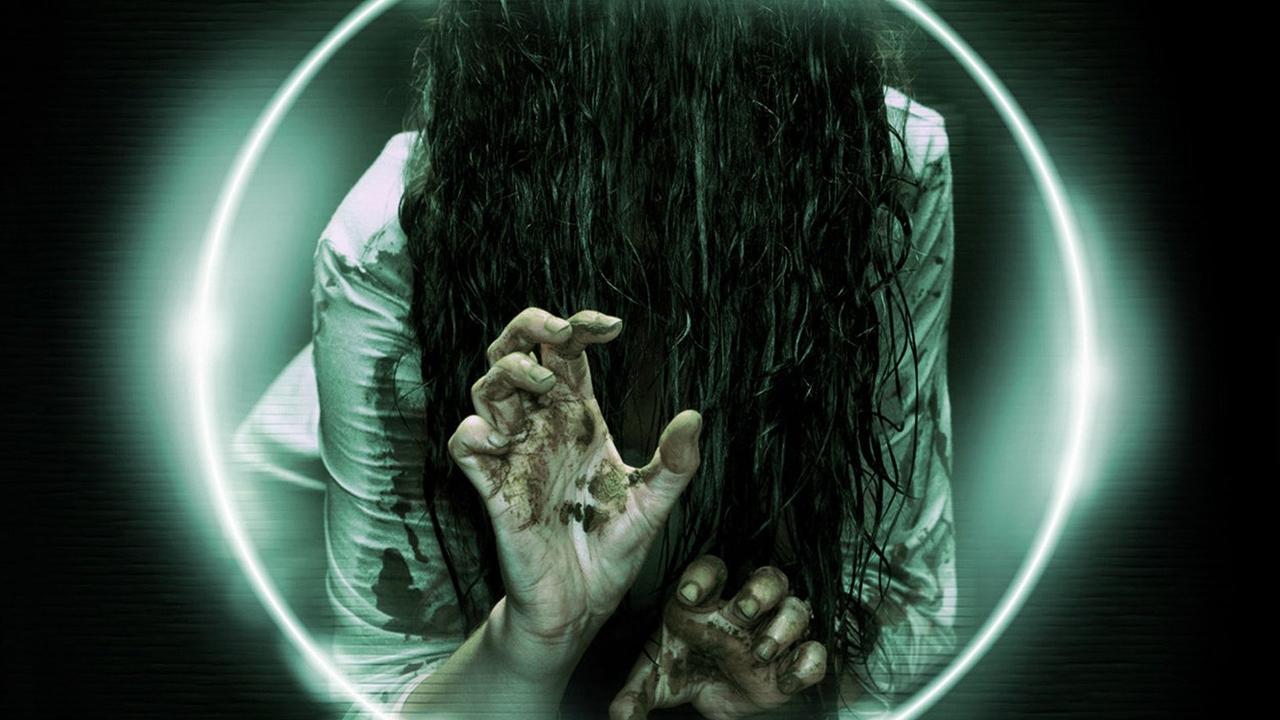
Hideo Nakata returning to the director's chair was crucial. He understood intrinsically that the power of Ringu wasn't just the shock of Sadako emerging from the TV; it was the creeping, pervasive atmosphere of dread. He brings that same sensibility here. Ring 2 largely eschews cheap jump scares in favour of sustained tension. The colour palette remains muted, often favouring cold blues and institutional greys. Scenes unfold with a deliberate, sometimes unnerving patience, letting the silence stretch, allowing the viewer's imagination to fill the gaps with anticipated horrors. The score, again, is minimalist but incredibly effective, using discordant notes and unsettling ambience to signal Sadako's lingering presence long before anything explicitly supernatural occurs. That sense of watching something you know is wrong, even when the screen is calm, is Nakata’s signature.
### The Phantom Sequel: A Tale of Two Tapes
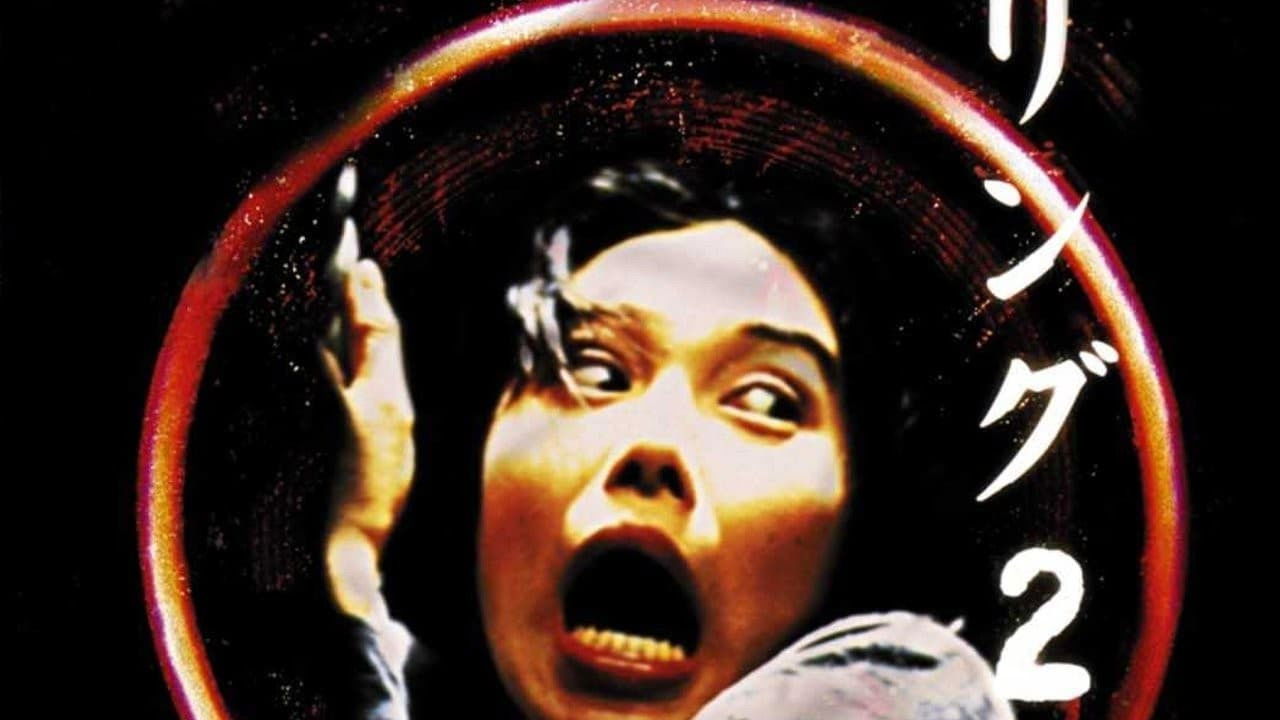
Here’s a slice of behind-the-scenes strangeness fitting for the Ring universe: Ring 2 wasn't the originally intended sequel. When the first Ringu was greenlit, the studio, Toho, actually commissioned two films based on Kôji Suzuki's novels: Ringu and its direct literary sequel, Rasen (Spiral), directed by George Iida. They were even released as a double feature initially! However, Ringu became a runaway smash hit, while Rasen… well, it fizzled. Audiences didn't connect with its more scientific, less ghostly take. So, the studio quickly pivoted, essentially declaring Rasen non-canon (at least for a while) and fast-tracking this "alternate" sequel, Ring 2, bringing Nakata and original screenwriter Hiroshi Takahashi back to give the audience more of what they craved: Sadako's chilling spectral horror. This frantic production history perhaps explains some of the film's slightly looser narrative threads compared to the laser-focused original.
### Delving Deeper, Sometimes Too Deep?
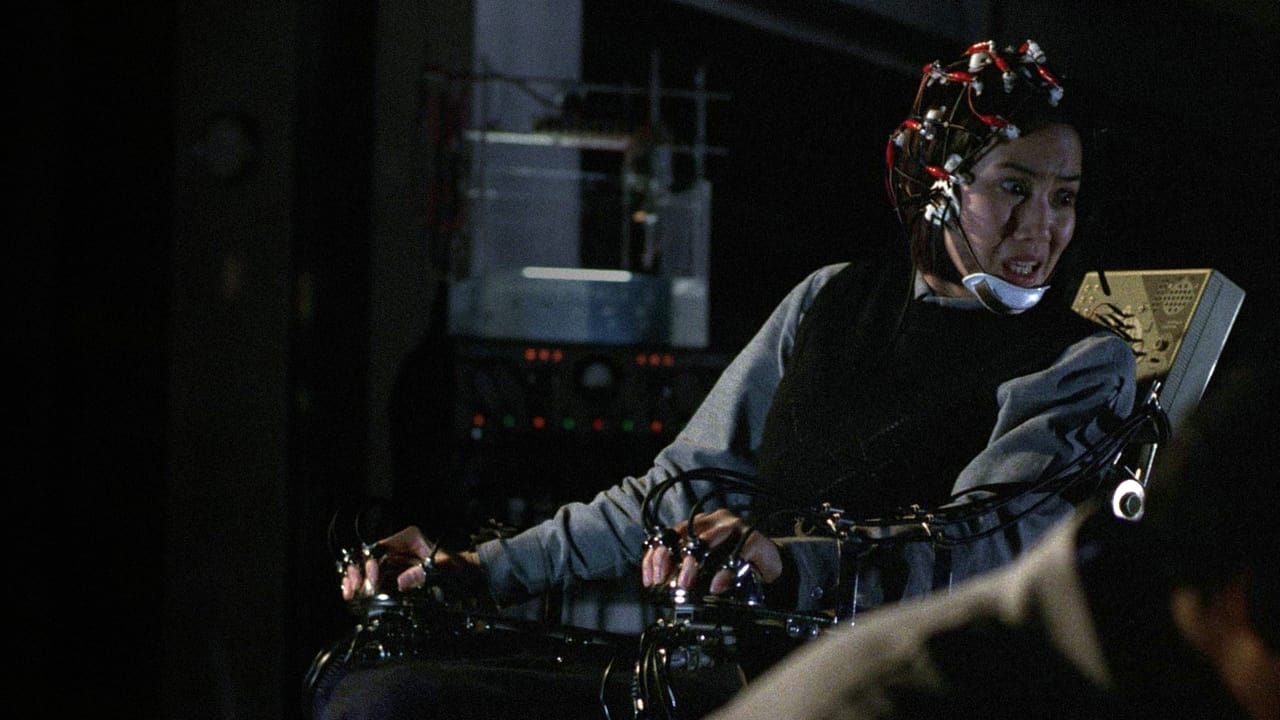
While the first film was a masterclass in minimalist terror, Ring 2 attempts to expand the mythology, delving further into the mechanics of Sadako's curse and the nature of psychic phenomena. We get experiments trying to drain Sadako's psychic energy, more explicit displays of telekinetic power, and a deeper exploration of Yoichi’s connection to the vengeful spirit. Some sequences are genuinely effective – the infamous scene involving Masami (Hitomi Satô) during an autopsy playback maintains that skin-crawling unease, and the climactic sequences involving water and the well retain a primal fear factor. Doesn't that pool scene still feel intensely claustrophobic? However, this expansion sometimes muddies the waters (pun intended). The scientific "explanations" occasionally feel at odds with the purely supernatural dread of the first film, demystifying Sadako in ways that arguably lessen her terrifying unknowability. The plot meanders more, juggling multiple character arcs and investigations, lacking the relentless forward momentum of Reiko Asakawa's desperate seven-day race against time.
### The Grainy Ghost in the Machine
Watching Ring 2 back in the day, often on a slightly worn VHS tape rented from the corner store, added its own layer to the experience. The inherent imperfections of the format – the tracking lines, the slightly degraded image quality – somehow made Sadako’s curse feel more tangible, more real. The low-fi nature of the cursed tape within the film resonated with the medium we were watching it on. It blurred the lines, making the screen feel less like a window and more like a potential portal. While a crisp Blu-ray reveals more detail, there's a certain atmospheric quality to that grainy VHS viewing that's hard to replicate, a specific kind of late-90s techno-dread. I remember renting this shortly after the first one blew my mind, the blocky clamshell case practically radiating unease on the shelf.
### Final Verdict
Ring 2 is a fascinating, if flawed, follow-up. It successfully maintains the oppressive atmosphere and signature visual style established by Nakata in the original, offering genuinely creepy moments and expanding the chilling lore of Sadako Yamamura. Miki Nakatani steps capably into the lead role, providing a sympathetic anchor amidst the escalating paranormal chaos. However, its attempt to deepen the mythology occasionally leads to narrative clutter, and it never quite recaptures the raw, primal terror and near-perfect pacing of its predecessor. It feels less like a lightning strike and more like the eerie, unsettling calm after the storm, where the danger still palpably lingers.
Rating: 7/10
Justification: The score reflects the film's strong atmospheric direction, effective J-horror tension, and its status as a worthy, if less iconic, entry in the Ring saga. It loses points for a somewhat convoluted plot and for slightly demystifying its central threat compared to the flawless original.
Final Thought: While not the game-changer Ringu was, Ring 2 remains a crucial piece of the J-horror puzzle and a chilling reminder that even when you think you understand the curse, the static-filled darkness might just be starting to truly seep in.