It doesn't begin so much as it infects. There’s no grand overture, no slow burn easing you into the dark. Ju-On: The Curse 2, hitting shelves almost simultaneously with its predecessor back in 2000, throws you immediately into the fractured timeline of the Saeki curse. Remember that feeling? Popping in a tape – or perhaps an early, imported DVD – expecting a straightforward ghost story, only to be confronted with something disjointed, episodic, and deeply, fundamentally wrong. It felt less like watching a movie and more like finding someone’s cursed home videos.
### Shards of Terror
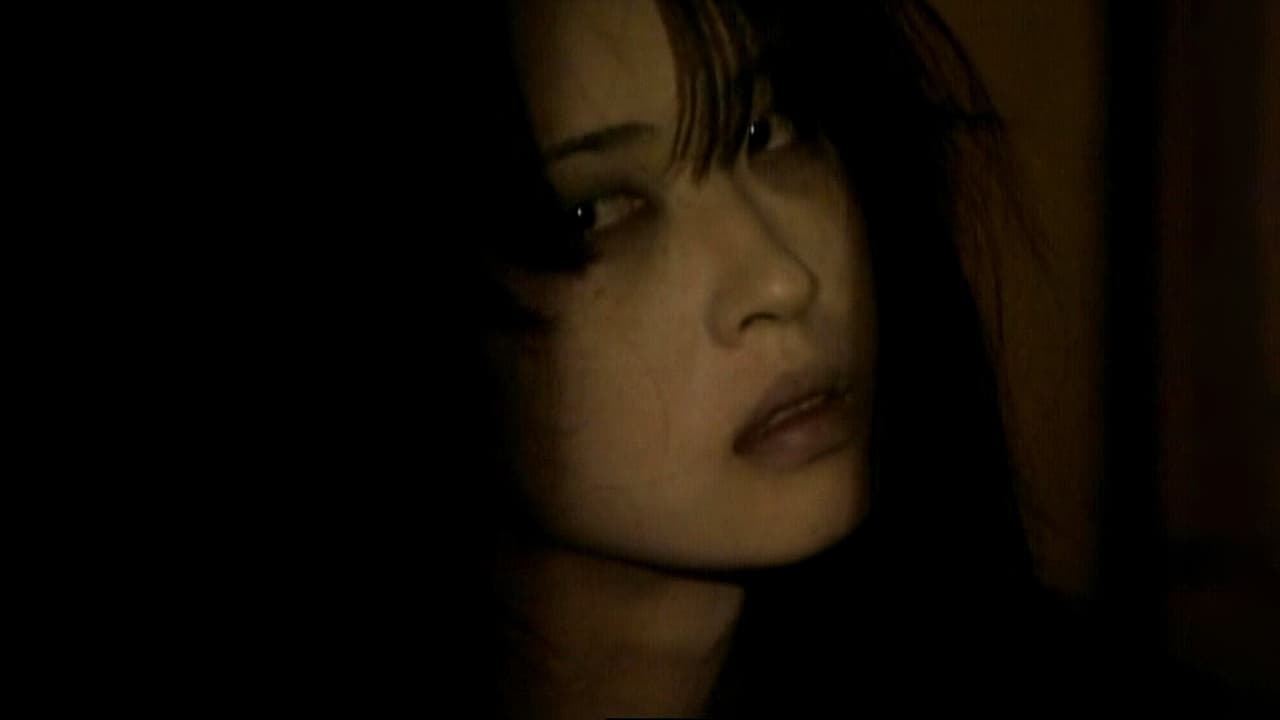
This isn't a sequel in the traditional sense; it’s more like another volume collecting tales of despair linked to that unassuming house in Nerima, Tokyo. Director Takashi Shimizu, who conceived the Ju-On concept originally as shorts for a variety television show that proved too scary for broadcast, continues his anthology approach. We follow different characters – Kyoko, Tatsuya, Nobuyuki – each intersecting with the vengeful spirits of Kayako and Toshio in ways that defy linear progression. The genius, or perhaps the cruelty, of this structure is how it mirrors the curse itself: inescapable, illogical, striking without clear cause-and-effect beyond proximity to the source. It leaves you perpetually off-balance, searching for connections that only lead back to the suffocating dread.
### The Sound of Silence Breaking
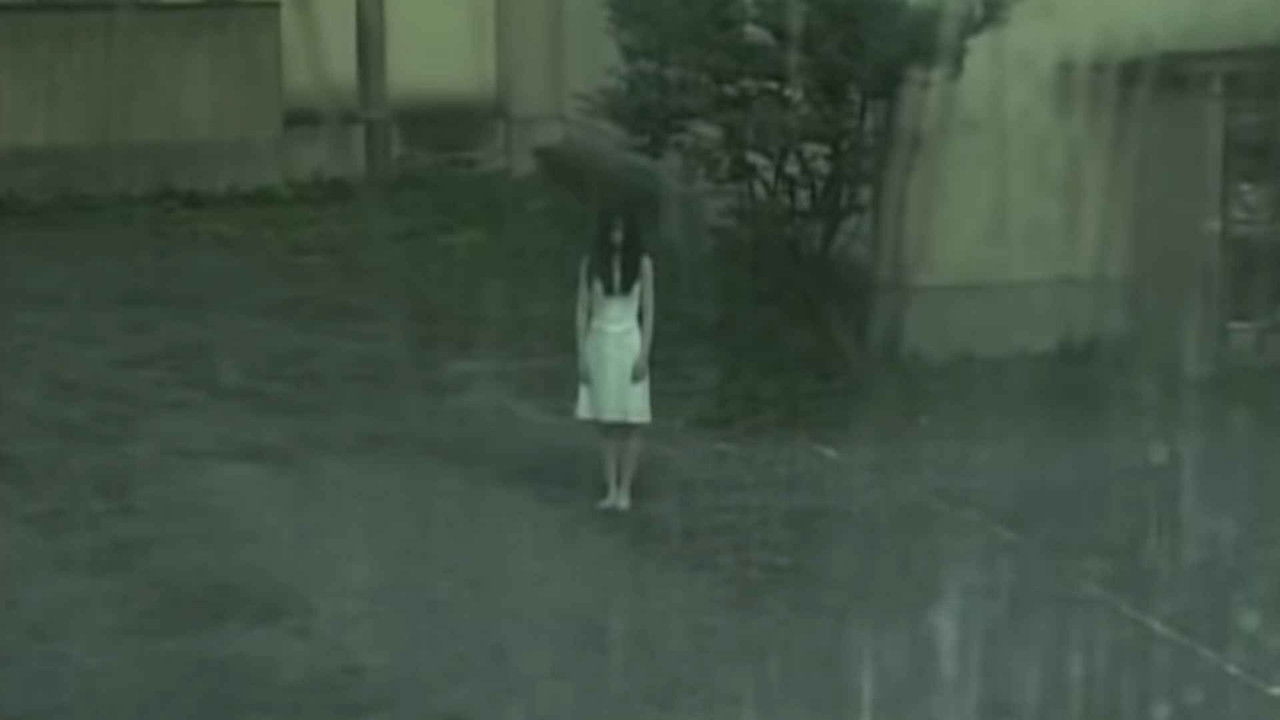
Let’s talk about that sound. Long before it became a horror trope staple, the croaking death rattle emanating from Kayako (Takako Fuji, embodying spectral vengeance with chilling physicality) felt genuinely unique and terrifying. It wasn't just a sound effect; it was a violation – something caught in the throat, unnatural and agonising. Coupled with the wide-eyed, pale form of Toshio (Ryôta Koyama), often accompanied by his ghostly cat Mar, the film conjures its scares not through elaborate effects, but through simple, primal imagery and unnerving sound design. Shimizu understood that the glimpse of something wrong in the periphery, the sound you can’t quite place, lingers far longer than any jump scare. Legend has it that Takako Fuji developed her signature croak through experimentation, trying to capture the sound of someone dying with their throat constricted – a detail that makes its in-film effect even more visceral.
### V-Cinema Grit, Primal Fear
Born from Japan's V-Cinema (direct-to-video) market, Ju-On: The Curse 2 possesses a raw, unfiltered quality often lost in its glossier successors. The budget was minuscule, forcing Shimizu and his team towards ingenuity over spectacle. The lighting is often stark, the sets mundane – which makes the intrusion of the supernatural all the more jarring. There’s no polished Hollywood sheen here; it feels immediate, almost documentary-like in its depiction of suburban horror. This wasn't filmed on elaborate soundstages; the crew utilized real locations, lending an unsettling authenticity to the cursed house. That very realness, that sense of 'this could be down the street', amplified the fear for viewers discovering it back then. This wasn't just a movie; it felt like evidence.
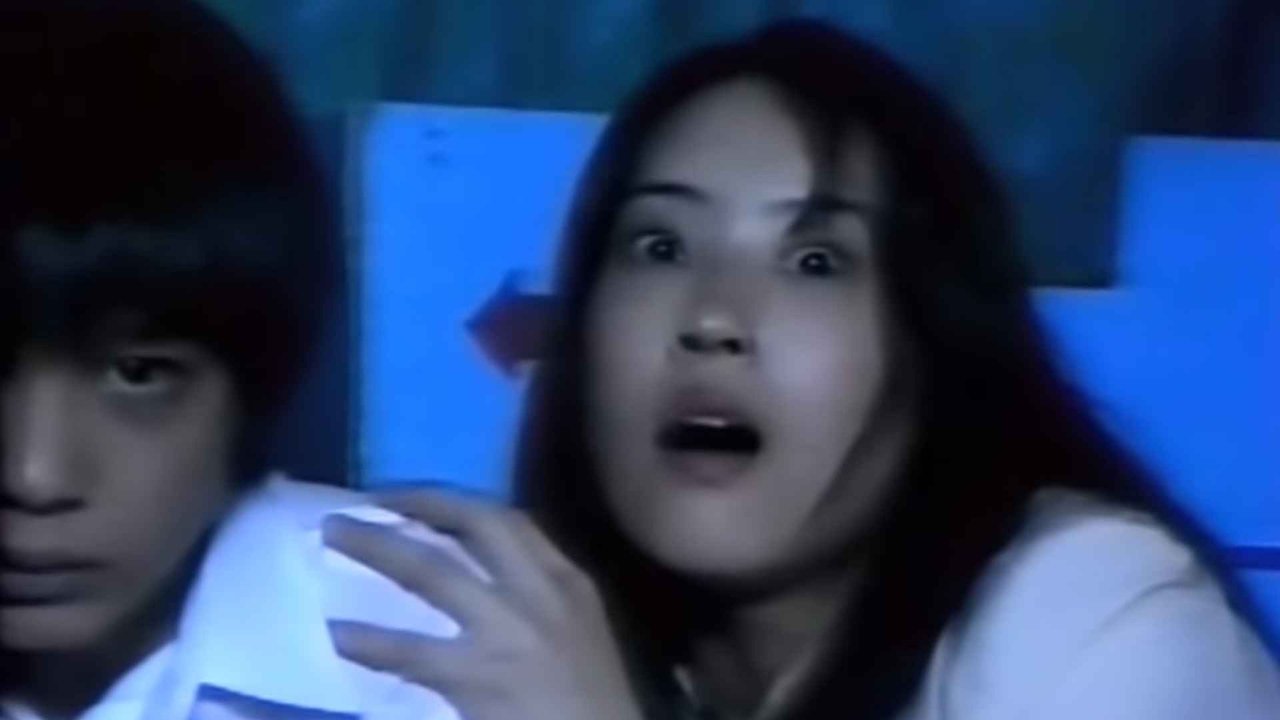
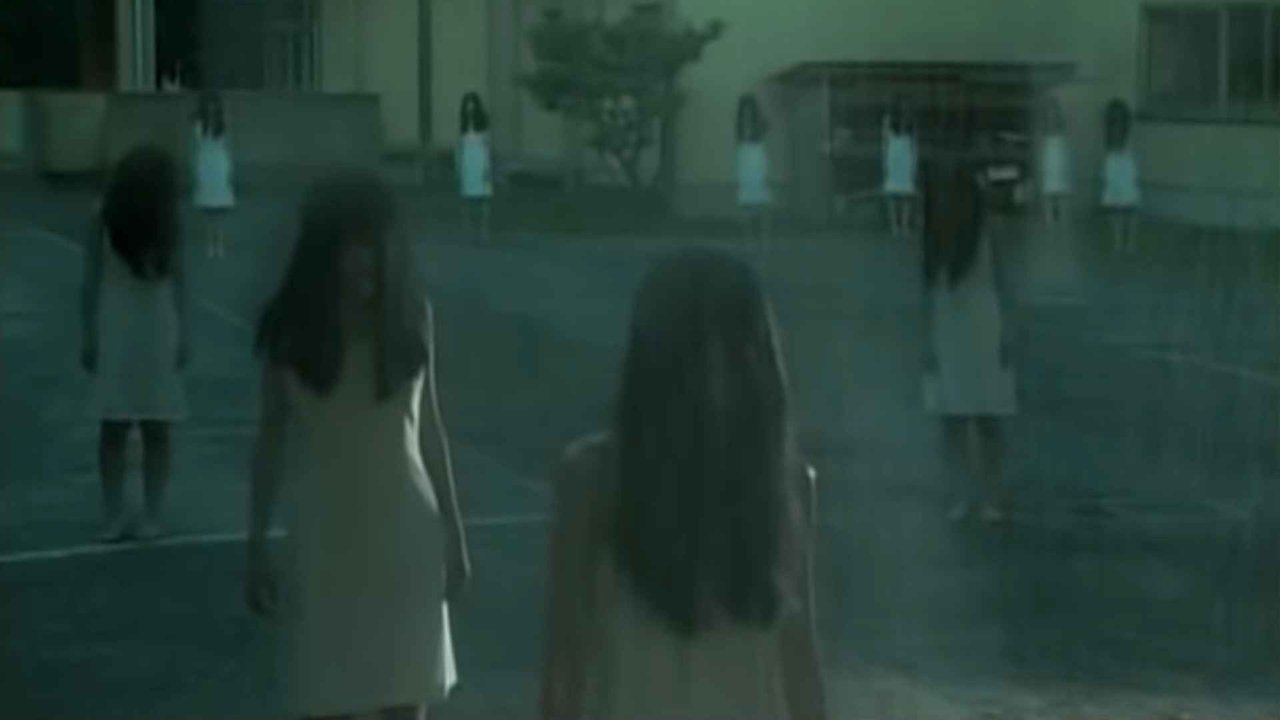
The success of these two initial V-Cinema entries, released for around ¥10 million (roughly $90,000 USD at the time) combined, was astonishing. They tapped into a growing hunger for a different kind of horror, paving the way for Shimizu to revisit the mythology with a larger budget in the theatrical Ju-On: The Grudge (2002) and its sequel, eventually leading to the Sam Raimi-produced American remake starring Sarah Michelle Gellar in 2004. But there's an undeniable power in these original, rougher versions – a rawness that feels closer to the source of the nightmare.
### Lingering Chill
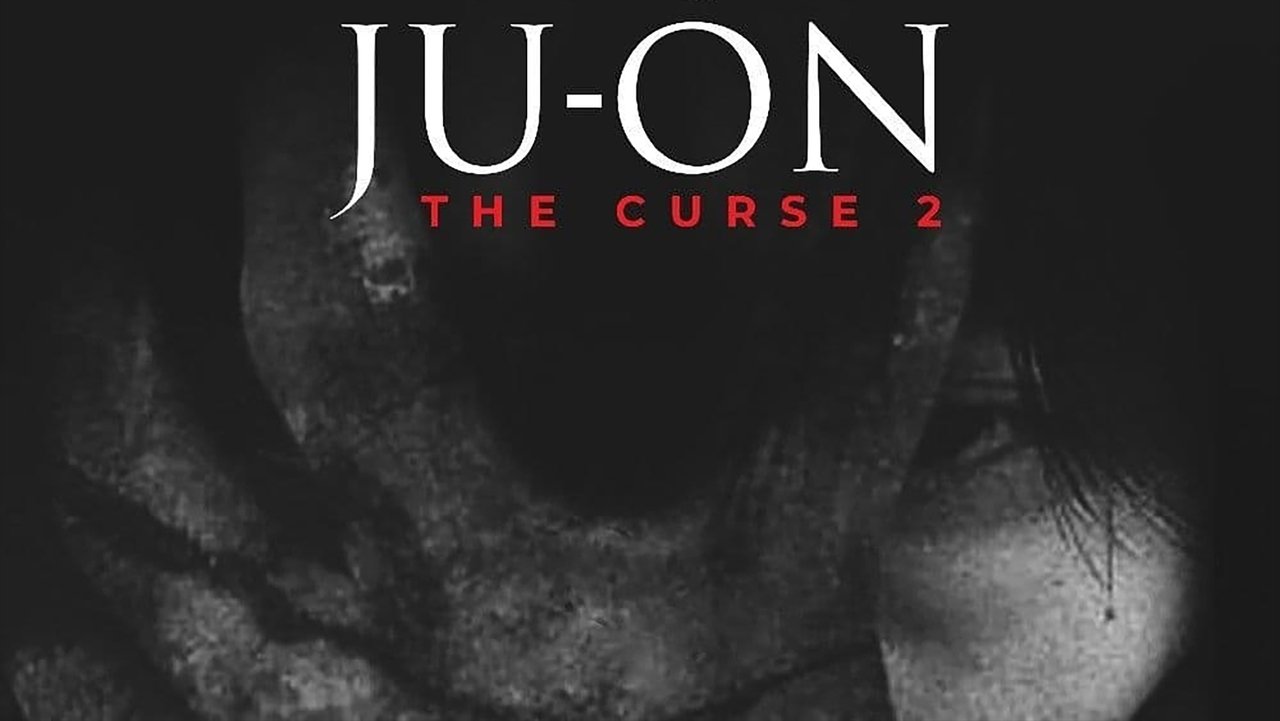
Does Ju-On: The Curse 2 still hold up? Absolutely, though perhaps differently. The non-linear structure might frustrate some modern viewers accustomed to more conventional narratives. Some scares rely on suggestion that later iterations made explicit. Yet, its power lies in its atmosphere and its uncompromising vision of a curse as an unstoppable force. It doesn't offer explanations or catharsis, only contamination. Watching it again now, that grainy, low-budget aesthetic feels less like a limitation and more like a deliberate choice, enhancing the feeling of watching something forbidden, something unearthed. It perfectly captures that specific dread of Japanese horror that felt so fresh and terrifying at the turn of the millennium. Did any particular vignette from this one stick with you more than others? That feeling of dread spreading, even beyond the house itself, was potent.
Rating: 8/10
The score reflects its raw effectiveness, its pivotal role in popularizing J-horror globally, and its enduring ability to unsettle through atmosphere and iconic ghostly imagery. It loses points only for the inherent narrative fragmentation and V-Cinema limitations that might hinder pure accessibility for some, but for fans of the genre, it’s essential. Ju-On: The Curse 2 isn't just a sequel; it's a crucial piece of the mosaic, a chilling reminder that some stains never wash out.