The faint hum of the VCR, the click as the tape slides home... some portals aren't made of arcane symbols, but of magnetic tape and plastic casing. And some games, as the infamous tagline warned us, aren't just games anymore. Witchboard (1986) arrives not with a bang, but with the insidious whisper of a planchette sliding across polished wood, dragging dread along with it. It captures that specific, almost naive 80s belief that messing with the occult, even casually at a party, could genuinely crack open the door to something malevolent waiting on the other side.
### The Seance Begins
The setup is chillingly familiar, almost mundane. Linda Brewster (Tawny Kitaen) playfully uses a Ouija board left behind by her ex-boyfriend, the intense Brandon Sinclair (Stephen Nichols), at a party hosted by her current beau, the skeptical Jim Morar (Todd Allen). She contacts a spirit named David, seemingly the playful ghost of a young boy. But Brandon, sensitive to such things, warns her off – the connection feels wrong, dangerous. Of course, Linda, initially intrigued and later utterly consumed, doesn't listen. Does anyone ever listen in these stories until it’s far too late? Witchboard excels in portraying this gradual slide, the way fascination curdles into obsession, then into something far more terrifying as 'David's' influence grows.
### Descent into Darkness
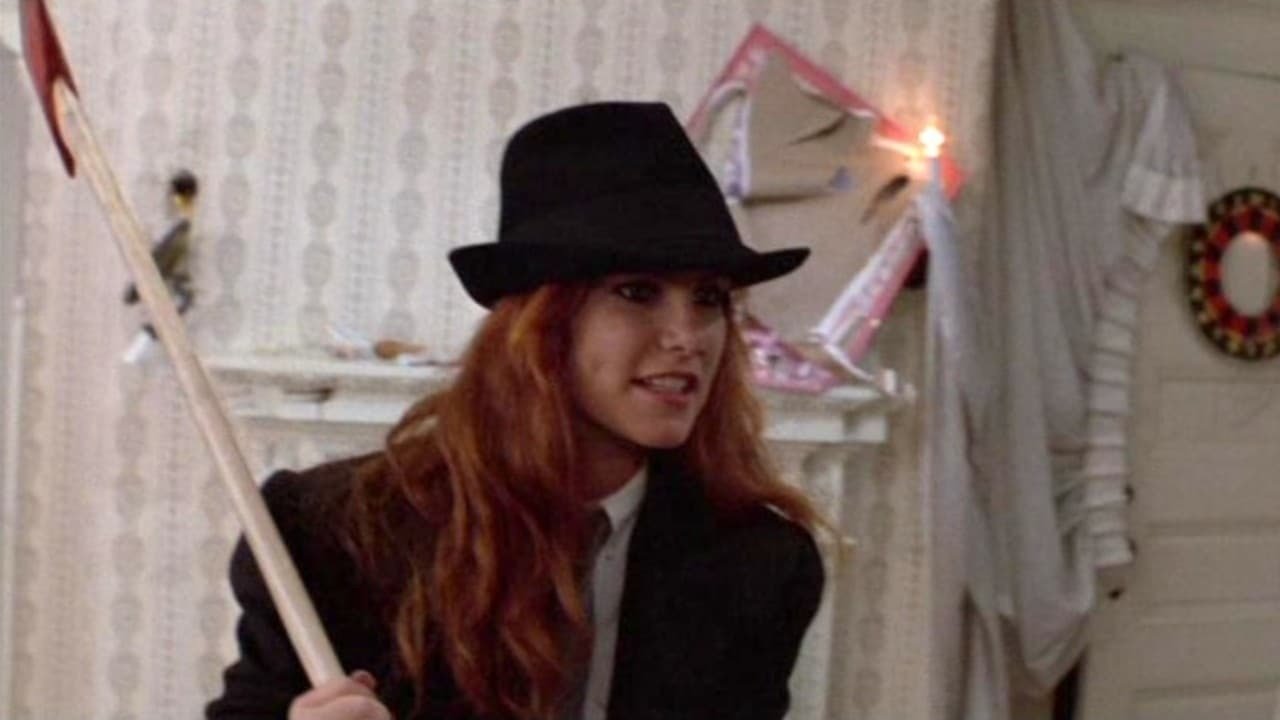
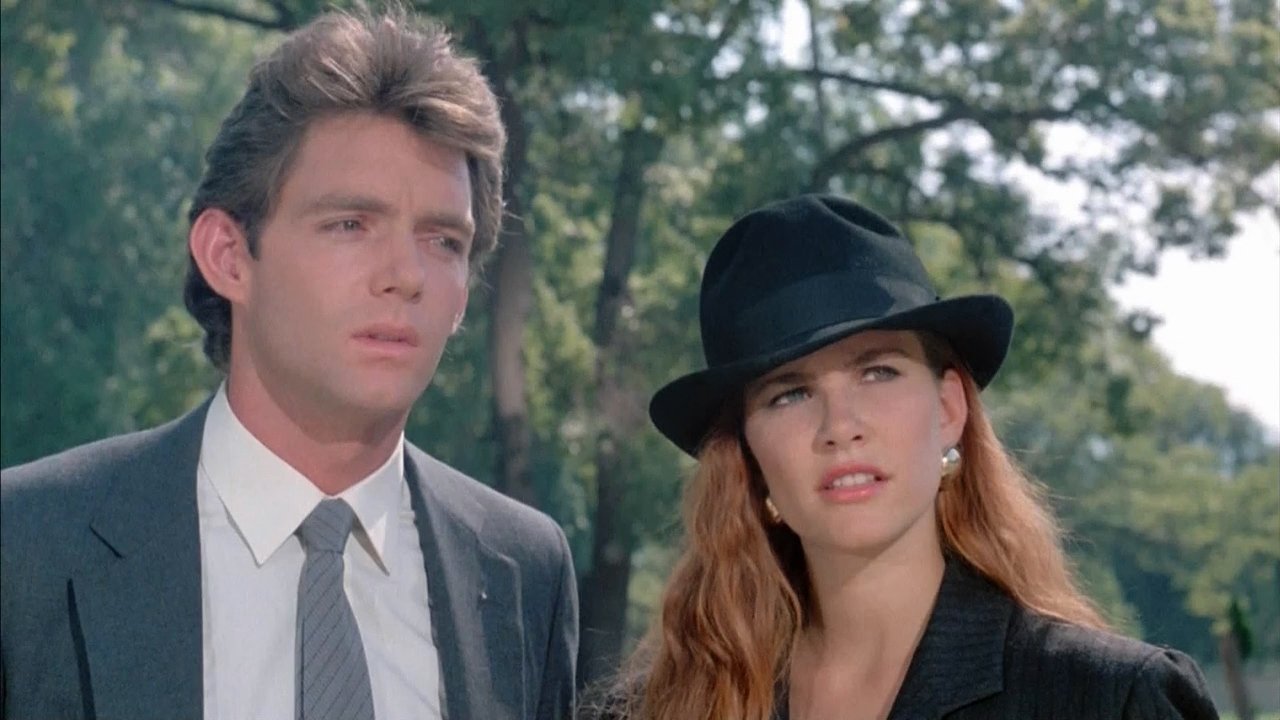
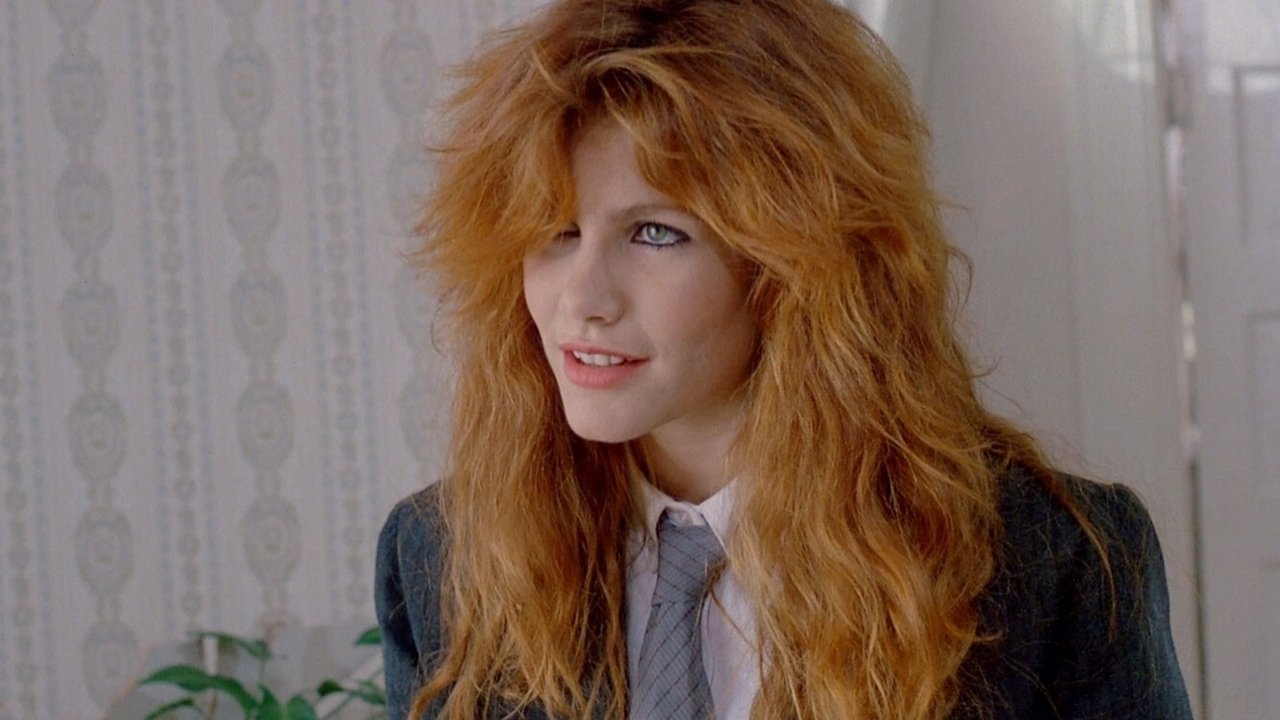
Much of the film's effectiveness rests on Tawny Kitaen's shoulders. Fresh off becoming an MTV icon gyrating on Whitesnake's Jaguars, she brings a compelling vulnerability to Linda. You watch her initial curiosity morph into dependency on the board, her personality shifting, her grip on reality loosening. It’s a performance that grounds the supernatural events; her fear feels genuine, her isolation palpable as the spirit tightens its hold. Director Kevin Tenney, making his feature debut here (before gifting us the demonic delights of Night of the Demons two years later), reportedly cast Kitaen specifically for that approachable quality, making her eventual peril feel more impactful. Opposite her, Stephen Nichols (a familiar face to daytime TV fans as Patch on Days of Our Lives) brings a brooding intensity as the former flame who understands the true danger, while Todd Allen embodies the concerned, increasingly desperate rationalist trying to pull Linda back from the brink. Their triangle adds a layer of human drama that elevates Witchboard beyond simple spookhouse fare.
### Whispers Through the Walls
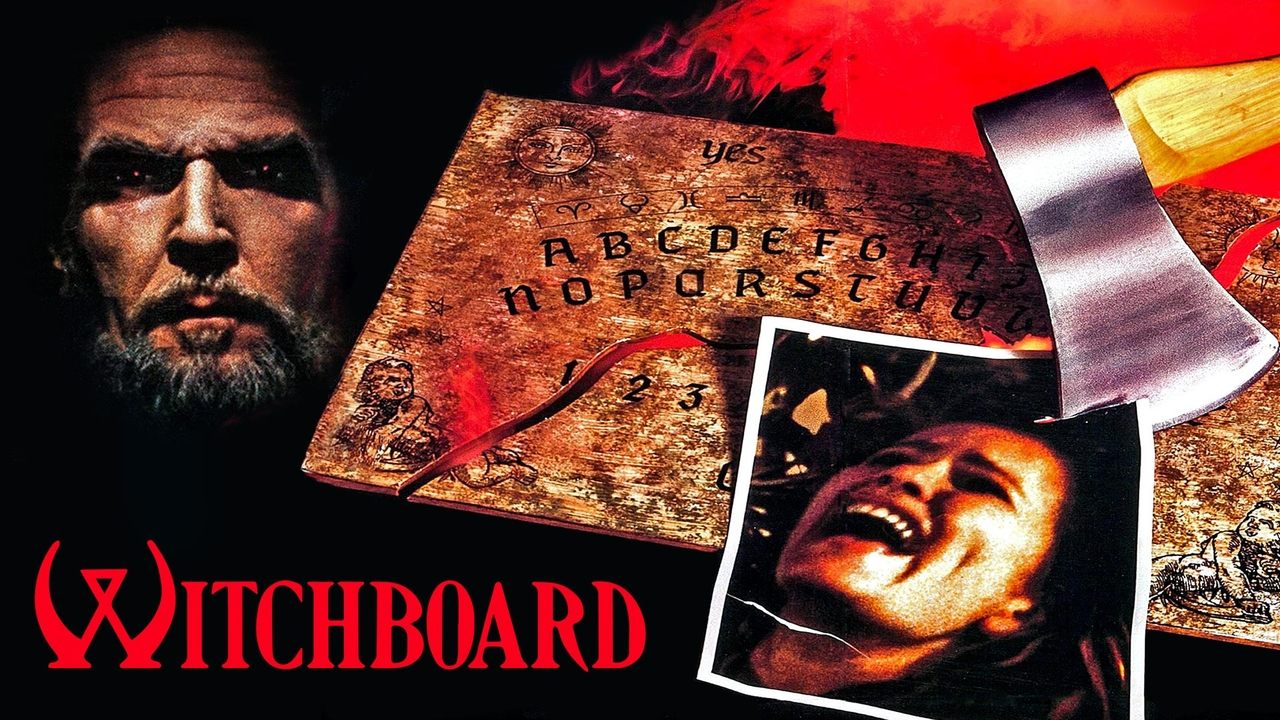
Working with a relatively modest $2 million budget, Kevin Tenney wisely leans into atmosphere over expensive, elaborate effects, at least initially. The film cultivates a slow-burn dread. Much of the early haunting is subtle – objects moving slightly, eerie whispers caught on tape, that growing sense of presence within Linda and Jim's apartment. Tenney understood something crucial: the idea of the Ouija board working, of that direct line to something else, is inherently creepy. He mentioned wanting to make a film where the board was presented as genuinely functional, tapping into the anxieties surrounding the real Ouija craze. The board itself, slightly altered from the Parker Brothers design likely to avoid legal tangles, looks suitably ominous. When the more overt scares do arrive – the notorious flying axe sequence, for instance – they land with greater impact because of the careful build-up. These practical effects, while perhaps showing their age slightly, retain a certain tangible menace that CGI often lacks. Remember how genuinely startling that axe felt back then?
### Behind the Planchette
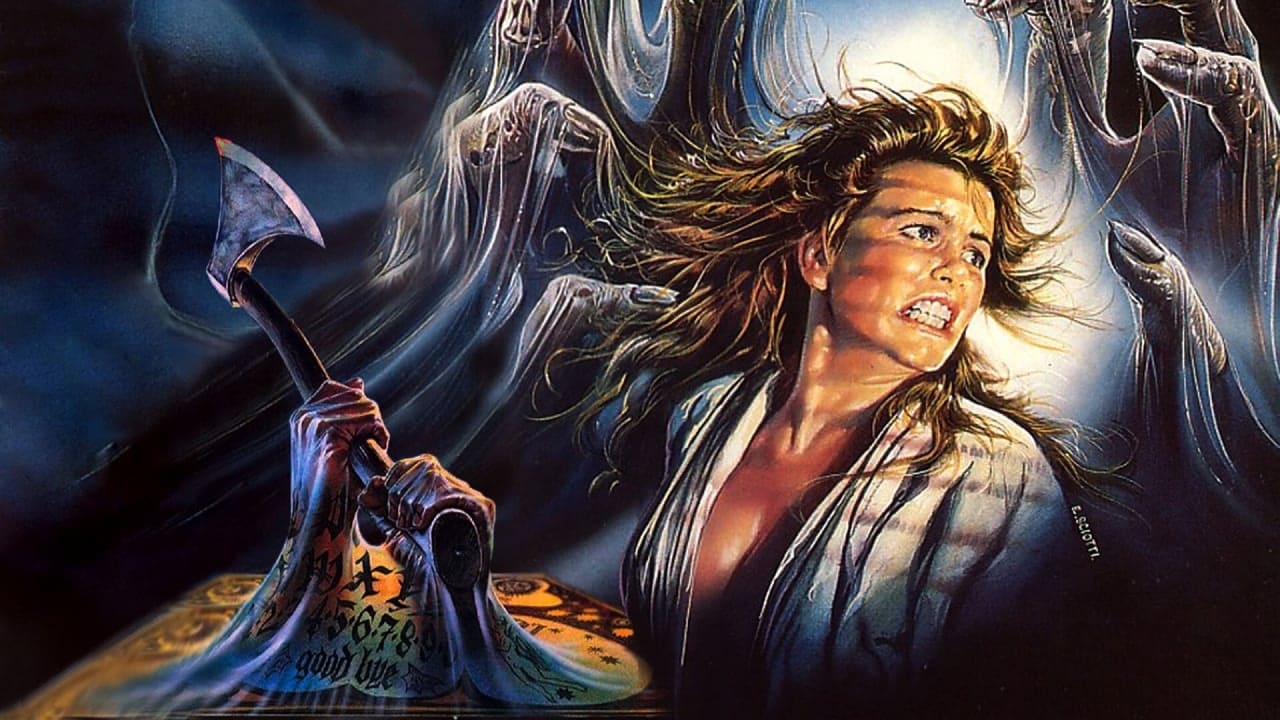
The journey of Witchboard from script to screen is a testament to 80s independent horror grit. Tenney penned the script inspired by spooky Ouija anecdotes from friends. Its $7.4 million box office gross proved a healthy return on investment, cementing its status not just as a theatrical release, but as a true titan of the video rental era. Its distinctive VHS cover art practically beckoned from the horror aisle shelves. I distinctly remember renting this one, drawn in by the promise of supernatural chills, and it delivered that specific kind of unease that lingered after the credits rolled and the TV clicked off. While critical reception was mixed upon release, audiences connected with its blend of relatable characters and mounting supernatural tension, paving the way for Witchboard II: The Devil's Doorway (1993) and Witchboard III: The Possession (1995), keeping Tenney firmly in the director's chair.
### The Final Summons
Witchboard isn't perfect. Some might find its pacing deliberate, especially in the first half, and certain plot points rely on characters making questionable decisions (a horror staple, perhaps). Yet, its strengths lie in its commitment to atmosphere, its grounded performances, and its effective use of the Ouija board as a central conceit, treating it with a seriousness that generates genuine chills. It captures a particular flavour of 80s horror – less overtly gory than some contemporaries, more focused on psychological unraveling and supernatural intrusion into the everyday.
Rating: 7/10
This score reflects the film's undeniable effectiveness in creating a sustained mood of unease and its status as a memorable, well-crafted slice of 80s occult horror. While not a flawless masterpiece, its strong central performances, atmospheric direction, and iconic premise earn it a solid place in the VHS pantheon. It’s a film that understood the creepy power of suggestion and the inherent fear of opening doors that should remain shut – a feeling that still resonates when you recall those late-night viewings, bathed in the glow of the CRT.