That grainy, corrupted footage. A distorted well, static snow, a figure lurching with unnatural gait. Then, silence... shattered by the shrill ring of a telephone. For anyone who experienced Hideo Nakata’s Ring (or Ringu, リング) back in 1998, or caught it on a copied tape passed around with whispered warnings shortly after, that sequence isn’t just movie imagery. It’s a primal trigger, a guaranteed jolt of remembered dread that settles deep in the bones. This wasn't just a horror film; it felt like uncovering forbidden evidence, a cursed object bleeding right out of the screen.
The Whispering Tape
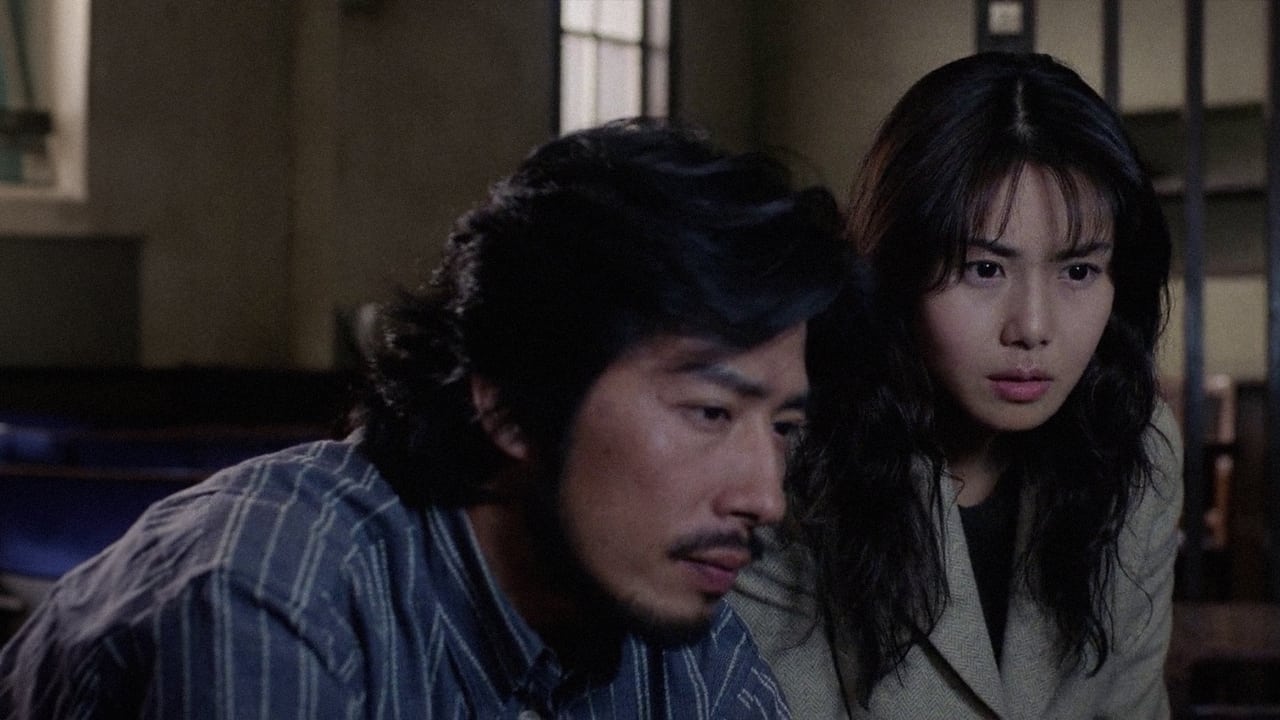
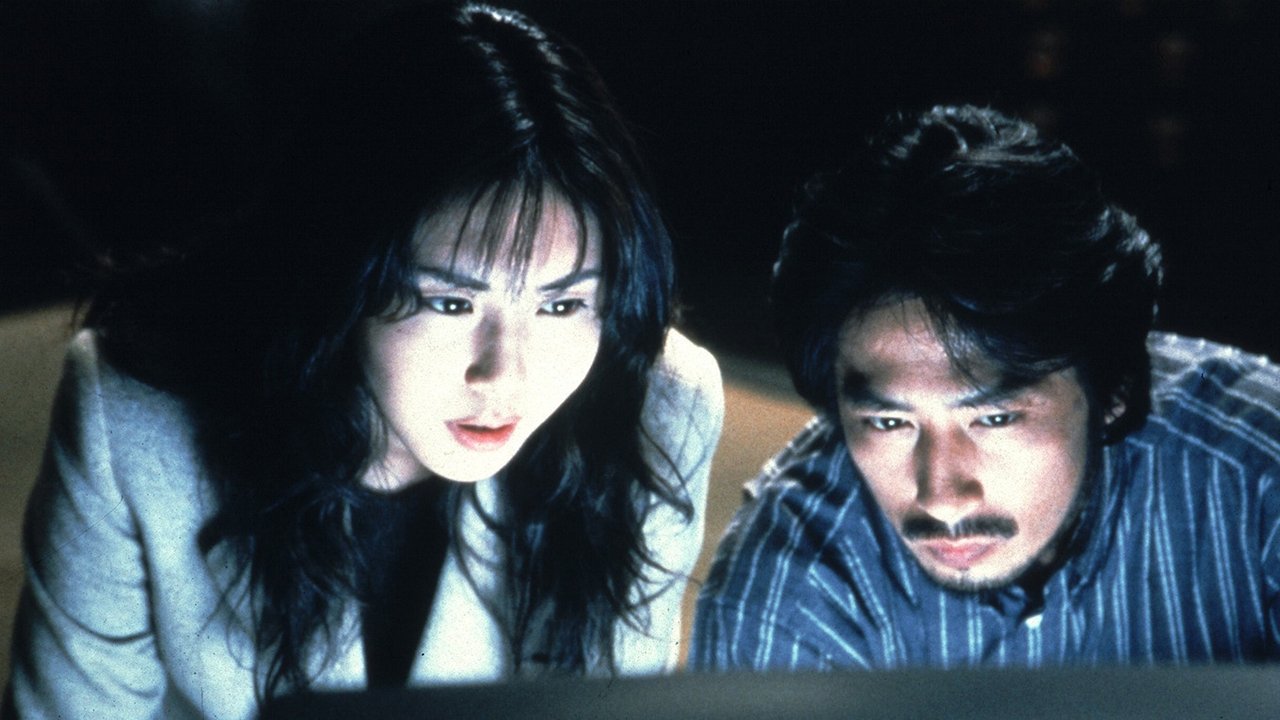
Based on the chilling 1991 novel by Kôji Suzuki, Ring spins a deceptively simple, utterly terrifying urban legend. Journalist Reiko Asakawa (Nanako Matsushima) investigates the mysterious death of her niece, discovering she and her friends died exactly one week after watching a strange videotape at a remote cabin. Driven by morbid curiosity and journalistic instinct, Reiko tracks down the tape and watches it herself. The phone rings. A voice informs her she has seven days. What unfolds is less a frantic race against time and more a suffocating descent into a waterlogged mystery, as Reiko, aided by her estranged, psychic ex-husband Ryūji Takayama (Hiroyuki Sanada, who would later find fame in Hollywood with films like The Last Samurai), tries to unravel the origins of the tape and the vengeful spirit behind it: Sadako Yamamura.
Dread Over Decibels
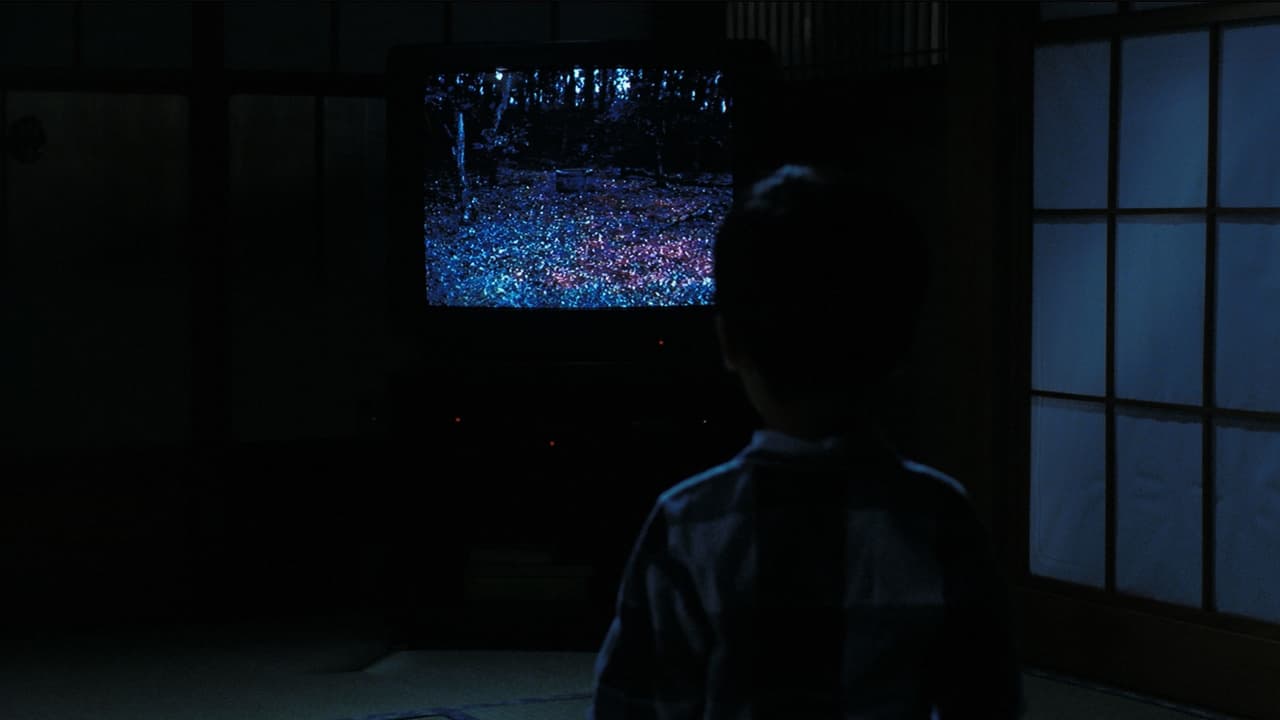
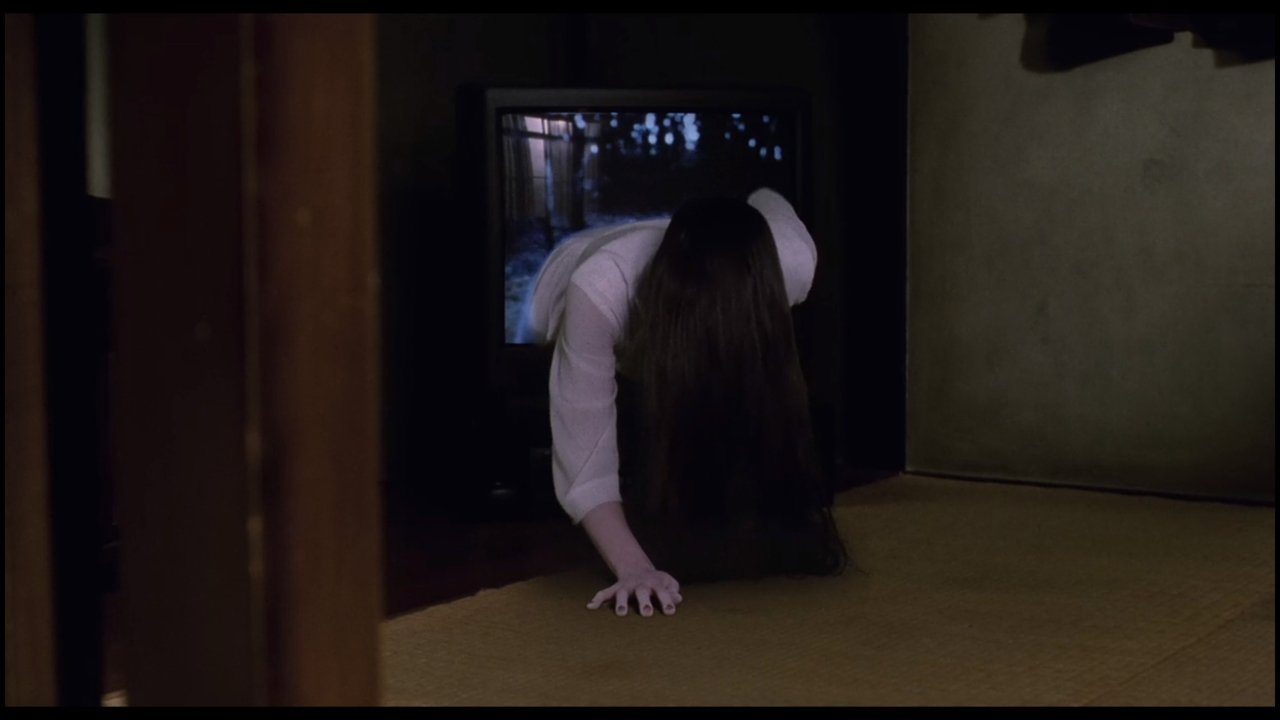
Forget jump scares fueled by orchestral stings. Nakata, working from Hiroshi Takahashi's screenplay, crafts horror from stillness, from implication, from the oppressive weight of the unseen. The film breathes atmosphere. Think of the washed-out colour palette, the constant presence of water (dripping taps, rain-slicked streets, the ominous well), the unsettling emptiness of certain frames. The cursed videotape itself is a masterstroke – a disjointed nightmare montage that feels genuinely disturbing, pieced together with cryptic symbols and flashes of violence that burrow under your skin. Its lo-fi, degraded quality perfectly mimics the worn-out VHS tapes that were still ubiquitous, making the threat feel chillingly tangible in the era. Remember trying to decipher those flickering images yourself, pausing the tape, convinced you saw something hidden in the static?
The sound design is equally crucial. It's not loud, but it's present. The subtle hum of electronics, the scratchy audio of the tape, the distant, echoing cries, and, of course, that phone ring – they all contribute to a pervasive sense of unease. It’s a film that understands silence can be more terrifying than noise.
A Legend Born from Tragedy
At the heart of the terror is Sadako (Rie Inō). Her design – the long black hair obscuring her face, the jerky, unnatural movements – became instantly iconic, influencing countless horror antagonists since. There's a fascinating, almost tragic story behind that movement: Inō, a Kabuki theatre actress, reportedly performed Sadako’s chilling crawl by walking backwards and having the footage reversed, creating that unsettling, non-human quality. It’s a simple practical trick, born partly from the film's modest estimated budget (around $1.2 million USD), yet profoundly effective.
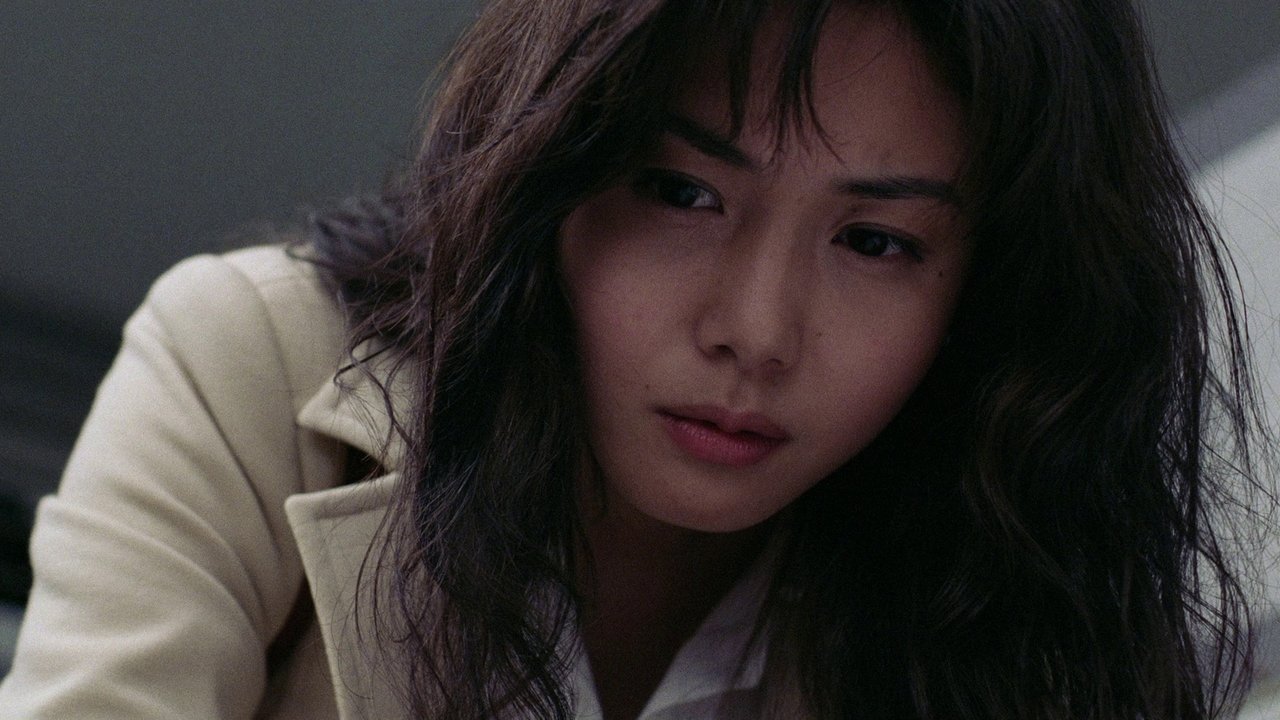
The performances ground the supernatural horror. Nanako Matsushima brings a compelling blend of determination and vulnerability to Reiko, making her investigation feel desperate and relatable. Hiroyuki Sanada provides a fascinating counterpoint as the cynical, detached Ryūji, whose gradual acceptance of the curse adds another layer of dread. Their investigation peels back layers of a sorrowful past involving psychic experiments, betrayal, and murder, adding a melancholic depth often missing from straight slashers. This wasn't just about a monster; it was about lingering trauma made manifest.
The Ripple Effect
It’s hard to overstate Ring's impact. Produced relatively cheaply, it became a colossal hit in Japan, sparking a national phenomenon and kicking off the J-horror boom that would soon wash over Western shores. Its success paved the way for films like Ju-On: The Grudge (2002) and Dark Water (2002), the latter also directed by Nakata. Ring fundamentally shifted the horror landscape, proving that psychological dread, cultural specificity, and slow-burn tension could be just as potent, if not more so, than gore and overt shocks. It led to numerous sequels and prequels in Japan (starting with the simultaneously-released Rasen (1998), though the later Ring 2 (1999) is often considered the more direct sequel) and, of course, the successful 2002 American remake directed by Gore Verbinski.
But did that polished Hollywood version ever truly capture the raw, almost folkloric terror of the original? For many of us who first encountered Sadako via Nakata’s lens, the answer is a definitive no. The original Ring felt less like a movie and more like a contagious nightmare, something you hesitated to share, lest the curse somehow follow.
Rating & Final Reflection
9/10
Ring earns its high score through masterful atmosphere, relentless psychological dread, and iconic horror imagery that remains potent even decades later. Its deliberate pacing builds unbearable tension, the performances are strong, and its influence on the genre is undeniable. While its slow burn might test impatient viewers, the payoff is one of horror cinema's most unforgettable reveals. It perfectly captured the urban legend zeitgeist, transforming the humble videotape into an object of profound terror. Even now, doesn't the thought of that staticky image and the impending phone call send a slight shiver down your spine? That’s the enduring power of Ring – a curse that, once watched, is never truly forgotten.