Some images burrow under your skin not with gore, but with a quiet, pervasive wrongness. Think of a face, impossibly beautiful, yet eliciting not desire, but a primal urge to destroy it. That unsettling contradiction lies at the heart of Tomie, the first unsettling celluloid manifestation of horror manga maestro Junji Ito's most enduring creation, which first slipped onto screens (and likely onto grainy, treasured VHS tapes) in 1998. This isn't a film that lunges from the shadows; it creeps, a slow-burn mystery steeped in a uniquely Japanese dread.
### The Girl Who Wouldn't Stay Dead
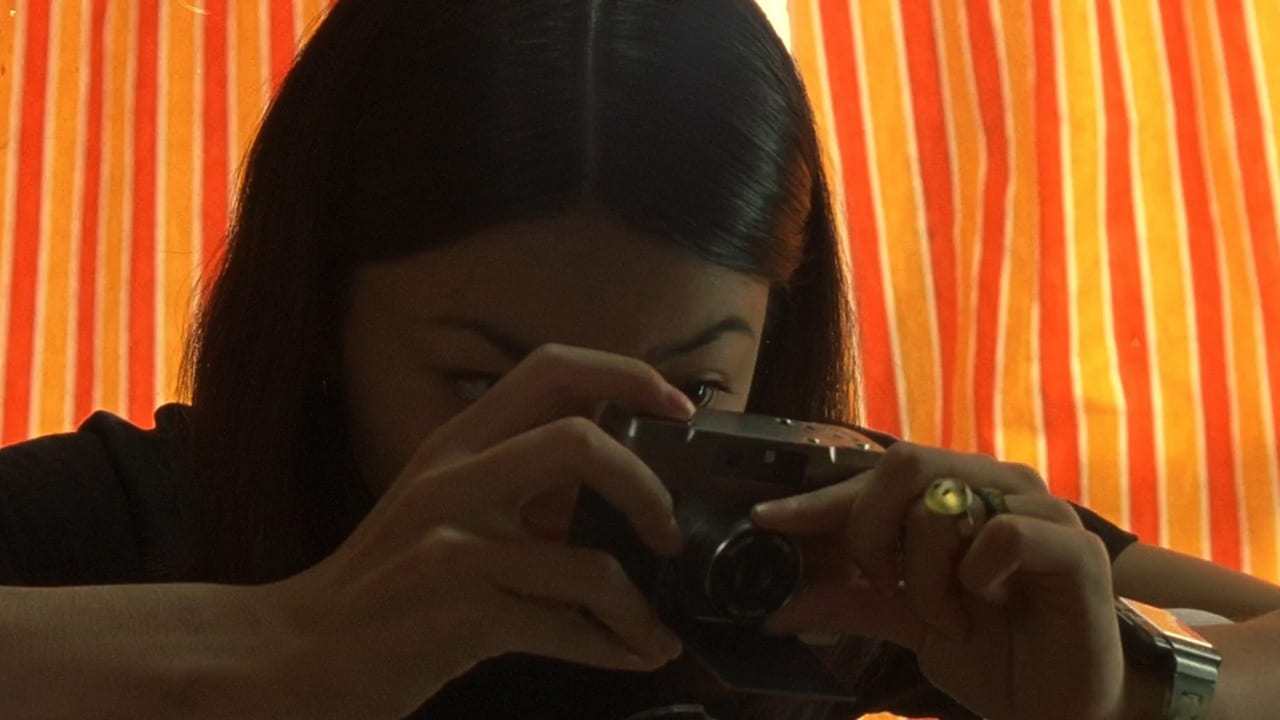
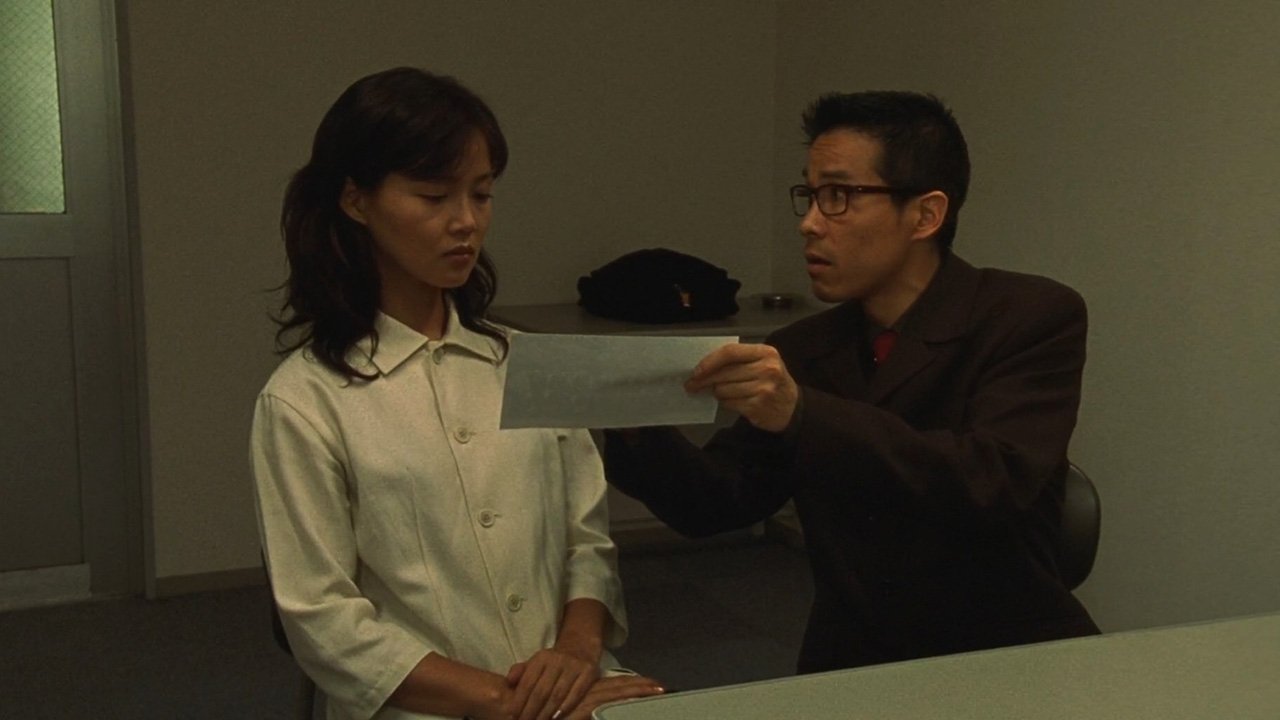
Directed and written by Ataru Oikawa, Tomie introduces us to Tsukiko Izumisawa (Mami Nakamura), a young woman haunted by fragmented nightmares following a traumatic event she can't fully recall. Under hypnosis, flashes emerge: classmates, a remote location, and the murder of the beautiful, enigmatic Tomie Kawakami (Miho Kanno). As Tsukiko tries to piece together her fractured memory, Detective Harada (Tomoro Taguchi, known to cult fans from Tetsuo: The Iron Man) investigates the bizarre crime. But Tomie, it turns out, is not easily disposed of. Her uncanny beauty has a terrifying side effect: it drives men (and sometimes women) to possess her, inevitably leading to violent obsession and her dismemberment... only for her to regenerate, again and again. Doesn't that core concept alone send a shiver down your spine?
### Drenched in Late 90s J-Horror Atmosphere

Forget the frantic pace of many Western horrors of the era. Tomie embraces the slow, deliberate build that became a hallmark of the J-horror wave cresting around the same time (Ringu famously debuted the same year). Ataru Oikawa crafts an atmosphere thick with unspoken tension and psychological decay. The cinematography often feels muted, slightly desaturated, reflecting Tsukiko's own hazy mental state and giving the film that distinct late-90s Japanese V-Cinema look many of us remember from imported or specialty tapes. It opts for mood over overt shocks, letting the sheer unnaturalness of Tomie's existence and the spiraling madness of those around her do the heavy lifting. The mundane settings – apartments, police stations, drab school hallways – become stages for the intrusion of the utterly bizarre, making the horror feel disturbingly grounded.
### Bringing Ito's Nightmare to Life (Sort Of)
Translating Junji Ito's singular visual style – with its intricate body horror, cosmic dread, and often grotesque transformations – is a monumental task, especially on what was likely a modest budget. This first Tomie film wisely doesn't try to replicate the manga's most extreme imagery panel-for-panel. Instead, it focuses on the psychological horror inherent in the premise. The practical effects used to depict Tomie's regeneration are employed somewhat sparingly, hinting at the monstrosity rather than showing it in exhaustive detail. While some might find this restraint disappointing compared to the source material's baroque horrors, it arguably lends the film a more subtle, insidious creepiness. It’s less about visceral disgust and more about the existential terror of an unkillable, corrupting beauty. For trivia hunters, it's worth noting that Junji Ito himself makes a brief cameo appearance – a little nod for the fans who likely sought this film out precisely because of his name.
### The Face of Obsession
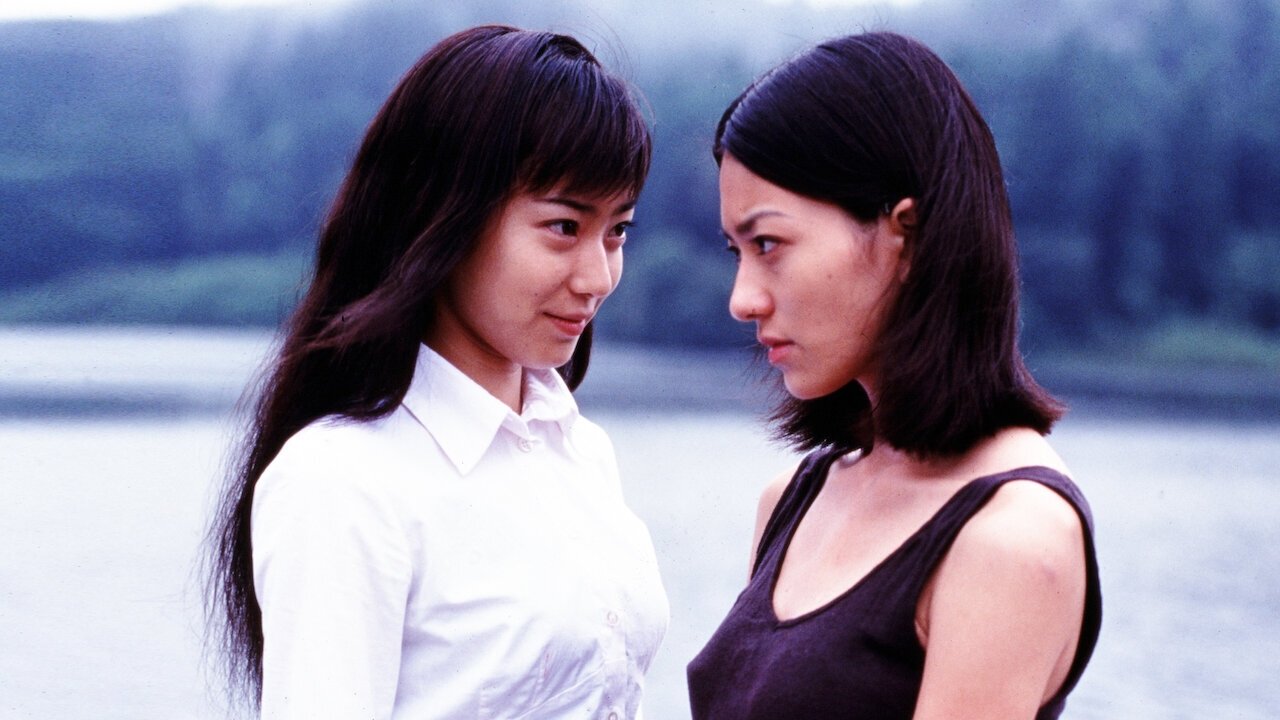
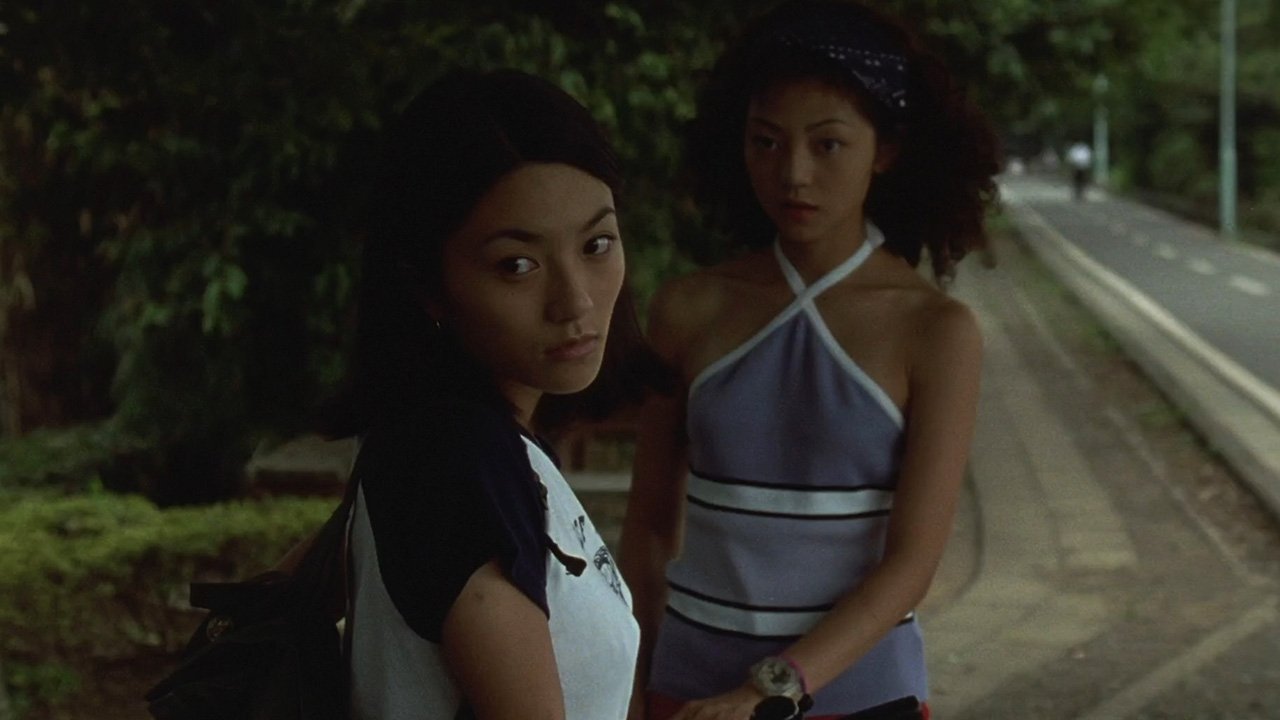
The film hinges significantly on the portrayal of its title character. Miho Kanno delivers a captivating performance, embodying Tomie's duality. She projects an ethereal, almost doll-like beauty, yet there’s a chilling emptiness in her eyes, a predatory stillness beneath the allure. She isn't merely a victim or a monster; she's a catalyst, an unnatural force whose very presence warps reality and inspires self-destruction. Opposite her, Mami Nakamura provides a relatable anchor as Tsukiko, her gradual recovery of memory mirroring the audience's descent into Tomie's horrifying world. The contrast between Tsukiko's vulnerability and Tomie's unsettling power forms the film's emotional core.
### Legacy of the Immortal Beauty
While perhaps overshadowed internationally by Ringu or Ju-On: The Grudge, Tomie was a significant early entry in the late 90s/early 00s J-horror boom and, crucially, the progenitor of a sprawling film franchise (of wildly varying quality, it must be said). It introduced Ito's iconic creation to a new audience and established the core template: the mystery, the obsessive madness, the inevitable regeneration. Did it perfectly capture the manga? Perhaps not. Its pacing can feel sluggish, and those seeking constant scares might be left wanting. But as an atmospheric mood piece, a chilling character study wrapped in a supernatural mystery, it succeeds admirably. It’s the kind of film that lingers, not because of jump scares, but because the idea of Tomie – beautiful, desired, indestructible, and utterly ruinous – is so profoundly disturbing. I distinctly remember the buzz around finding these early J-horror films on tape, the feeling of uncovering something genuinely different and unnerving from across the globe. Tomie was definitely part of that exciting discovery.
***
Rating: 7/10
Justification: Tomie earns a solid 7 for successfully capturing the unsettling atmosphere and core concept of Ito's work, even with budget limitations. Miho Kanno's portrayal is iconic, and the film works effectively as a slow-burn psychological horror mystery. It loses points for its sometimes meandering pace and for not fully embracing the more grotesque visual potential of the source material, but it stands as a vital first adaptation and a creepy, effective slice of late-90s J-horror.
Final Thought: More than just a starting point for a franchise, the original Tomie remains a haunting reminder that sometimes the most terrifying monsters wear the most beautiful faces, leaving a trail of madness and obsession in their wake long after the VCR whirs to a stop.