It begins not with a whisper, but a violation. There’s no slow-burn ghost story preamble, no creaking doors in an empty house signaling playful spirits. The Entity grabs you by the throat from its opening frames, presenting a horror grounded not just in the supernatural, but in the terrifyingly tangible experience of assault, made infinitely more chilling because the attacker remains unseen, unstoppable, and utterly inexplicable. Released in 1982, this film tapped into a primal fear, leaving an imprint far deeper than your average haunted house flick.
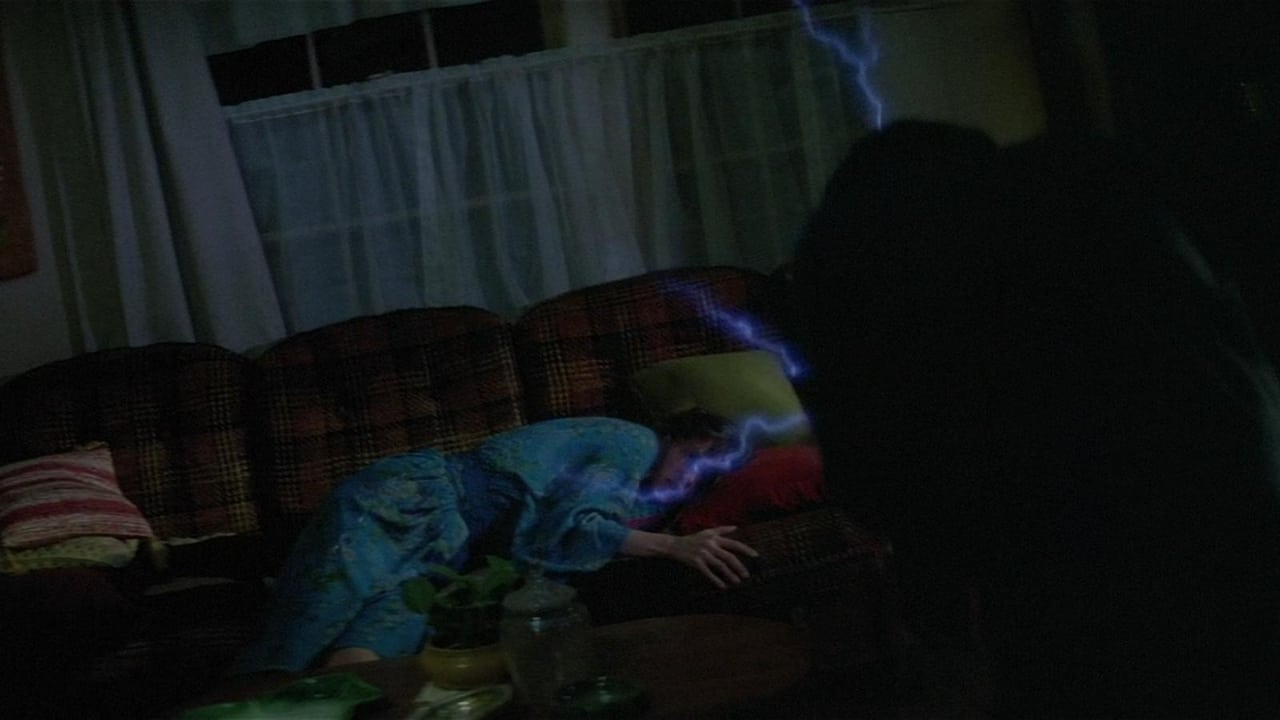
An Unspeakable Invasion
The premise alone is deeply unsettling. Carla Moran, portrayed with raw, devastating conviction by Barbara Hershey, is a single mother trying to build a life for herself and her children in suburban California. Her world is shattered when she is brutally attacked and raped in her own bedroom by an invisible force. The sheer physicality of these initial assaults – the force pinning her down, the palpable pressure – is rendered with horrifying effectiveness. Director Sidney J. Furie, perhaps better known for thrillers like The Ipcress File (1965) or even the later flyboy antics of Iron Eagle (1986), brings a stark, almost clinical intensity to these sequences, refusing to shy away from the violation while focusing squarely on Carla's terror and disbelief. Hershey, who reportedly found the role immensely taxing (she had replaced Piper Laurie shortly before filming), anchors the film with a performance that feels utterly authentic in its portrayal of trauma, confusion, and eventual defiant anger. You believe her, even when the events seem impossible.
Belief on Trial
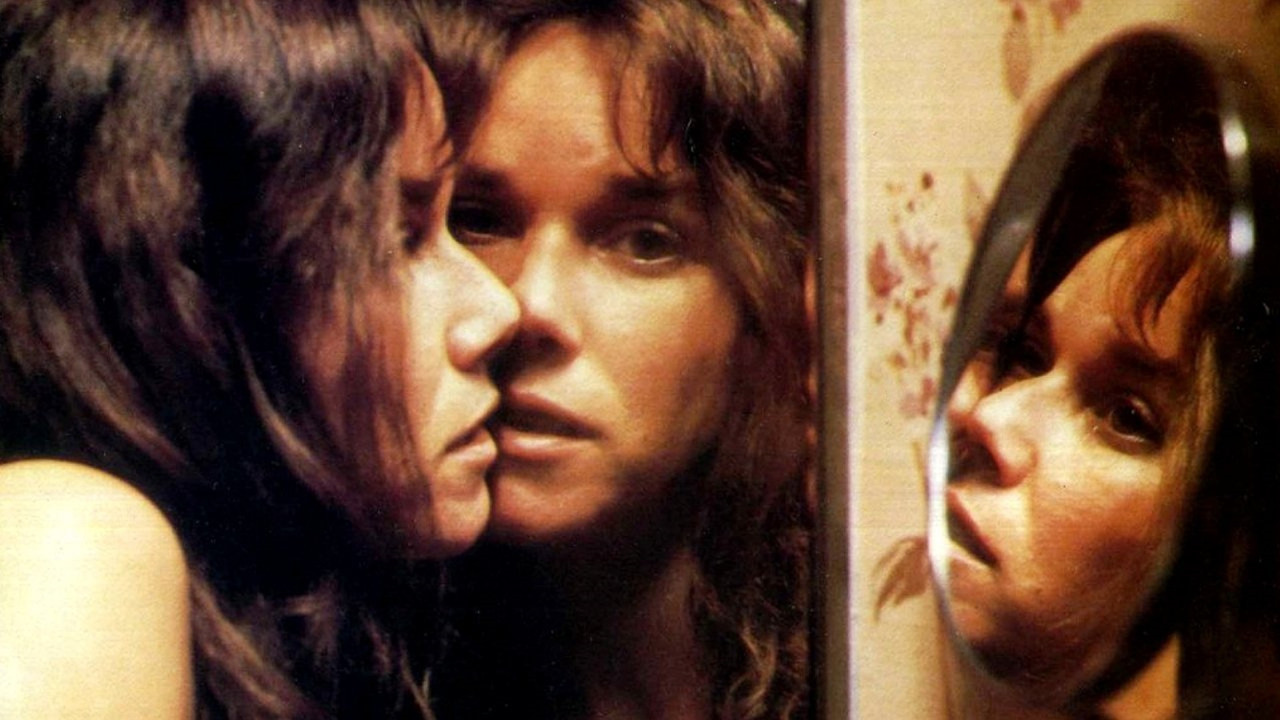
Naturally, Carla’s claims are met with skepticism. Enter Dr. Sneiderman (Ron Silver), a psychiatrist convinced her experiences are manifestations of deep-seated psychological issues, perhaps stemming from past abuse. Silver plays the well-meaning but ultimately dismissive voice of conventional science perfectly. His attempts to rationalize the irrational only heighten Carla's isolation. It’s a classic horror trope – the victim nobody believes – but The Entity weaponizes it. Carla isn't just fighting a spectral assailant; she's battling a system that refuses to acknowledge the reality of her nightmare. This struggle adds a layer of grounded frustration to the supernatural horror. Doesn't that feeling of being disbelieved, even by those meant to help, resonate with a particular kind of dread?
The film finds a counterpoint in a team of university parapsychologists, led by the earnest Dr. Cooley (David Labiosa). They approach Carla's case with open minds, armed with electromagnetic field detectors and high-speed cameras, representing the fringe science willing to entertain the impossible. This shift introduces a different kind of tension – the desperate hope that technology might somehow contain or explain the inexplicable.
Making the Invisible Felt
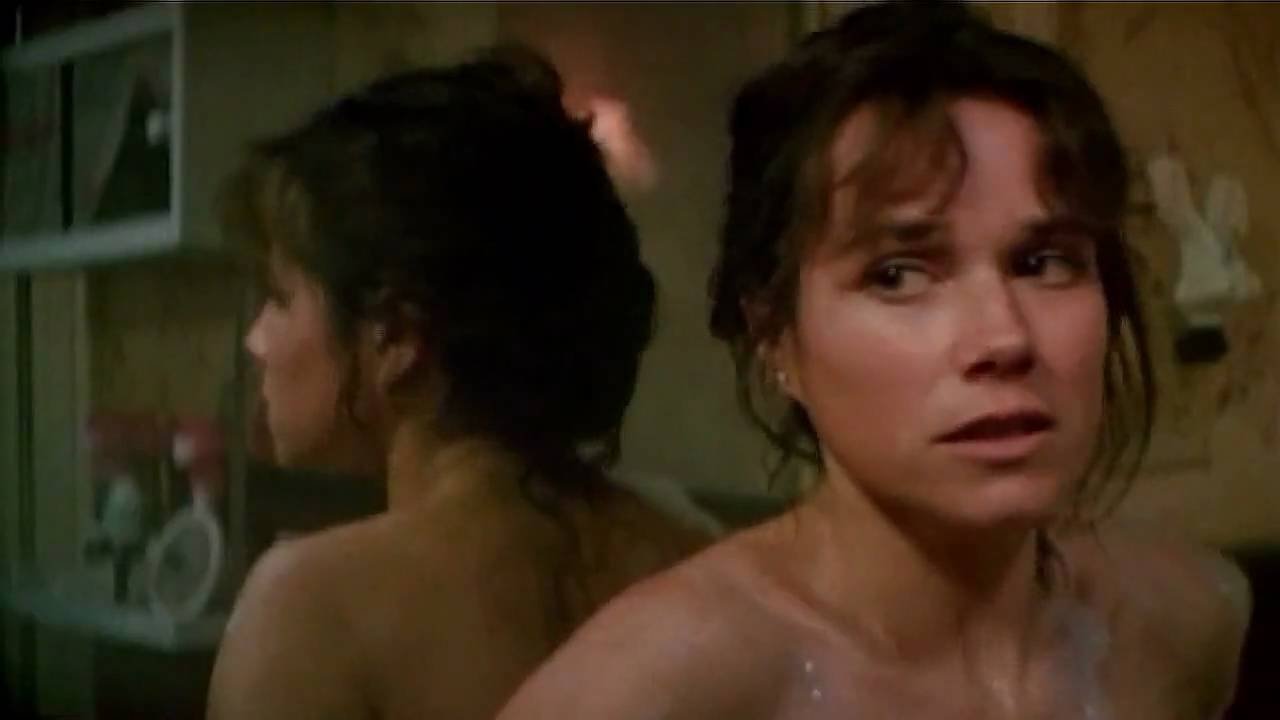
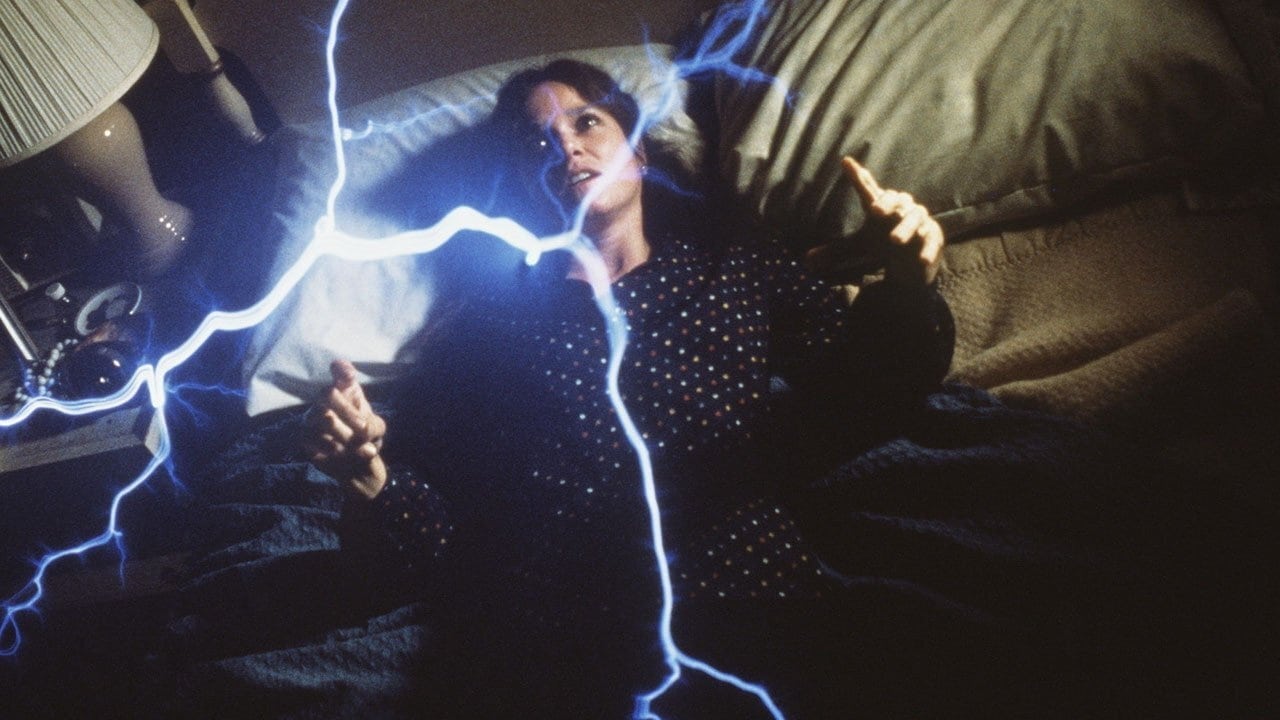
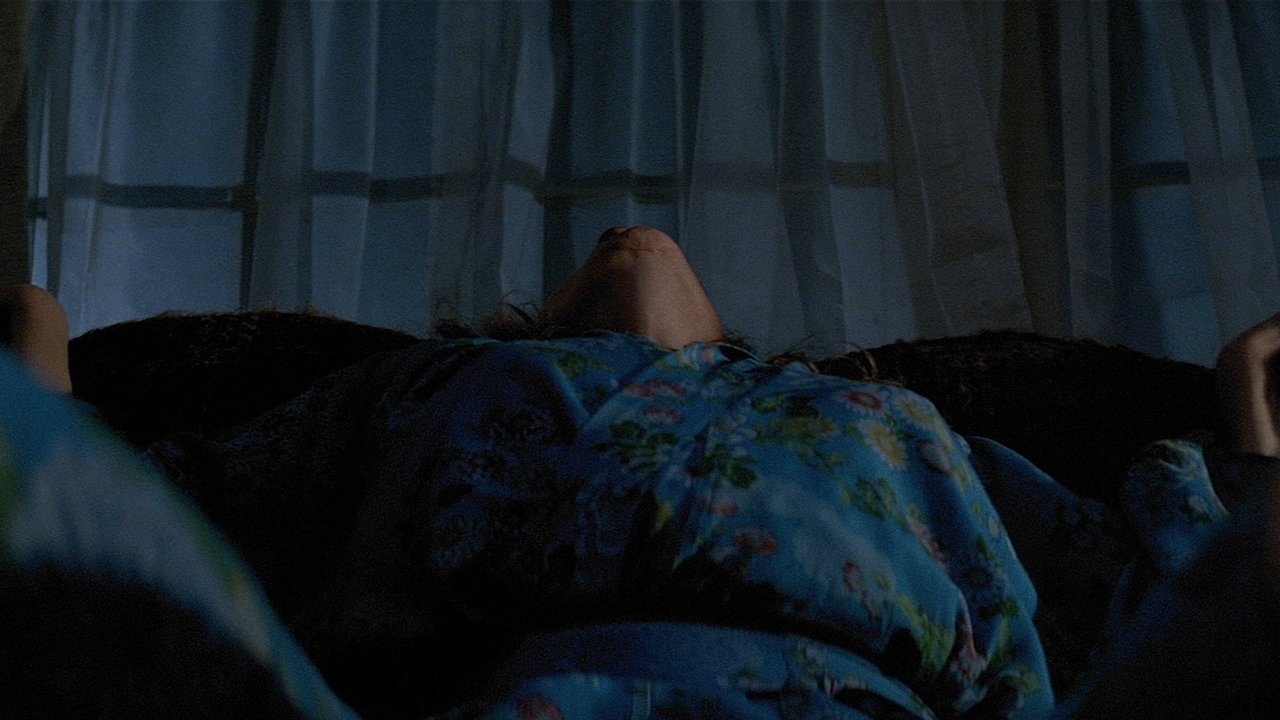
Where The Entity truly excels, especially for its time, is in its depiction of the unseen force. Long before CGI made such things commonplace, the film relied on ingenious practical effects and sound design. The early scenes use suggestion brilliantly – the deep indentations appearing on the mattress, objects flying across the room. You feel the weight and presence of the entity before you ever see anything concrete. Charles Bernstein's score is a character in itself, employing jarring electronic pulses and deep, resonant thrums that seem to emanate from the very walls, amplifying the dread. I distinctly remember watching this on a flickering CRT, the bass notes vibrating through the room, making the invisible feel terrifyingly real.
The practical effects team famously used plaster casts of Barbara Hershey's body to create those disturbing impressions on the bed, a simple but incredibly effective technique. Later, as the parapsychologists attempt to study and contain the force, the effects become more elaborate, culminating in a visually striking climax involving liquid helium and a desperate attempt to freeze the spectral attacker. While some of the later, more physical manifestations might look a touch dated now, they possess a tactile quality that digital effects often lack. Remember how mind-blowing those physical impacts felt back then?
Whispers of Truth?
Adding another layer of unease is the film's claim to be "Based on a True Story." Writer Frank De Felitta adapted his own novel, which was itself inspired by his research into the alleged case of Doris Bither, a Culver City woman who claimed similar experiences in the mid-70s. Parapsychologists Kerry Gaynor and Barry Taff, who investigated Bither's claims, served as technical advisors on the film, lending a veneer of disturbing authenticity. While the veracity of the original case remains debated, knowing the story drew from purported real-life events undoubtedly amplified the chill for audiences grabbing this tape from the horror aisle back in the day. De Felitta himself reportedly spent time interviewing Bither, adding a chilling layer to the narrative's creation.
It's fascinating how The Entity landed the same year as Poltergeist (1982). Both dealt with suburban hauntings, but where Spielberg and Hooper offered moments of awe and wonder amidst the scares, The Entity remained relentlessly bleak, focusing on violation and trauma without relief. Its uncompromising nature led to mixed reviews initially, with some critics finding it exploitative, but it struck a chord with horror fans seeking something genuinely disturbing, earning its cult status over the years.
The Verdict
The Entity is not an easy watch. It's a harrowing, intense experience anchored by a fearless central performance and a premise that taps into profound anxieties about violation, belief, and the terrifying unknown. Its practical effects remain impressive in their physicality, and the atmosphere of dread is potent. While some might find the pacing occasionally uneven or the scientific jargon a bit thick in the latter half, its power to genuinely disturb is undeniable. It’s a film that confronts its dark subject matter head-on, leaving the viewer shaken rather than thrilled.
Rating: 8/10
This score reflects the film's powerful and committed central performance from Barbara Hershey, its effective build-up of dread through practical effects and sound design, and its sheer, uncomfortable audacity. It loses a couple of points for pacing issues in the third act and effects that, while impressive for the time, occasionally show their age. Still, The Entity remains a standout supernatural horror film from the VHS era, a chilling reminder that sometimes the most terrifying monsters are the ones we can't see, but can definitely feel. It stays with you, a cold spot on the soul long after the tape stops rolling.