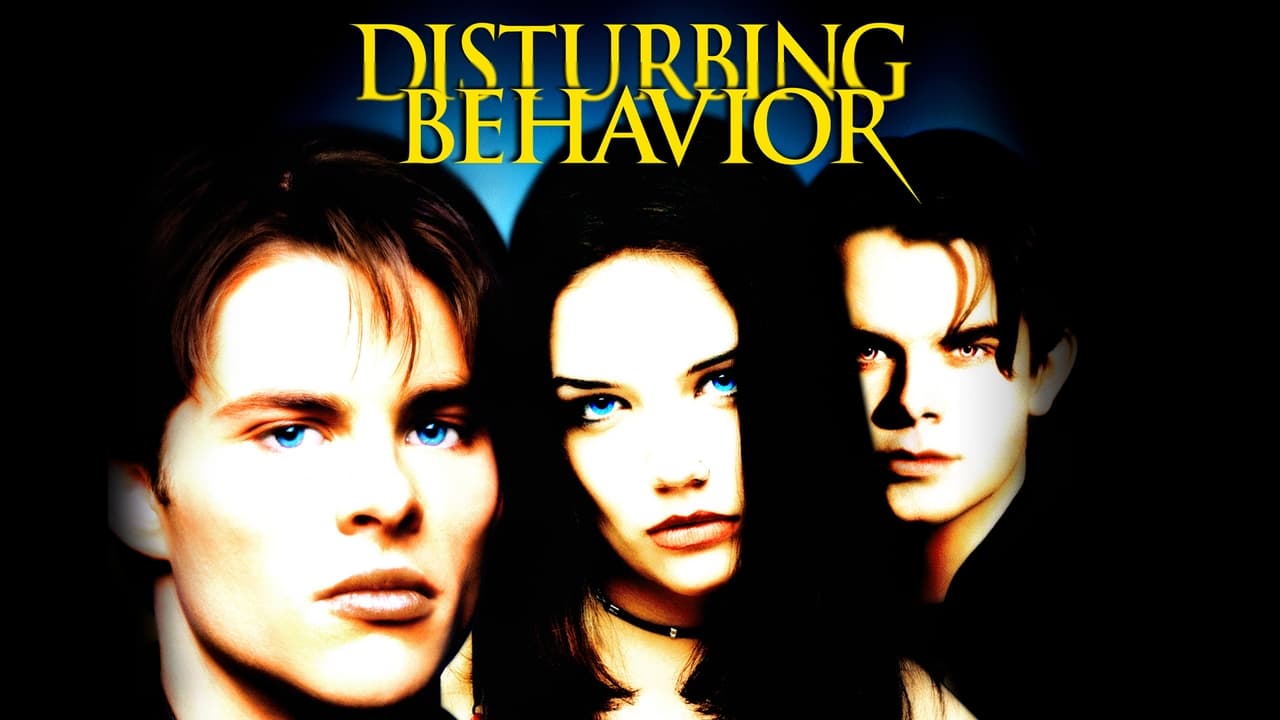
The static hiss of the VCR kicking in, the whirring of the tape heads engaging… sometimes, the anticipation was almost as potent as the movie itself. And nestled among the familiar slashers and creature features on the rental store shelf in '98, you might have stumbled upon a box promising something a little different, a little more insidious. Disturbing Behavior arrived bearing the scars of a troubled birth, a film reportedly reshaped by studio hands, yet what remains is a potent slice of late-90s paranoia, drenched in Pacific Northwest rain and teenage angst. It whispers of conformity gone rotten, tapping into that primal fear that the smiling faces around you might hide something monstrous.
### Welcome to Cradle Bay
From its opening moments, the film wraps you in the damp, oppressive atmosphere of Cradle Bay, Washington (though sharp-eyed viewers will recognize the familiar rainy landscapes of British Columbia, Canada, a frequent stand-in). New kid Steve Clark (James Marsden, bringing that earnest charm he’d perfect later) arrives after a family tragedy, looking for a fresh start, only to find this idyllic small town feels… wrong. The air hangs heavy, not just with moisture, but with unspoken tension. Director David Nutter, a veteran of crafting moody television like The X-Files (a connection solidified by composer Mark Snow’s unnervingly familiar score), excels at establishing this pervasive sense of unease. The town looks normal, perhaps too normal, especially its eerily perfect teenagers – the "Blue Ribbons."
### The Stepford Teens
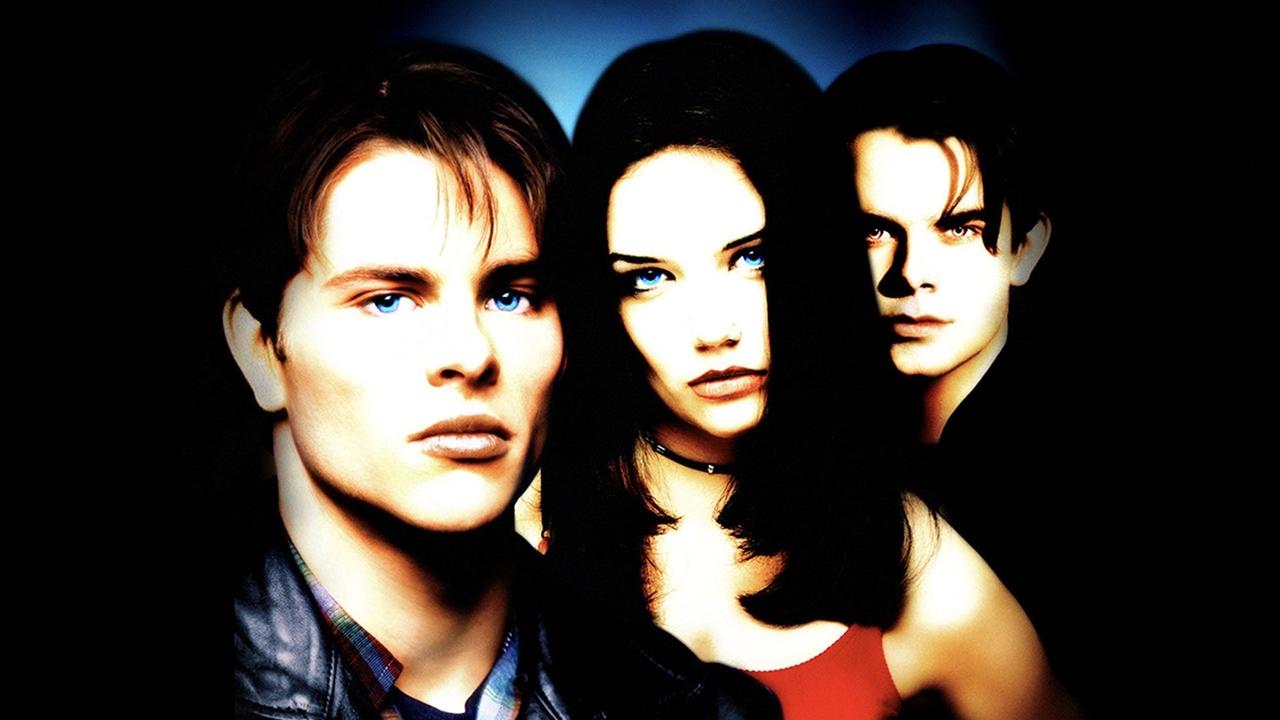
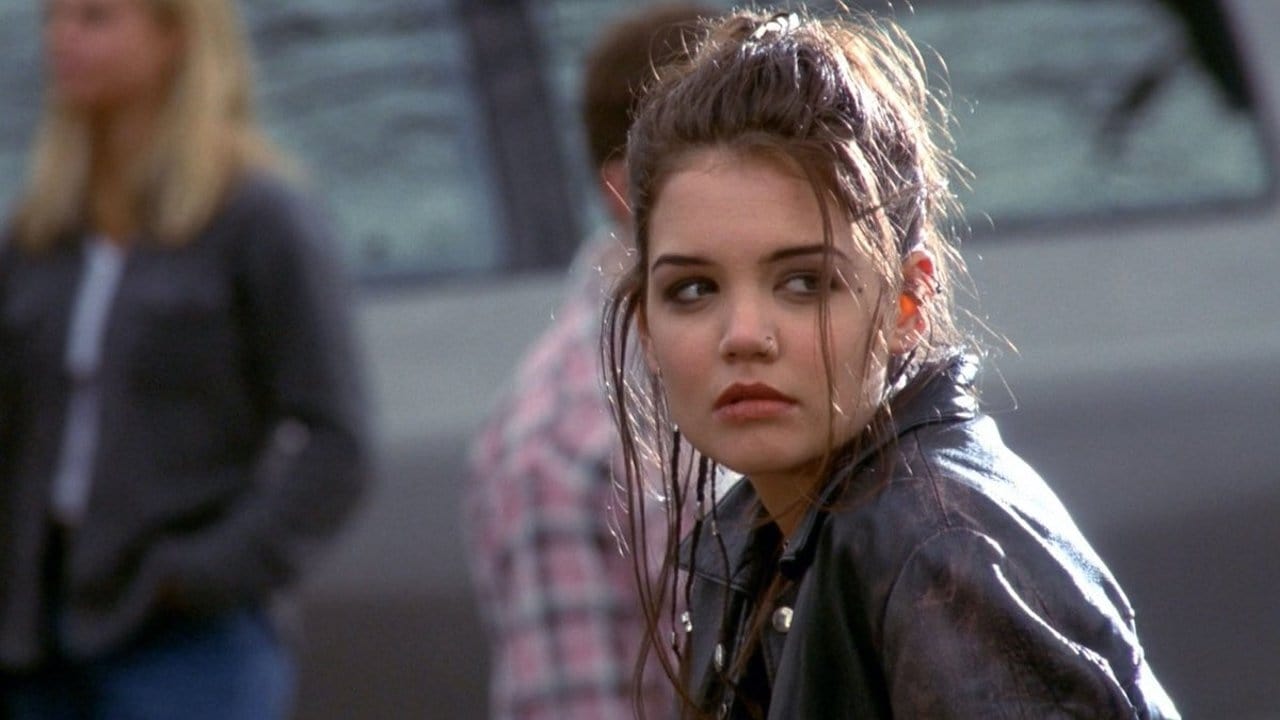
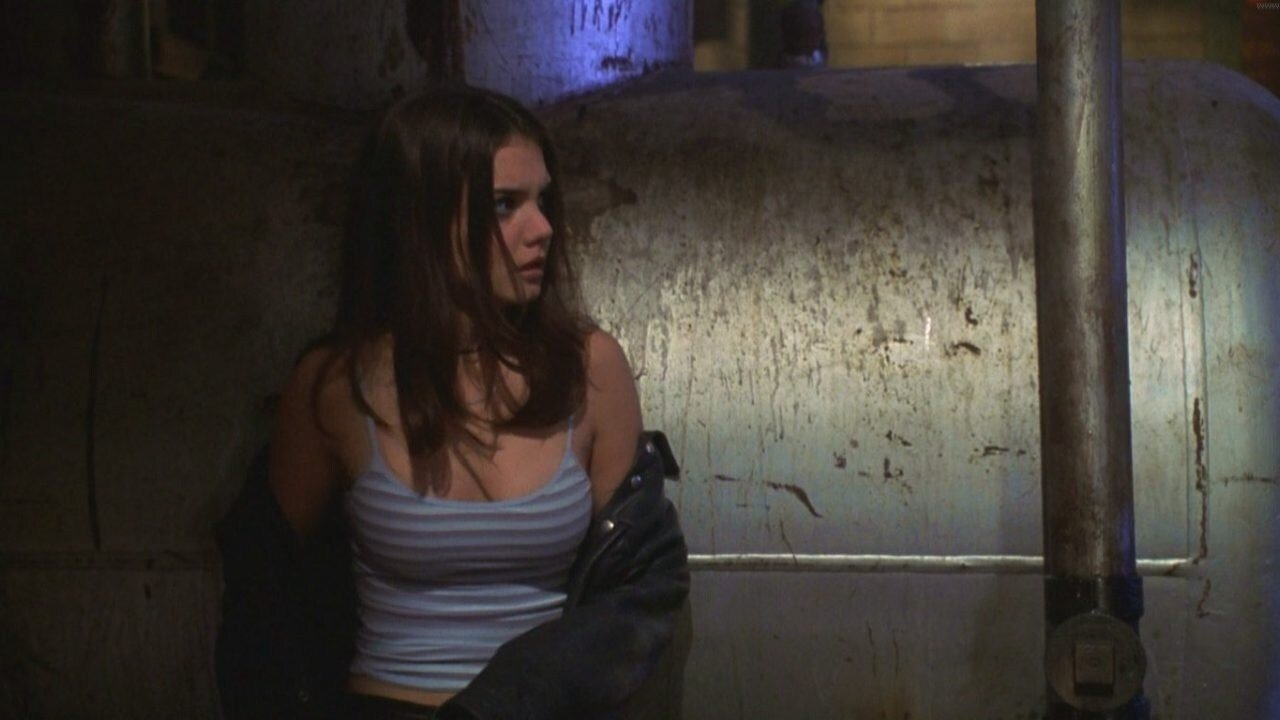
These aren't just your average overachievers. The Blue Ribbons – clean-cut, hyper-focused, prone to sudden, violent outbursts when their programming glitches – are the chilling heart of the film. They represent every teen’s fear of losing themselves to fit in, dialed up to a sinister extreme. Steve quickly falls in with the town's outsiders: the cynical, goth-adjacent Rachel Wagner (Katie Holmes, just before Dawson's Creek solidified her girl-next-door image, showing a welcome edge here) and the gloriously paranoid, conspiracy-spouting Gavin Strick (Nick Stahl, in a performance that absolutely crackles with nervous energy and steals every scene he’s in). Gavin sees the strings being pulled, ranting about mind control and disappearing "undesirables," and frankly, he’s the character you latch onto, the canary in this very creepy coal mine. Doesn't his frantic energy still feel infectious, his warnings disturbingly plausible within the film's logic?
The plot unfolds like a dark reflection of high school pressures: the desire for kids to be smarter, stronger, better, twisted into a horrifying program spearheaded by the school psychologist, Dr. Caldicott (Bruce Greenwood, radiating quiet menace). The underlying sci-fi concept – a form of brain alteration to suppress unwanted impulses and enforce model behavior – taps into anxieties about individuality and control that felt particularly relevant in the polished, pre-millennium era. It’s Invasion of the Body Snatchers by way of a John Hughes movie gone horribly wrong.
### Scars of the Edit Bay
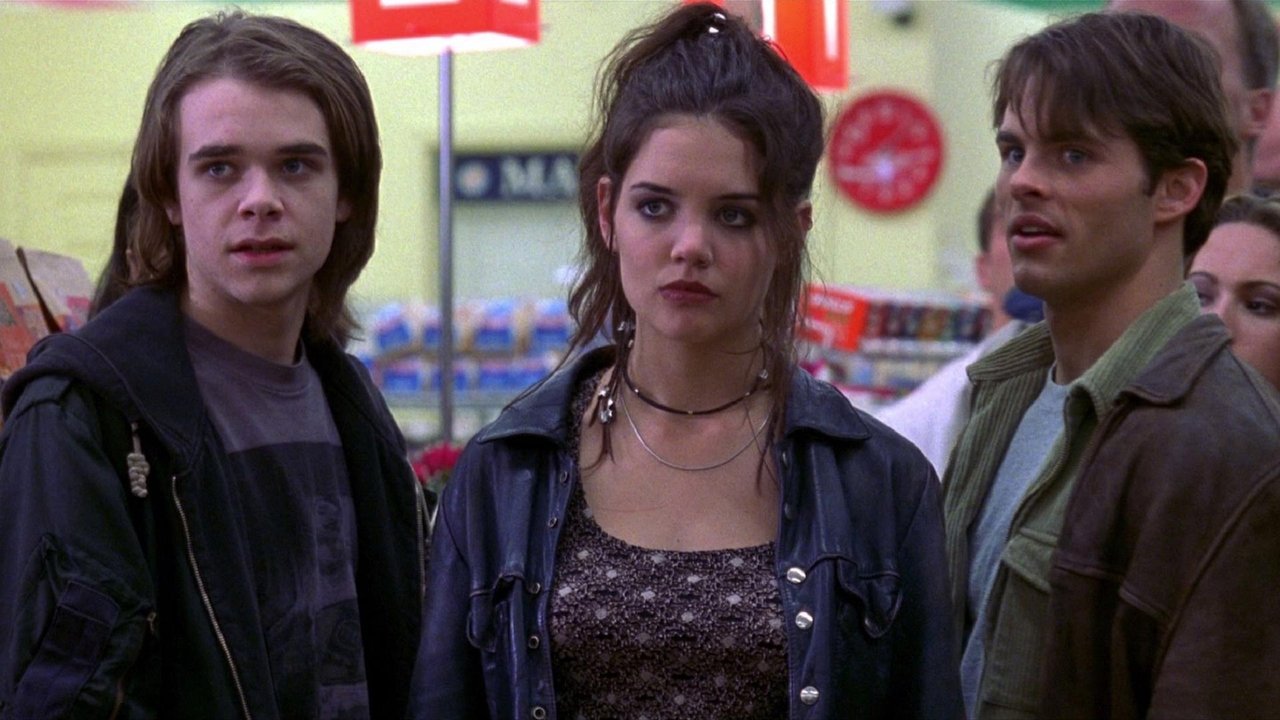
Now, let's talk about the elephant in the room – or rather, the phantom limbs of the movie. Disturbing Behavior is notorious for having been significantly re-cut by the studio (MGM) against David Nutter's wishes, reportedly trimming nearly 40 minutes and altering the original, darker ending. Nutter was apparently so displeased he considered removing his name. You can feel these cuts. Pacing sometimes stumbles, character motivations occasionally feel abrupt, and certain subplots, particularly involving the adults like the unsettling school janitor Mr. Rooney (William Sadler), feel tantalizingly underdeveloped.
These behind-the-scenes struggles are part of the film's lore now. Scott Rosenberg's script likely had more bite originally; known for punchy dialogue in films like Con Air (1997), you sense a sharper, perhaps more satirical edge peeking through the studio-mandated thriller structure. Rumors of a more fleshed-out relationship between Steve and Rachel, deeper explorations of the town's conspiracy, and a bleaker conclusion have fueled fan desire for a director's cut for decades – a holy grail for VHS Heaven enthusiasts. Did that knowledge of studio interference colour your first viewing, wondering what might have been?
Despite the compromises, the film retains a certain power. The core concept is strong, the atmosphere is thick and effective, and the performances, especially from Stahl, are memorable. There are moments of genuine tension, like the Blue Ribbons converging, their forced smiles slipping into something predatory, or the unsettling medical procedures glimpsed later on. It captures that specific late-90s teen horror aesthetic – slicker than the 80s, less self-aware than the post-Scream wave, existing in its own moody little niche alongside films like The Faculty (released the same year).
### Lingering Unease
Disturbing Behavior might not be a perfect film, hobbled as it was before it even reached the flickering glow of our CRT screens. Yet, it holds a distinct place in the pantheon of 90s teen thrillers. Its central premise remains effectively creepy, and its exploration of conformity and control still resonates. It's a film that feels like it could have been a minor classic, and maybe that adds to its enduring cult appeal – the phantom promise of a darker, more complete vision lingering just beyond the frame. I remember renting this one, drawn in by the vaguely unsettling cover art, and finding myself genuinely hooked by the mounting paranoia, even if the payoff felt a little rushed. It stuck with me, that feeling of sunny surfaces hiding something rotten underneath.
Rating: 6.5/10
Justification: The film earns points for its potent atmosphere, Nick Stahl's standout performance, and a genuinely unnerving core concept. However, the noticeable effects of studio interference – uneven pacing, underdeveloped subplots, and a potentially compromised ending – hold it back from achieving its full potential. It's a fascinating, flawed gem from the era.
Final Thought: For all its production woes, Disturbing Behavior remains a compelling snapshot of late-90s anxieties, a reminder that sometimes the most chilling monsters wear varsity jackets and homecoming smiles.