The flickering static clears, the tracking adjusts, and the familiar strains of Angelo Badalamenti's score fill the room – but something is wrong. This isn't the quirky, cherry-pie-and-damn-fine-coffee comfort of the Twin Peaks we thought we knew. This is Fire Walk with Me (1992), David Lynch's brutal, harrowing prequel, a film that famously met a chorus of boos at Cannes and left many fans feeling bewildered, even betrayed. It plunges us headfirst not into quaint mystery, but into the screaming terror of Laura Palmer's final seven days, and refuses to let us look away. Forget the cozy Douglas Firs; this is the darkness festering beneath them.
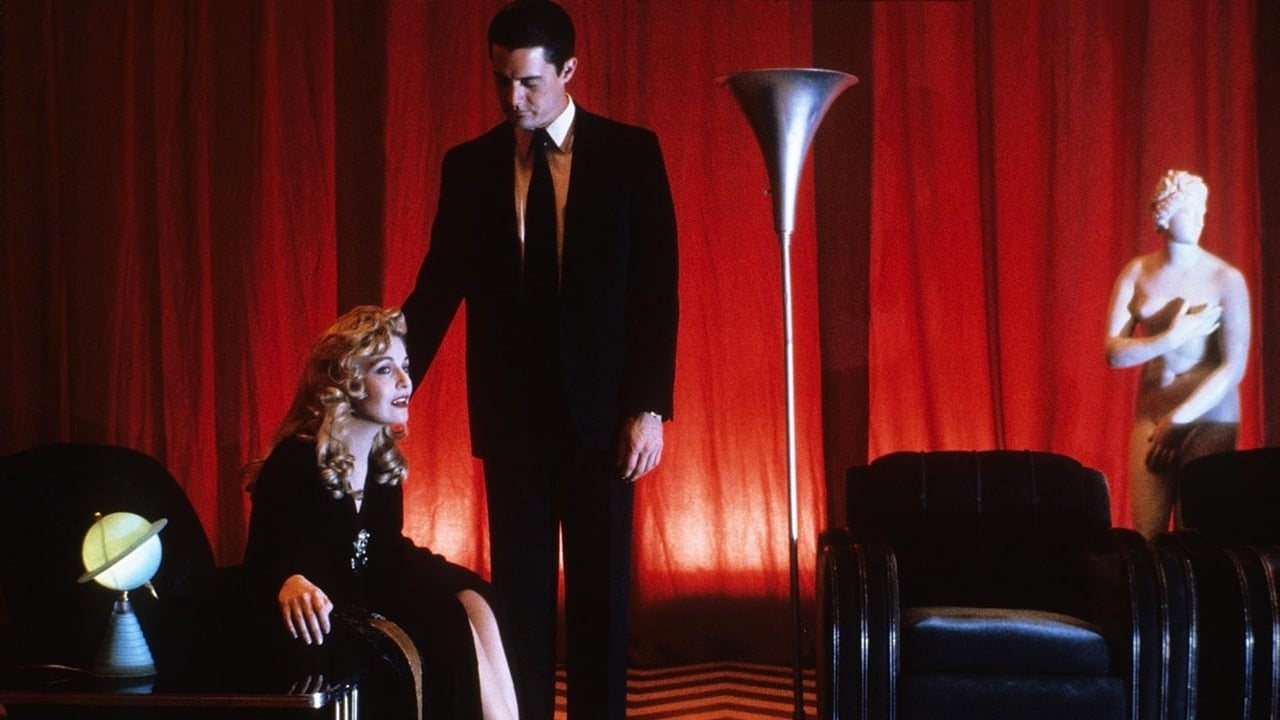
Into the Black Lodge
Where the television series often balanced its darkness with eccentric humor and soap opera melodrama, Fire Walk with Me offers no such reprieve. Lynch, along with co-writer Robert Engels, strips away the safety net. The film opens not in Twin Peaks but in Deer Meadow, introducing doomed FBI Agent Chester Desmond (Chris Isaak) and his cryptic partner Sam Stanley (Kiefer Sutherland), investigating the murder of Teresa Banks – a prelude echoing Laura's own fate. This extended prologue, almost a self-contained short film, immediately establishes a tone of grim foreboding and existential dread. It’s jarring, disorienting, and utterly Lynchian, setting the stage for the nightmare to come. Reportedly, Lynch shot hours of additional footage involving characters from the show, like Sheriff Truman and Doc Hayward, much of which was initially cut, further contributing to the film's fractured, dreamlike (or perhaps nightmare-like) feel upon release. Thankfully, much of this surfaced later in The Missing Pieces.
A Scream Trapped in Amber
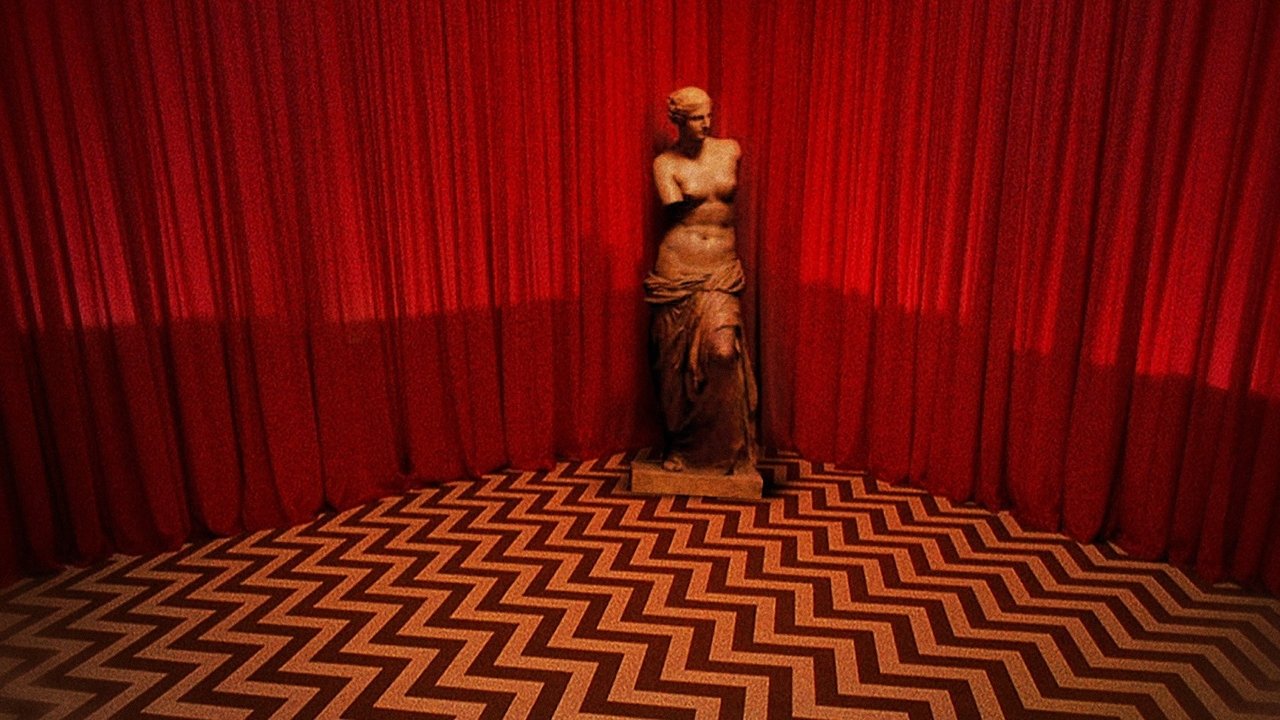
The film's core, however, belongs entirely to Sheryl Lee as Laura Palmer. Freed from the constraints of portraying a dead girl or her seemingly innocent cousin Maddy, Lee delivers one of the most courageous and devastating performances of the 90s. She embodies Laura not as a victim-symbol, but as a complex, contradictory young woman drowning in trauma, desperately seeking escape through self-destruction – drugs, dangerous liaisons, anything to numb the encroaching horror personified by BOB. Lee throws herself into the role with terrifying commitment; you feel every flicker of fear, every moment of forced bravado, every shard of her breaking spirit. It’s an agonizing watch, precisely because she makes Laura’s pain so visceral. Supporting players like Ray Wise as Leland Palmer are equally chilling, embodying the insidious nature of evil hiding in plain sight. Doesn't Wise's shift from goofy dad to menacing presence still send a shiver down your spine?
The Sound of Terror
Lynch masterfully uses sound and imagery to create an almost unbearable atmosphere of tension. Badalamenti’s score moves from melancholic jazz to industrial noise and discordant drones, mirroring Laura's fracturing psyche. The infamous "Pink Room" sequence, with its strobing lights, oppressive sound, and claustrophobic energy, remains a potent distillation of sensory overload and predatory danger. Practical effects, though perhaps showing their age slightly, retain a disturbing power – the fleeting, terrifying glimpses of BOB (Frank Silva, a set dresser whose accidental reflection in a mirror during the pilot's filming birthed one of horror's most unique villains) are pure nightmare fuel, tapping into primal fears far more effectively than slick CGI ever could. The film’s visual language is dense with symbolism – flickering lights, creamed corn (garmonbozia – pain and sorrow), the Owl Cave ring – creating a world saturated with dread and dark portents.

Not the Gum You Like
It’s understandable why Fire Walk with Me was so divisive upon its release in August 1992. Audiences, riding high on the quirky phenomenon of the TV show (even after its controversial second season), expected answers and perhaps a return to the town's charming oddities. Instead, they got a film that offered few easy explanations, deepened the mythology's darkest corners, and centered relentlessly on incest, abuse, and existential despair. It wasn't the continuation many wanted; it was an unflinching exploration of the trauma that lay at the series' heart all along. Lynch himself was reportedly wounded by the hostile reception, particularly at Cannes, having poured so much into depicting Laura's ordeal with raw honesty. The initial box office was poor, pulling in only around $4.2 million domestically against its estimated $10 million budget.

Yet, time has been kind to Fire Walk with Me. Divorced from the immediate expectation of being a direct sequel-in-spirit, it’s now often regarded as one of Lynch's most powerful and personal works. It’s a necessary, albeit agonizing, piece of the Twin Peaks puzzle, providing crucial context for Laura's tragedy and serving as a vital bridge to the later continuation, Twin Peaks: The Return (2017). It refuses easy catharsis, leaving you haunted and disturbed, much like finding an old, unlabeled tape in a dusty box, only to discover it contains something profoundly unsettling.
VHS Heaven Rating: 8/10
Fire Walk with Me is not an easy film. It’s demanding, confrontational, and deeply upsetting. For fans solely seeking the quirky charm of the early series, it might still feel like a betrayal. But for those willing to follow Lynch into the darkness, it offers a uniquely powerful and atmospheric cinematic experience, anchored by Sheryl Lee's unforgettable performance. It earns its 8 for its artistic bravery, its masterful creation of dread, and its essential, if painful, contribution to the Twin Peaks saga. It’s a film that burns itself into your memory, a chilling reminder that sometimes, the fire reveals truths we’d rather not see.