The chill wasn't quite the same this time. Not the raw, primal dread of being lost in the woods with only crackling twigs and your own hyperventilating breath for company. No, the chill that lingers after the tape ejects from Book of Shadows: Blair Witch 2 is colder, more cynical. It’s the unease of watching something dissect its own monstrous success, only to perhaps become a different kind of monster itself – a compromised vision flickering under the harsh light of studio expectation. Released in 2000, it wasn't strictly an 80s or 90s artifact, but it was born directly from the ashes of a 90s phenomenon, and the VCRs that spun the original The Blair Witch Project (1999) were certainly hungry for more. What they got... well, that’s still debated in hushed tones among horror fans.
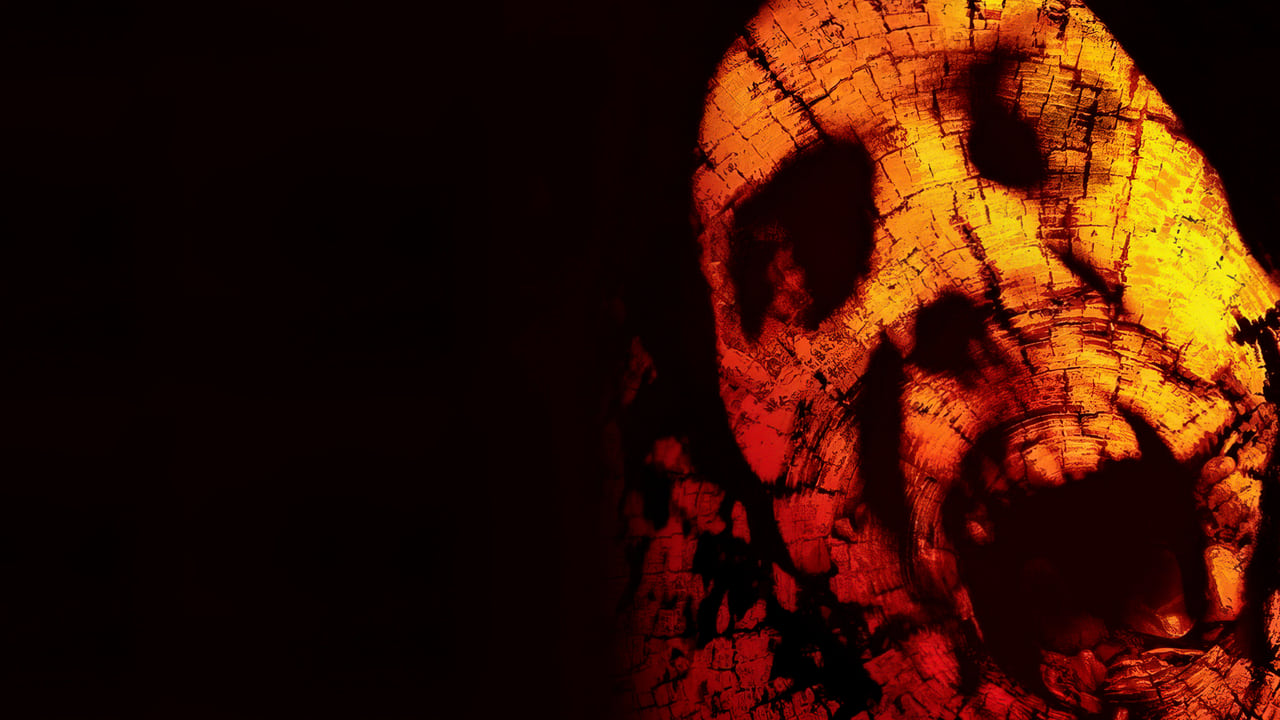
From Woods to Wasteland: A Meta Experiment
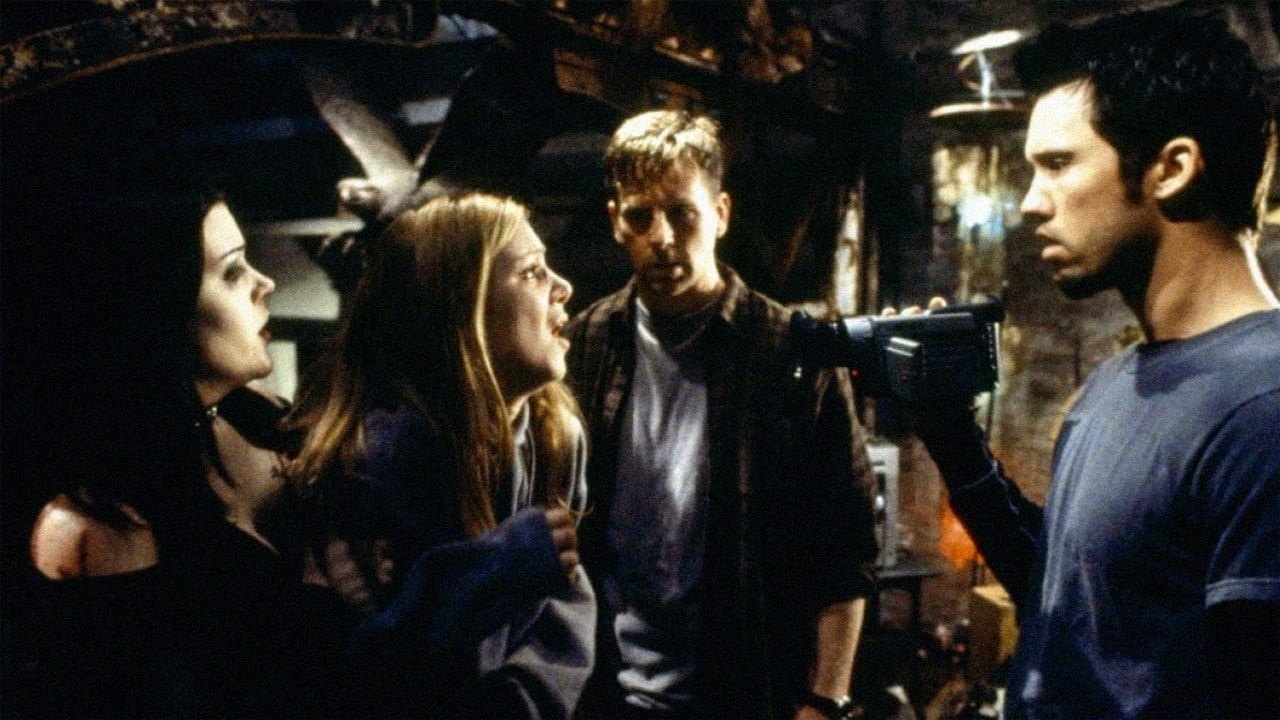
Instead of more shaky camcorder footage, director Joe Berlinger – an acclaimed documentarian famed for the chilling Paradise Lost trilogy – took a hard left turn. Book of Shadows isn't found footage; it’s a film about the found footage phenomenon. It centers on a group of tourists who, obsessed with the original movie, venture into Burkittsville, Maryland, for a "Blair Witch Tour." Led by Jeff (Jeffrey Donovan, years before he was burning notices), a local opportunist wrestling with his own past, the group includes a Wiccan (Erica Leerhsen), a Goth psychic (Kim Director), and a pair of researchers writing a book. After a night of drunken debauchery and strange occurrences near the foundations of Rustin Parr's house, they wake with missing time and fragmented, terrifying memories. The film then follows their psychological unraveling as they try to piece together what happened, blurring the lines between reality, delusion, and perhaps something genuinely supernatural.
It was a brave, almost audacious concept: using the sequel to comment on the hysteria, the fan obsession, and the very nature of belief sparked by its predecessor. Berlinger, with his background, seemed uniquely positioned to explore these themes. The initial idea, reportedly closer to his documentary roots, aimed for a more ambiguous psychological thriller exploring how the myth of the Blair Witch could infect and destroy lives.

The Studio's Shadow
Here's where the dark legends surrounding the production itself rival the film's own narrative. Artisan Entertainment, flush with the unprecedented micro-budget success of the first film ($60,000 budget reportedly yielding nearly $250 million worldwide!), understandably wanted another hit. They fast-tracked the sequel, but Berlinger’s more cerebral, ambiguous approach apparently didn't scream "box office gold." Reports swirled about significant studio interference: demands for more conventional horror elements, reshoots adding explicit gore and jump scares, and a re-editing process that sidelined Berlinger's original, more psychologically focused cut (often referred to by fans as the "Director's Cut" that never officially was). This tug-of-war is palpable in the final product. You can almost feel the film fighting itself – moments of intriguing meta-commentary crashing against jarringly conventional horror sequences, like visions of spectral children or graphic violence that feel imported from a different movie. One infamous addition was the bizarre opening sequence set in a mental institution, tacked on by the studio against Berlinger's wishes to frame the narrative more conventionally. Doesn't that clash tell its own unsettling story about creative control?
A Different Kind of Chill
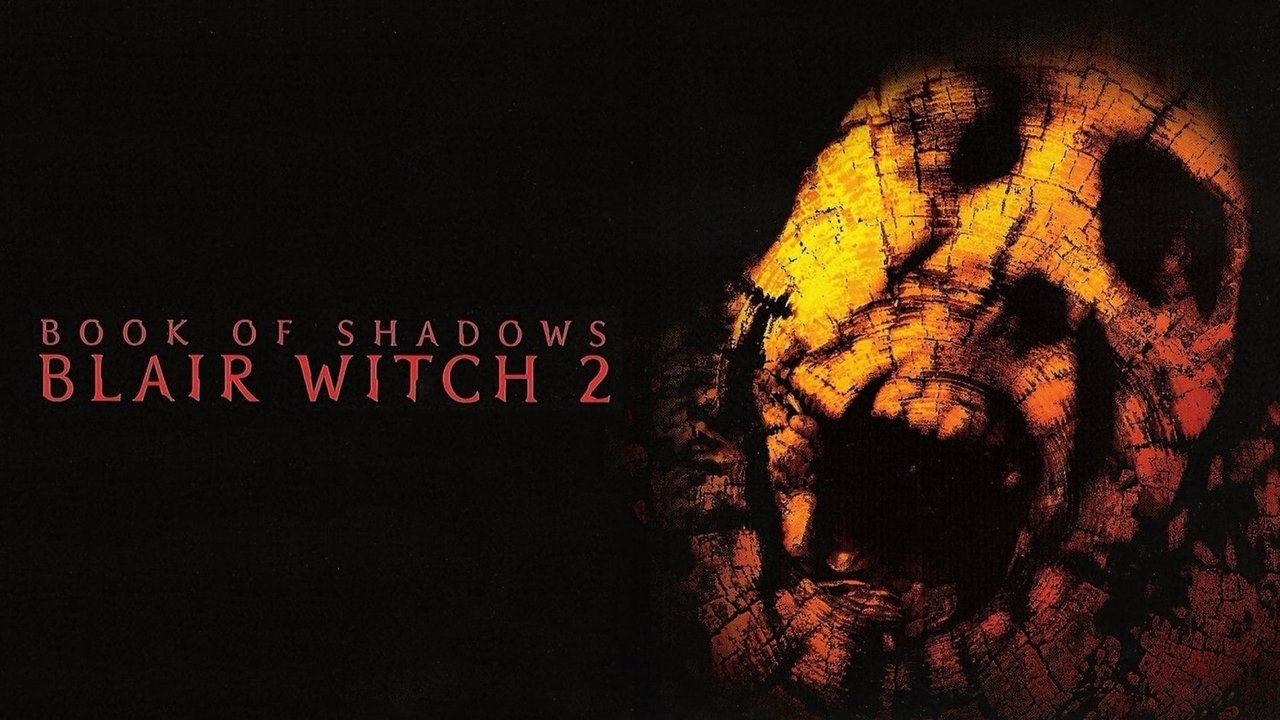
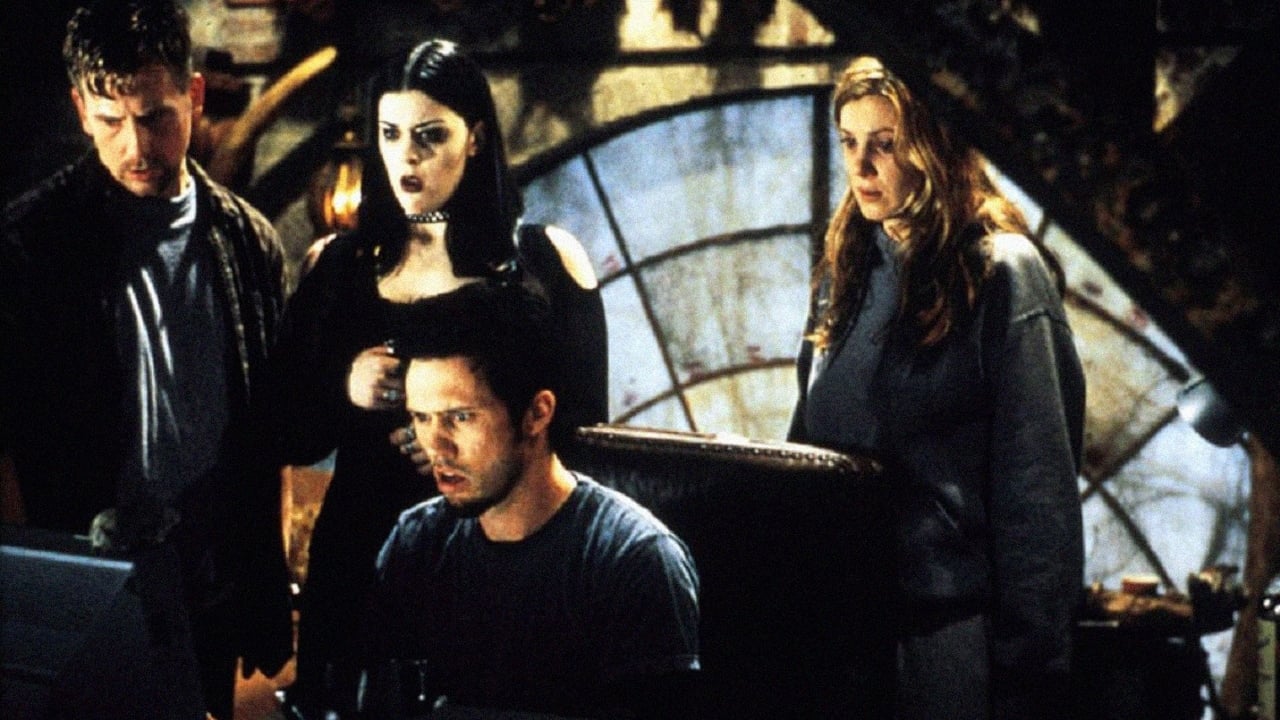
Despite the troubled production and conceptual U-turn, Book of Shadows isn't entirely without merit, viewed through the lens of early 2000s horror. The atmosphere isn't the earthy dread of the original, but a more manufactured, slick kind of unease. The industrial/rock soundtrack (featuring Marilyn Manson, Rob Zombie, etc.) anchors it firmly in its time. The production design captures the slightly grungy, turn-of-the-millennium aesthetic. Some sequences, particularly those playing with perception and memory loss, retain a flicker of effectiveness. The core idea – that belief itself can be dangerous, that manufactured myths can have real-world consequences – remains potent, even if the execution is muddled. Kim Director especially leans into her role as the goth Kim Diamond, becoming something of a cult figure for her striking look and detached performance.
I remember renting this from Blockbuster shortly after release, the hype from the first film still echoing. The shift in style was jarring, almost confusing. Where was the raw terror? The cinéma vérité feel? This felt... Hollywood. Yet, there was a strange pull to its central mystery and its attempt, however clumsy, to grapple with the cultural impact of its predecessor. It felt like a response, albeit a confused one, to the very phenomenon that allowed it to exist.
Legacy of a Misstep?
Book of Shadows: Blair Witch 2 is often held up as a prime example of how not to do a sequel, particularly after a lightning-in-a-bottle original. It abandoned what made the first film unique, alienated a large portion of the fanbase, and suffered critically and commercially (though it still made a profit on its $15 million budget, grossing around $47 million worldwide). It effectively killed the franchise's momentum for over a decade until Blair Witch (2016) attempted another reboot.
Yet, viewed decades later on a grainy screen, there's a peculiar fascination to it. It’s a snapshot of a specific moment in horror history – the struggle to capitalize on unprecedented success, the clash between artistic vision and commercial demands, and an early attempt to process the power of viral media phenomena. Its flaws are undeniable, the victim of studio meddling and perhaps an inherently difficult concept to execute. But its ambition, however compromised, and its place as the strange, disowned sibling in the Blair Witch family give it a certain cult curiosity. It aimed to dissect the shadow, but ended up trapped within it.
Rating: 4/10
The score reflects the film's significant flaws: a messy narrative, jarring tonal shifts likely due to studio interference, and its failure to recapture the magic or terror of the original. However, it avoids a lower score due to its ambitious (if failed) meta-concept, some atmospheric moments, and its status as a fascinatingly troubled piece of horror history.
Final Thought: A cautionary tale etched onto tape, Book of Shadows serves as a stark reminder that sometimes, the most frightening thing isn't what's lurking in the woods, but what happens when the suits step out of the shadows.