The broadcast schedules of yesteryear sometimes held unexpected darkness, slipped between festive specials and family dramas. Imagine settling down, perhaps on Christmas Eve 1989 in the UK, expecting something cozy from ITV, only to be confronted by the stark, desolate dread of Eel Marsh House and the unyielding spectre haunting its causeway. That was the startling arrival of Herbert Wise's television adaptation of The Woman in Black, a film that lodged itself deep in the psyche of anyone who caught it unprepared, proving that terror needs neither a massive budget nor a cinema screen to be profoundly effective.
### The Chill of the Fens
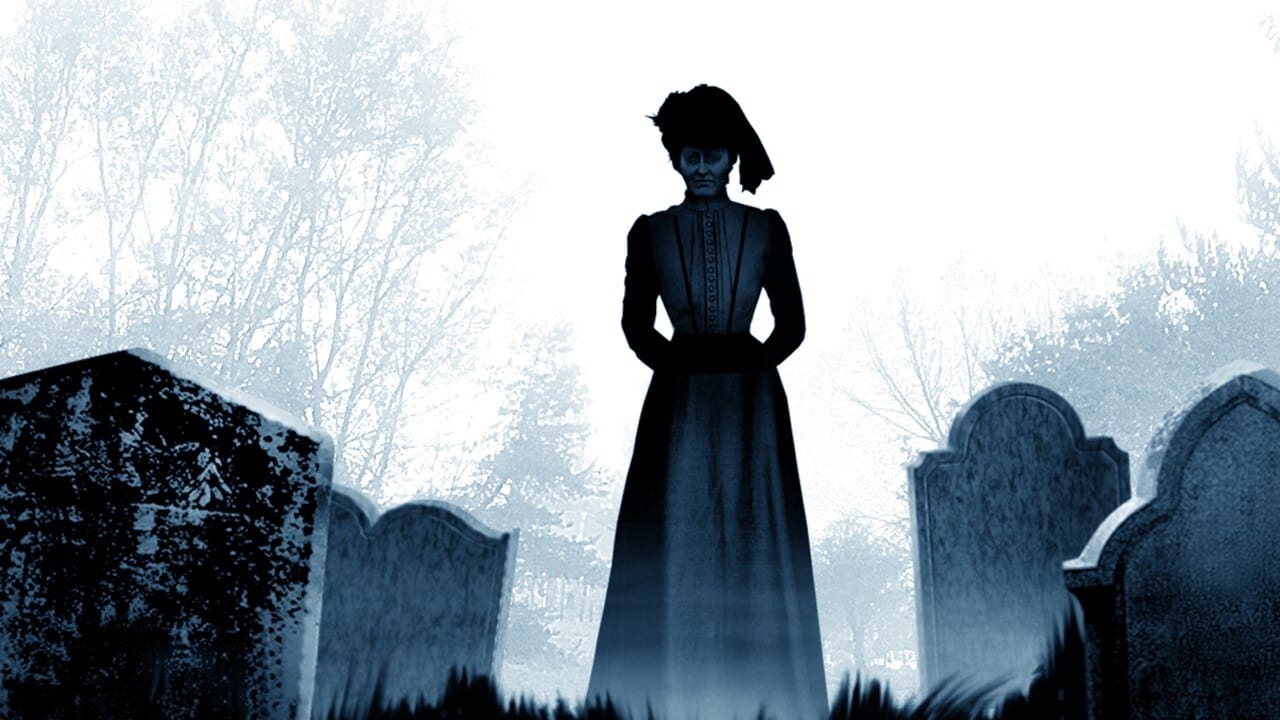
Forget the slicker, jump-scare-laden Hammer remake from 2012. This earlier version, penned by the legendary Nigel Kneale (the genius behind the Quatermass series), operates on a different, arguably more insidious frequency. Kneale, adapting Susan Hill's chilling novel, understood the power of suggestion, of isolation, and of a landscape that feels actively malevolent. The bleak, windswept marshes of the Essex coast (filmed authentically on location in the coastal areas of North East Essex) become a character in themselves – oppressive, fog-bound, and promising only entrapment. There’s a grainy, almost documentary-like realism to the presentation, a hallmark of quality British television drama of the era, that paradoxically makes the supernatural elements feel even more grounded and disturbing. The low budget, often a constraint, here becomes an asset, stripping away any gloss to leave only raw, atmospheric dread.
### A Burden of Fear
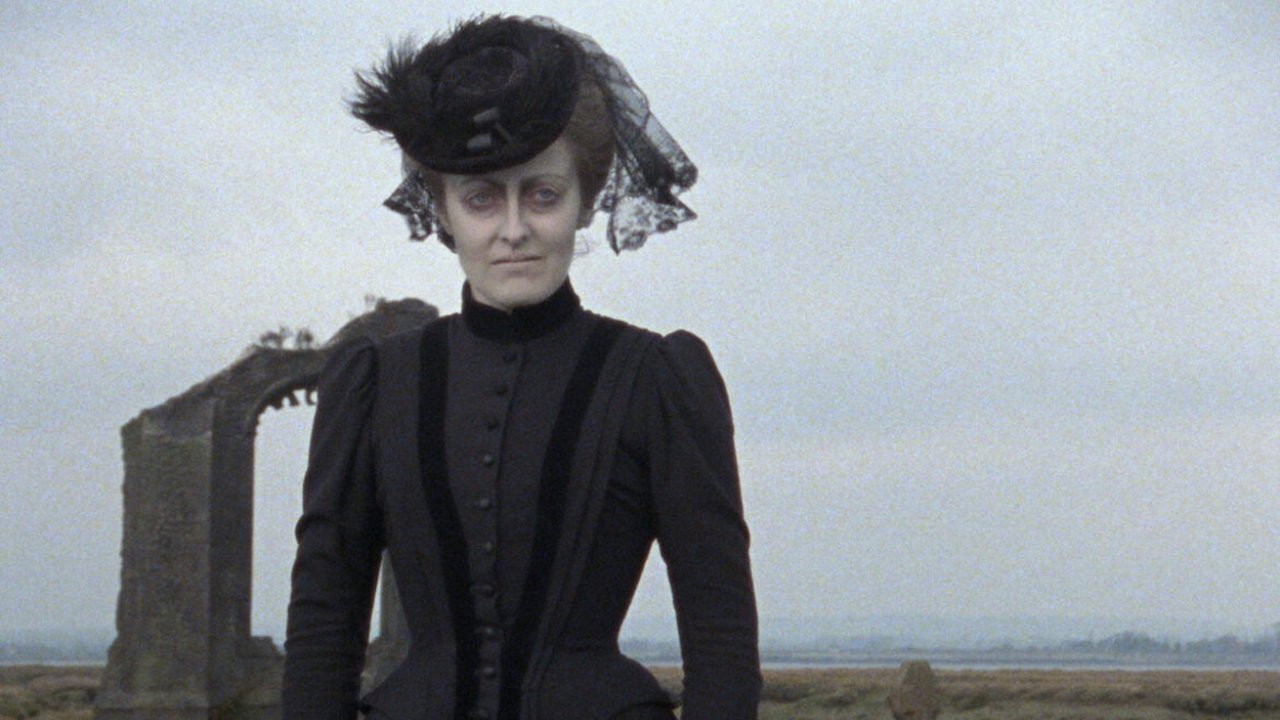
At the heart of the mounting terror is Arthur Kidd (played with pitch-perfect crumbling resolve by Adrian Rawlins, years before he’d be known to a generation as James Potter). A young solicitor sent to the remote coastal town of Crythin Gifford to settle the affairs of the deceased Alice Drablow, Kidd initially embodies rational skepticism. Rawlins masterfully conveys the gradual erosion of this certainty, his journey from mild unease to outright, shivering panic forming the film's emotional core. He’s not a gung-ho hero, but an ordinary man utterly out of his depth, making his fear palpably relatable. Supporting him is the stoic, secretive local Samuel Toovey, portrayed by the ever-reliable Bernard Hepton, who seems to carry the weight of the town's cursed history on his shoulders. Their interactions are laced with unspoken warnings and desperate attempts to maintain normalcy against an encroaching, unnatural tide.
### Kneale's Spectral Touch
Nigel Kneale wasn't just adapting; he was interpreting. While largely faithful to the source material's plot, his script emphasizes psychological decay and ambiguity. He famously disliked traditional ghost story tropes if they felt illogical, preferring his hauntings to have a more quasi-scientific or psychologically rooted underpinning. Here, the Woman's appearances are less about startling the audience (though they certainly do) and more about marking the inexorable spread of her grief-fueled curse. There's a chilling logic to her manifestations – often seen fleetingly, at a distance, or obscured by fog – that makes them feel less like random scares and more like calculated steps in her campaign of terror. One particularly fascinating change Kneale made was renaming the protagonist from Kipps to Kidd, supposedly because he found the original name slightly comical – a minor detail, but indicative of his serious approach to the material's inherent darkness.
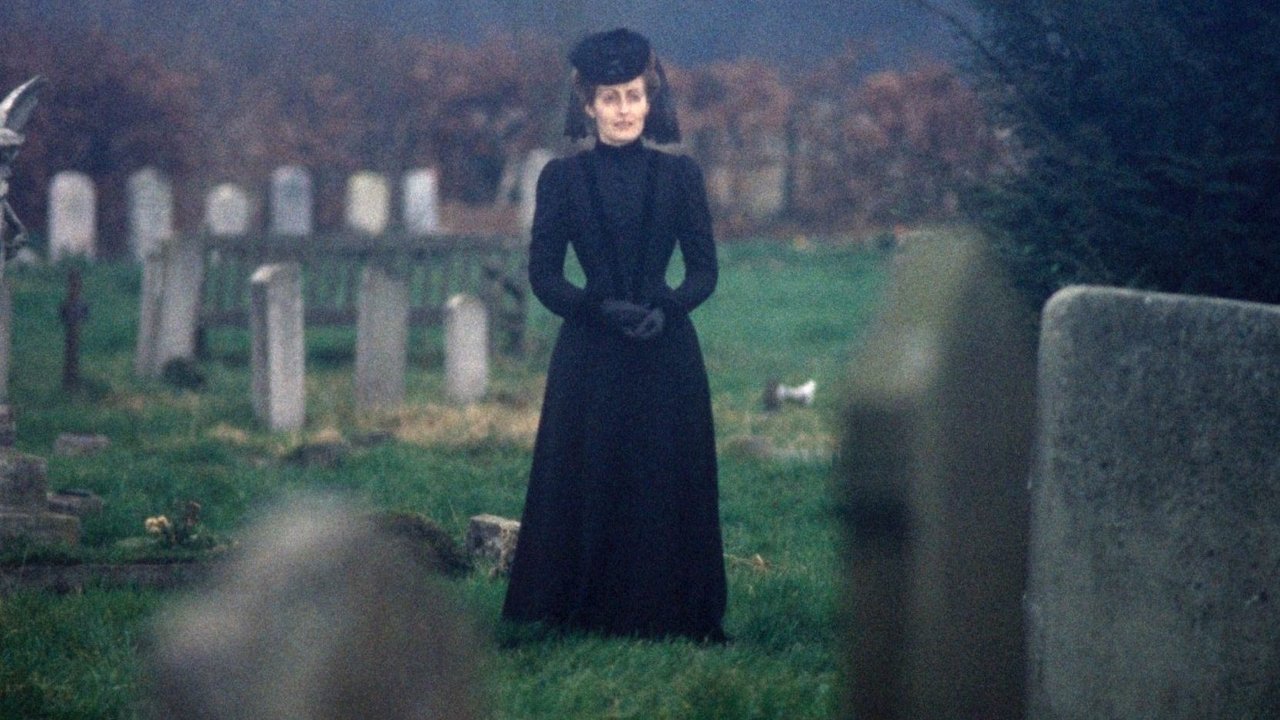
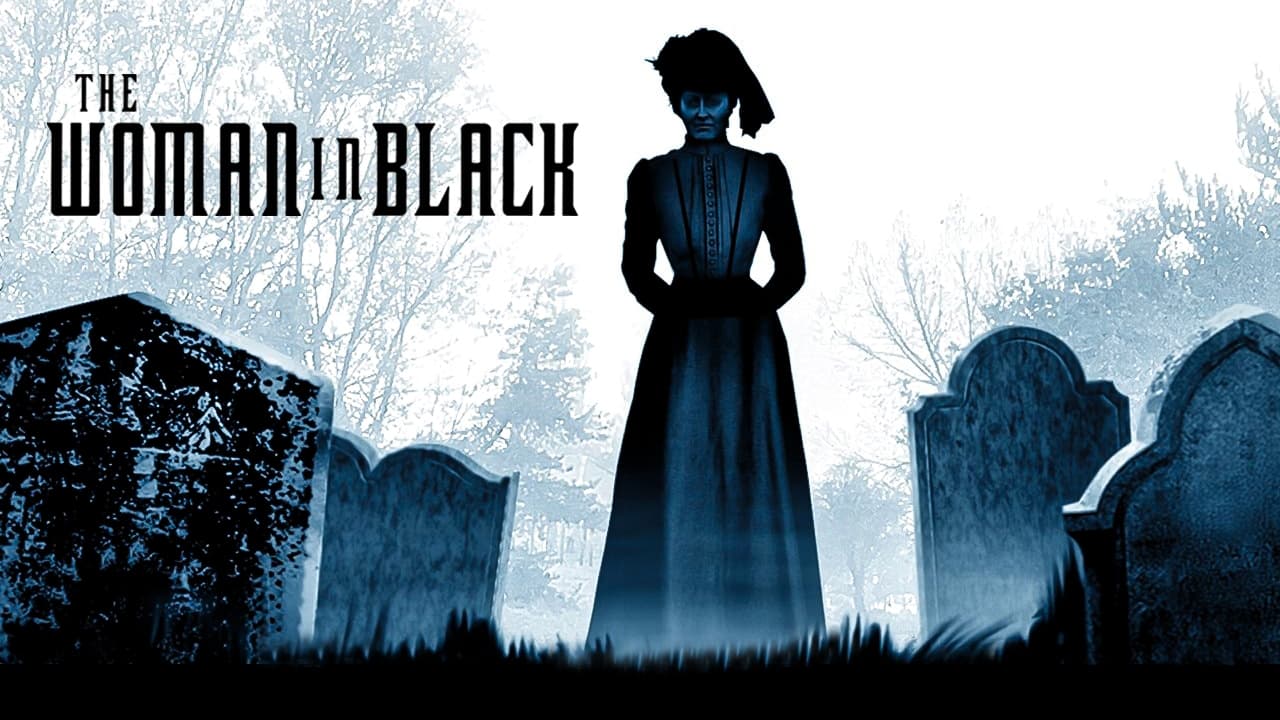
The moments when the Woman does appear fully are genuinely horrifying, largely thanks to practical staging and the unnerving performance of Pauline Moran. There’s one infamous scene involving Kidd trapped in the nursery at Eel Marsh House – the slow reveal, the fixed, accusatory stare – that remains one of the most bone-chilling moments in televised horror history. It’s a testament to Wise's direction and Kneale's script that these moments land with such force, relying on atmosphere and performance rather than overt gore or CGI. The sheer stillness of the Woman is often more terrifying than any sudden movement. Doesn't that fixed, pale visage still linger in the mind's eye?
### Resurfacing from the Mire
For years, this version of The Woman in Black was something of a holy grail for horror fans. Broadcast just once on ITV in the UK (and later on Channel 4), it wasn't readily available on VHS for a long time, existing mostly in blurry, nth-generation copies traded amongst enthusiasts. Its reputation grew through word-of-mouth, becoming a near-mythical example of terrifying television. Its eventual official release on DVD and Blu-ray allowed a new audience to discover its quiet power, confirming it wasn't just nostalgia clouding viewers' memories – the film holds up remarkably well. It’s a masterclass in slow-burn tension, proving that effective horror often whispers rather than shouts. It even restored the original, bleaker ending from Susan Hill's manuscript, which had been slightly softened for the published novel – a move Kneale reportedly insisted upon, cementing the film's truly despairing final note.
Rating: 9/10
This score reflects the film's masterful creation of atmosphere, Nigel Kneale's intelligent and unsettling script, a career-defining performance of fear from Adrian Rawlins, and its sheer effectiveness as a genuinely chilling ghost story despite its television origins and budget. It loses a point perhaps only for the inherent limitations of its TV production values in places, but these rarely detract from its power.
The Woman in Black (1989) remains a benchmark for televised ghost stories, a chilling reminder that sometimes the most profound scares are found not in spectacle, but in the quiet dread lurking just beyond the edge of sight, across a fog-bound marsh. A must-watch for anyone who appreciates atmospheric horror that truly gets under your skin.