The hiss of the tape loader, the click as it engaged… sometimes, digging through the deeper cuts in the horror section of the rental store unearthed something unexpected. Not just another slasher sequel, but something that felt… off. Hellraiser: Inferno (2000) often felt like that discovery. The familiar Dimension Films logo would flicker, but the dread that followed wasn't quite the visceral, chain-ripping agony promised by the earlier entries. This was something colder, more insidious, crawling under the skin rather than tearing it open.

This fifth lament configuration doesn't plunge us straight into Leviathan's labyrinth. Instead, we're dragged into the grimy, rain-slicked world of Detective Joseph Thorne, played with a weary cynicism by Craig Sheffer (Nightbreed, One Tree Hill). Thorne is a cop clinging to the edge – corrupt, haunted, popping pills like candy. When he stumbles upon a gruesome ritualistic murder scene and pockets the infamous Lament Configuration puzzle box, his descent accelerates from a slide into an outright plummet. What follows isn't the expected Cenobite bloodbath, but a disturbing, neo-noir nightmare that feels closer to Jacob's Ladder or Angel Heart than the previous Hellraiser installments.
A Twisted Path to Hell
The air in Inferno is thick with moral decay long before the supernatural explicitly manifests. Thorne's world is one of shadows, betrayal, and self-inflicted wounds. Director Scott Derrickson, making his feature debut here alongside co-writer Paul Harris Boardman (the pair would later collaborate on The Exorcism of Emily Rose and Sinister), crafts a narrative less concerned with the mechanics of hell and more with the hell we make for ourselves. The puzzle box becomes less a key to an external dimension of torment and more a mirror reflecting Thorne's own corrupted soul back at him. The unsettling feeling mounts not through jump scares, but through increasingly bizarre and fragmented visions, blurring the lines between reality, hallucination, and infernal intervention.

It's a well-known piece of trivia among franchise followers that Hellraiser: Inferno wasn't originally conceived as part of the series. Dimension Films purchased Derrickson and Boardman's spec script, Inferno, and had it reworked to incorporate Pinhead and the Cenobites. This origin story explains much about the film's distinct flavour. It feels like a psychological thriller that occasionally remembers it needs to feature creatures from hell. This isn't necessarily a bad thing; it allows the film to explore themes of guilt, consequence, and damnation on a more personal, character-driven level. The budget, reportedly a lean $2 million, is palpable, lending the film a gritty, sometimes threadbare aesthetic that, arguably, enhances the feeling of urban decay and Thorne's crumbling psyche.
Pinhead in the Shadows
Craig Sheffer carries the weight of the film admirably. His portrayal of Thorne is compellingly repellent yet somehow pitiable; you watch his inevitable spiral with a grim fascination. Nicholas Turturro (NYPD Blue) provides solid support as Thorne's more grounded partner, acting as an anchor to the reality Thorne is rapidly losing grip on. And then there's Pinhead. Doug Bradley returns, his presence as imposing as ever, but his screen time is significantly reduced. Here, he’s less the ringmaster of suffering and more a distant, judgmental observer, delivering cryptic pronouncements from the periphery.

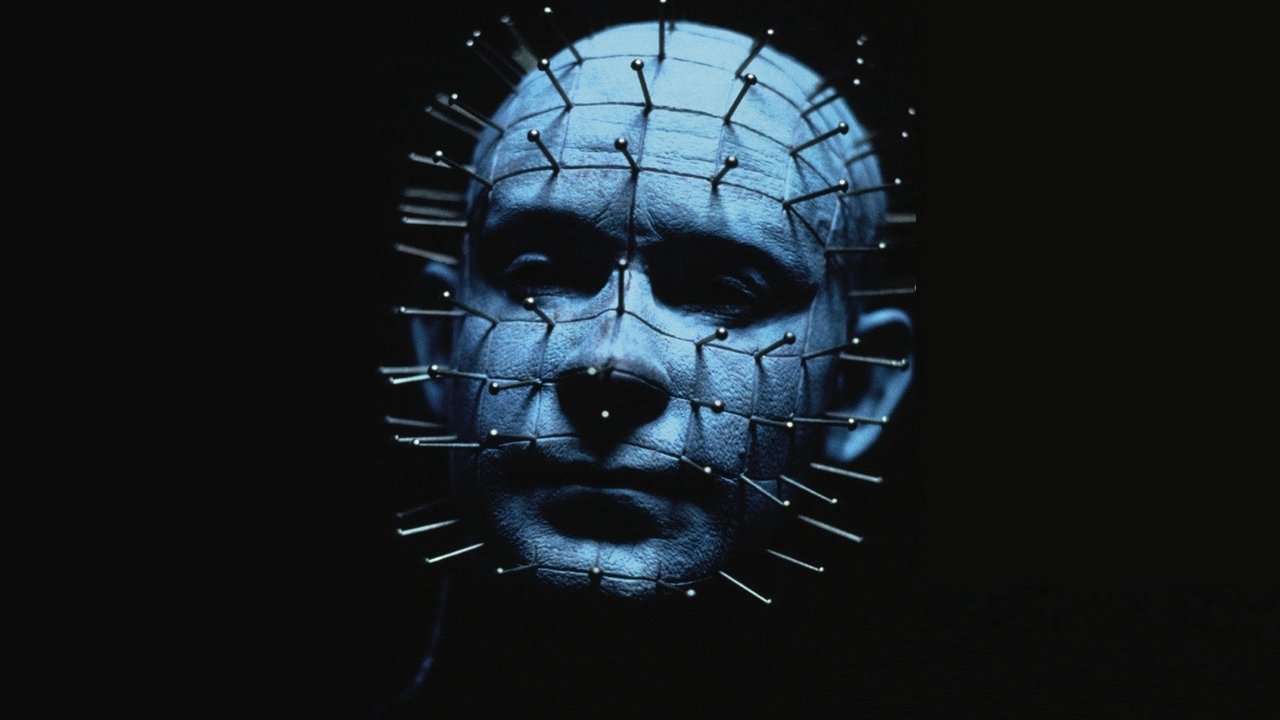
This shift divided fans. Does minimal Pinhead make for a lesser Hellraiser? In this context, perhaps not. Inferno is Thorne's story, his personal hell made manifest. Pinhead's role feels more like a final confirmation, the ultimate authority stamping approval on a damnation already well-earned. The other Cenobites, including the genuinely unnerving 'Chatterer Torso' and some wire-bound figures, feel appropriately nightmarish, blending practical elements with the slightly rubbery CGI typical of the era. They are less entities to be fought, more grotesque symbols within Thorne's psychological landscape. Remember how those early 2000s digital effects looked back then? Sometimes eerie, sometimes jarringly artificial, but part of that distinct turn-of-the-millennium horror texture.
Direct-to-Video Damnation?
Hellraiser: Inferno marked a significant turning point: the first in the franchise to bypass cinemas entirely and head straight for the video store shelves. It set the template for the numerous DTV sequels that followed, often with diminishing returns. Yet, looking back, Inferno stands as one of the more interesting, ambitious entries in the post-Barker era. It dared to be different, swapping Grand Guignol for creeping psychological dread. While it might lack the iconic power and visceral horror of the original films, its bleak atmosphere and focus on internal torment offer a different, arguably more mature, kind of horror. Derrickson's direction shows flashes of the style he would hone in later, more successful films, particularly in crafting sequences of surreal, disorienting terror.
It wasn't a perfect film by any stretch. The pacing occasionally drags, and the integration of the Hellraiser elements sometimes feels tacked on, a remnant of its script origins. But the core mystery surrounding the enigmatic 'Engineer' and Thorne's increasingly desperate attempts to understand the horrors unfolding around him maintain a grip. It captures that specific late-night viewing feeling – the kind where the shadows in your own room seem a little deeper, and the ordinary world feels subtly, chillingly altered.
---
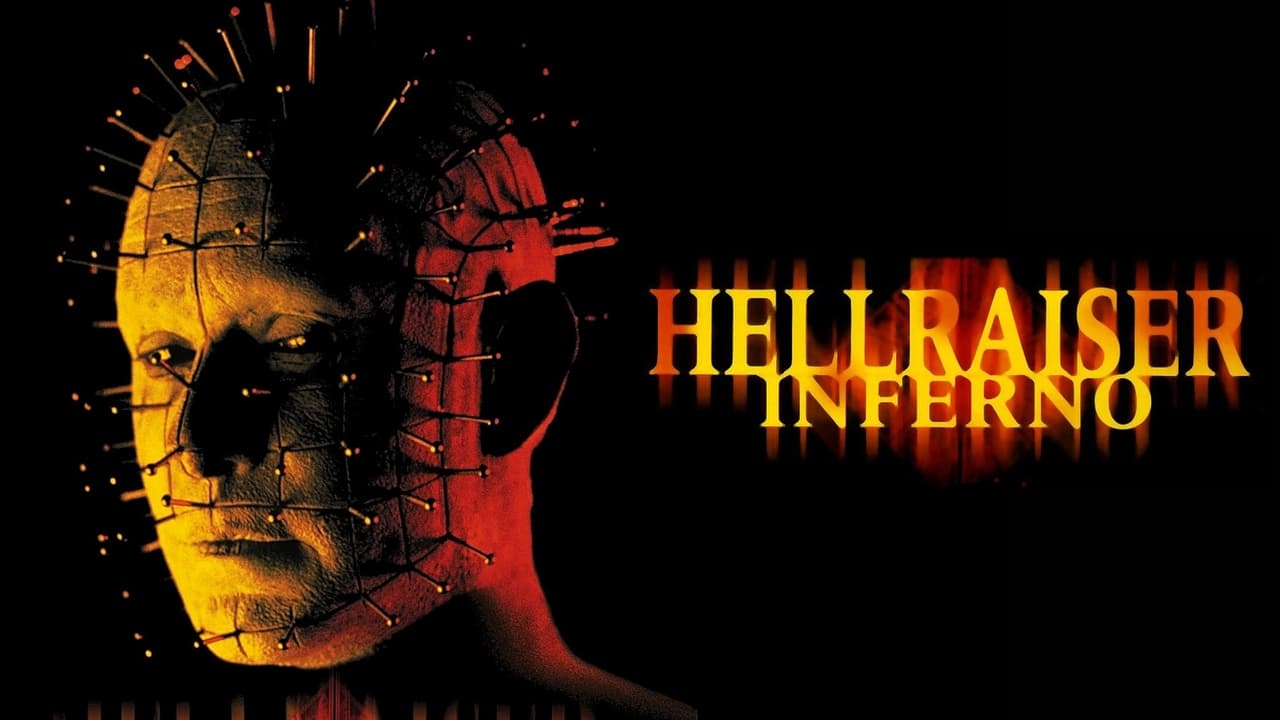
VHS Heaven Rating: 6/10
Justification: Hellraiser: Inferno earns points for its ambitious shift towards psychological noir-horror and Scott Derrickson's atmospheric direction on a tight budget. Craig Sheffer delivers a strong central performance, and the film creates genuine unease. However, it loses points for the sometimes awkward integration of the Hellraiser mythology (a consequence of its script origins), the noticeable budget constraints impacting some effects, and pacing issues. The drastically reduced role of Pinhead, while fitting the narrative, might disappoint purists seeking traditional Cenobite action.
Final Thought: While it kicked off the often-maligned DTV era for the franchise, Hellraiser: Inferno remains a surprisingly bleak and effective psychological chiller that dared to twist the familiar puzzle box into something more personal and insidious. It’s a tarnished gem, perhaps, but one whose dark shine still reflects a uniquely unsettling vision of hell.