The chill doesn't always come from the shadows. Sometimes, it seeps out from under the harsh glare of fluorescent lights, smelling faintly of antiseptic and something else... something ancient and unwell. Imagine this: January 1998, Japan. Two films, spun from the same chilling novel series by Kôji Suzuki, hit cinemas simultaneously. One, Ring, would become a global phenomenon, redefining J-horror. The other, its official, novel-faithful sequel, The Spiral (Rasen), would largely fade into its sibling's long, dark shadow. But for those of us who tracked it down on grainy import VHS or sought out the roads less travelled in horror, The Spiral offers a different, altogether stranger kind of dread.
Dissecting the Curse
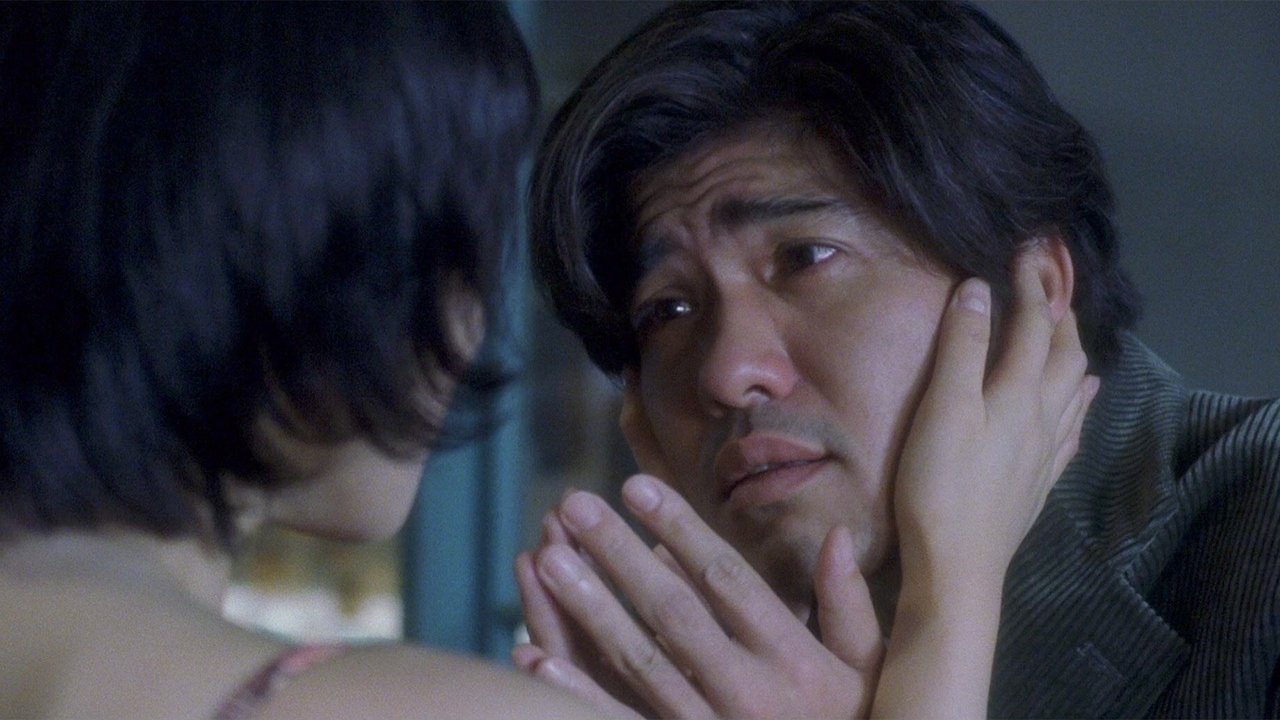
Directed by Jôji Iida, who also penned the screenplay adapting Suzuki's second novel, The Spiral picks up almost immediately after the events of Ring (specifically, Hideo Nakata's 1998 Ring, as cast members bridge the two). We follow pathologist Mitsuo Andô (Kôichi Satô), a man already acquainted with grief, tasked with performing the autopsy on Ryûji Takayama – the cynical professor who met his end staring into the abyss of Sadako's curse in the first film. Andô finds a cryptic note clutched in Takayama's stomach: a sequence of numbers. He also finds something far more disturbing: a benign tumor linked to a smallpox outbreak that shouldn't exist, hinting at a biological vector for the supernatural horror. This is where The Spiral immediately carves its own path. It trades Ring's ghostly apparitions and sudden shocks for a creeping, almost clinical body horror. The curse isn't just a vengeful spirit; it's presented as something akin to a virus, propagating through media, yes, but with tangible, physical consequences explored under Andô's microscope. Kôichi Satô, known for roles across many genres including later work like Sukiyaki Western Django (2007), carries the film with a weary gravitas, his investigation pulling him deeper into a conspiracy far stranger than vengeful ghosts.
A More Complex Malevolence
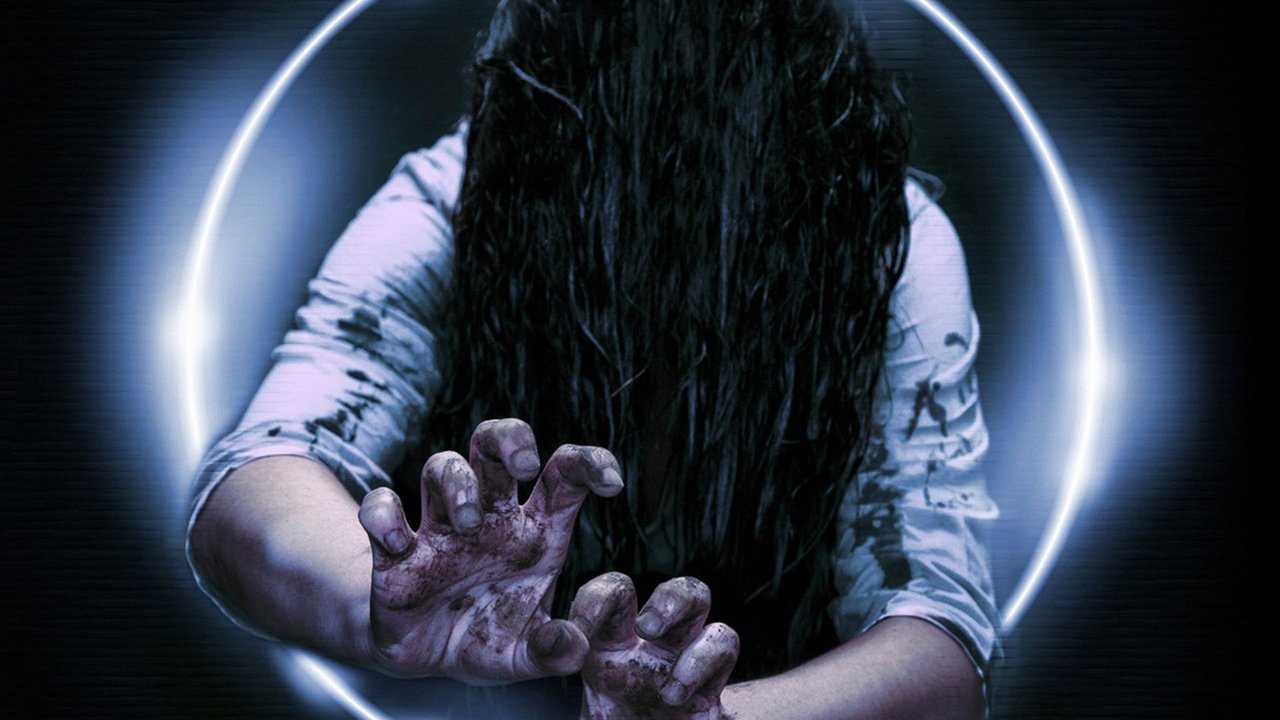
Forget the jerky movements and obscured face that became iconic. The Sadako Yamamura presented here, embodied by Hinako Saeki, is different. Revealed much earlier and more directly, she's less a terrifying enigma and more a complex, tragic figure intertwined with biological reproduction and a desire that transcends simple vengeance. The film delves deeper into the bizarre scientific-supernatural mythology Suzuki laid out in his books, involving cloning, resurrection, and the curse's ultimate goal: rebirth into the world, not just psychic terror. We even see the return of Mai Takano (Miki Nakatani, reprising her role from Nakata's Ring), providing a crucial link but ultimately pulled into this film's unique, darker trajectory. This shift makes The Spiral feel less like a direct horror film and more like a grim, supernatural thriller with sci-fi undertones. The autopsy scenes are unsettling in their detail, and the atmosphere is thick with a sense of inevitable, biological doom rather than jump scares. Does the expanded mythology entirely work? That's debatable. It certainly lacks the primal, visual terror Nakata captured, opting for a more cerebral, and frankly, bewildering, form of horror.
The Road Not Taken
The decision by studio Toho to release both Ring and The Spiral on the same day was a fascinating, if ultimately flawed, marketing gamble. They essentially hedged their bets, offering audiences two different takes on the burgeoning Sadako mythos. History, of course, records a landslide victory for Nakata's Ring. Its atmospheric tension and terrifying visuals resonated powerfully, leaving The Spiral feeling like the less accessible, perhaps overly complicated, sibling. Its $10 million approx. box office haul paled in comparison to Ring's success. So profound was Ring's impact that the studio swiftly commissioned Ring 2 (1999), directed again by Nakata, which completely ignored the events of The Spiral and served as a direct sequel to his film, cementing The Spiral as the "alternate timeline" sequel. Finding this on VHS back in the day felt like uncovering a secret history, a parallel path the franchise could have taken. There was a certain thrill in watching this different interpretation, even if it didn't quite capture the same lightning in a bottle. I distinctly remember the confusion, then the dawning realization, when tracking down these tapes – "Wait, there are two sequels?"
Lingering Unease, Faded Impact
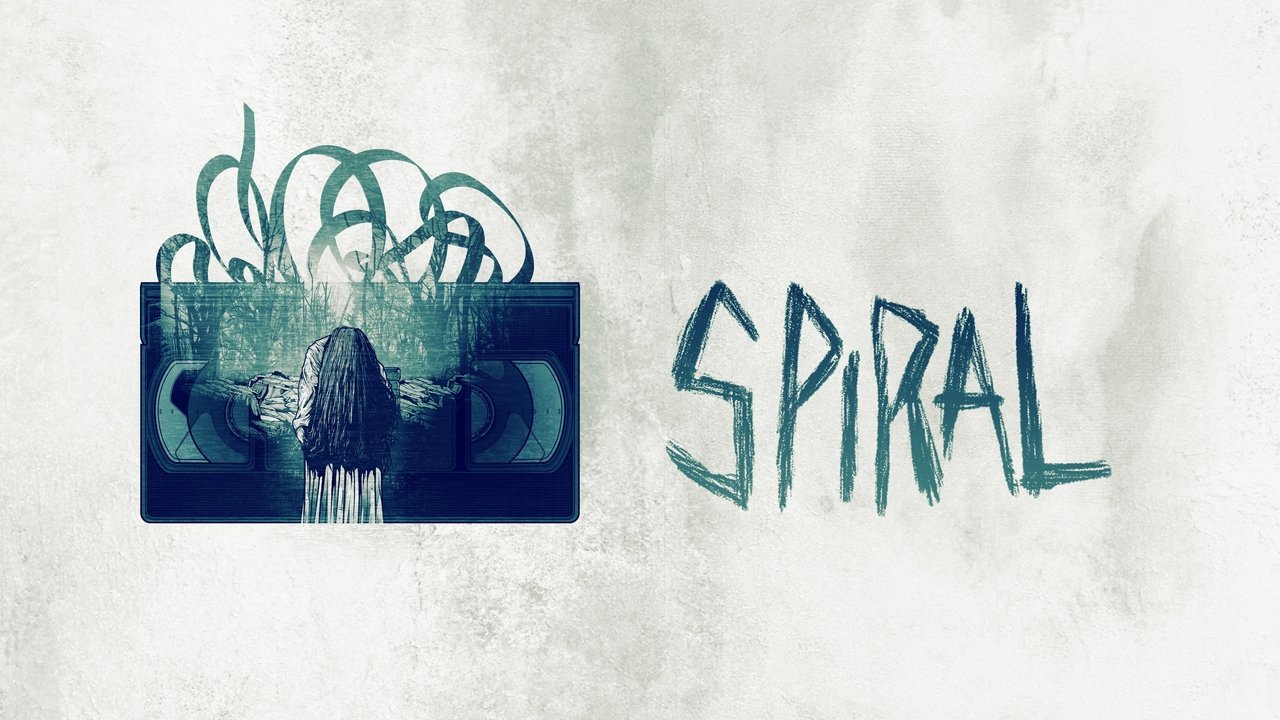
The Spiral remains a compelling curiosity, especially for die-hard fans of Suzuki's original novels, which it arguably represents more faithfully in plot, if not in tone. Jôji Iida crafts a film that feels distinctly different – colder, more analytical, grounded in a bizarre medical horror. Its exploration of the curse as a replicating entity, a supernatural virus seeking to propagate, is genuinely unnerving in concept. The score is suitably moody, and the production design emphasizes a sterile, modern dread that contrasts sharply with Ring's decaying locations. However, it lacks the visceral punch and iconic moments of its counterpart. The pacing can feel sluggish, and the complex plot mechanics sometimes overwhelm the tension. It’s a film that makes you think, perhaps makes your skin crawl with its implications, but rarely makes you jump out of your seat. Did that final twist, involving Andô's ultimate fate and the curse's truly insidious nature, genuinely shock you? It's certainly ambitious, but perhaps too convoluted for its own good.

VHS Heaven Rating: 6/10
The Spiral earns a 6 for its ambition, its unique take on the source material, and its status as a fascinating piece of J-horror history. Kôichi Satô delivers a strong central performance, and the film’s willingness to dive into the weirder, more scientific aspects of Suzuki's lore is commendable. However, it’s hampered by a less effective atmosphere compared to Ring, pacing issues, and a complex plot that ultimately lacks the iconic horror impact that defined the franchise. It’s less terrifying, more intellectually unsettling.
For the dedicated VHS hunter or the J-horror completist, The Spiral is essential viewing – a glimpse into an alternate path, a biological horror film masquerading as a ghost story sequel. It may not have haunted multiplexes like its sibling, but its strange, cold dread lingers in its own peculiar way, a forgotten frequency on the static-filled screen of horror history.