It arrives not with trumpets and celestial choirs, but with the bounce of a basketball and the unease of the everyday. Jean-Luc Godard's Hail Mary (original title: Je vous salue, Marie), released in 1985, wasn't the kind of tape you casually grabbed alongside the latest action flick or teen comedy at the video store. More likely, it was sought out, perhaps whispered about, its reputation preceding it like a crackle of static electricity. It was Godard, after all – the perpetually provocative titan of the French New Wave (Breathless (1960), Weekend (1967)) – tackling nothing less than a modern interpretation of the Virgin Birth. And tackle it he did, sparking immediate, global controversy.

A Familiar Story, Radically Reframed
The premise is deceptively simple: Mary (Myriem Roussel) is a young woman working at her father's gas station and playing basketball. Joseph (Thierry Rode) is her taxi-driving boyfriend, bewildered by her claims of chastity. Then, an enigmatic stranger, Uncle Gabriel (Philippe Lacoste), arrives bearing bewildering news of an immaculate conception. Godard strips the story of overt religious iconography, placing it firmly in a contemporary (mid-80s) setting filled with cars, jets overhead, and the palpable confusion of youth navigating love, faith, and the complexities of the physical body. This isn't a retelling designed for comfort; it’s an intellectual and sensory exploration, less interested in narrative convention than in the collision of the sacred and the mundane.
Godard's Gaze: Nature, Body, Spirit
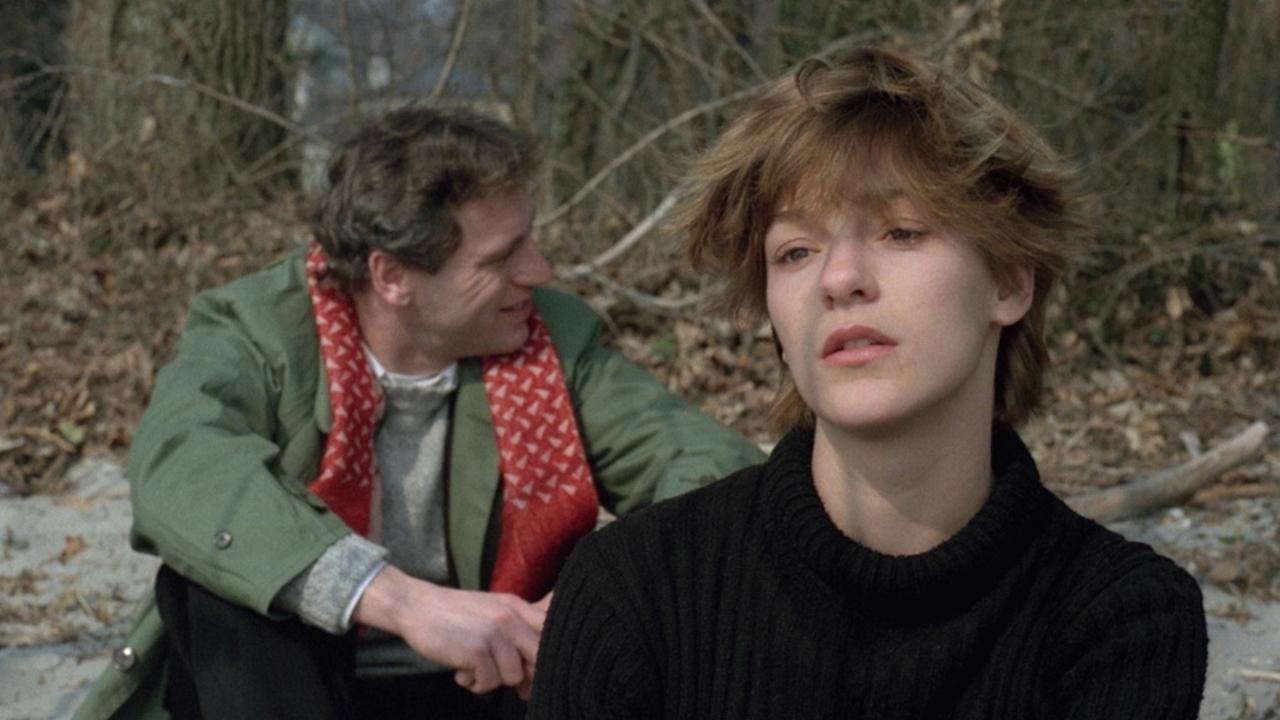
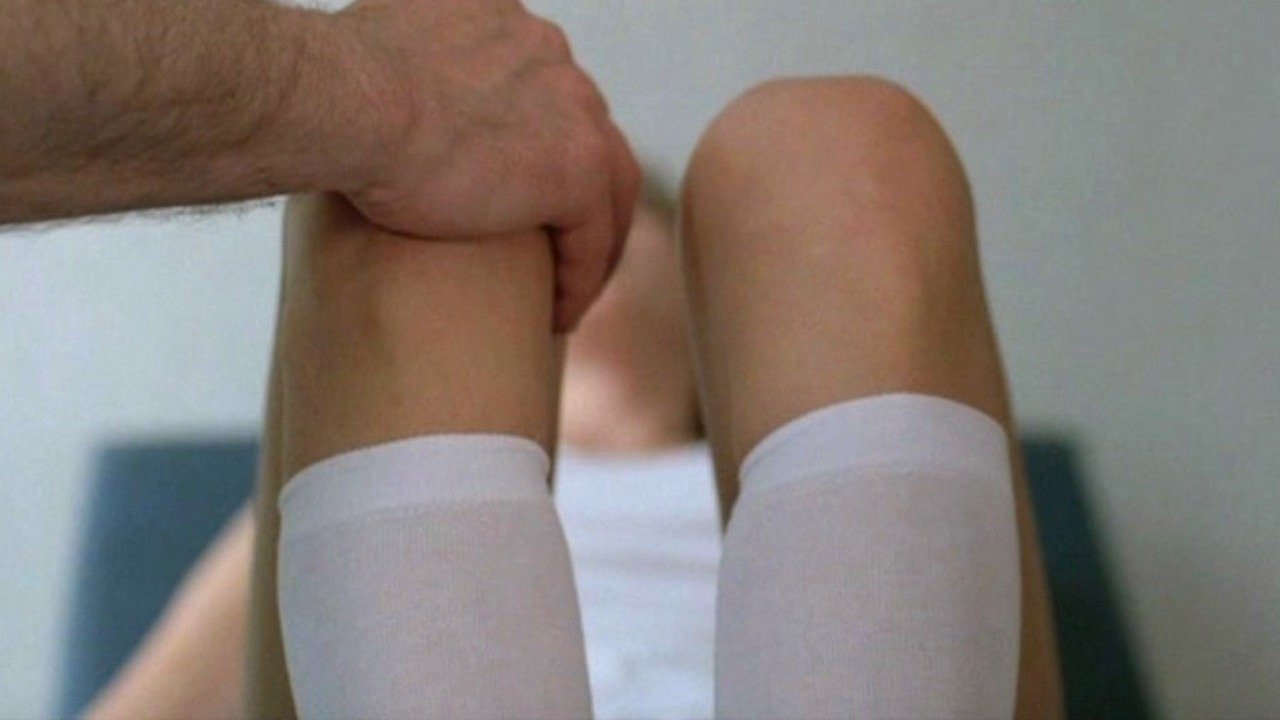
Watching Hail Mary feels less like following a story and more like being immersed in Godard's specific, sometimes jarring, sensibility. The film is punctuated by breathtaking shots of nature – sun-dappled lakes, windswept trees, the vastness of the sky. These moments of visual poetry contrast sharply with the film's frank, sometimes clinical, focus on the human body, particularly Mary's. Godard uses nudity not for titillation, but as part of his inquiry into the relationship between the physical and the spiritual. How can divinity inhabit flesh? What does it mean for the sacred to be housed in a body subject to biology, desire, and doubt?
The performances reflect this challenging approach. Myriem Roussel embodies Mary with a compelling mix of bewilderment, quiet resistance, and eventual, almost detached, acceptance. Her portrayal is less about beatific serenity and more about the struggle to comprehend the incomprehensible happening to her, within her. Thierry Rode as Joseph captures the frustration and skepticism of a young man confronted with a reality that defies logic and threatens his own relationship. Their interactions often feel less like conventional dialogue and more like philosophical exchanges, embodying the film's central tensions.
Echoes of Controversy: A Film That Rattled the Establishment
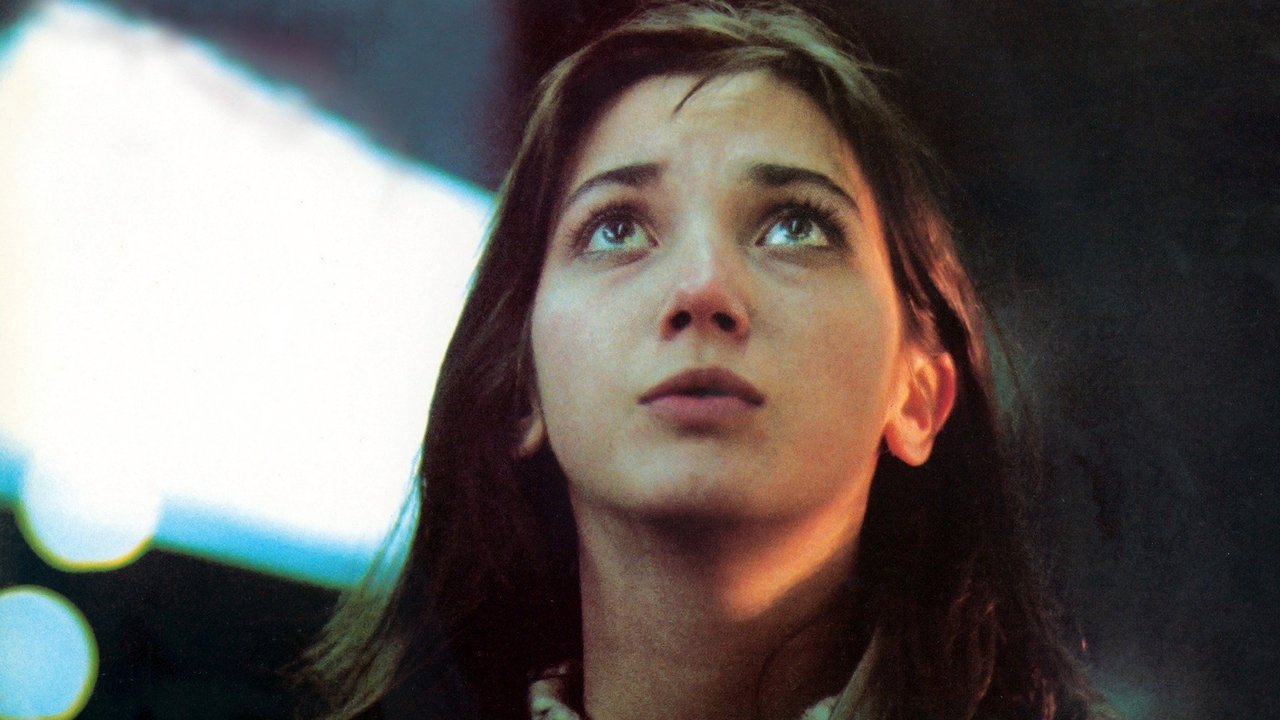

It's impossible to discuss Hail Mary without acknowledging the firestorm it ignited upon release. Condemned by Pope John Paul II, protested vehemently by Catholic groups worldwide, and even subject to censorship or outright bans in some places, the film became infamous. I recall seeing news reports back then, the grainy footage of protests outside cinemas lending the film an almost forbidden aura. Godard himself seemed characteristically unfazed, arguing he was exploring themes of femininity, divinity, and the mystery of conception with sincerity. One fascinating bit of production trivia: Godard apparently consulted theological texts extensively, aiming for a respectful, albeit radically different, perspective. The controversy cemented its place not just in film history, but in the cultural memory of the 80s – a time when certain cinematic challenges to established norms could still provoke such intense reactions. Finding this on VHS often felt like uncovering something illicit, a stark contrast to the usual Friday night rentals.
Often accompanying Hail Mary during its initial run, and sometimes included on VHS releases, was the short film The Book of Mary (Le livre de Marie), directed by Godard's longtime partner Anne-Marie Miéville. This poignant prelude, focusing on the emotional fallout of a young girl whose parents are separating, adds another layer of contemplation about innocence, disruption, and the complexities of family life, subtly echoing the themes in Godard's main feature.
Beyond the Shock: Lingering Questions
Decades removed from the initial outrage, what remains? Hail Mary is undoubtedly a challenging film. Its fragmented narrative, philosophical density, and Godard's deliberate distancing techniques can feel alienating. It demands patience and a willingness to engage with ideas rather than be swept away by plot. Yet, there's an undeniable, austere beauty to its visuals and a profound depth to the questions it raises. It forces contemplation on the nature of faith in a secular age, the mystery inherent in creation (both divine and human), and the enduring power of ancient stories reframed through a modern, questioning lens. Does the film succeed as a devotional piece? Likely not for traditional believers. Does it succeed as a work of provocative, thoughtful cinema that uses a sacred narrative to explore contemporary anxieties? Absolutely.
This wasn't your typical popcorn fare, tucked between Top Gun (1986) and Ferris Bueller's Day Off (1986) on the rental shelf. It was something else entirely – a piece of challenging European art cinema that somehow found its way into the mainstream consciousness, largely through the noise surrounding it.
Rating: 7/10
This score reflects the film's undeniable artistic ambition, its visual grace, and its historical significance as a cultural lightning rod. Godard's challenging, sometimes opaque style prevents it from being universally accessible, and its deliberate provocations won't resonate with everyone. However, its willingness to grapple with profound themes in a unique cinematic language makes it a significant, if difficult, piece of 80s filmmaking. The 7 acknowledges its artistic merit and importance, while recognizing it’s far from an easy or conventionally entertaining watch.
Hail Mary remains a testament to a time when cinema could still feel dangerous, capable of sparking debate and forcing introspection in a way that feels increasingly rare. It lingers not necessarily as a cherished favourite, but as a potent question mark etched onto the landscape of 80s film.