Okay, fellow travelers through the magnetic tape archives, let’s dim the lights and talk about a film that likely wasn't perched on the "New Releases" wall at your local Blockbuster, but might have lurked, enigmatic and vaguely dangerous, on a dusty shelf marked "Foreign" or "Art House." I'm talking about Jean-Luc Godard's First Name: Carmen (Prénom Carmen), released in 1983. Finding this on VHS felt like uncovering a secret transmission, something beamed in from another frequency entirely.

It’s a film that announces its strangeness immediately, not with a bang, but with the sublime, searching notes of Beethoven's late string quartets. This isn't background music; it is the film, as much as the fractured narrative that unfolds alongside it. We see the musicians, the Quatuor Prat, rehearsing intensely, their focus a stark counterpoint to the chaotic, almost anarchic energy of the main plot. What even is the plot? Well, it loosely orbits the Carmen mythos, but forget Bizet's opera or Mérimée's novella as a direct guide. This is Godard territory.
Deconstructing Carmen
Here, Carmen, played with a raw, almost feral energy by Maruschka Detmers, isn't a fiery cigarette girl but a member of a vaguely defined terrorist group planning a kidnapping disguised as a film shoot. Jacques Bonnaffé is Joseph, the bewildered police officer drawn into her orbit during a bank robbery that feels both terrifyingly real and oddly staged. Their affair is less grand passion, more confused collision – bodies meeting in starkly depicted encounters, dialogue often feeling like cryptic pronouncements rather than conversation.
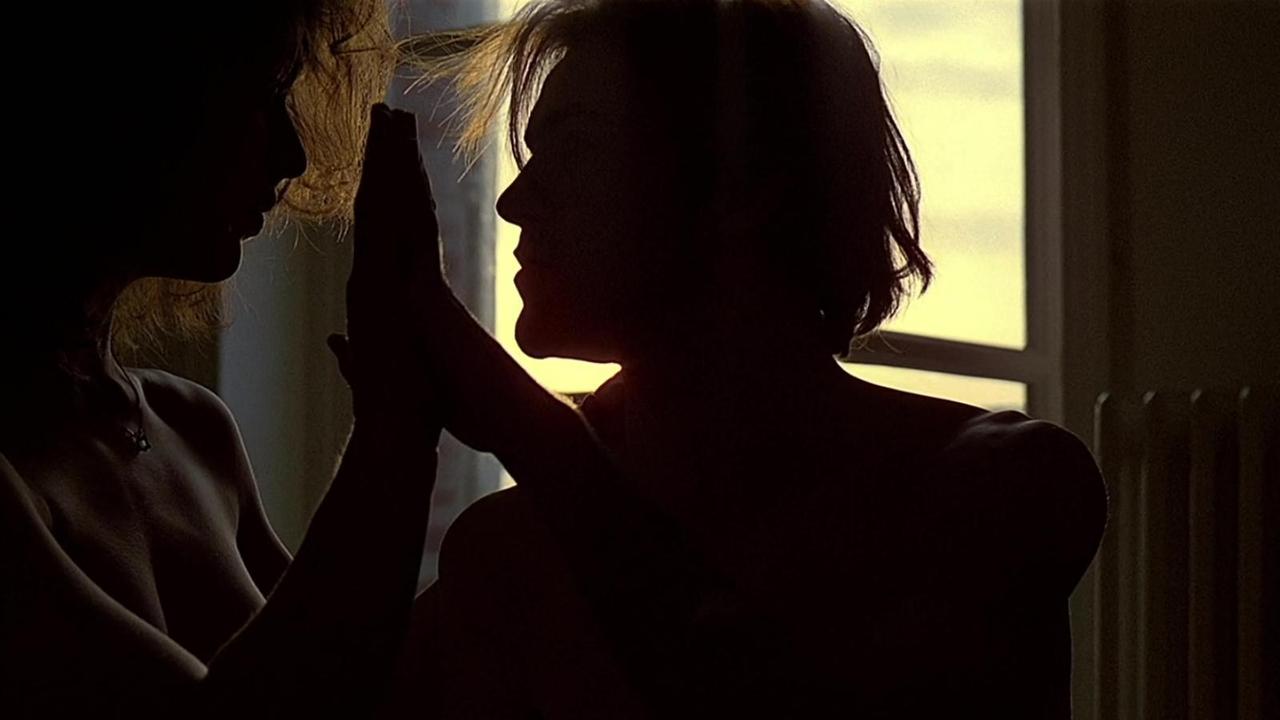
What sticks with you about Detmers' performance isn't conventional character depth, but a potent physical presence. Her frequent nudity, which certainly generated buzz back in the day, feels less titillating and more like a statement – vulnerability intertwined with threat, the body as both object and weapon. It’s a challenging portrayal, demanding we look beyond simple motivations. Bonnaffé, meanwhile, perfectly captures the sense of a man completely adrift, his descent less a tragic arc and more a bewildered stumble into chaos. Godard himself appears as "Uncle Jean," a washed-up, slightly pathetic filmmaker convalescing in a hospital, perhaps a self-deprecating nod to his own artistic struggles.
Godard in the 80s: A Different Signal
Coming after his intensely political, collaborative work of the late 60s and 70s, First Name: Carmen marked a phase where Godard, the iconic director of Breathless (1960), returned to narrative filmmaking, albeit on his own fiercely unconventional terms. But this wasn't a smooth transition back to mainstream storytelling. The film feels deliberately fractured. Jump cuts abound, sound often disconnects jarringly from image, and scenes end abruptly or meander unexpectedly. It's as if Godard is constantly reminding us we're watching a construct, questioning the very nature of storytelling and representation.
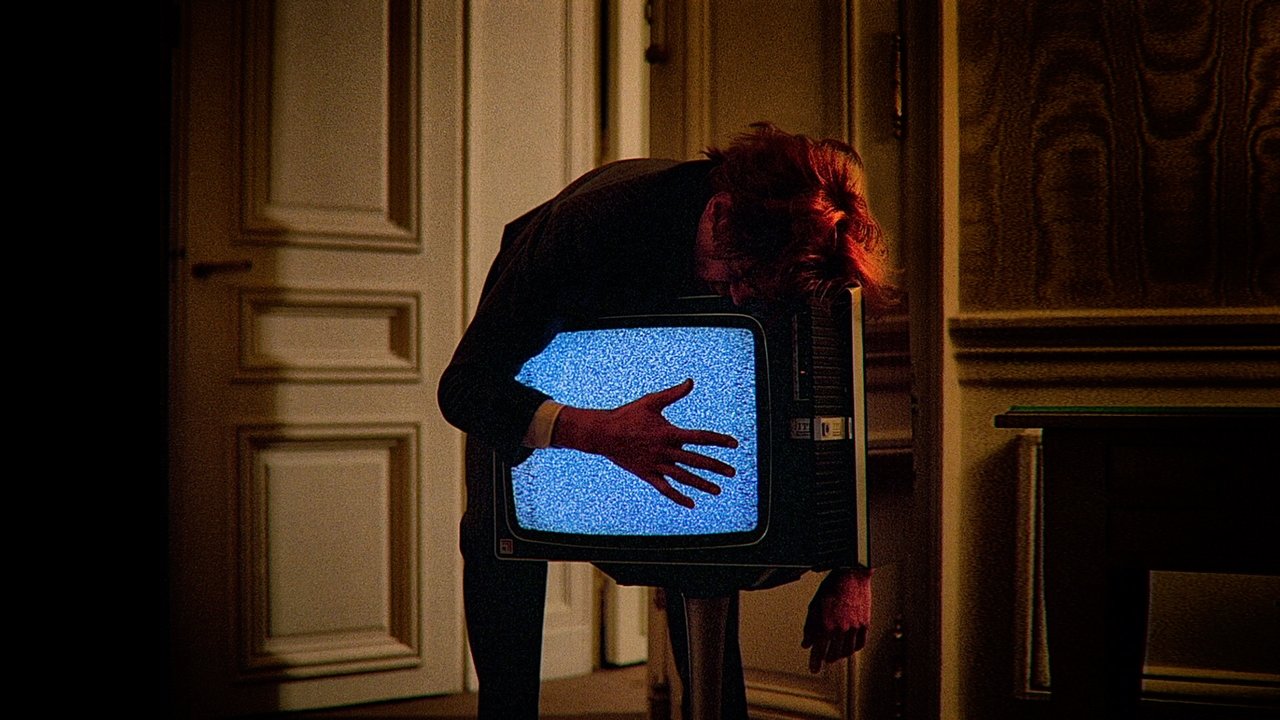
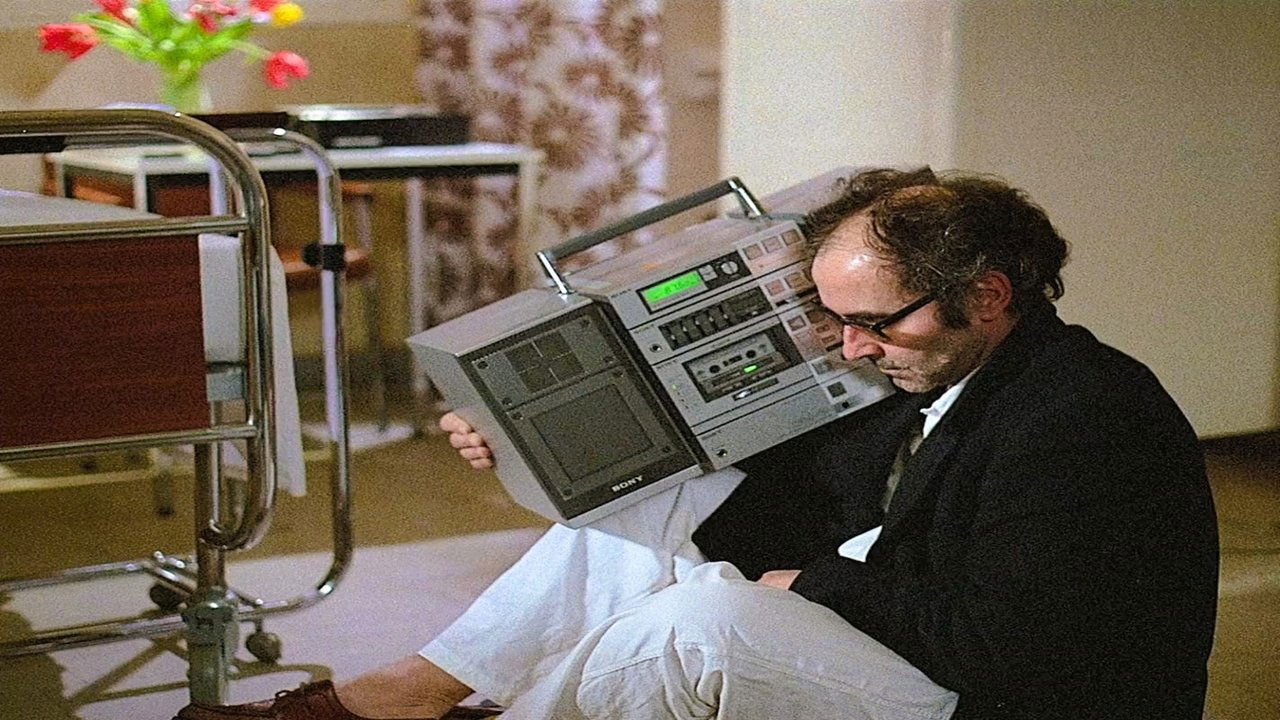
It's fascinating to remember this film snagged the Golden Lion at the Venice Film Festival in 1983. Imagine the stir – this challenging, deconstructed piece winning the top prize. It certainly wasn't aiming for crowd-pleasing universality. Watching it on VHS, perhaps on a slightly fuzzy CRT screen, the visual textures – the interplay of natural light, shadow, and occasional bursts of violence – felt uniquely potent. The graininess of the tape somehow complemented the film's raw, unfinished feel.
Art, Violence, and the Ghost in the Machine
The film constantly plays with layers of reality. Are Carmen's group actual terrorists, or just playing roles for Uncle Jean's film? Is the bank robbery "real" within the narrative, or part of the film-within-the-film? Godard seems less interested in providing answers than in exploring the porous boundaries between life, art, violence, and desire. The Beethoven quartets, particularly those intensely introspective late works composed in deafness and isolation, weave through the narrative like a Greek chorus commenting from a higher plane. Does their sublime beauty redeem the sordid human drama, or merely highlight its tragic incoherence? It's a question the film leaves hanging, resonating long after the tape spools to its end.
This wasn't a film you casually discussed around the water cooler the next day, not like Return of the Jedi (also 1983). Discovering First Name: Carmen felt like finding a coded message, a challenge whispered from the fringes of the cinematic landscape. It demanded attention, perhaps frustration, but offered glimpses of something audacious and strangely beautiful amidst its deliberate provocations. It’s a reminder that even within the familiar plastic shell of a VHS cassette, startlingly different visions could be found.
Rating: 7/10
This rating reflects the film's undeniable artistic ambition, its arresting visual style, and the sheer audacity of Godard's approach. Maruschka Detmers' performance is unforgettable, and the use of Beethoven is masterful. However, its deliberately fragmented narrative and intellectual coolness can also feel alienating, keeping the viewer at arm's length. It’s not an easy watch, nor is it meant to be. The 7 acknowledges its brilliance and importance within Godard's filmography while conceding it demands significant effort from the viewer, making it a challenging artifact from the VHS era, but a rewarding one for the adventurous cinephile.
It leaves you pondering not just the story, but the very act of watching and interpreting – a puzzle box disguised as a movie, rewinding in your mind long after the VCR clicks off.