It arrives like a dream, or maybe a half-remembered bruise. Not bathed in the warm, sometimes saccharine glow we often associate with 80s teen films, but steeped in shadow, smoke, and the stark contrasts of black and white. Watching Francis Ford Coppola’s Rumble Fish (1983) again, decades after first pulling that distinctive VHS tape from the shelf, feels less like revisiting a movie and more like sinking into a mood piece, a stylized elegy for a certain kind of lost youth. It’s a film that feels deliberately untethered from time, even as clocks tick relentlessly on screen, a quality that perhaps makes its melancholic poetry resonate even more deeply today.
An Art Film Posing as a Gang Picture
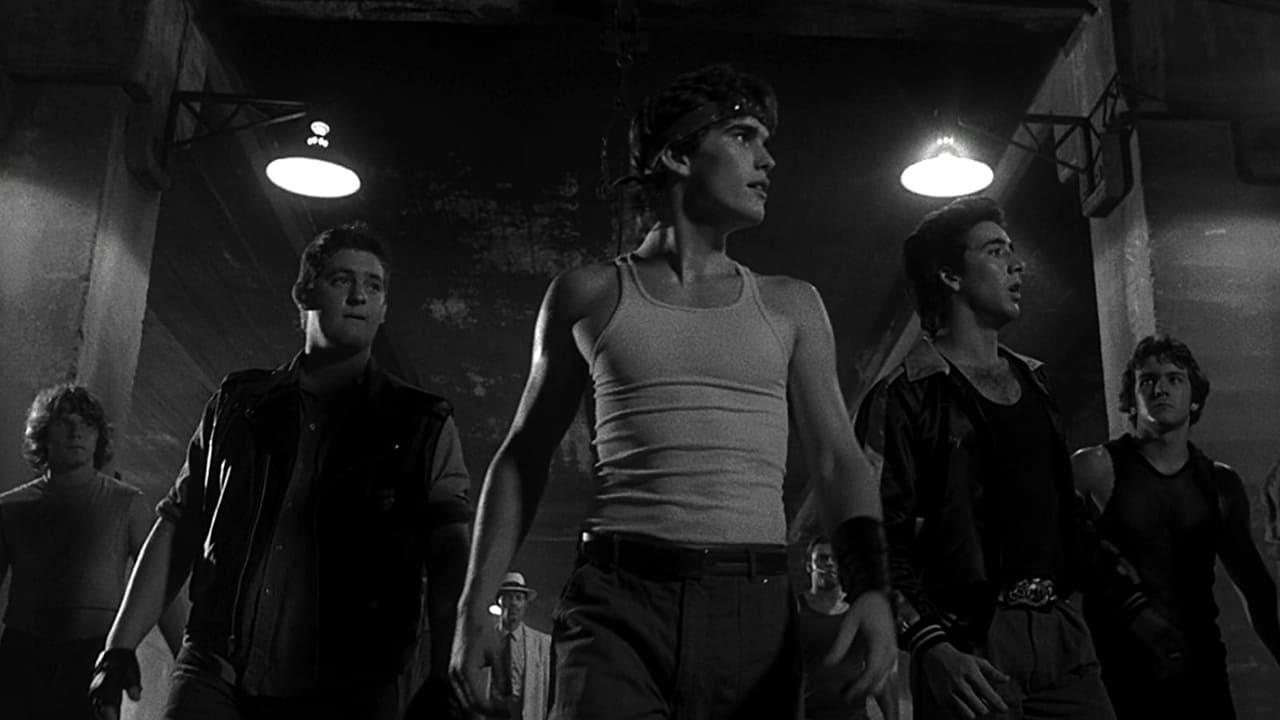
Coming off the more conventionally romanticized The Outsiders (released the same year and also based on a novel by S. E. Hinton), Rumble Fish felt like Coppola throwing down a different kind of gauntlet. Filmed back-to-back with its sibling picture, often using the same Tulsa locations and some of the same young actors, this was Coppola’s self-proclaimed "art film for kids." It's a daring experiment, shot almost entirely in gorgeous, high-contrast black and white by cinematographer Stephen H. Burum, save for the titular Siamese fighting fish, swimming in vibrant colour within their suffocating tanks. Why the fish? Theories abound, but perhaps they represent the trapped beauty and aggression The Motorcycle Boy sees in the world, or the only flicker of true life in a landscape drifting towards monochrome despair. It's a bold choice, one that alienated some audiences looking for another Outsiders, contributing to its initial $2.5 million box office return against a $10 million budget. But oh, how that choice serves the film's bruised soul.
The Brothers Grim
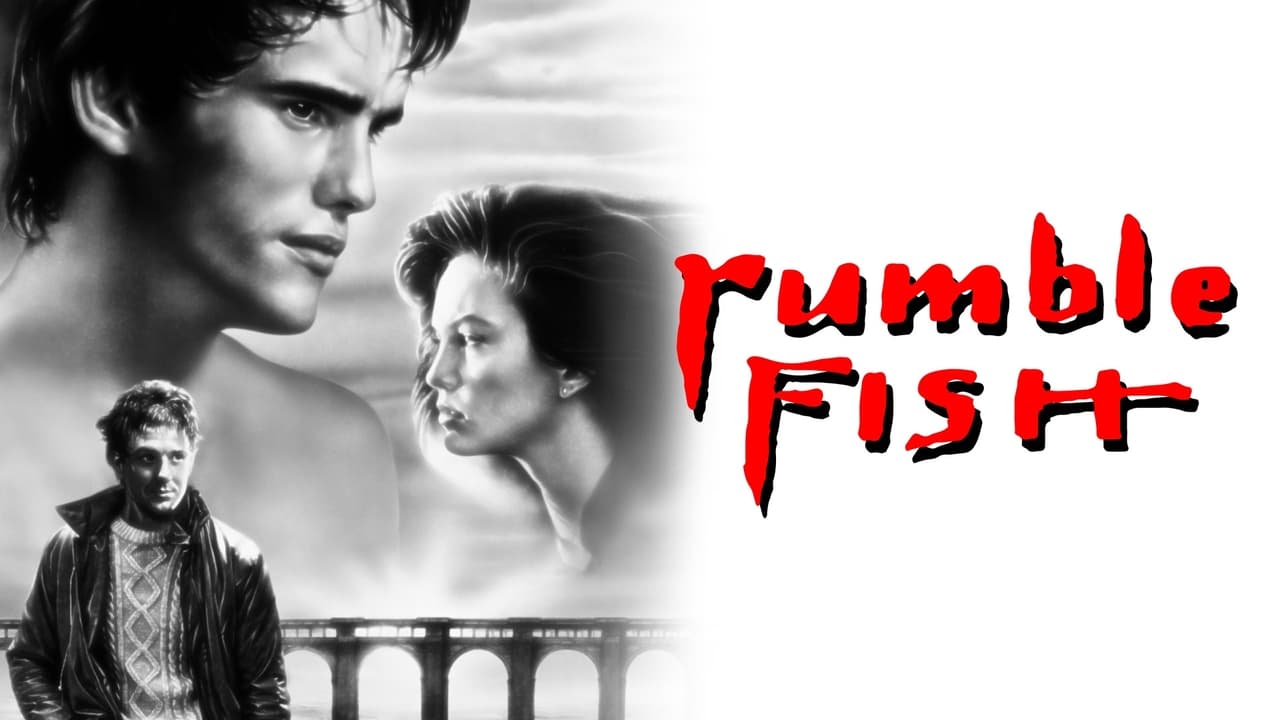
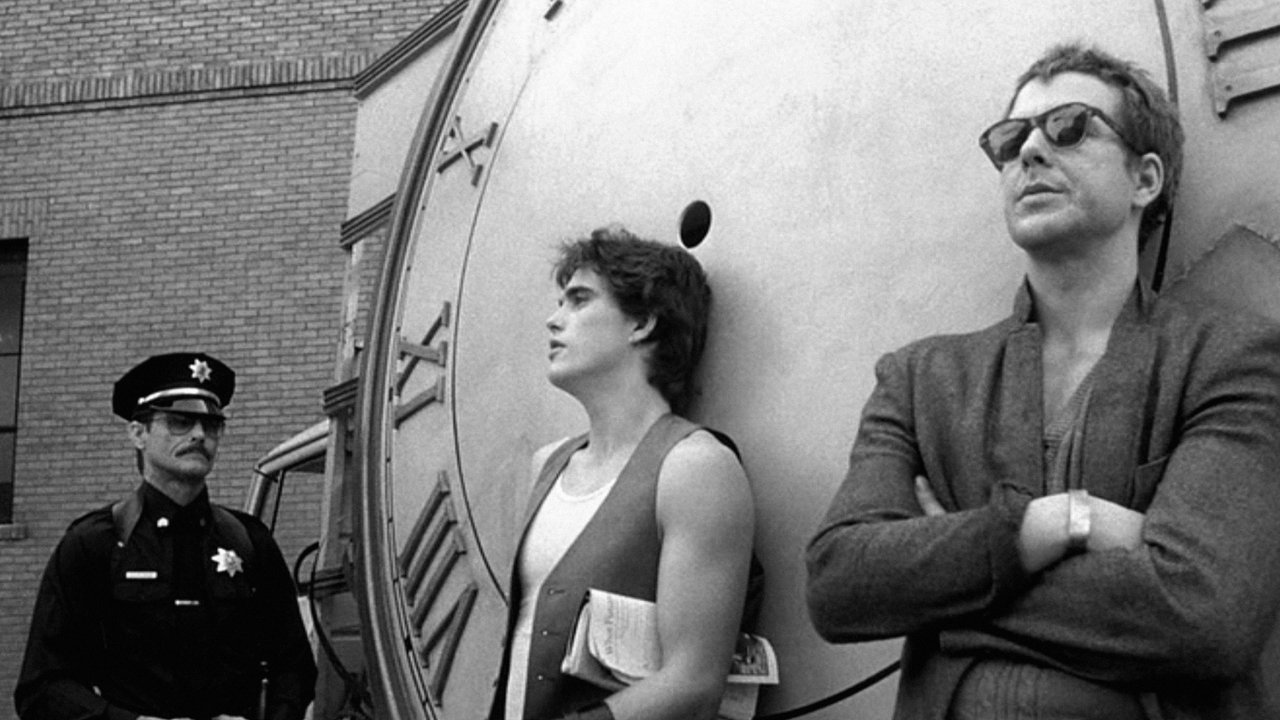
At its core, Rumble Fish is about Rusty James (Matt Dillon) and his almost mythical older brother, The Motorcycle Boy (Mickey Rourke). Dillon, fresh off playing Dallas Winston in The Outsiders, gives a performance crackling with restless energy, confusion, and a desperate yearning for a past glory he never truly experienced. He wants the gang fights, the reputation, the legend – everything his brother seems to have walked away from. Rusty James isn’t malicious, just… adrift, trying to emulate an idol who no longer fits the mould. Dillon perfectly captures that mix of bravado and underlying vulnerability; you see the scared kid beneath the leather jacket.
And then there's Rourke. His Motorcycle Boy is less a character and more an enigma, a whisper made flesh. He moves through the film with a strange, detached grace, speaking in cryptic pronouncements ("If you're going to lead people, you have to have somewhere to go"). Rourke reportedly immersed himself deeply, sometimes unsettlingly so, into the role, lending the character an ethereal, slightly damaged quality that feels utterly authentic. He’s colourblind, partially deaf, and seemingly disconnected from the violent world he once ruled. Is he wise? Burnt out? Or simply seeing things others can't? Rourke's performance is hypnotic, making The Motorcycle Boy one of the most haunting figures in 80s cinema. Their dynamic – the desperate yearning of one, the quiet sorrow of the other – fuels the film's tragic engine.
A Symphony of Style and Sound

Coppola leans heavily into expressionistic techniques – dramatic shadows swallowing characters whole, tilted camera angles reflecting a world off-kilter, time-lapse clouds skudding across the sky like fleeting thoughts. The fog-drenched Tulsa streets feel less like a real place and more like a stage for an existential play. This heightened reality is amplified immeasurably by Stewart Copeland's groundbreaking score. The Police drummer crafted something truly unique here, a percussive, rhythmic soundscape built with early sampling technology (the Musync system) that feels less like traditional film music and more like the anxious heartbeat of the city itself. It’s jarring, experimental, and absolutely integral to Rumble Fish's distinctive atmosphere. I remember how that soundtrack, even on a fuzzy VHS copy played through a modest TV speaker, felt utterly modern and strange back then.
More Than Just Faces in the Crowd
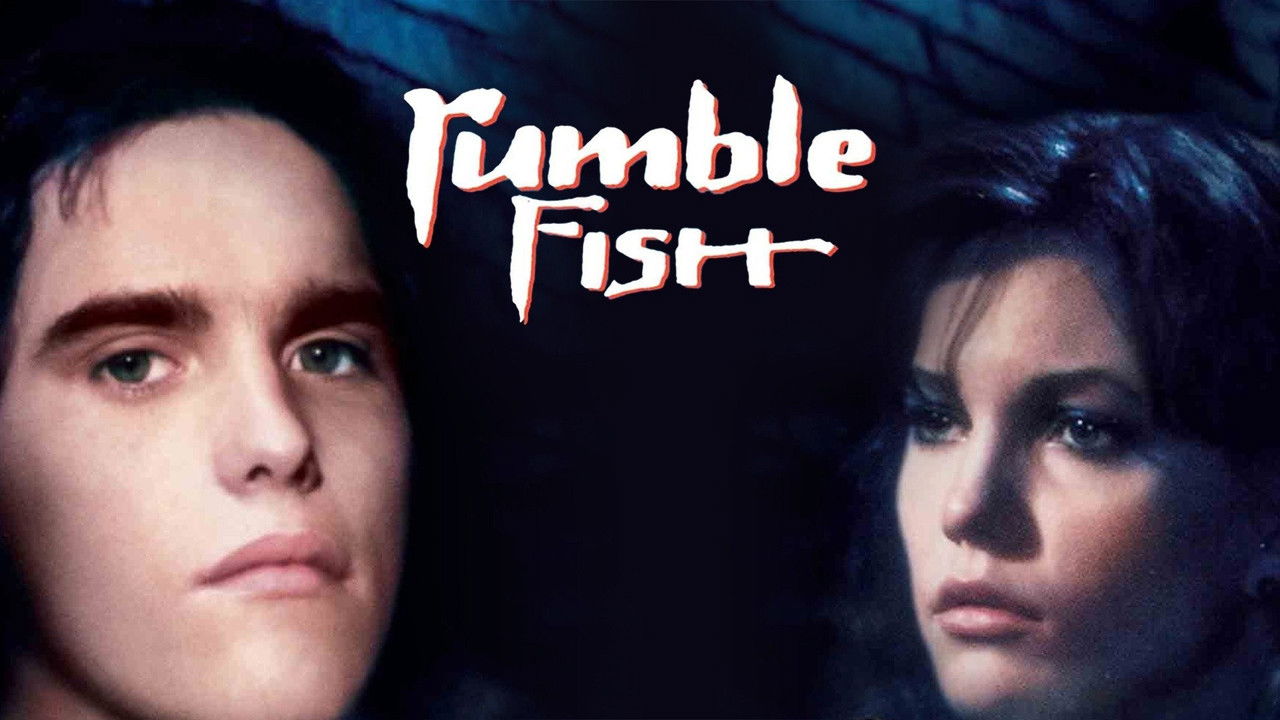
The supporting cast is a treasure trove of familiar faces, many on the cusp of stardom. Diane Lane brings warmth and frustration as Patty, Rusty James's long-suffering girlfriend, caught between affection and exasperation. Dennis Hopper delivers a typically memorable turn as the boys' estranged, alcoholic father, offering fragmented moments of weary wisdom. And look closely – there’s a young Nicolas Cage as one of Rusty James’s crew, alongside Chris Penn and Laurence Fishburne. Each adds texture to this stylized world, grounding the artifice in brief moments of recognizable human behaviour. Hinton herself even has a cameo as a prostitute, a testament to the close collaboration between author and director across both Tulsa films.
Echoes in the Alley
Rumble Fish wasn't a hit. It was too strange, too downbeat, too European in its sensibilities for mainstream audiences in 1983. Yet, its influence lingers. You can see traces of its visual DNA and brooding tone in later independent films and music videos. It remains a testament to Coppola's willingness to take risks, even after the monumental efforts of Apocalypse Now (1979) and the financial disappointment of One from the Heart (1981). He channeled his creative energy into something deeply personal, using Hinton's potent story as a springboard for visual and sonic experimentation.
For those of us who discovered it tucked away in the drama section of the video store, perhaps expecting something more straightforward, Rumble Fish offered something different. It was proof that a "teen movie" could be challenging, ambiguous, and visually stunning. It didn't offer easy answers or triumphant endings. Instead, it left you with images, sounds, and a lingering feeling of melancholy beauty. What does it mean to live in the shadow of a legend? Can you ever truly escape your past, or your nature? The film doesn't preach; it simply presents its world and lets the questions hang in the smoky air.
Rating: 9/10
This near-perfect score reflects the film's audacious artistry, its unforgettable atmosphere, and the raw power of its central performances. While its deliberate pace and stylistic choices might not connect with everyone, Rumble Fish stands as a bold, beautiful, and haunting piece of filmmaking. It’s a film that earns its cult status not through camp or nostalgia alone, but through genuine artistic merit and emotional depth that feels just as potent, maybe even more so, decades later.
It’s more than just a movie; it’s a mood, a poem written in monochrome and shadow, a cult classic VHS that truly rewards the patient viewer willing to dive into its beautiful, murky depths.