It wasn't always the explosive action flicks or the creature features that ended up commanding the VCR late at night. Sometimes, scrolling through the slightly dog-eared covers at the back of the rental store, you'd find something… different. A tape promising not necessarily thrills, but perhaps a challenge, a puzzle box wrapped in celluloid. Jean-Luc Godard's Passion (1982) was often one of those tapes – a film whose very presence felt like an anomaly amidst the more commercial fare, hinting at a cinematic experience far removed from the usual Friday night rental.
A Canvas, Not a Story
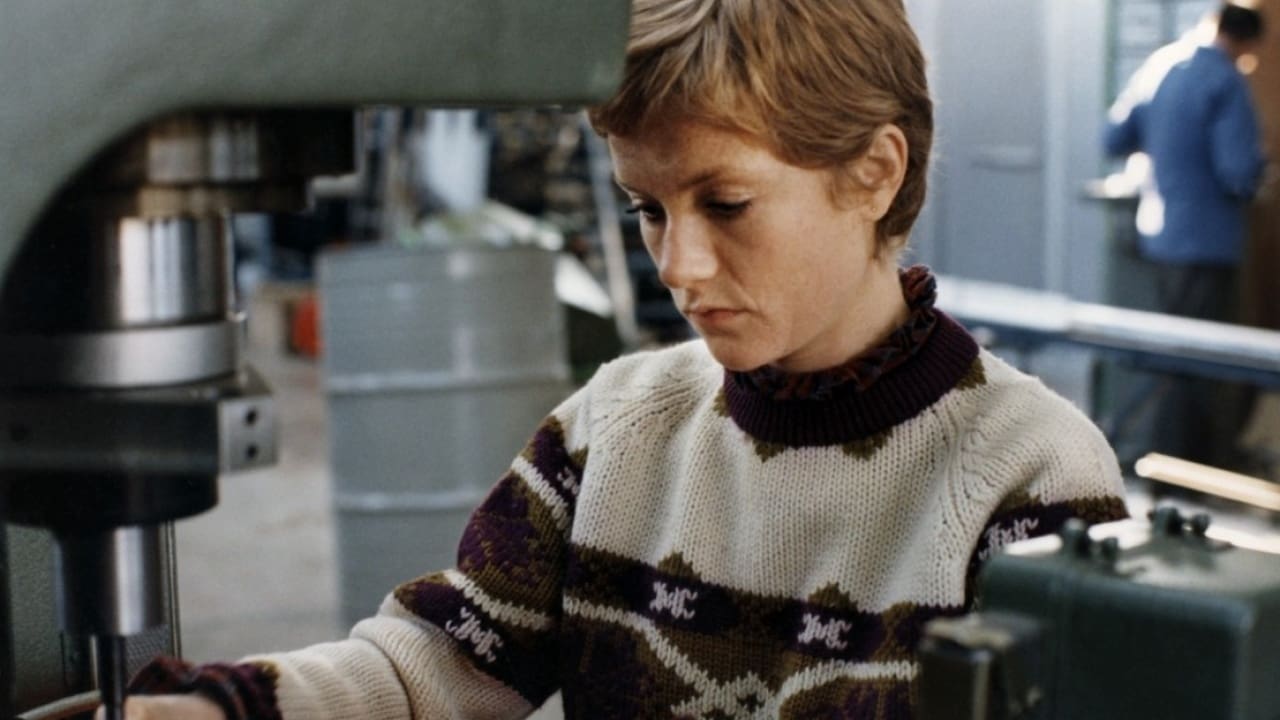
Trying to describe the "plot" of Passion feels a bit like trying to nail jelly to a wall. It loosely revolves around a Polish film director, Jerzy (played with a weary intensity by Jerzy Radziwilowicz), attempting to shoot a lavish production featuring recreations of classic European paintings – Rembrandt, Goya, Delacroix. Simultaneously, we observe the intersecting lives of Isabelle (Isabelle Huppert), a determined factory worker with a stutter who gets unjustly fired, Hanna (Hanna Schygulla, bringing her trademark Fassbinder-honed charisma), the pragmatic hotel owner having an affair with the factory boss Michel (Michel Piccoli), who is, in turn, financing Jerzy's seemingly impossible film. But these threads don't weave a conventional narrative; they exist more as orbits around a central, pulsating question about the relationship between art, labour, love, and commerce. Forget A-to-B storytelling; this is Jean-Luc Godard returning to a semblance of narrative filmmaking after his more radical political period, but still fundamentally deconstructing the medium itself.
Light, Shadow, and the Human Form
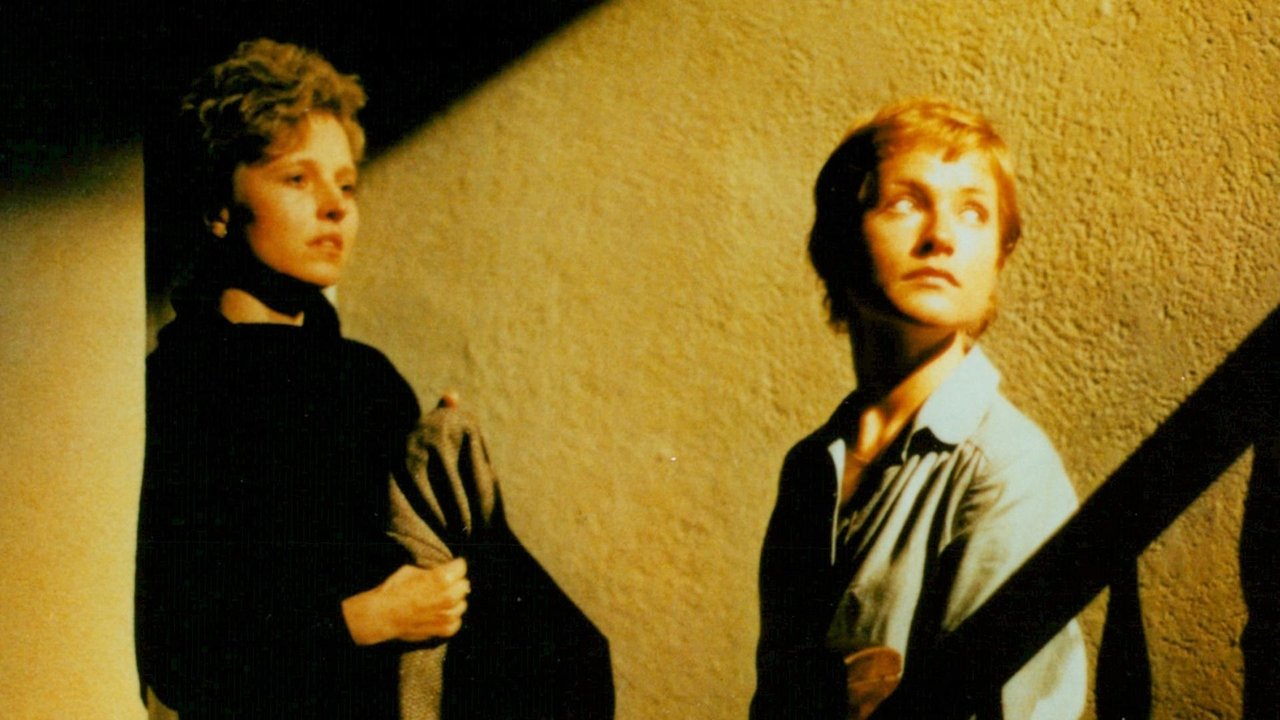
What truly stays with you after the static hiss fills the screen at the end of Passion are the images. Godard, alongside legendary cinematographer Raoul Coutard (who shot many of the French New Wave's defining films, including Godard's own Breathless), doesn't just film scenes; he paints with light. The tableaux vivants – those living paintings – are breathtaking. Seeing actors meticulously posed to recreate masterpieces like Goya's "The Third of May 1808" or Rembrandt's "The Night Watch" under Jerzy's frustrated direction is hypnotic. There's a fascinating tension here: the frozen perfection of the paintings versus the messy, complicated lives unfolding outside the studio. It’s a deliberate comparison, forcing us to consider what constitutes beauty, effort, and "passion" – is it the artist striving for transcendence, or the worker fighting for dignity? Godard apparently spent a significant portion of the film's budget perfecting the lighting for these sequences, sometimes using immense, complex rigs to mimic the specific qualities of light found in the original paintings. It was a painstaking process, mirroring the very artistic struggle depicted within the film.
Navigating Godard's Vision
The performances are remarkable precisely because the actors aren't just playing characters; they're navigating Godard's dense thematic landscape. Isabelle Huppert, already a formidable presence in European cinema, embodies vulnerability and fierce resolve as the worker Isabelle. Her stutter isn't just a character trait; it feels symbolic of the difficulty of expression, of finding one's voice against oppressive systems – a recurring Godard theme. Hanna Schygulla, as the hotelier caught between Jerzy's artistic world and Michel's industrial one, provides a grounded, almost weary counterpoint. And Michel Piccoli, a frequent Godard collaborator (memorably in Contempt), is perfect as the factory owner, embodying the compromises and perhaps the hollowness of capital when faced with pure artistic endeavour. They often seem adrift in Godard's fragmented structure, delivering lines that feel more like philosophical provocations than natural dialogue, yet their screen presence anchors the film's more abstract explorations.
A Different Kind of VHS Gem
Let's be honest, finding Passion on VHS back in the day was likely a different experience than grabbing the latest Schwarzenegger release. It wasn't a film for casual viewing. The fractured narrative, the dense dialogue often overlapping or submerged in the mix, the critiques of capitalism and the filmmaking process itself – it demands attention, patience, and perhaps a willingness to let the experience wash over you rather than trying to piece together every connection logically. Godard even made a companion piece, Scenario du film 'Passion', a video essay exploring the film's conception and themes, highlighting how much the process and the ideas behind the film mattered to him. Encountering this on a fuzzy CRT screen might have even added another layer – the inherent imperfections of the format perhaps oddly complementing a film so concerned with the struggle towards an elusive perfection. It competed for the Palme d'Or at Cannes in 1982, signaling its artistic ambitions, even if it wasn't destined for multiplex success.
Lingering Images, Lingering Questions
Passion isn't easily digestible, nor is it meant to be. It’s less a story and more a series of visually stunning, intellectually stimulating fragments that orbit complex ideas. It’s a film that asks more questions than it answers: What is the cost of creating art? Where does beauty truly reside – in the hallowed halls of a gallery, or in the resilience of the human spirit? Can love and labour coexist with artistic obsession? Watching it feels like wandering through an art installation, catching glimpses of profound beauty and unsettling truths.
Rating: 7.5/10
Justification: The score reflects the film's undeniable artistic achievement, particularly its breathtaking visuals and the commitment of its performers. Coutard's cinematography alone is worth the price of admission (or rental!). However, its deliberately opaque narrative and challenging structure make it less accessible than typical VHS fare, potentially frustrating viewers seeking conventional storytelling. It's a rewarding experience for the patient cinephile, but undeniably niche.
Final Thought: Passion remains a potent example of late-period Godard – challenging, beautiful, and ultimately unforgettable, leaving you pondering the complex relationship between the images we create and the lives we live long after the tape runs out.