It wasn't exactly tucked between Raiders of the Lost Ark and The Empire Strikes Back down at the local video store, was it? Finding Jean-Luc Godard's 1980 film Sauve qui peut (la vie) (often known in English as Every Man for Himself) usually meant venturing into the somewhat intimidating 'Foreign' or 'Art House' section, perhaps guided by a curious impulse or a recommendation from that one clerk who seemed to have seen everything. Godard himself famously dubbed it his "second first film," a declaration that signaled his return to more narrative-driven (though still distinctly Godardian) filmmaking after years of experimental video work. Renting this tape wasn't just picking up a movie; it felt like accepting a challenge, an invitation into a different kind of cinematic landscape.
A Fractured Look at Lives Intersecting
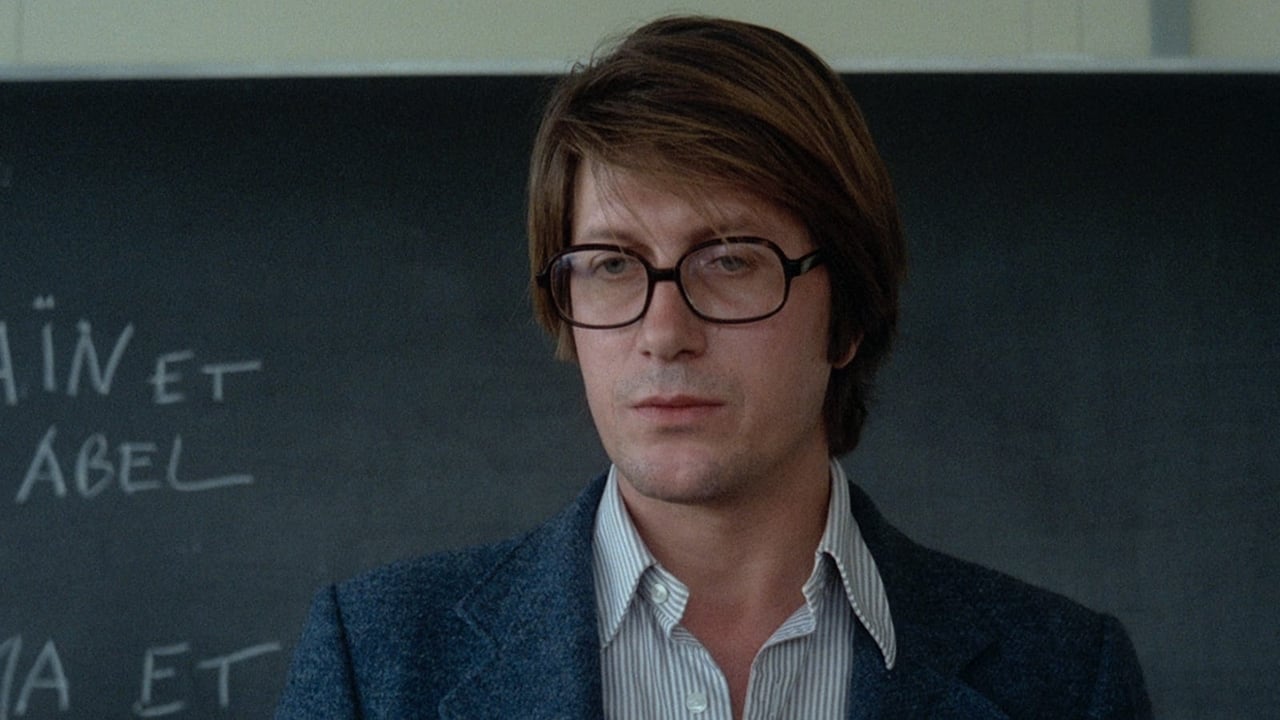
The film doesn't offer a simple story. Instead, it presents fragments from the lives of three loosely connected individuals in urban Switzerland: Paul Godard (played with a certain world-weary detachment by French singer/actor Jacques Dutronc), a television director leaving his job and navigating the wreckage of his personal relationships; Denise Rimbaud (Nathalie Baye, radiating quiet resilience), his former lover trying to escape the city for a simpler country life; and Isabelle Rivière (Isabelle Huppert, utterly magnetic and inscrutable), a country girl working as a prostitute in the city to achieve financial independence. Their paths cross, diverge, and sometimes collide, painting a picture of alienation, compromised desires, and the often brutal mechanics of survival – both economic and emotional – in a modern capitalist world.
Godard's Signature, Reimagined

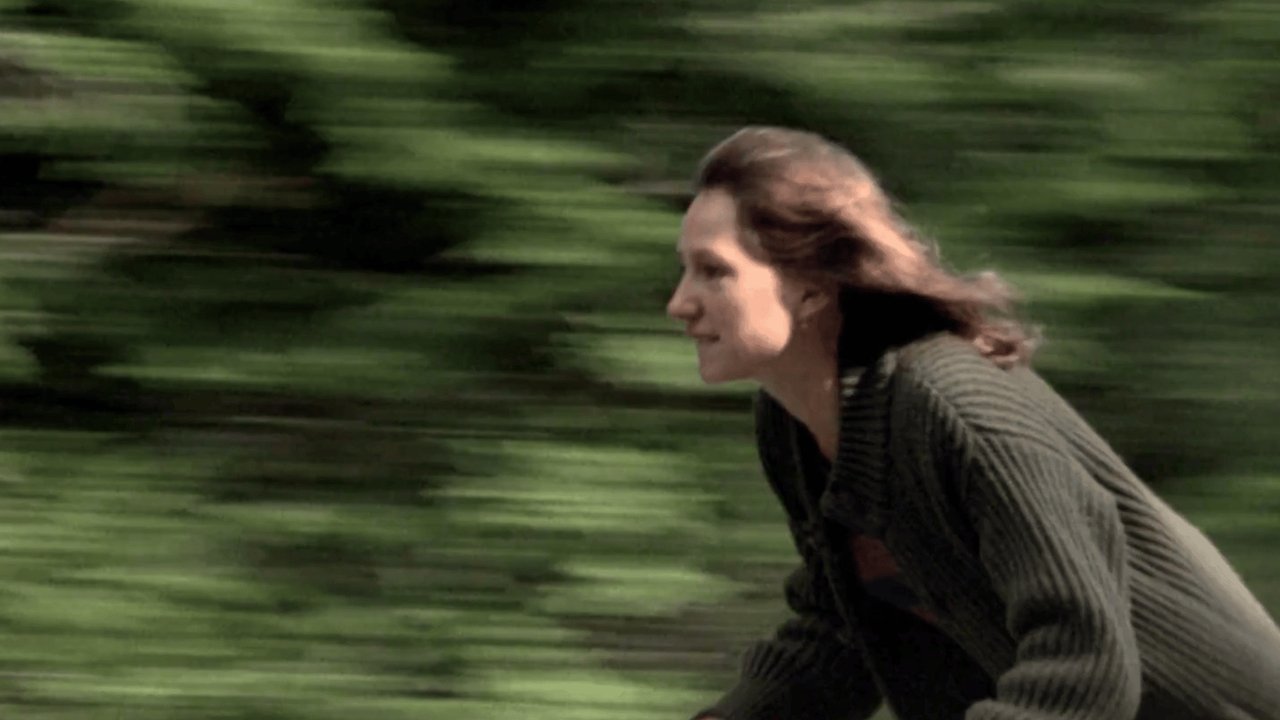
Even returning to narrative, Godard couldn't help but deconstruct it. Every Man for Himself is punctuated by jarring jump cuts, sudden shifts in sound, and, most strikingly, the repeated use of step-printed slow motion. These aren't the graceful ballets of action movie slo-mo; they're stuttering, analytical decelerations that force you to examine movement, gesture, and the very texture of bodies and faces under duress. It’s as if Godard is dissecting moments, searching for truth within the image but finding only ambiguity and unease. This technique, apparently achieved by shooting at varied frame rates and then optically printing selected frames multiple times, gives the film a unique, unsettling visual rhythm that stays with you. It feels less like a flaw and more like a deliberate disruption, a refusal to provide easy visual comfort.
Performances Under a Microscope
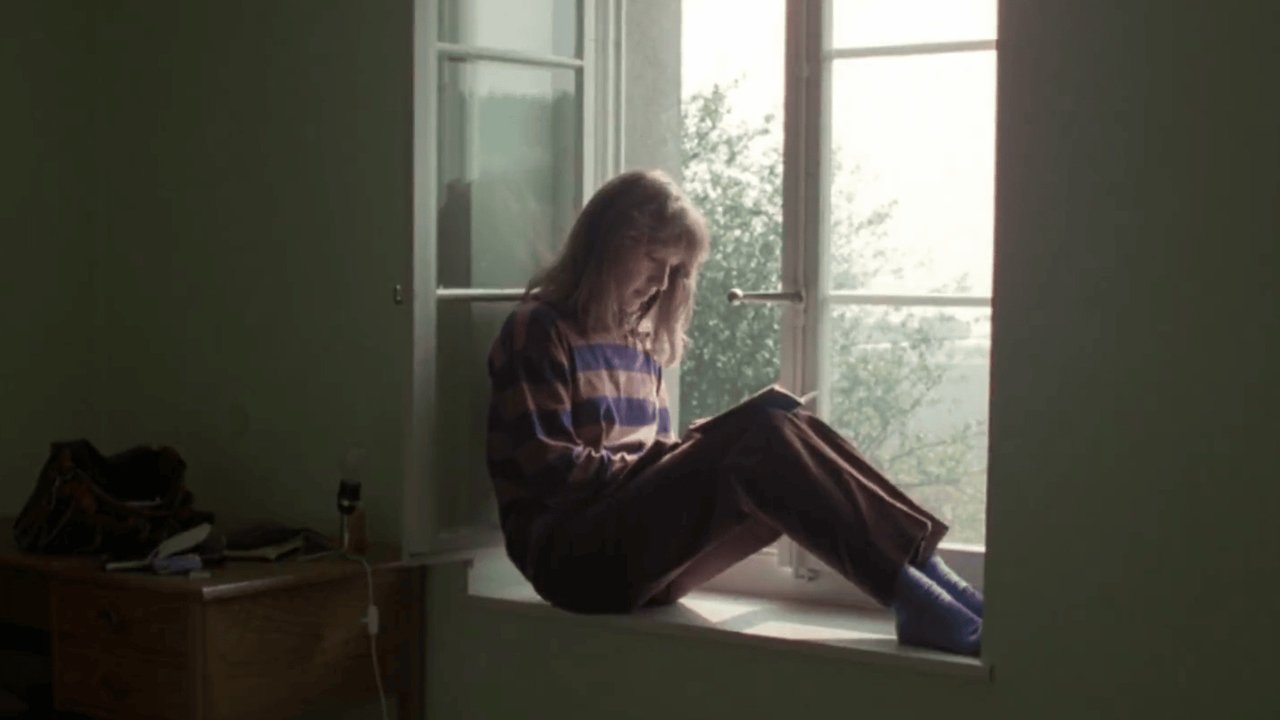
The acting feels raw, exposed. Nathalie Baye brings a grounded yearning to Denise; her desire for escape feels palpable, a quiet struggle against the noise and demands of the city and the men within it. Jacques Dutronc, as the filmmaker surrogate Paul, embodies a kind of cynical inertia, intelligent but seemingly adrift. But it's often Isabelle Huppert as Isabelle who commands the screen. Her portrayal of the pragmatic prostitute is fearless and complex. Scenes depicting her work, particularly an infamous sequence involving multiple clients, are deliberately provocative and uncomfortable, exploring themes of power, commerce, and the objectification inherent in the transaction without flinching. Huppert navigates this territory with a chilling poise that refuses easy categorization – is it strength, detachment, or something else entirely? Her performance is a tightrope walk, and utterly compelling. It’s work that foreshadowed the challenging, often controversial roles she would become known for.

Retro Fun Facts: Behind the Godardian Curtain
Godard’s return wasn't just stylistic; it involved reuniting with collaborators from his earlier New Wave period, like cinematographer William Lubtchansky. Yet, the collaboration with his partner Anne-Marie Miéville, credited with the "scenario," was crucial. Miéville's influence is often cited as bringing a stronger focus on the female characters and their perspectives, a shift from some of Godard's earlier work. The film premiered at the 1980 Cannes Film Festival, causing a predictable stir with its challenging content and style. While not a commercial blockbuster by any stretch (reports suggest a modest budget, likely under $2 million, though precise figures are hard to pin down for Godard!), its critical reception was significant, marking a major comeback for the director. Interestingly, Francis Ford Coppola was so impressed he acquired the US distribution rights through his Zoetrope Studios, giving it a profile stateside it might not otherwise have achieved. Imagine Coppola, fresh off Apocalypse Now, championing this deliberately difficult slice of European art cinema!
The Lingering Question
Watching Every Man for Himself today, perhaps on a format far removed from the worn VHS tape I first encountered it on, still feels bracing. It’s not an easy film, nor necessarily a "pleasant" one. It confronts anxieties about work, love, sex, and money with a stark, sometimes confrontational gaze. It dissects the ways people use and are used by each other, the compromises made in the name of survival or escape. The title itself – Save Who Can (Life) – resonates. Is it a cynical declaration or a desperate plea? Does the parenthetical "(life)" offer a glimmer of hope, or simply underscore the stakes? The film doesn't offer easy answers, leaving the viewer to grapple with its fragmented images and troubled characters long after the screen goes dark.
Rating: 7.5/10
This rating reflects the film's artistic significance, its challenging intelligence, and the undeniable power of its performances, particularly Huppert's. It's not a film for casual viewing; its deliberate pacing, fragmented narrative, and confrontational themes demand attention and thought. The score is tempered slightly because its challenging nature and Godard's specific stylistic choices won't resonate with everyone, even within the adventurous VHS Heaven crowd. It lacks the immediate catharsis or genre thrills of many 80s staples. However, for those willing to engage with its complexities, it's a potent and unforgettable piece of filmmaking from a master provocateur, a stark reminder of the challenging cinema hiding on those video store shelves.
Every Man for Himself remains a fascinating, sometimes frustrating, but ultimately rewarding artifact – a reminder that even within the nostalgic glow of the VHS era, there were films pushing boundaries and asking uncomfortable questions that still echo today.