Okay, pull up a chair, maybe pour yourself something thoughtful. Let's talk about a tape that likely sat on the more… esoteric shelves of the video store, perhaps nestled between a well-worn thriller and a forgotten drama. I'm thinking about Jean-Luc Godard's 1985 film, Détective. Finding this one tucked away felt less like grabbing weekend entertainment and more like uncovering a cryptic puzzle box left behind by cinema's resident philosopher-provocateur. It doesn’t offer easy answers, or even easy questions sometimes, but the experience? It certainly lingers.
### Ghosts in the Grand Hotel
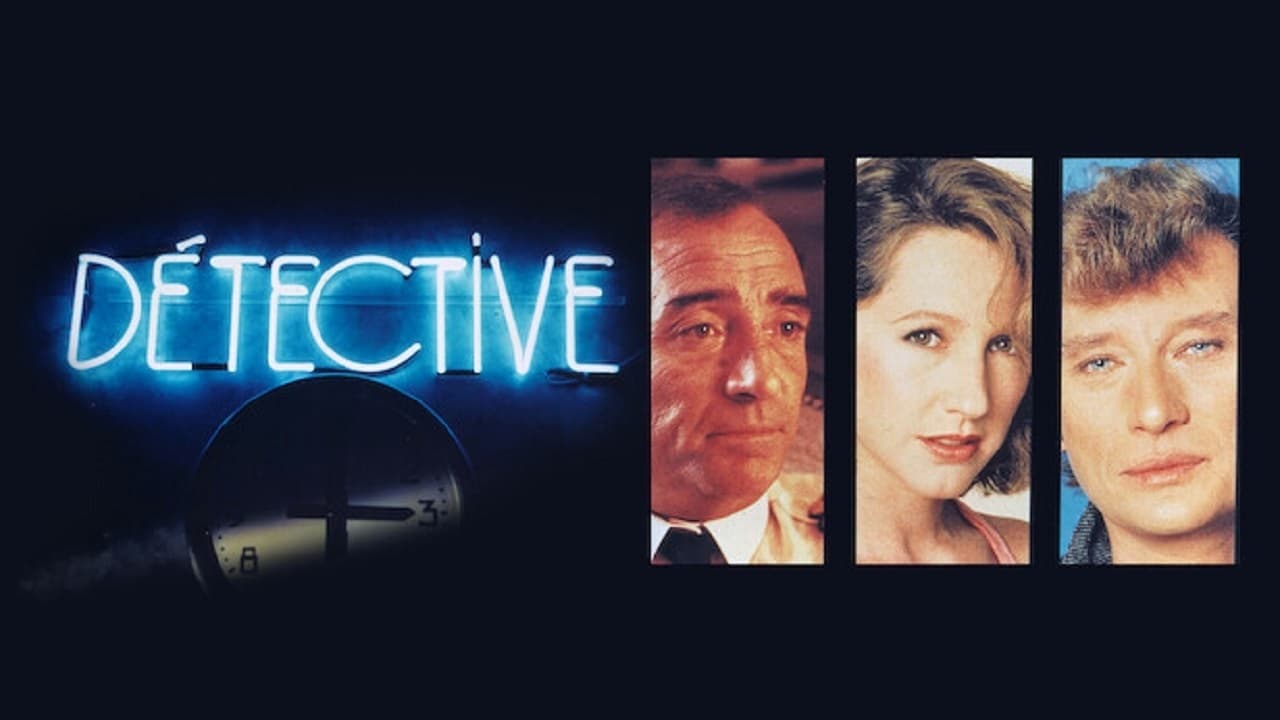
The film unfolds within the opulent, yet strangely soulless confines of the Concorde Saint-Lazare hotel in Paris. Forget a clear A-to-B plot; Godard presents us with intersecting fragments of stories. There's Prospero (Laurent Terzieff), an old detective investigating a two-year-old murder of a prince. Emile (Claude Brasseur) and Françoise (Nathalie Baye) are a couple trying desperately to collect a debt from Jim Fox Warner (Johnny Hallyday – yes, the French rock legend!), a boxing promoter whose marriage is crumbling. And then there’s the young Inspector Neveu (Jean-Pierre Léaud, Godard’s perpetual Antoine Doinel), seemingly investigating something, perhaps shadowing his uncle, Prospero, or perhaps just observing the general chaos. These threads cross, tangle, and sometimes simply drift apart, mirroring the disjointed feeling of channel surfing late at night – glimpses of narratives, snatches of dialogue, bursts of unexpected intensity. Does it feel like a conventional detective story? Not in the slightest. It feels more like Godard took the idea of a noir, threw it against the wall, and filmed the fascinating patterns the pieces made as they fell.
### Godard Being Godard
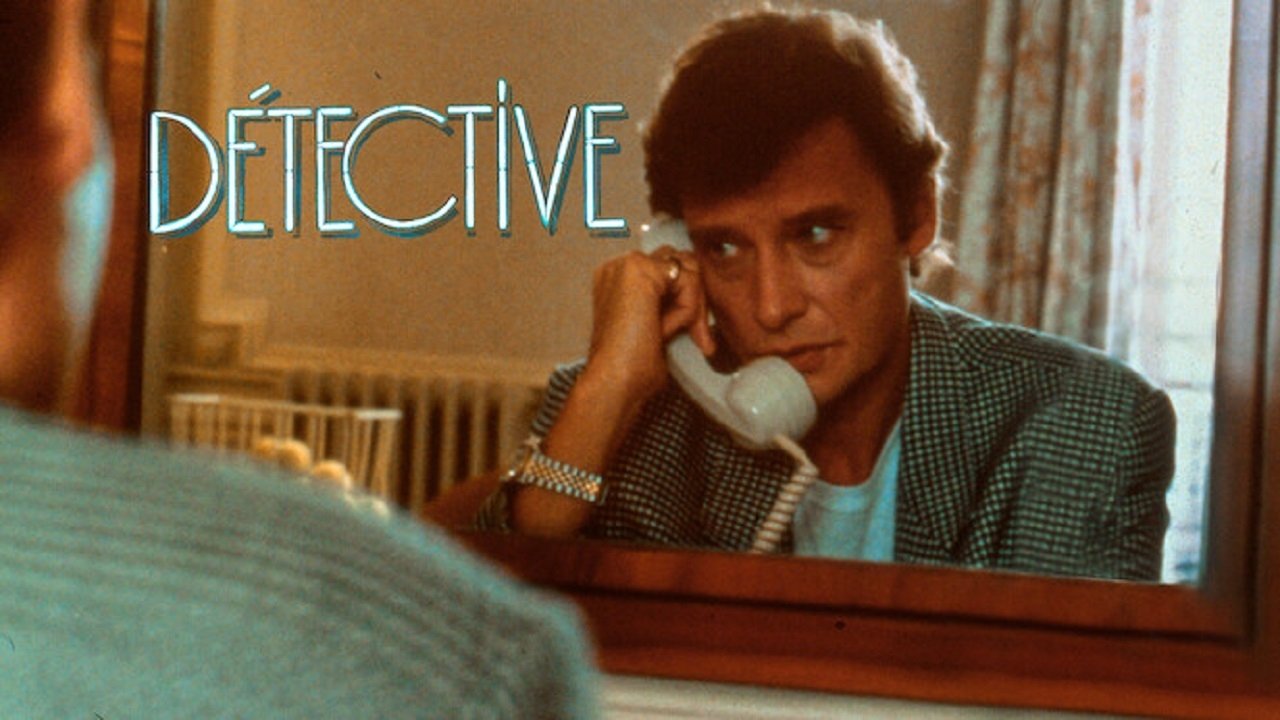
If you went into Détective expecting a straightforward thriller, that video store clerk probably should have steered you elsewhere. This is pure, late-period Godard, albeit slightly more accessible than some of his more overtly political works. The visual style is striking, often beautiful in its carefully composed frames, yet deliberately jarring. Conversations overlap, sound cuts out unexpectedly, classical music might suddenly blare over a mundane scene. It’s less about telling a story and more about exploring the impossibility of clear narrative, the breakdown of communication, the murky interplay of money, sex, and violence that simmers beneath polite society – themes Godard returned to again and again. The film feels less directed, more conducted, like an orchestra warming up with discordant notes that occasionally coalesce into something strangely beautiful.
One fascinating piece of trivia often mentioned is that Godard reportedly took on Détective partly as a commercial venture to help finance his more controversial and personal project, Je vous salue, Marie (Hail Mary, also 1985). Knowing this adds another layer – was this Godard attempting a genre piece, or subverting it for funds? The answer, typically Godardian, is probably both and neither. The film was produced by Alain Sarde, who apparently pushed Godard towards something resembling a narrative structure, bringing in co-writers Philippe Setbon and Anne-Marie Miéville (Godard's long-time partner and collaborator) to help shape the material. It even screened in competition at the Cannes Film Festival in 1985, imagine the buzz and bewilderment in equal measure!
### Faces in the Fragments
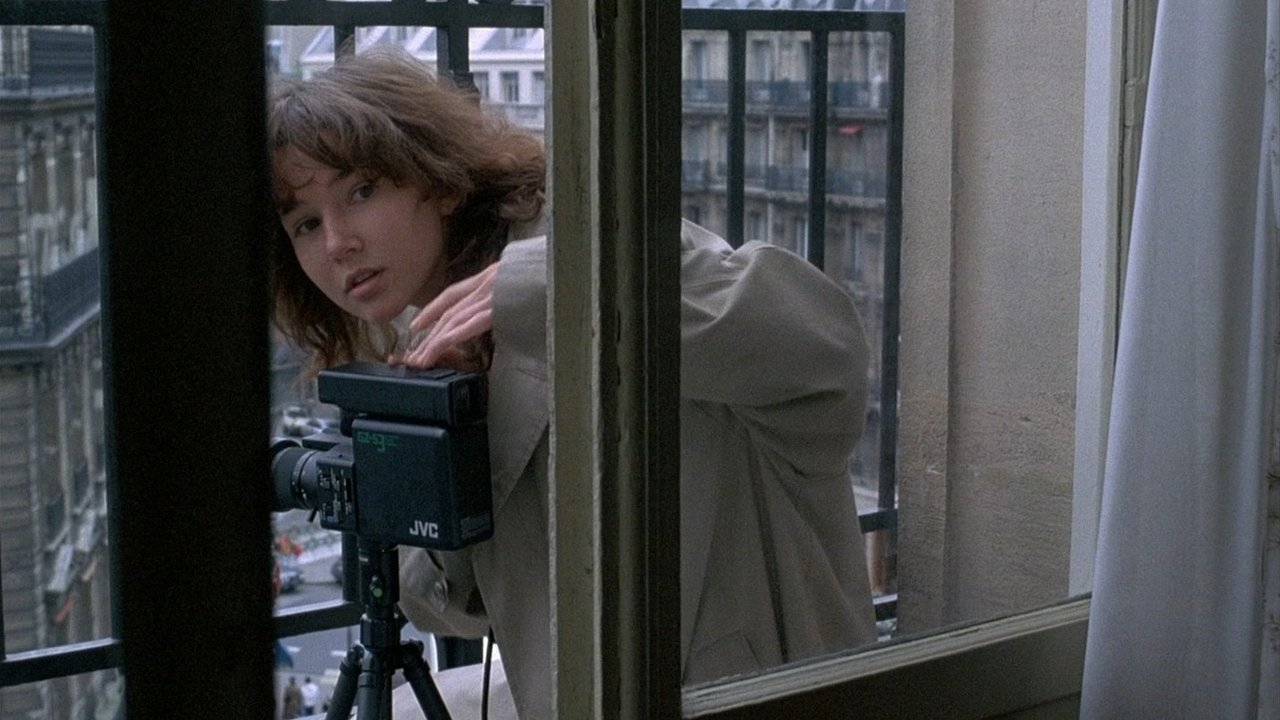
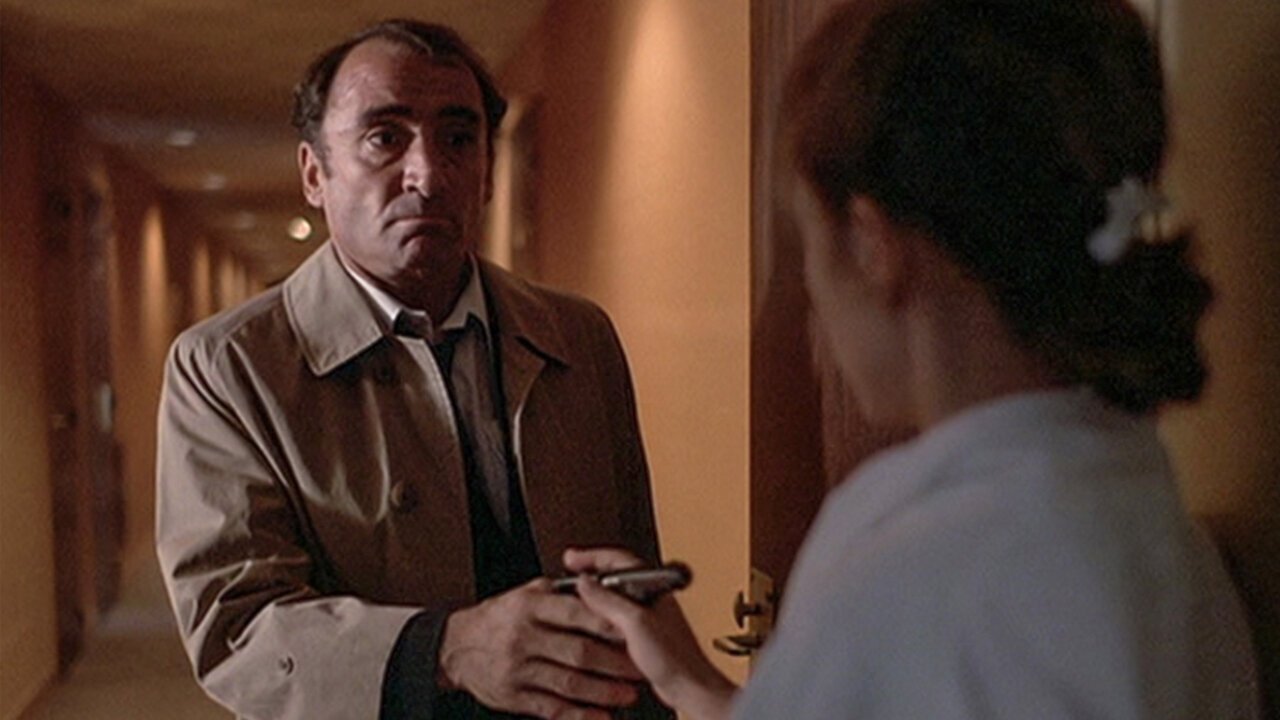
Amidst the deliberate fragmentation, the performances anchor the human element, even when the characters feel more like archetypes than fully fleshed individuals. Laurent Terzieff brings a weary gravitas to Prospero, a man seemingly lost in the past. The always compelling pair of Claude Brasseur and Nathalie Baye inject a raw, desperate energy as the debt-chasing couple; their arguments feel uncomfortably real, sparks flying in the gilded cage of the hotel. And seeing Jean-Pierre Léaud, the icon of the French New Wave, navigate this later Godard landscape is fascinating. He’s no longer the rebellious youth of The 400 Blows (1959) but a more spectral presence, observing, perhaps judging, embodying a link to Godard's own cinematic history. Even Johnny Hallyday, primarily known for his music career, holds his own as the beleaguered boxing promoter, radiating a kind of tarnished glamour. You watch them not necessarily for character arcs, but for moments – a glance, a reaction, a flicker of emotion caught before the film moves on.
### The Lingering Question
So, what do you do with a film like Détective? It's not something you pop in for casual viewing. I remember renting it back in the day, probably drawn by the familiar names or the promise of a French thriller, and feeling utterly perplexed afterwards. It wasn't bad, exactly, but it refused to play by the rules I expected. Watching it now, with the benefit of hindsight and a greater appreciation for Godard's deliberate dismantling of cinematic convention, it feels different. It's a mood piece, an intellectual exercise wrapped in the clothes of a genre film. It asks you to think about how stories are told, how motives are hidden, how life rarely offers neat resolutions. It makes you an active participant, trying to piece together the clues not just of the fictional murder, but of Godard's own intentions. Doesn't that challenging quality, that refusal to provide easy comfort, sometimes become its own form of engagement?
---
Rating: 6/10
Justification: This score reflects Détective's status as a fascinating, often visually arresting, but deliberately challenging piece of 80s arthouse cinema from a master filmmaker. It earns points for its atmosphere, strong performances from a stellar cast, and its audacious deconstruction of genre tropes. However, its fragmented narrative and Godard's sometimes opaque style make it difficult and potentially frustrating for viewers seeking conventional storytelling or entertainment, pulling the score down from what its technical merits might suggest. It’s a film more respected or puzzled over than perhaps universally enjoyed in the traditional sense.
Final Thought: Détective might be the cinematic equivalent of a cryptic postcard sent from a familiar place, written in a language you only half understand – intriguing, confusing, but undeniably hard to forget once you've held it in your hands. A curious find from the back shelves of VHS Heaven.