It arrives like a half-remembered dream, or perhaps a nightmare glimpsed on late-night cable. The familiar, sunshine-bright melodies of The Carpenters fill the air, but the faces enacting the story are smooth, plastic, unblinking. Seeing Todd Haynes' 1987 short film, Superstar: The Karen Carpenter Story, often for the first time on a fuzzy, multi-generational VHS dub, was a profoundly unsettling and strangely moving experience, one that has lingered long after the tape stopped rolling. This wasn't just a biopic; it was something far more peculiar and potent.
Plastic Perfection, Human Tragedy
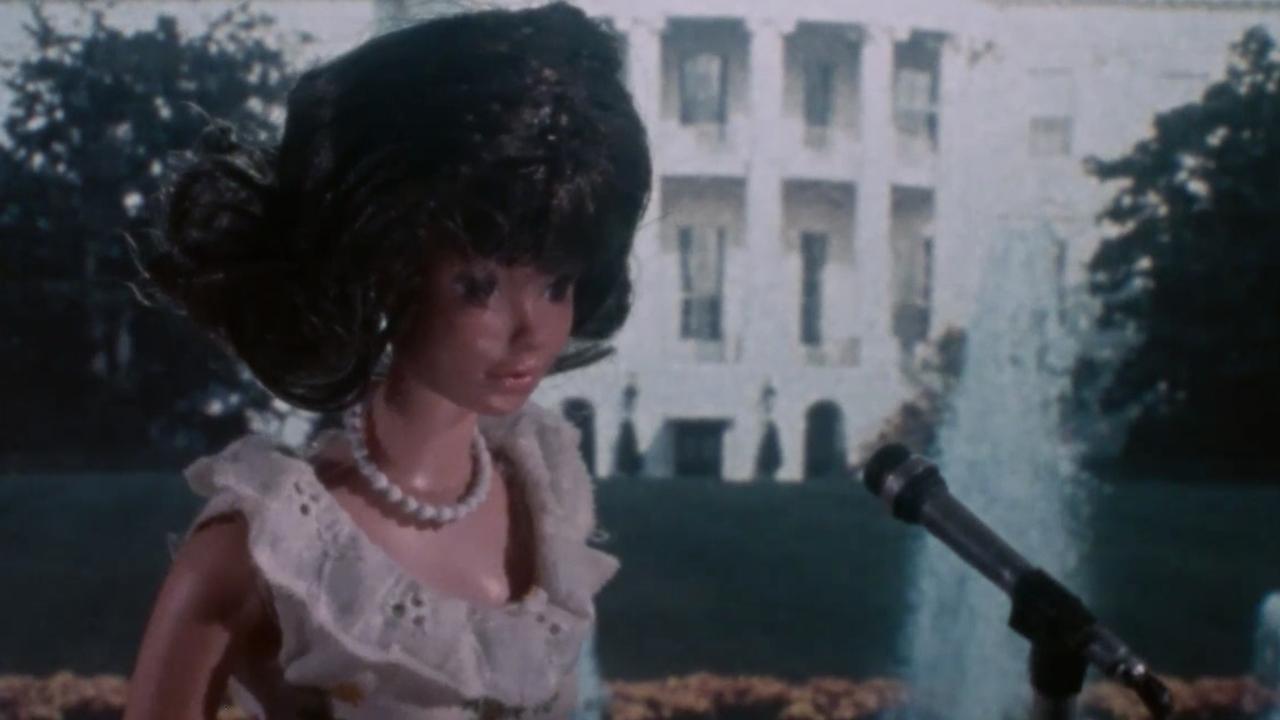
Haynes, then an MFA student working with a reported budget barely scraping $20,000, made a decision both audacious and brilliant: telling the story of Karen Carpenter's life and tragic death from anorexia nervosa using Barbie dolls. It sounds like a gimmick, perhaps even disrespectful. Yet, the effect is anything but. The dolls, meticulously posed in handcrafted sets replicating suburban homes, recording studios, and hospital rooms, become powerful symbols. They speak volumes about the manufactured image of pop stardom, the societal pressure for a specific, often unattainable, female body type, and perhaps the way Karen herself felt like a passive figure manipulated by forces around her – family, fame, illness. The inherent blankness of the dolls paradoxically forces us to project onto them the profound sadness and vulnerability the narrative evokes. There's a chilling disconnect between the synthetic perfection of the figures and the raw, human pain of the story unfolding.
Beyond the Surface
While the dolls are the most immediate hook, Haynes crafts a surprisingly layered and sensitive portrait. He doesn't shy away from the darker aspects of Karen's life – the controlling influence of her family, particularly her mother Agnes and brother Richard, and the devastating progression of her eating disorder. Interspersed with the doll scenes are documentary-style title cards, stock footage, and even interviews (voiced over), creating a collage effect that feels both experimental and emotionally direct. Haynes uses The Carpenters' music masterfully, allowing familiar hits like "(They Long to Be) Close to You" and "Rainy Days and Mondays" to resonate with newfound melancholy and irony against the backdrop of Karen's suffering. It's a film that understands the power of pop music to mask deep pain, a theme Haynes would explore further in later, more polished works like Velvet Goldmine (1998) and Far From Heaven (2002).
The Legend of the Lost Tape
Part of Superstar's enduring mystique, especially for those of us who haunted video stores, stems from its legendary unavailability. Shortly after garnering acclaim at film festivals, Richard Carpenter sued Haynes and A&M Records objected to the unauthorized use of the music. The film was effectively suppressed, ordered to be withdrawn from circulation and all copies destroyed. Of course, in the pre-digital age, "destroyed" often meant "driven underground." Superstar became a cult object, passed around on bootleg VHS tapes, each viewing feeling slightly illicit, a treasured discovery. I remember finally tracking down a copy sometime in the mid-90s; the degraded image quality somehow amplified the film's unsettling, dreamlike atmosphere. Owning that tape felt like holding a piece of forbidden cinematic history, a testament to the power of art to persist despite legal hurdles. This wasn't just a movie; it was a secret handshake among cinephiles.
More Than Dolls and Music
What elevates Superstar beyond its unconventional premise and bootleg notoriety is its genuine empathy. Haynes avoids sensationalism, treating Karen's struggle with anorexia with a seriousness often lacking in depictions of eating disorders at the time. The film suggests complex causes – familial pressure, the demands of celebrity, a yearning for control in a life that felt increasingly out of her hands. The dolls, far from trivializing the subject, create a Brechtian distance, prompting reflection rather than simple voyeurism. We're forced to consider the surfaces, the images, and the devastating reality hidden beneath. How much pressure did the "girl next door" image exert? How isolating must it have felt to project sunshine while battling inner darkness?
The crude, handmade quality, born from necessity, adds another layer. The slightly modified dolls (Karen's figure is subtly whittled down as the illness progresses), the miniature sets – it all speaks to a labor of love, an urgent need to tell this story in a unique way. It’s a powerful reminder that vision and emotional depth aren't solely dependent on big budgets or traditional methods.
Final Reflections
Superstar: The Karen Carpenter Story remains a singular work. It's a haunting meditation on fame, family, illness, and the often-cruel disparity between public image and private reality. The use of dolls is unforgettable, a masterstroke that transforms potential novelty into profound commentary. Its suppressed status only amplified its power, turning it into a touchstone of underground cinema and a prized artifact of the VHS era.
Rating: 9/10
This near-perfect score reflects the film's audacious creativity, its surprising emotional depth, and its lasting cultural impact as a cult classic. Despite its technical limitations (which arguably enhance its effect) and forced withdrawal, Superstar is a triumph of independent filmmaking, using its unconventional medium to explore its tragic subject with remarkable sensitivity and insight. It's a film that burrows under your skin, leaving you contemplating the plastic smiles and the hidden heartbreaks long after the screen goes dark. What other film has ever made dolls feel quite so human?