## The Silent Witness: Echoes of History in a Paris Ballroom
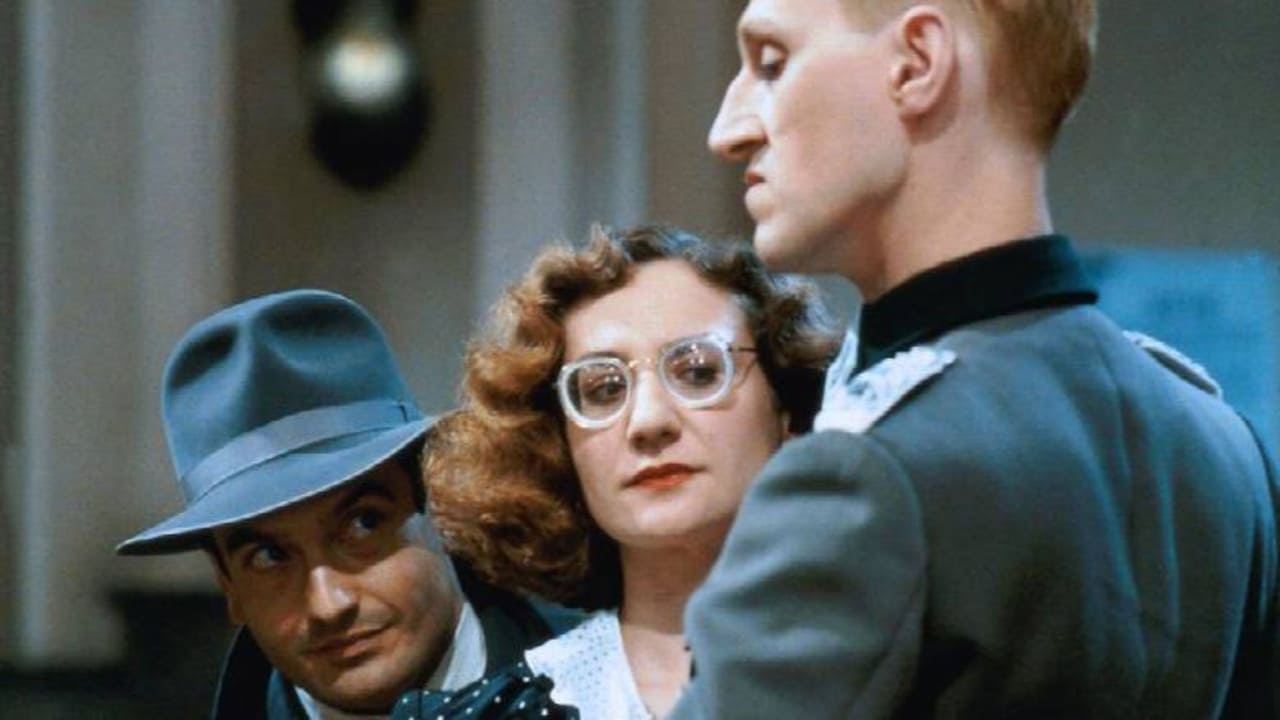
Imagine a single room, a Parisian dance hall, its floors worn smooth by countless steps, its walls absorbing decades of music, laughter, and whispered secrets. Now imagine that room telling its story – the story of France, of Europe, of the 20th century – not through words, but through the shifting rhythms of dance, the changing fashions, and the silent interactions of its patrons. This is the audacious, captivating premise of Ettore Scola’s 1983 masterpiece, Le Bal (The Ball). Forget dialogue; this film speaks a universal language of movement, music, and shared human experience, making it one of the most unique cinematic journeys I ever undertook via a trusty VHS tape.
A Stage Transformed
It’s a concept that might sound daunting on paper, perhaps even overly theatrical. And indeed, Le Bal originated on the stage, conceived by Jean-Claude Penchenat and his Théâtre du Campagnol troupe. Scola, already a celebrated Italian director known for humanist dramas like A Special Day (1977) and We All Loved Each Other So Much (1974), saw the potential to translate this theatrical magic to the screen. He wisely brought the original stage actors along, their familiarity with the characters and choreography lending an incredible authenticity. The result isn't just a filmed play; it's a purely cinematic experience, using the camera's gaze to guide us through time and emotion within the confines of that single, evolving space.
Dancing Through Decades
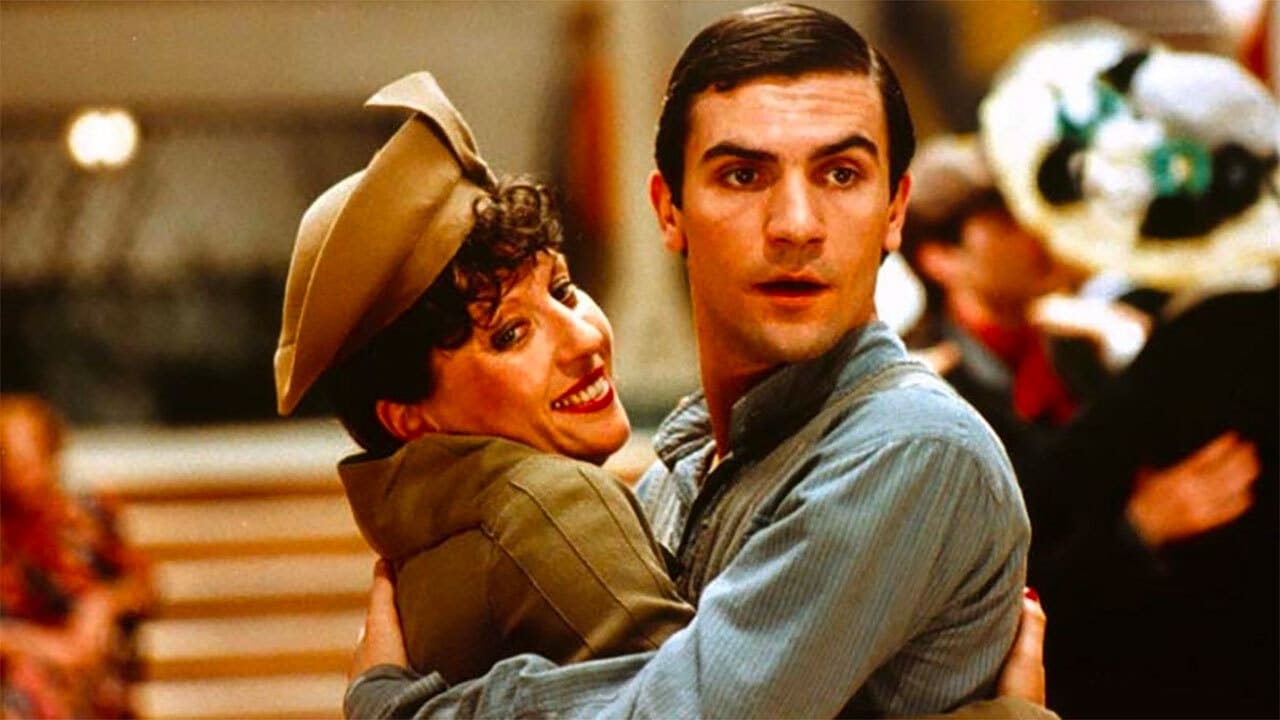
The structure is elegantly simple: we begin and end in the 'present' (early 1980s), but the bulk of the film sweeps us back through roughly fifty years of French history, all witnessed within the ballroom. There's the hopeful idealism of the Popular Front in 1936, shattered abruptly by the looming shadow of war. The tense, fearful atmosphere of the Nazi Occupation gives way to the explosive joy of Liberation, only to see new anxieties surface with the Cold War and the Algerian conflict. We shimmy through the rise of American jazz and rock 'n' roll, feel the revolutionary tremors of May 1968, and finally pulse to the beat of the disco era.
Each transition is seamless, marked by shifts in music – from wistful accordion waltzes to big band swing, from sultry tangos to energetic rock and glittering disco – and, crucially, by the subtle transformations in the characters played by the same ensemble cast. Seeing familiar faces reappear in different eras, embodying different social types or carrying the weight of past encounters, adds a profound layer of resonance. It’s a powerful reminder of how individuals navigate the currents of history, their personal dramas playing out against a backdrop of grand societal shifts. Was there ever a more potent visual metaphor for history repeating itself, or at least rhyming?
The Eloquence of Silence
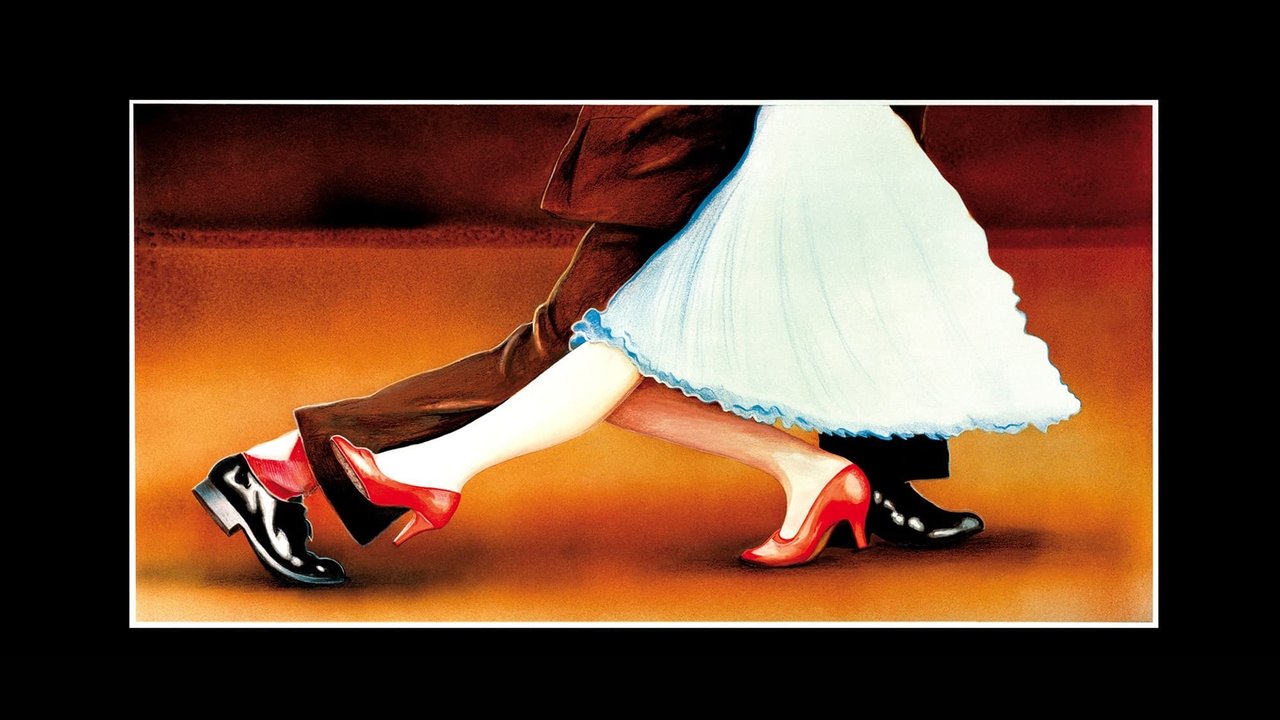
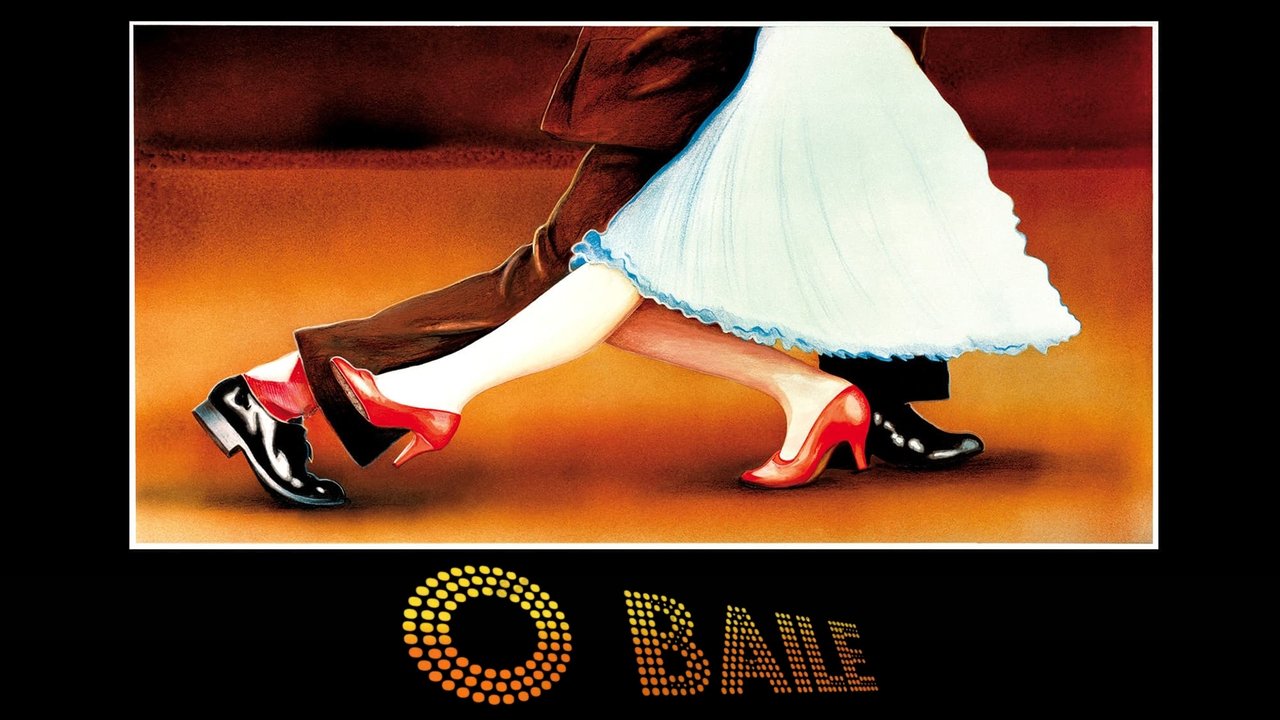
Without a single line of spoken dialogue, the burden falls entirely on the actors' physicality, expressions, and interactions. And they are magnificent. The ensemble cast (Étienne Guichard, Régis Royer, Nani Noël, and many others from the Théâtre du Campagnol) delivers performances of astonishing nuance. A shy glance across the dance floor speaks volumes about longing. A hesitant touch conveys years of unspoken history between two people. The way characters move – confidently, nervously, joyfully, defiantly – tells us everything we need to know about their inner lives and the social pressures they face.
Scola orchestrates this silent ballet with masterful precision. Ricardo Aronovich's cinematography glides through the space, sometimes lingering on intimate details, sometimes capturing the swirling energy of the whole room. The editing allows vignettes to unfold naturally, building emotional arcs without resorting to verbal exposition. It’s a testament to the power of visual storytelling, proof that cinema can communicate complex ideas and deep emotions through image and sound alone. Watching it now, I'm struck by how much faith Scola placed in his audience's ability to interpret, to feel, to understand the unspoken narratives unfolding before them. It feels like a refreshing antidote to films that feel the need to explain everything.
Echoes in the Present
Le Bal was nominated for the Academy Award for Best Foreign Language Film, a nod to its artistic ambition and successful execution. It didn't win, losing out to Ingmar Bergman's Fanny and Alexander (1982), but its unique approach left a lasting impression. Seeing it again after all these years, the film feels strangely timeless. The specific historical moments are French, yet the underlying themes – the search for connection, the joy of community, the anxieties of social change, the passage of time – are universal. The ballroom becomes a microcosm of society itself, constantly changing yet somehow remaining the same.
It makes you wonder, doesn't it? How many stories do the walls of our own familiar places hold? What silent histories have unfolded in the spaces we inhabit every day? Le Bal invites this kind of reflection, long after the music fades.
Rating: 9/10
This score reflects the film's sheer artistic bravery, masterful execution, and the unforgettable power of its non-verbal storytelling. The ensemble performances are superb, and Scola's direction is confident and deeply empathetic. It might require a degree of patience from viewers accustomed to dialogue-driven narratives, but the reward is a uniquely immersive and moving cinematic experience that resonates profoundly. It’s less a narrative film and more a historical poem written in movement and music.
Le Bal remains a stunning achievement, a reminder that sometimes the most powerful stories are the ones told without words, echoing through the silent spaces between the music.