Okay, pull up a chair, maybe pour yourself something thoughtful. We’re not diving into a comfortable action romp or a familiar teen comedy today. Instead, we’re revisiting a film that likely landed on the rental shelves like an exotic, perhaps intimidating artifact amidst the more brightly colored boxes: Paul Schrader's 1985 masterpiece, Mishima: A Life in Four Chapters. This wasn't your typical Friday night grab; finding this tape often felt like uncovering a secret, a challenging piece of cinema that demanded your full attention.

### A Portrait in Fragments
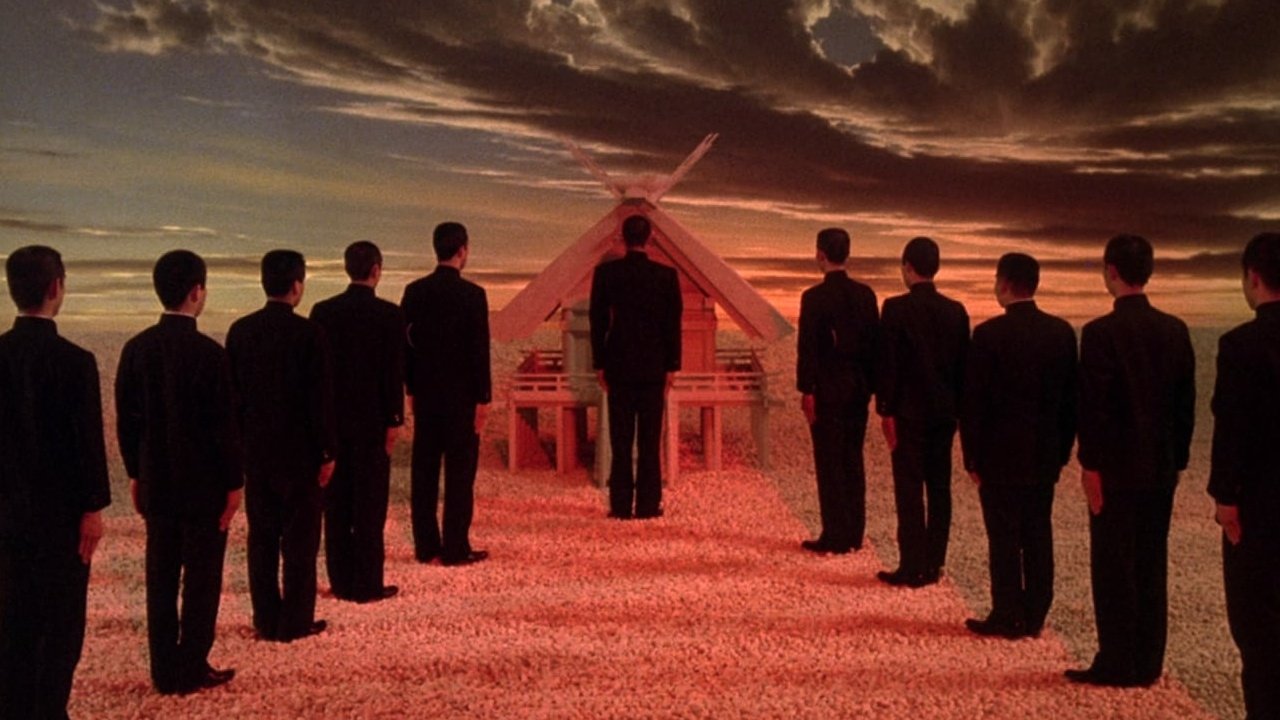
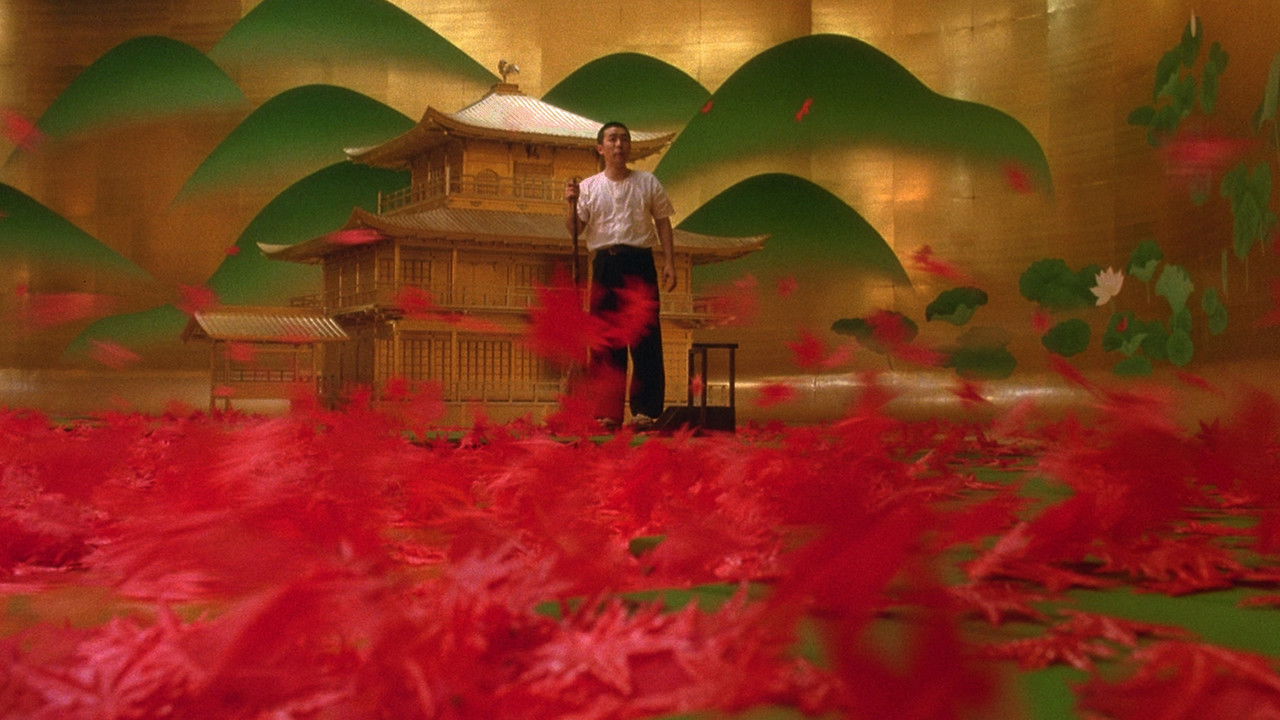
What immediately sets Mishima apart, even now, is its audacious structure. How do you capture a figure as complex, contradictory, and ultimately self-destructive as Yukio Mishima – the celebrated novelist, playwright, actor, bodybuilder, and fervent nationalist? Schrader, working closely with his brother Leonard Schrader (whose fluency in Japanese and cultural understanding were indispensable), opts not for a linear biography, but a fractured mosaic. The film interweaves three distinct threads: Mishima's final day (shot in stark, realistic black-and-white), flashbacks to key moments in his life (rendered in naturalistic color), and, most strikingly, heavily stylized, theatrical adaptations of scenes from his novels: The Temple of the Golden Pavilion, Kyoko's House, and Runaway Horses. It's a structure that mirrors Mishima's own obsession with the interplay between life, art, and a self-authored destiny. Does this fragmented approach fully unlock the man? Perhaps not entirely, but it forces us to confront the facets he chose to project, the very collision of beauty, action, and art that defined his existence.
### Aesthetic Overload (In the Best Way)
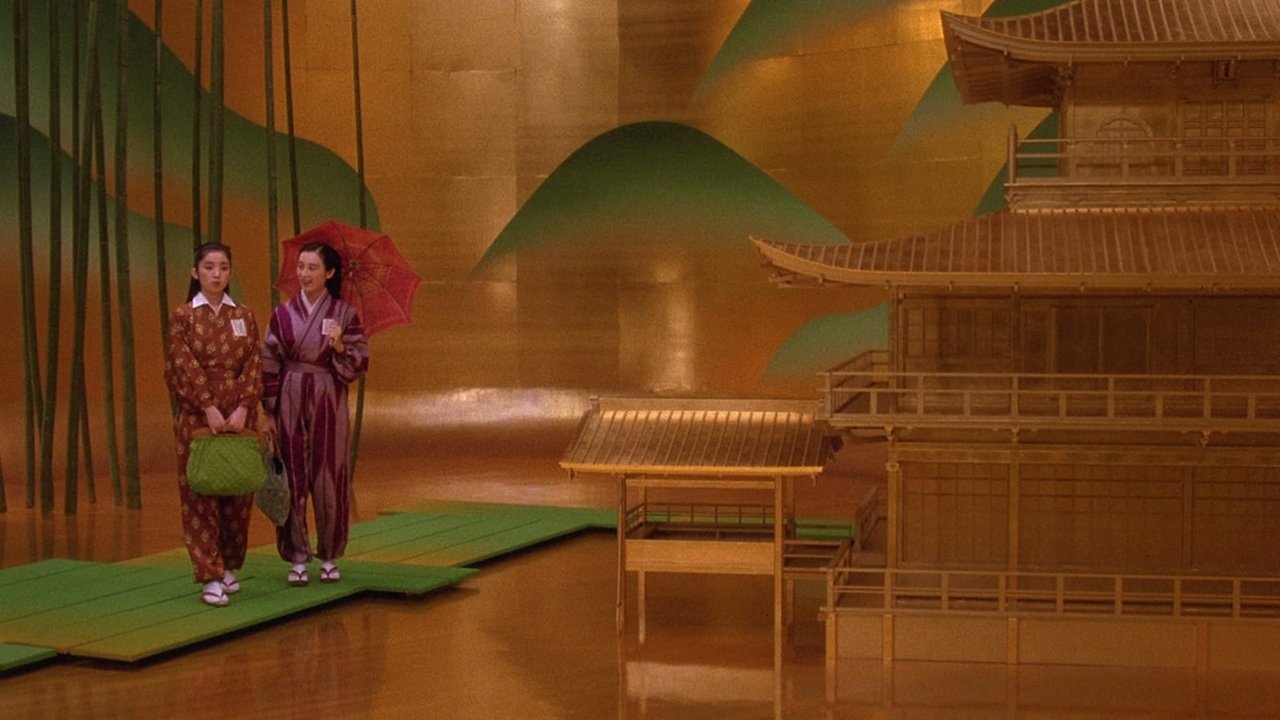
Visually and aurally, Mishima is simply staggering, a testament to artistic collaboration firing on all cylinders. The legendary Eiko Ishioka's production design is breathtaking; each novel adaptation bursts with symbolic color and meticulously crafted sets – the gleaming gold pavilion, the stark white rooms, the vibrant, almost lurid hues that feel ripped directly from a heightened reality. This visual feast is masterfully captured by cinematographer John Bailey, creating distinct looks that differentiate the film's various threads while maintaining a cohesive, powerful whole. And then there's the score. Philip Glass's pulsing, hypnotic music isn't just background; it's the film's heartbeat, driving the narrative forward with relentless energy, mirroring Mishima's own internal turmoil and obsessive drive. It’s one of those scores that became instantly iconic, inseparable from the images it accompanies. The sheer artistic ambition on display earned the film a deserved award for Best Artistic Contribution at the 1985 Cannes Film Festival.
### The Man in the Mirror
At the center of this whirlwind stands Ken Ogata's monumental performance as Mishima. It’s a portrayal of incredible control and nuance. Ogata embodies the writer's fierce intelligence, his vanity, his chilling dedication to his ideals, and the profound vulnerability beneath the carefully constructed persona. He doesn't shy away from Mishima's less savory aspects, presenting a man wrestling with profound internal conflicts. Ogata reportedly immersed himself in Mishima's life and work, and it shows; his performance feels less like imitation and more like a haunting channeling of Mishima's spirit. Supporting actors like Masayuki Shionoya and Hiroshi Mikami as his devoted cadets also deliver compelling performances, grounding the film's more theatrical elements.
### Behind the Controversy: Art, Money, and Politics
Making Mishima was fraught with challenges, a story almost as complex as the film itself. Schrader, known for intense character studies like Taxi Driver (which he wrote) and American Gigolo, faced significant hurdles. Funding was secured thanks to the crucial backing of executive producers Francis Ford Coppola and George Lucas – giants of the era lending their weight to a decidedly non-commercial project. This wasn't Star Wars; it was a risky art-house venture about a controversial figure.
The controversy was, and remains, immense, particularly in Japan. Mishima's dramatic ritual suicide (seppuku) after a failed attempt to incite a coup d'état, coupled with his right-wing nationalism, made him an extremely sensitive subject. Consequently, the film has never received an official theatrical or home video release in Japan, a stark reminder of the potent and sometimes dangerous intersection of art and politics. The narration, often provided by Roy Scheider in the English versions found on those cherished VHS tapes (with Ogata providing a Japanese equivalent), attempts to bridge the cultural gap, offering context for Western audiences perhaps unfamiliar with the intricacies of Mishima's life and philosophies. It’s fascinating to think that this visually stunning, Japanese-language film, shot entirely in Japan with a Japanese cast (barring key creatives), was spearheaded by an American director and funded by Hollywood heavyweights, only to be effectively barred from the very country it depicted.
### Lingering Questions
Watching Mishima again after all these years, it doesn't feel dated. Its themes – the yearning for unattainable beauty, the tension between artistic creation and direct action, the seductive danger of ideology, the performance of identity – remain profoundly relevant. Does the film glorify Mishima? Does it condemn him? Schrader seems more interested in exploring the why – examining the forces that shaped this extraordinary, troubling figure without offering easy answers. It forces us to consider: what is the ultimate purpose of art? Can life itself be molded into an artistic statement? And what remains when the performance ends?

This film was never destined for casual viewing. It demands engagement, patience, and a willingness to grapple with difficult ideas and disturbing imagery. It's the kind of movie that, once discovered on that dusty rental shelf, might have sat by the VCR for a few days before you felt ready to commit, but once watched, it was impossible to forget.
Rating: 9/10
Mishima: A Life in Four Chapters is a towering achievement of biographical filmmaking, utterly unique in its structure and breathtaking in its execution. While its fragmented approach and challenging subject matter might keep the viewer at a slight emotional distance from the man himself, the sheer artistic force – from Ogata's performance to Ishioka's design and Glass's score – is undeniable. It’s a demanding but deeply rewarding film that justifies its ambition, earning its place as a landmark of 80s cinema. It doesn't just tell a story; it burns images and ideas into your mind that linger long after the tape has rewound.