The flickering fluorescent lights of the Galesburg University psychology department hide more than just academic ambition. They mask a creeping dread, a sinister manipulation turning wholesome Midwestern teens into something... else. Originally hitting some markets under the more lurid title Dead Kids, 1981’s Strange Behavior doesn't rely on jump scares, but rather burrows under your skin with its unsettling atmosphere and a premise that feels chillingly plausible in its own twisted way.
### Small Town Secrets, Big City Fears
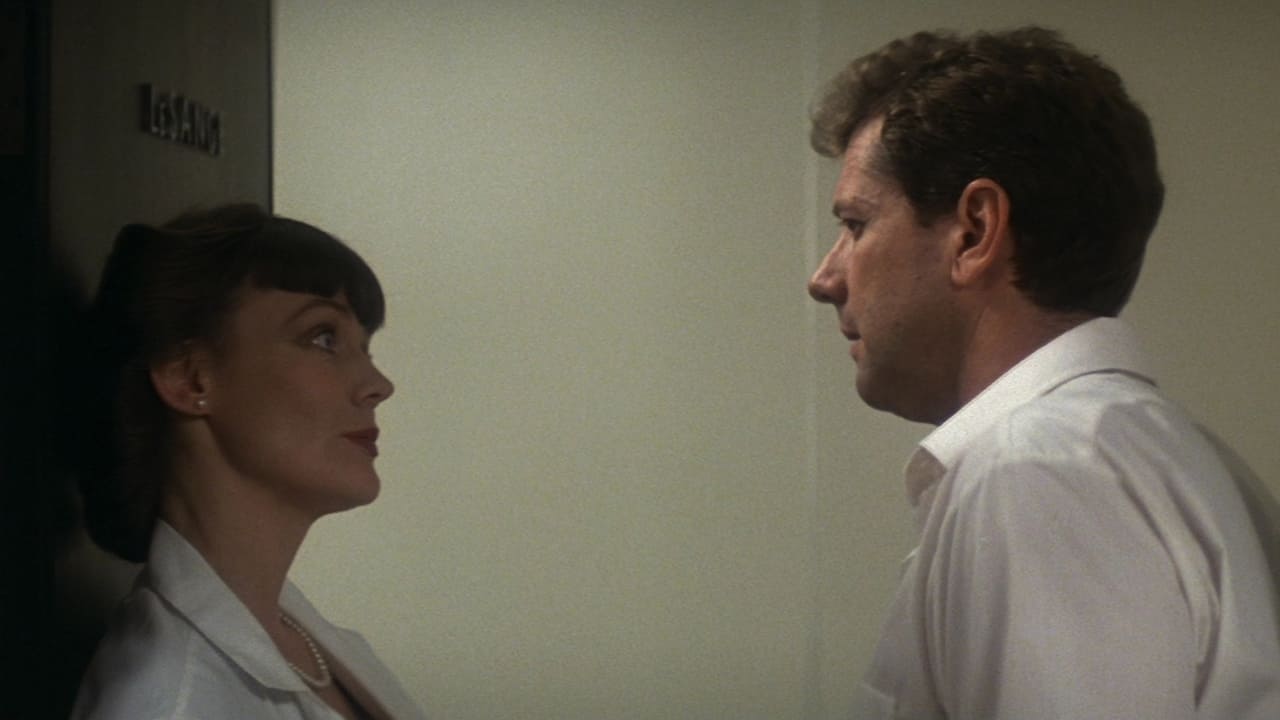
Directed by Michael Laughlin, who co-wrote the script with a young Bill Condon (years before Gods and Monsters or Chicago), Strange Behavior presents a deceptively calm surface. Galesburg, Illinois (actually Auckland, New Zealand, lending the film a subtly 'off' quality that works in its favour) seems like any other college town. But beneath the picket fences and homecoming pep rallies, teenagers are being murdered with brutal efficiency, seemingly at random. Police Chief John Brady (Michael Murphy, bringing his reliable everyman quality seen in films like Manhattan) struggles to connect the dots, while his own son Pete (the late Dan Shor) gets dangerously close to the truth involving the university's shadowy behavioral experiments led by the enigmatic Gwen Parkinson (Louise Fletcher).
The genius here lies in the slow burn. Laughlin crafts a palpable sense of unease, letting the idyllic setting slowly curdle. It's less about overt horror and more about the violation of normalcy, the terrifying idea that the people you know, the kids next door, could be programmed weapons. Remember that feeling watching late-night TV, when the familiar world outside your window started to feel alien and threatening? Strange Behavior taps right into that specific vein of suburban paranoia. It’s a feeling amplified by the film’s commitment to its slightly dreamlike, almost detached tone.

### Method in the Madness
The casting is pitch-perfect. Michael Murphy grounds the film with bewildered authority, a father and cop facing something beyond his comprehension. And Louise Fletcher, forever iconic after her chilling Oscar-winning turn as Nurse Ratched in One Flew Over the Cuckoo's Nest (1975), is perfectly cast. She brings an icy intelligence and subtle menace to Dr. Parkinson, making her experiments feel both academically plausible and utterly terrifying. Dan Shor captures the youthful curiosity that leads Pete down the rabbit hole, making his investigation feel genuinely perilous.
The production itself is a fascinating piece of early 80s ingenuity. Shot for around $1 million USD in New Zealand to keep costs down, Laughlin and his team skillfully disguise Auckland as small-town Illinois. This geographical transplant adds an almost imperceptible layer of displacement – the light feels different, the architecture subtly unfamiliar, enhancing the film’s overall strangeness. The film’s infamous tagline, "Where killing is part of the curriculum," perfectly encapsulates its darkly ironic, unsettling hook. It’s a clever, exploitative line that hints at the film's true nature without giving too much away – classic VHS-era marketing brilliance.
### That Needle Scene and Other Disturbing Delights
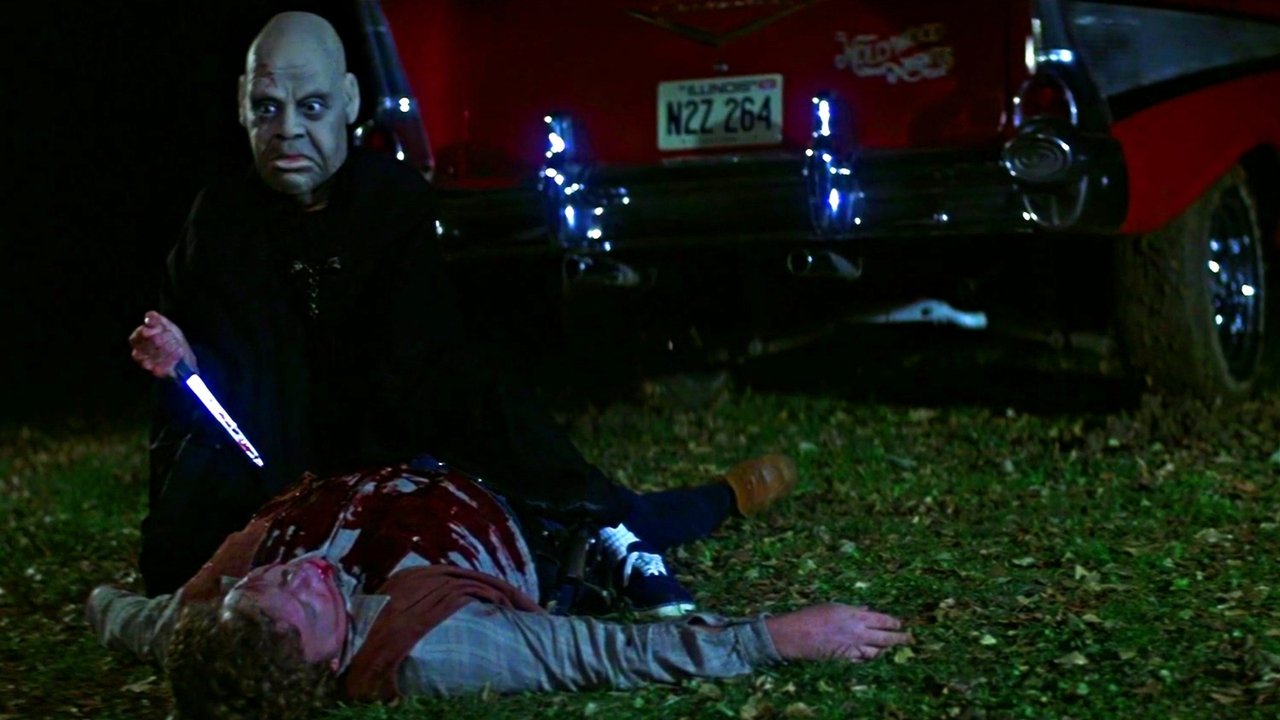
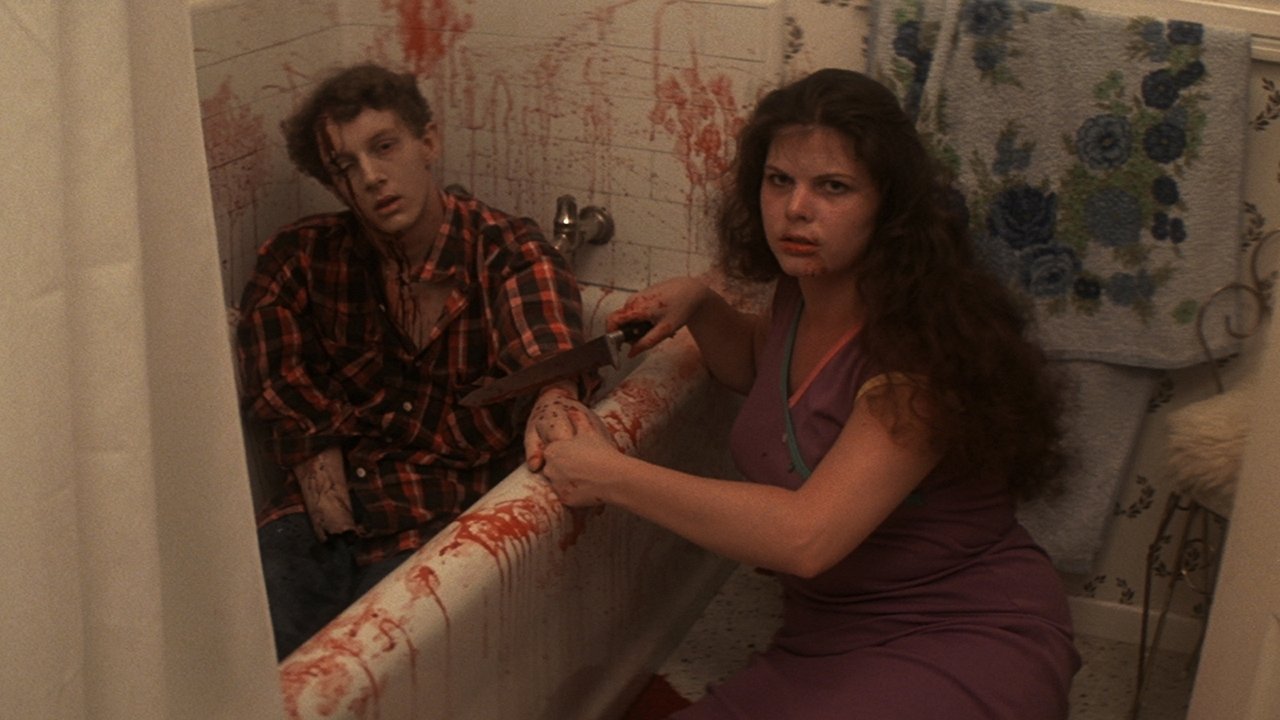
Let's talk practical effects. While perhaps dated by today's CGI standards, the effects here possess a visceral quality that still lands. There are moments of surprising gore, but the film often leans more towards psychological discomfort. Of course, the scene everyone remembers involves a hypodermic needle and an eye. It’s a wince-inducing moment achieved through clever editing, prop work, and implication rather than explicit detail, arguably making it more effective. Doesn't that kind of carefully crafted practical horror often feel more disturbing than today's hyper-realistic (but sometimes weightless) digital gore?
Bill Condon’s screenplay, his first to be produced, shows early signs of his interest in characters operating outside societal norms. He and Laughlin reportedly drew inspiration from classic sci-fi and horror, aiming for a Hitchcockian suspense thriller vibe blended with mad science B-movie tropes. The result is unique – not quite horror, not quite sci-fi, not quite thriller, but a fascinating hybrid that feels distinctly of its time, yet strangely timeless in its themes of control and societal manipulation. The synth-heavy score by Tangerine Dream also adds immeasurably to the atmosphere, layering electronic dread over the seemingly placid town.
### Legacy of the Strange
Strange Behavior wasn't a box office smash, earning modest returns on its lean budget, but it quickly found its audience on home video. Renting this tape felt like discovering a hidden gem, something slightly dangerous and off-kilter. It’s a film that rewards patience, building its unsettling world piece by piece until the genuinely bizarre and memorable climax. It lacks the polish of bigger studio horror from the era, but its rough edges and peculiar tone are precisely what make it endure as a cult favorite. It taps into anxieties about authority, conformity, and the dark potential lurking beneath seemingly normal surfaces.
Rating: 7.5/10
This score reflects the film's undeniable atmospheric strengths, solid performances, and uniquely unsettling premise. It's docked slightly for occasional pacing lags and elements that haven't aged perfectly, but its cult status is well-earned. Strange Behavior remains a compelling and creepy slice of early 80s paranoia, a testament to low-budget ingenuity and a perfect late-night watch for those who appreciate horror that crawls under your skin rather than just jumping out at you. It’s a wonderfully weird outlier that still feels distinctively unnerving decades later.