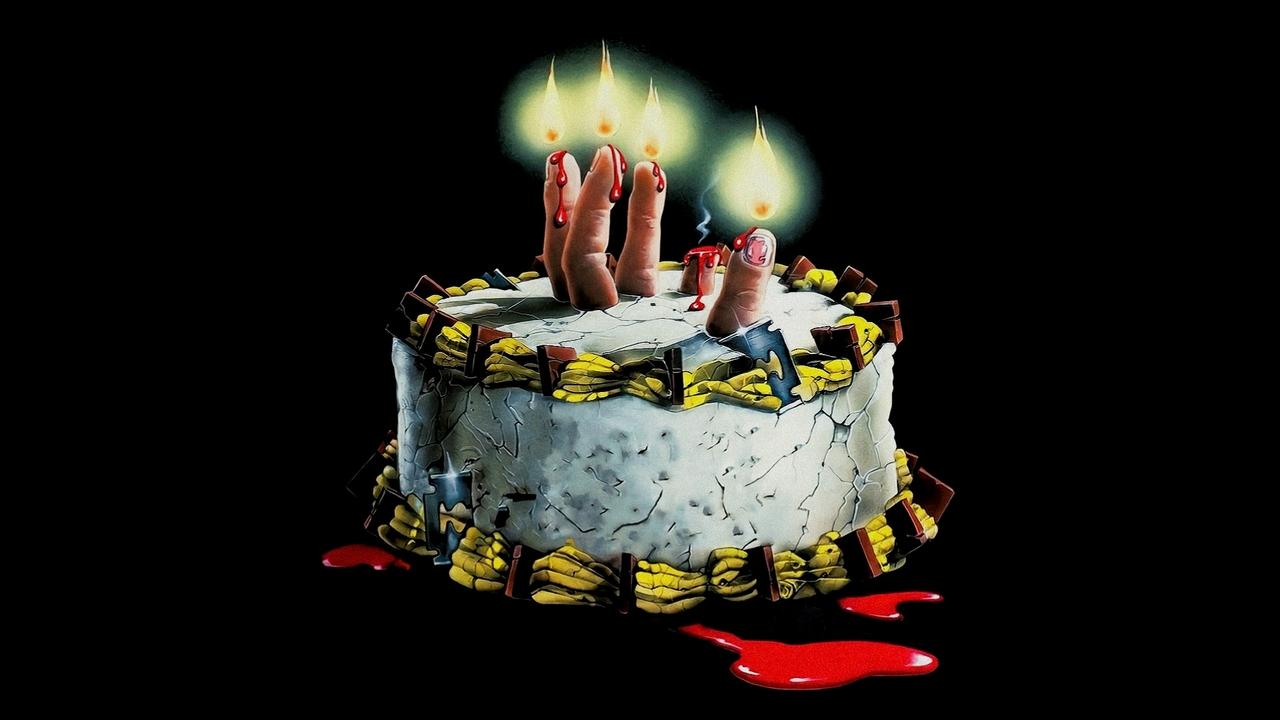
There's a particular kind of wrongness that clings to certain films discovered late at night on grainy VHS, a wrongness that settles deeper than mere jump scares. Bloody Birthday (1981) is steeped in that feeling. It doesn't just present horror; it presents innocence curdled, the sunny facade of American suburbia peeled back to reveal something chillingly blank staring from the eyes of children. Forget shadowy monsters; the terror here walks in broad daylight, holding party balloons.
Solar Flares and Sociopathy
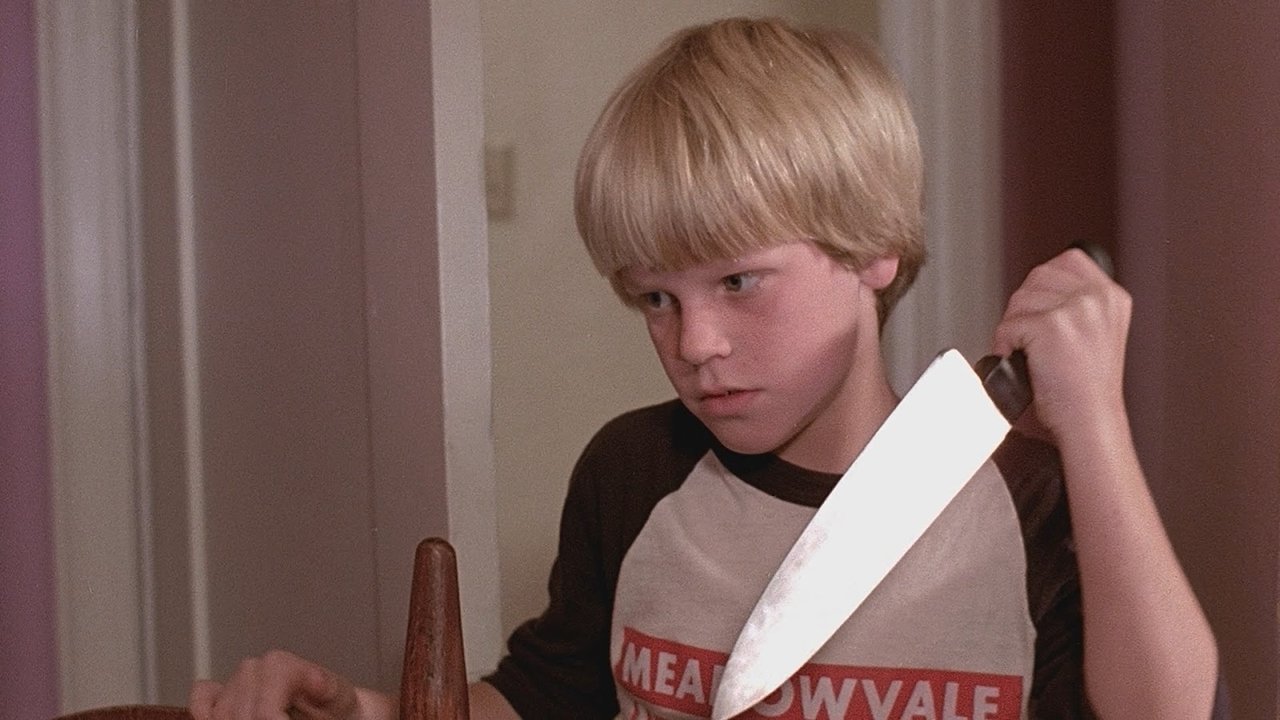
The premise, delivered with B-movie bluntness, is simple yet effectively unsettling: three children, Debbie, Curtis, and Steven, are born simultaneously during a total solar eclipse. The alignment, we're told, blocked Saturn's influence, leaving them without empathy, without conscience. As their tenth birthday approaches in the placid town of Meadowvale, a string of "accidents" begins. But young Joyce, sister of one victim, and her friend Timmy see the truth behind the angelic faces of the birthday trio. Director Ed Hunt, no stranger to genre fare after helming low-budget efforts like Starship Invasions, crafts a narrative that taps into primal fears – the vulnerability of childhood innocence, and the terrifying possibility of inherent evil where warmth should be.
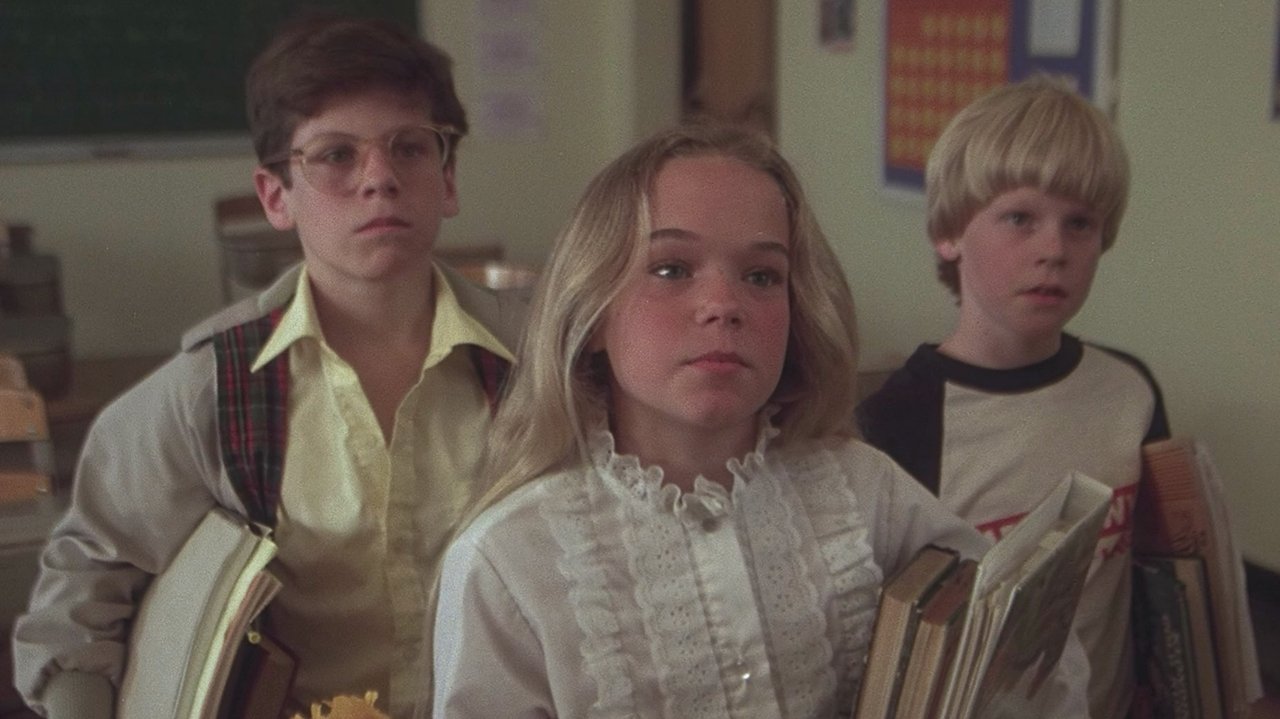
The film wastes little time establishing the casual cruelty of its antagonists. Played with unsettlingly vacant stares by Elizabeth Hoy, Billy Jayne (then credited as Billy Jacoby, later seen in shows like Parker Lewis Can't Lose), and Andy Freeman, the trio embodies a chilling detachment. There's a calculated coldness to their planning and execution of murders that feels disturbingly plausible, precisely because they look like ordinary kids. Legend has it that Hunt specifically coached the young actors to suppress emotion, aiming for that blank sociopathy, a choice that pays dividends in creepiness even if the performances occasionally dip into stiltedness.
Sunshine and Slaughter
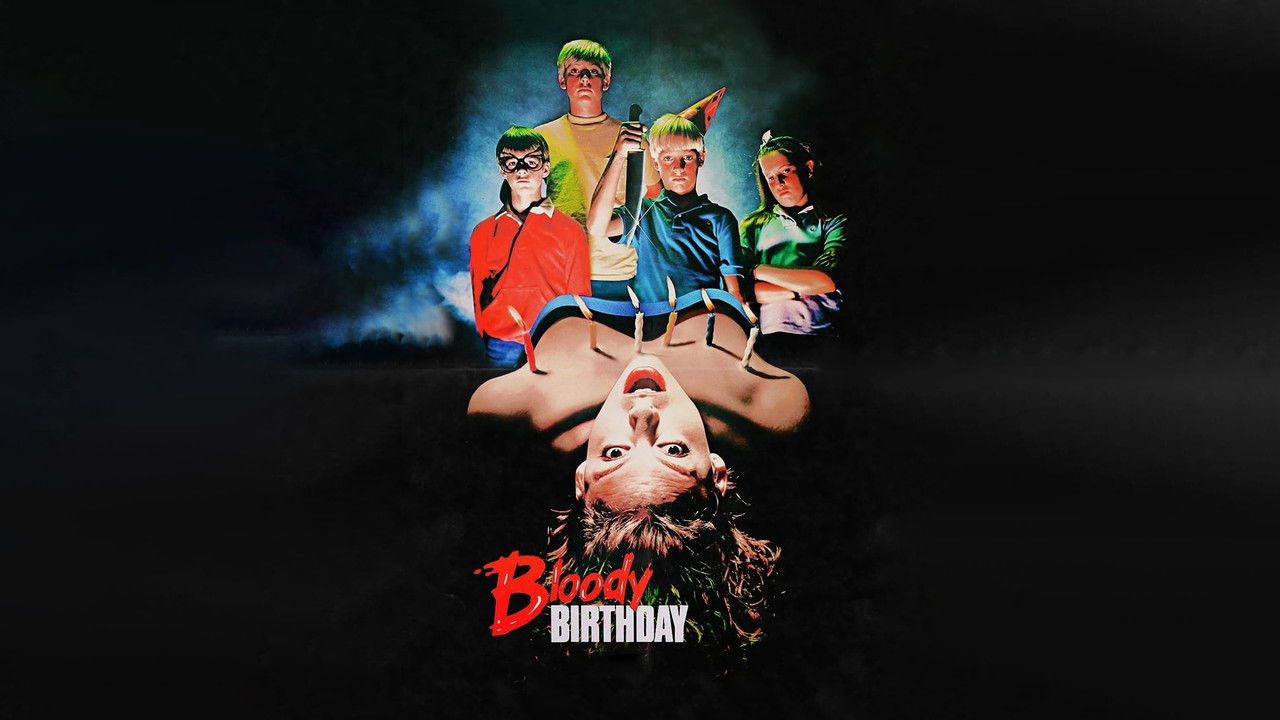
What makes Bloody Birthday stick in the memory isn't just the taboo concept of killer children, but the jarring contrast between its setting and its events. This isn't gothic horror; it's horror under the relentless California sun. Backyard barbecues, schoolyards, and quiet suburban homes become hunting grounds. This juxtaposition amplifies the unease – the familiar made nightmarish. The film operates on a modest budget (reportedly around $1 million), and it shows in the sometimes rudimentary effects and straightforward cinematography. Yet, there's an undeniable grimy effectiveness to it all, typical of the early '80s slasher cycle it surfed in on. It found its true life not in wide theatrical release, which was limited, but nestled on the shelves of video stores, beckoning with its lurid cover art.
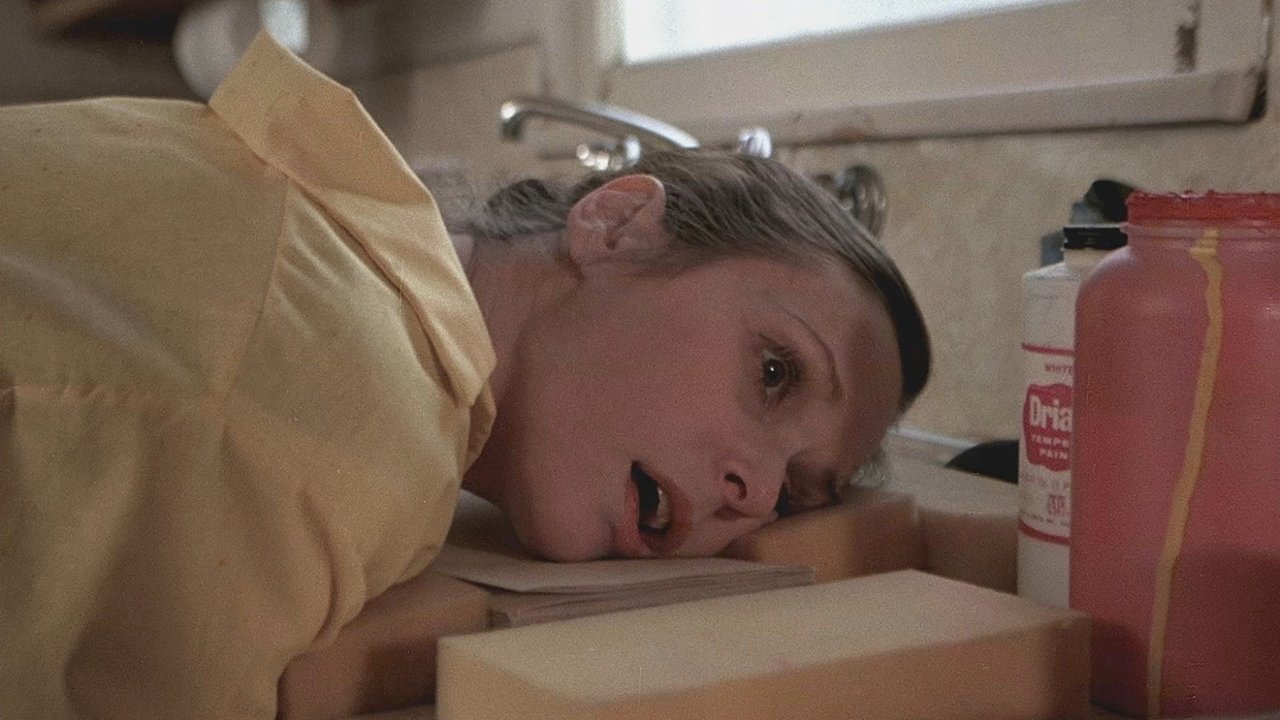
Certain moments achieve a grimy notoriety. The infamous peephole sequence remains genuinely startling in its abrupt brutality. Another kill involving a skipping rope feels both playground-innocent and shockingly vicious. And yes, there’s the brief, somewhat gratuitous nude scene involving a young Julie Brown (before her Earth Girls Are Easy and MTV fame) which she herself has often discussed with humor in later years. It’s a moment that feels very much of its time – an exploitative flourish in a film already pushing boundaries with its core concept. Did scenes like this contribute to its quiet disappearance from mainstream view, solidifying its cult status among VHS hounds seeking something edgier?
A Flawed But Memorable Birthday Gift
The adult performances are serviceable, with Lori Lethin as the increasingly suspicious older sister Joyce providing the audience surrogate, and Melinda Cordell as the well-meaning teacher who tragically misreads the situation. But the film belongs to the kids and the sheer audacity of its premise. It doesn't delve deep into psychology or motivation beyond the astrological gimmick; its power lies in the blunt presentation of remorseless violence emanating from unexpected sources. Some find the execution clumsy, the acting uneven, and the logic questionable – and they wouldn't be entirely wrong. There's a certain B-movie charm intertwined with its nastiness.
But to dismiss Bloody Birthday solely on its technical merits misses the point. It taps into a specific vein of early 80s horror – less polished than the major studio slashers, perhaps, but often possessing a meaner, grittier edge. It’s the kind of film you’d whisper about after renting it, the kind whose central idea felt genuinely disturbing back then, even through the tracking lines on your CRT TV.
***
VHS Heaven Rating: 6/10
Justification: Bloody Birthday earns its score through its memorably unsettling premise, the effective contrast between its sunny setting and dark deeds, and a handful of genuinely nasty kill sequences that linger. The chilling blankness of the child antagonists, despite some stiffness, adds to the creep factor. However, it's held back by its obvious low budget, occasionally awkward pacing, and some performances that don't quite land. It’s undeniably a product of its time, complete with exploitative elements.
Final Thought: More than just a slasher, Bloody Birthday is a prime example of the unsettling potential lurking within the "killer kid" subgenre. It might be rough around the edges, but its core concept remains effectively chilling, a nasty little birthday present unwrapped on VHS that still delivers a shiver decades later. Doesn't that blank stare from Curtis, peering through the peephole, still feel unnerving?