"All work and no play makes Jack a dull boy." The phrase, typed over and over, filling page after page, isn’t just a descent into madness; it’s a chilling distillation of the suffocating isolation that permeates every frame of Stanley Kubrick's 1980 horror masterpiece, The Shining. This wasn't just another haunted house movie dropped into the nascent home video market; it was an event. Getting your hands on that chunky Warner Home Video cassette, feeling the weight of it, sliding it into the VCR… it felt like unlocking something forbidden, a slow-burn dread that promised to crawl under your skin and stay there long after the tracking lines faded.
An Invitation to the Overlook
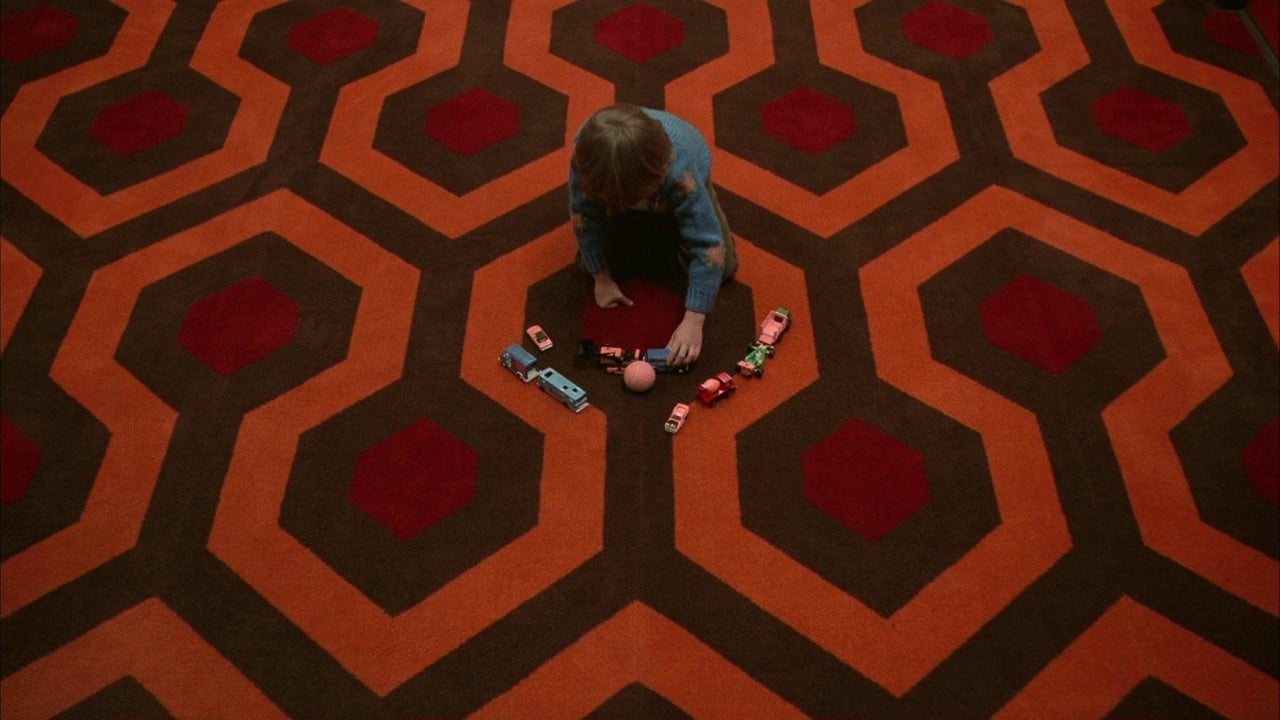
Forget jump scares designed to make you spill your popcorn. Kubrick, ever the meticulous craftsman, wasn't interested in cheap thrills. He was building a pressure cooker. The Overlook Hotel, a character in its own right, is introduced with those sweeping, unnerving aerial shots scored by Wendy Carlos and Rachel Elkind's synthesized interpretation of Berlioz's Symphonie fantastique. It’s majestic, yet deeply wrong. The sheer scale of the place, the impossible geometry of its interiors (famously debated by fans for its spatial inconsistencies, which many believe were intentional on Kubrick's part to disorient the viewer), dwarfs the Torrance family from the moment they arrive. They are caretakers, yes, but also specimens under glass, observed by both Kubrick's unflinching lens and whatever malevolent presence resides within those patterned walls.
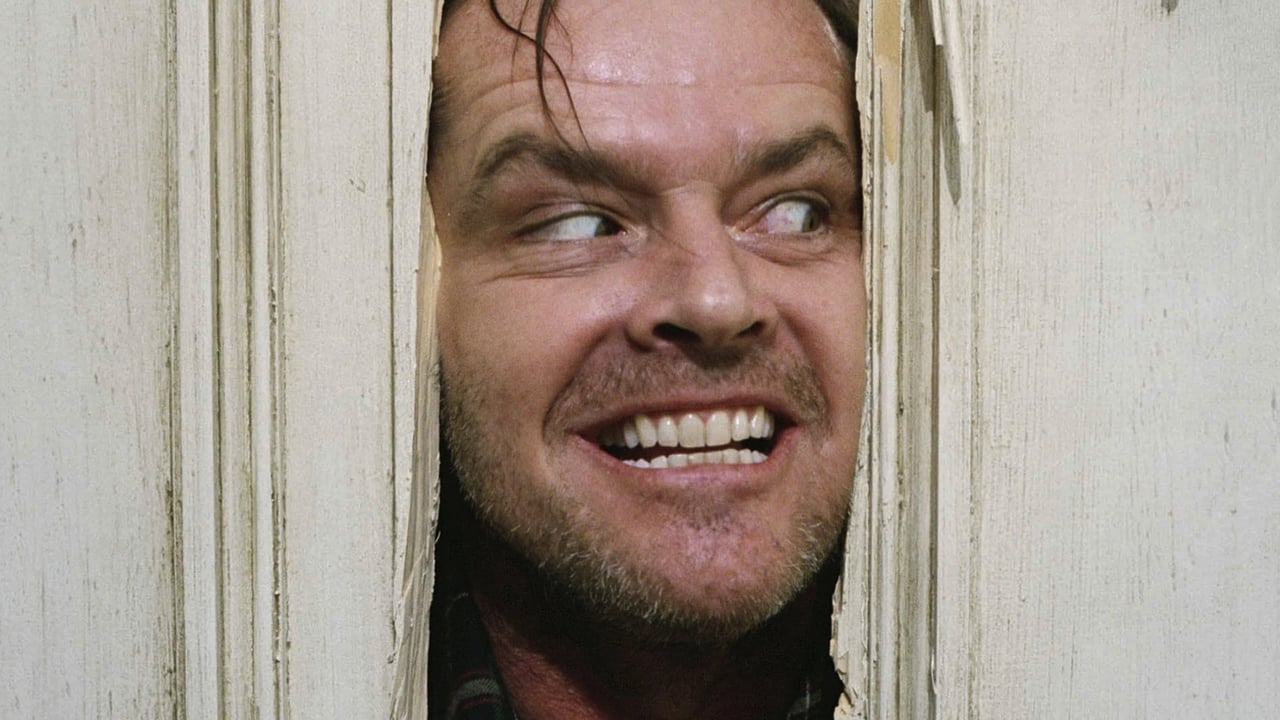
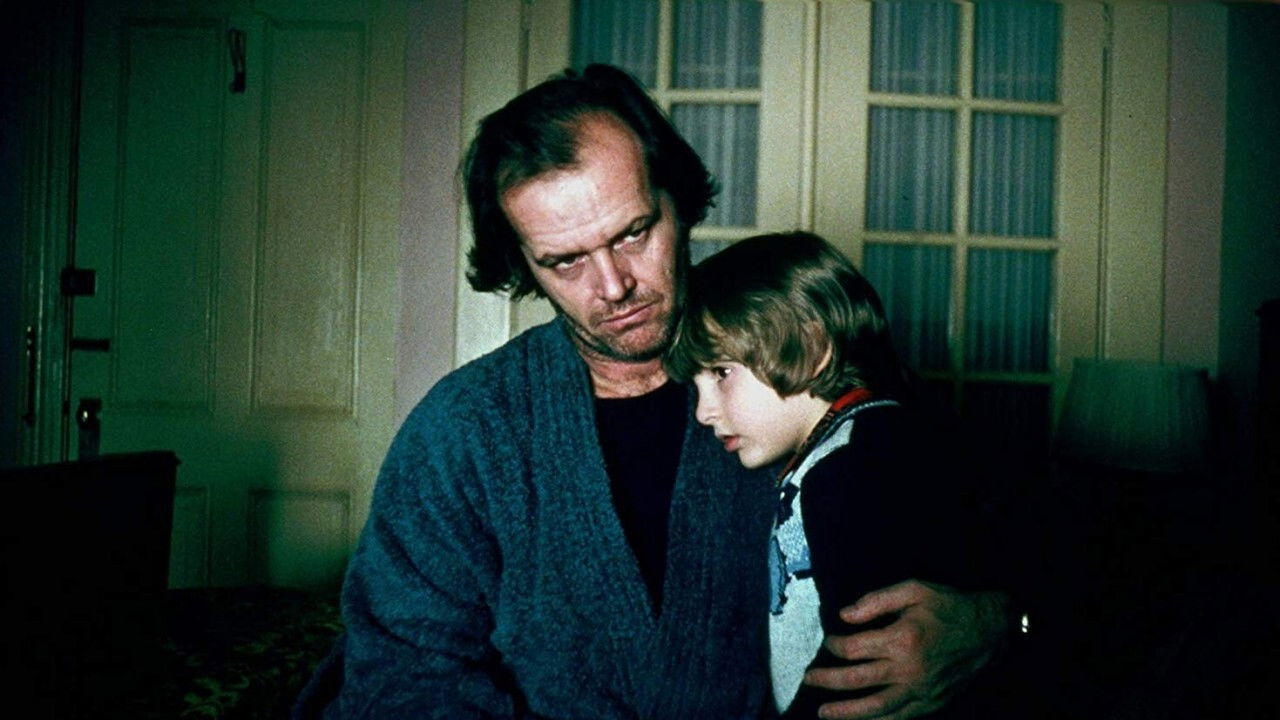
The initial interview scene crackles with unspoken tension. Jack Torrance (Jack Nicholson, in a performance that teeters brilliantly between charming eccentric and unhinged monster) assures Ullman he can handle the solitude. We, the audience, already feel the ice cracking. Nicholson, known for his intense energy, reportedly got himself into the right headspace for the famous "Here's Johnny!" scene by listening to genres of music he intensely disliked, channeling that irritation into Jack's frenzied state. It's a performance so iconic it borders on parody now, but watching it back then, especially on a flickering CRT, his transformation felt genuinely terrifying.
A Descent Fueled by Isolation and Ghosts
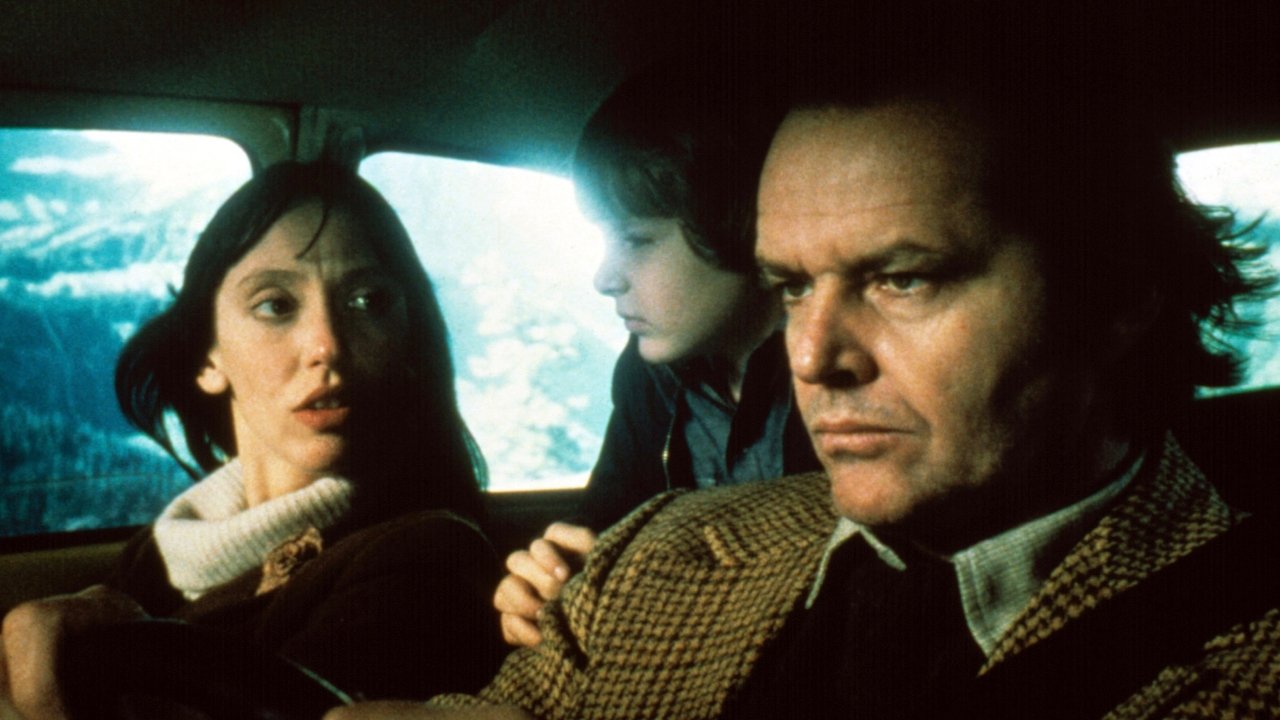
While Jack battles his demons (both internal and external), Wendy (Shelley Duvall) becomes the frayed nerve ending of the audience. Her wide-eyed terror isn't just acting; it’s a reflection of the grueling experience Kubrick put her through. Stories of the director demanding countless takes (the baseball bat scene reportedly took 127 takes, a Guinness World Record at the time) and fostering a sense of isolation for Duvall on set are legendary, and frankly, disturbing. Yet, the result is a performance of raw, palpable fear. You feel her desperation, her dawning realization that the man she loves is becoming a threat. Did her performance truly capture the Wendy of Stephen King's novel? Perhaps not – King himself famously disliked Kubrick’s adaptation, feeling it stripped away Jack’s internal struggle and made Wendy too weak. But within the confines of Kubrick's vision, Duvall’s portrayal is undeniably effective, a portrait of crumbling maternal instinct against an unstoppable force.
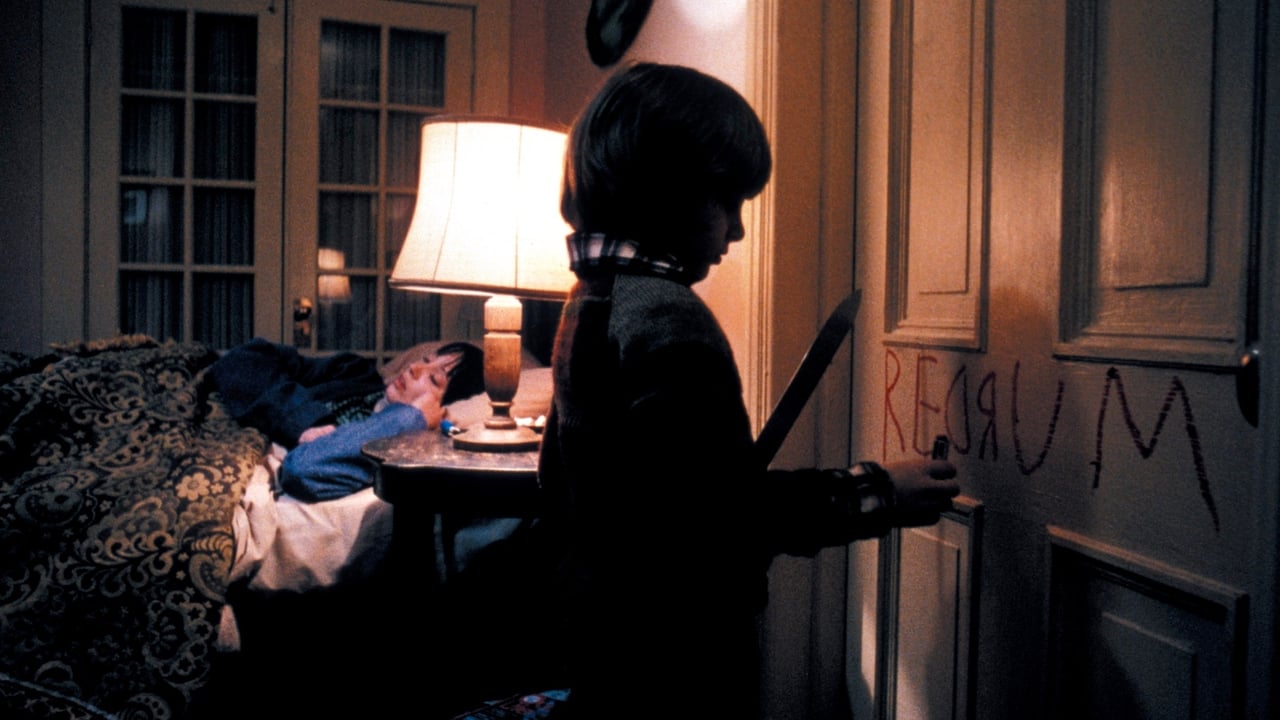
And then there's Danny (Danny Lloyd). His psychic ability, the "shining," makes him a conduit for the hotel's horrors. Those long, smooth Steadicam shots following his Big Wheel through the Overlook's labyrinthine corridors are mesmerizing. Garret Brown, the inventor of the Steadicam, was crucial to the film's look, allowing Kubrick to achieve a fluid, ghost-like perspective that was revolutionary. Remember how unnerving those scenes felt? The rhythmic sound of the wheels shifting from carpet to hardwood floor, building a unique kind of suspense before the sudden appearance of those twins. Lloyd, remarkably young, delivers a performance of quiet dread, his innocence making the visions he encounters (Room 237, the river of blood) all the more disturbing. Kubrick protected the young actor from the film’s true horror, telling him they were making a drama, not a scary movie.
Kubrick's Chilling Precision
Beyond the performances, The Shining is a masterclass in atmosphere. The meticulous production design, drawing inspiration from real locations like the Ahwahnee Hotel, creates spaces that feel both grand and claustrophobic. The haunting score, mixing electronic dread with classical pieces, is perfectly deployed to heighten tension or signal otherworldly intrusion. Kubrick’s detached, almost clinical direction keeps the audience at arm's length, forcing us to observe the unfolding nightmare without the comfort of clear explanations. Is it ghosts? Is it madness? The ambiguity is the horror. It lingers, forcing you to question what you saw, much like the infamous deleted scene originally placed at the film's end, which showed Ullman visiting Wendy in the hospital, adding another layer of unsettling ambiguity before Kubrick ordered it cut shortly after release.
The practical effects, though perhaps dated by modern CGI standards, still hold a chilling power. The decaying woman in Room 237, the ghostly bartender Lloyd, the blood pouring from the elevators – these moments felt visceral and terrifying on VHS, their impact amplified by the grainy picture and the enclosed feeling of watching at home, often late at night.
Legacy of Dread
The Shining wasn't universally acclaimed upon release; some critics found it slow, confusing, or emotionally cold compared to King's novel. But its influence is undeniable. It redefined psychological horror, demonstrating the power of atmosphere, ambiguity, and meticulous filmmaking to create lasting dread. Its imagery is burned into pop culture, endlessly referenced and parodied, yet the original film retains its power to disturb. Watching it today, even knowing the twists, the sense of unease remains potent. The Overlook still feels like a place you wouldn't want to visit, let alone spend a winter in. It might not have been the adaptation Stephen King wanted, but Kubrick crafted something unique, unsettling, and unforgettable – a true horror classic that transcended its source material to become its own iconic nightmare. It paved the way for more atmospheric horror and remains a benchmark for directorial vision within the genre, eventually spawning a sequel, Doctor Sleep (2019), which attempted to bridge the gap between King's book and Kubrick's film.
***
VHS Heaven Rating: 9/10
Justification: This near-perfect score reflects Kubrick's masterful direction, the unforgettable performances (particularly Nicholson's iconic descent), the groundbreaking use of the Steadicam, and the film's unparalleled creation of suffocating atmosphere and psychological dread. Its influence on the horror genre is immense. The single point deduction acknowledges the valid criticisms regarding the deviation from King's novel and the controversial treatment of Shelley Duvall, which, while resulting in a powerful on-screen performance, casts a shadow over the production history.
Final Thought: Decades later, the Overlook Hotel still beckons from that worn VHS cover, promising not jump scares, but a chilling exploration of isolation and madness that freezes the soul long after the credits roll. It remains a truly haunting piece of cinema.