The rain slicks the empty roads around Crawford Academy, mirroring the unease pooling in Virginia Wainwright's mind. Something is terribly wrong amongst the privileged elite known as the "Top Ten," and the approaching birthday candles cast shadows longer and darker than they should. Happy Birthday to Me (1981) isn't just another slice of the early 80s slasher boom; it carries a weight, a strangeness, that lingers like the metallic tang of blood in the air, long after the tape has rewound with a satisfying clunk.

A Shadow Over the Celebration
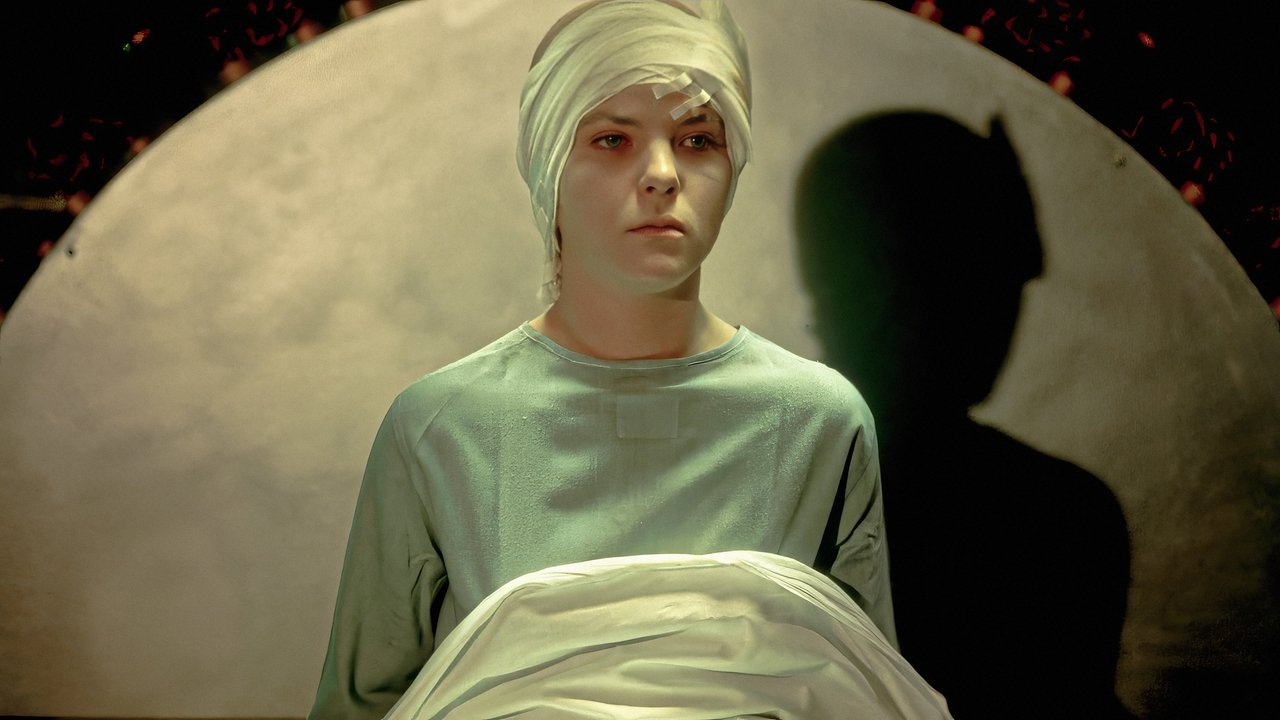
At the heart of the film is Ginny (Melissa Sue Anderson, deliberately playing against her wholesome Little House on the Prairie image), a survivor attempting to piece her life back together after a traumatic accident years prior. She’s plagued by blackouts, fragmented memories, and the terrifying possibility that she might be connected to the increasingly baroque disappearances and murders plaguing her exclusive clique. The film leans heavily into Ginny's psychological fragility, using her fractured perspective to keep the audience perpetually off-balance. Is she the final girl, the killer, or something else entirely? This central mystery, wrapped in the fog of repressed trauma, elevates the film beyond simple body count fare.
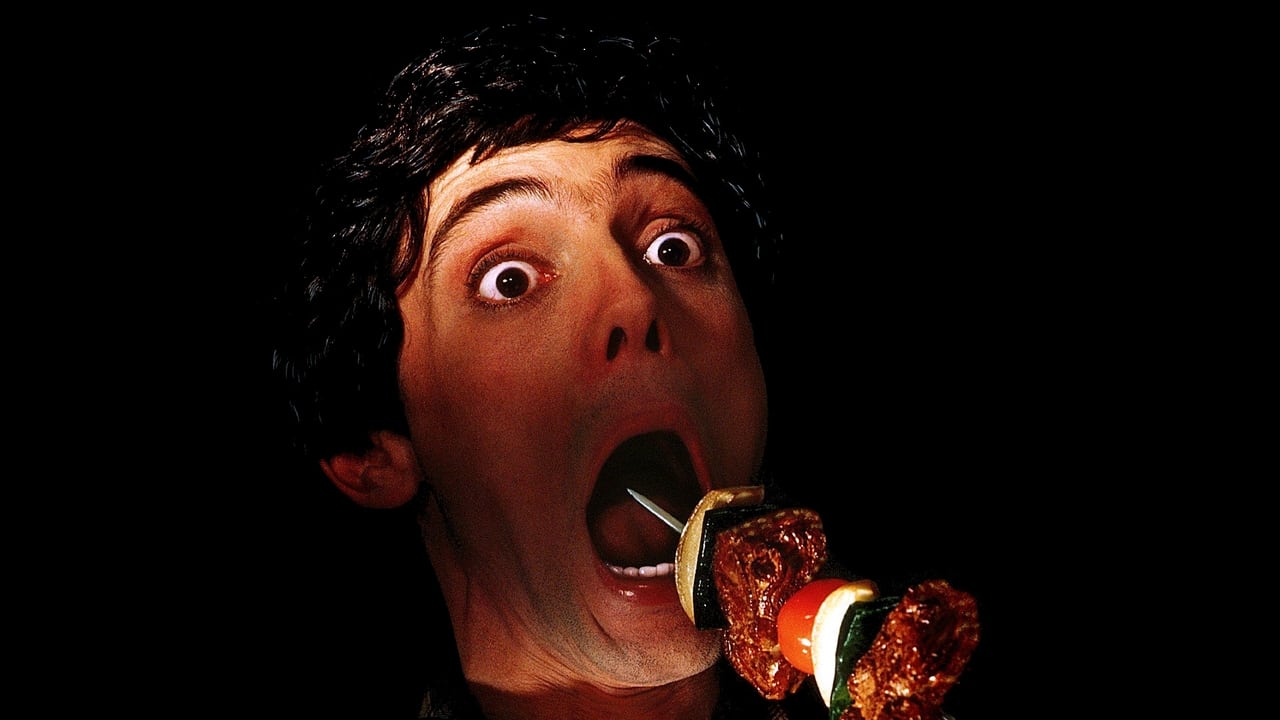
Director J. Lee Thompson, a veteran craftsman known for tense thrillers like the original Cape Fear and large-scale adventures like The Guns of Navarone, brings an unexpected level of polish and scale to the proceedings. This wasn't some fly-by-night, low-budget hack job; Columbia Pictures reportedly poured around $3.5 million into it, a considerable sum for a slasher flick back then. You see it in the elaborate, almost gleefully inventive murder sequences – moments designed to make you squirm in your seat, lit by the flickering cathode rays of your trusty CRT. That infamous poster, featuring a hapless victim about to meet a skewer, might have promised straightforward mayhem, but the film delivers its kills with a theatrical, almost operatic flair. Remember the weightlifting scene? The dirt bike sequence? Each feels like a carefully orchestrated set piece of dread.
Crawford Academy Confidential
The supporting cast largely consists of the "Top Ten," the kind of affluent, entitled teens that became slasher movie staples. While perhaps not deeply developed, they serve their purpose as potential victims and red herrings effectively. The film delights in throwing suspicion around like confetti at a doomed party. Could it be the prank-obsessed Alfred? The jealous Bernadette? The film keeps you guessing, sometimes to the point of absurdity, piling motive upon misdirection. Lending an air of unexpected gravitas is the legendary Glenn Ford as Ginny’s psychiatrist, Dr. Faraday. His presence adds a touch of class, though his role mainly involves looking concerned and trying to unravel Ginny's tangled psyche, a task that proves more complex than perhaps even he imagined.
It's fascinating to learn that Thompson actually stepped in to replace the original director early in production. One wonders how much of the film's slightly eccentric tone and pacing stems from this shift, or from the multiple writers credited (John Saxton, Peter Jobin, Timothy Bond). There's a sense of disparate elements being stitched together – psychological thriller, giallo-esque mystery, brutal slasher – resulting in a film that feels both familiar and uniquely odd. This Canadian production, masquerading as an American college horror, certainly carved its own niche.

The Unforgettable Finale (Minor Spoilers Ahead)
While avoiding the big reveal, it’s impossible to discuss Happy Birthday to Me without acknowledging its ending. It’s… a choice. A bizarre, audacious, and frankly unforgettable sequence that throws everything you thought you knew into a blender. Spoiler Alert! The final dinner party scene is a masterclass in unsettling imagery and drawn-out tension, culminating in a reveal that defies easy explanation and practically demands a rewind (or at least a bewildered post-movie chat back in the day). Does it entirely make sense? Perhaps not. Is it memorable? Absolutely. It's the kind of ending that cemented the film's cult status, ensuring it wasn't just forgotten amongst the glut of early 80s slashers. Doesn't that final image still feel perfectly, weirdly chilling?
The practical effects, while perhaps showing their age slightly now, were gruesomely effective for their time. The filmmakers didn't shy away from the gore, leading to various cuts for television or different territories, but the core nastiness remains. It taps into that specific kind of 80s horror realism – tangible, messy, and unsettlingly physical. Coupled with a moody score and competent cinematography capturing the isolated atmosphere of the academy, the film builds a consistent sense of impending doom.
### Legacy in Red
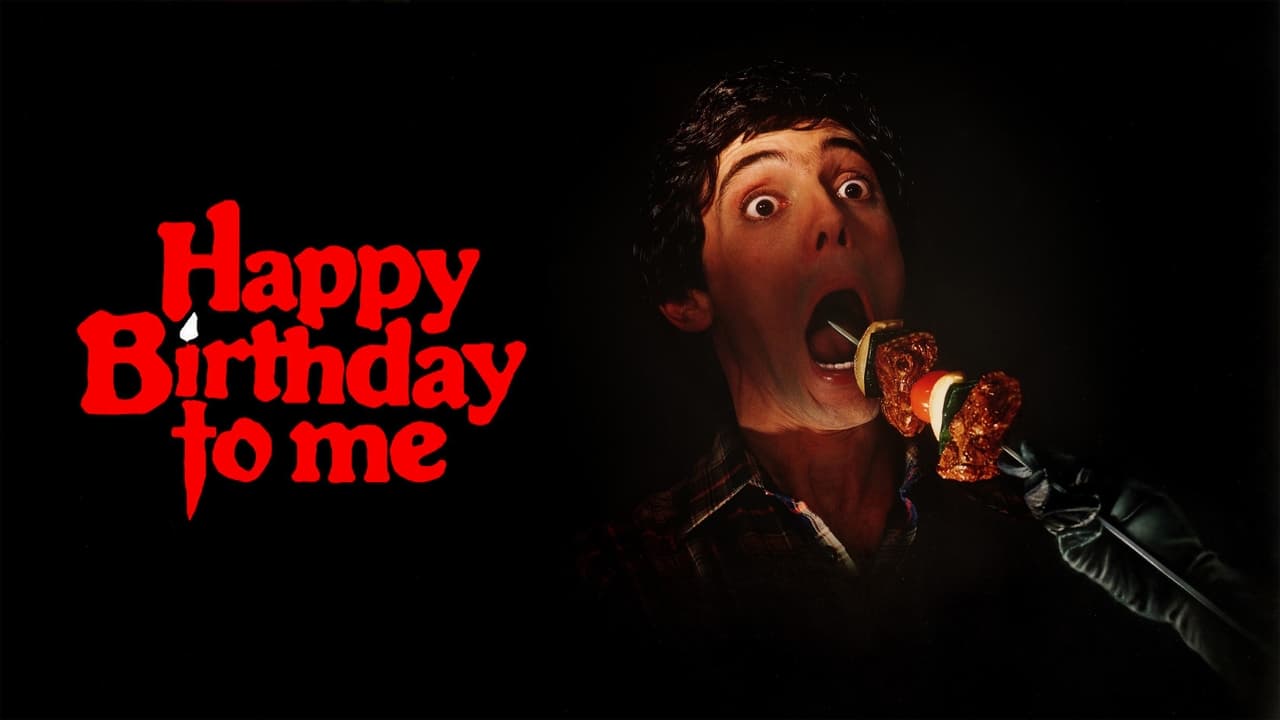
Happy Birthday to Me stands as a fascinating artifact of the slasher golden age. It’s more ambitious than many of its peers, attempting a complex psychological angle alongside its creative kills. While sometimes clumsy and undeniably convoluted, its sheer audacity, particularly in its final act, and the committed performance from Melissa Sue Anderson make it stand out. It’s a film that feels like it was genuinely trying to be something more than just a body count, even if it occasionally trips over its own ambitions. The memory of renting this one, maybe drawn in by that lurid cover art, and discovering the strange, twisty narrative within, is a core VHS era experience for many horror fans.
Rating: 7/10
The score reflects a film that successfully blends genuine suspense and memorable, gruesome set pieces with a compelling central mystery anchored by Anderson's performance. It’s docked points for a sometimes meandering plot, an overload of red herrings, and an infamous ending that, while unforgettable, borders on the nonsensical. Still, its ambition, atmosphere, and sheer weirdness make it a standout slasher from the era. It remains a strangely compelling watch, a birthday party you might be hesitant to RSVP to, but one you certainly won't forget.