Some films don't just flicker on the screen; they claw their way out, embedding themselves under your skin with jagged splinters of pure, unadulterated terror. The Evil Dead isn't merely watched; it's endured. Forget subtle chills; this is a full-blown demonic assault, launched from the grainy confines of a 16mm nightmare, a film that felt dangerously volatile, even contained within the reassuring clunk of a worn VHS cassette pulled from the shelf late at night.
Into the Woods, No Turning Back
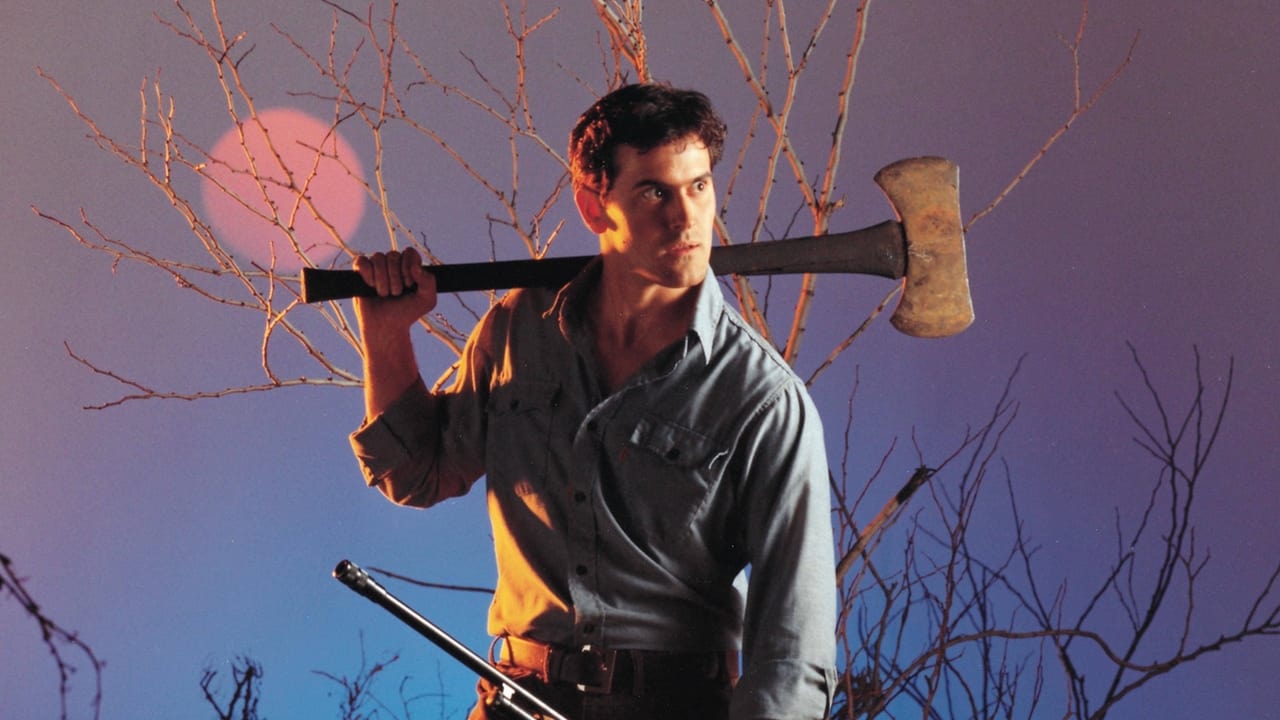
The premise is deceptively simple, almost a cliché now, but terrifyingly potent in 1981: five college students venture into a remote cabin in the Tennessee woods for a getaway. Ashley "Ash" Williams (Bruce Campbell), his girlfriend Linda (Betsy Baker), his sister Cheryl (Ellen Sandweiss), their friend Scott (Richard DeManincor), and Shelly (Theresa Tilly) stumble upon the Naturom Demonto – the Book of the Dead – and an accompanying tape recorder. Playing the recorded incantations awakens something ancient and malevolent lurking in the surrounding forest, possessing the living and turning friend against friend in a relentless tide of demonic horror. It’s a setup we’ve seen countless times since, but rarely with such raw, ferocious energy.
Raimi's Raging Camera
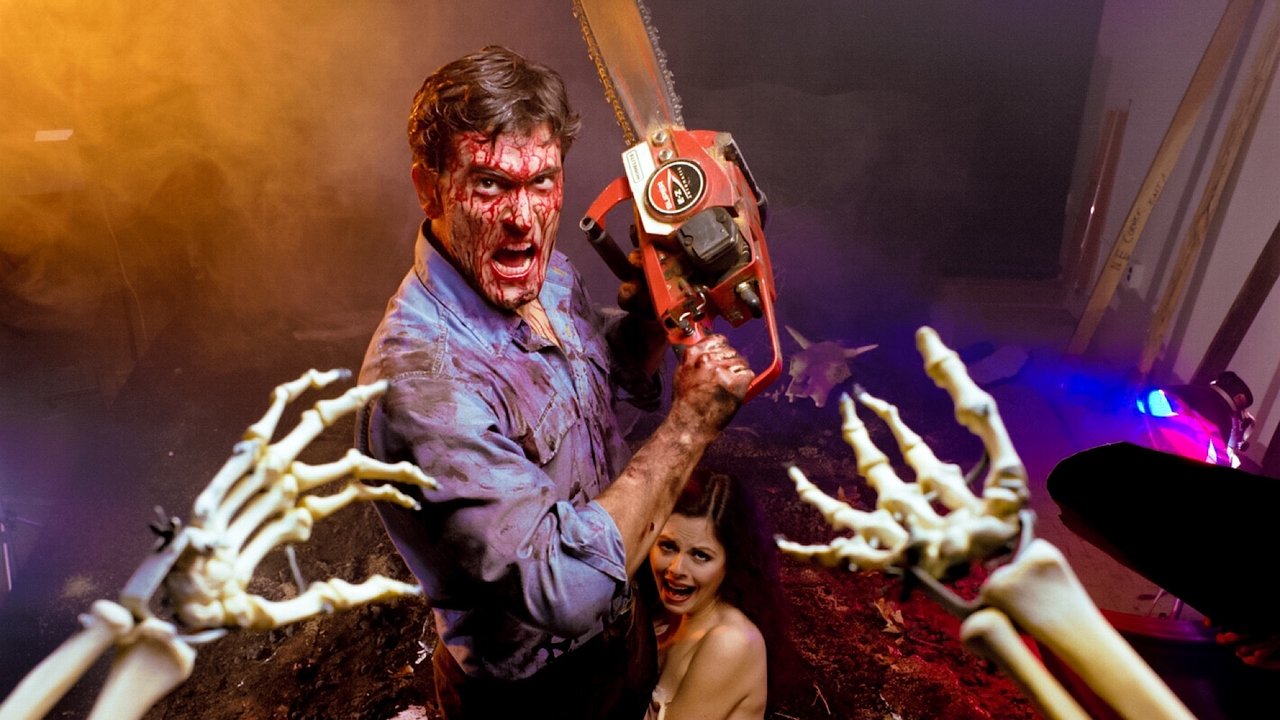
What elevates The Evil Dead beyond its simple setup is the sheer directorial audacity of a young Sam Raimi. Working with a shoestring budget – reportedly cobbled together for around $350,000-$400,000 – Raimi didn't just point and shoot; he weaponized the camera. The frantic, low-angle "entity-cam" shots hurtling through the woods, the disorienting dutch angles, the jarring snap-zooms – it all creates a visceral sense of unease and kinetic mayhem. Rumors abound about the DIY spirit on set; stories of Raimi and crew strapping the camera to planks of wood and sprinting through the forest to achieve those signature POV shots aren't just trivia, they speak to the desperate creativity fueling this project. This wasn't polished Hollywood horror; it was guerrilla filmmaking fueled by youthful ambition and, likely, sheer terror of failure. The relentless pace leaves you breathless, mirroring the characters' desperation.
Cabin Fever Gore
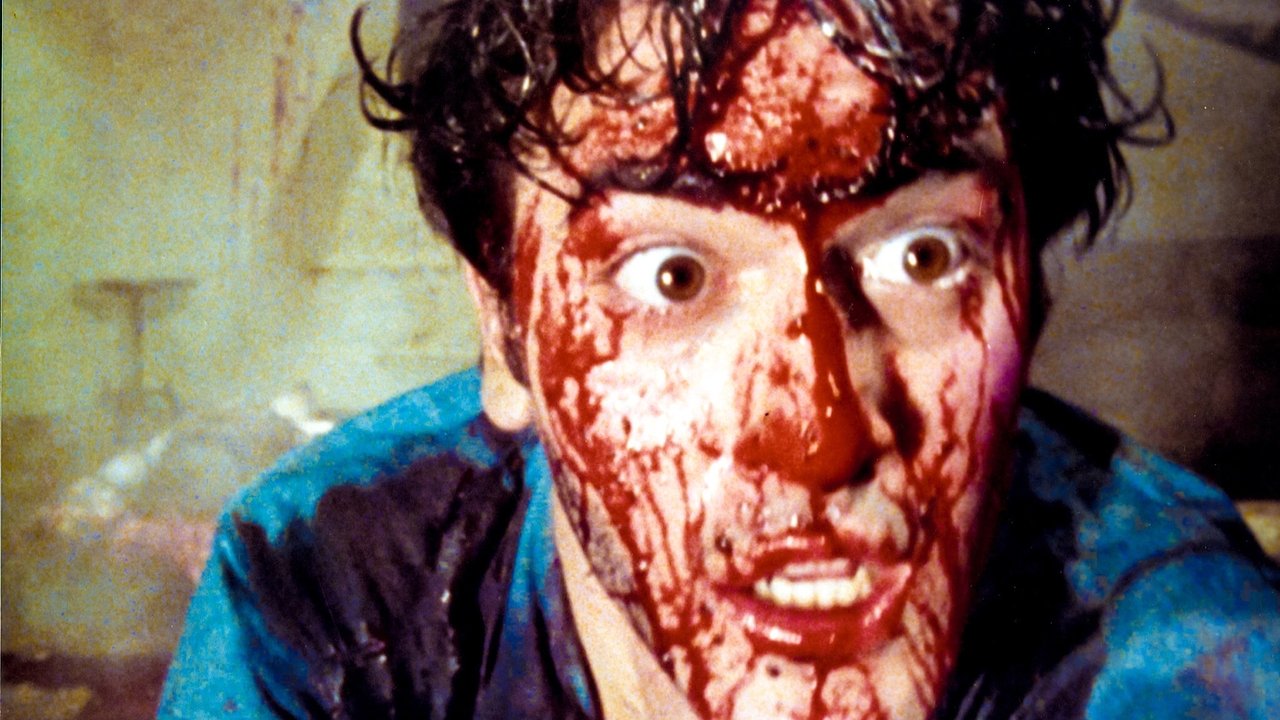
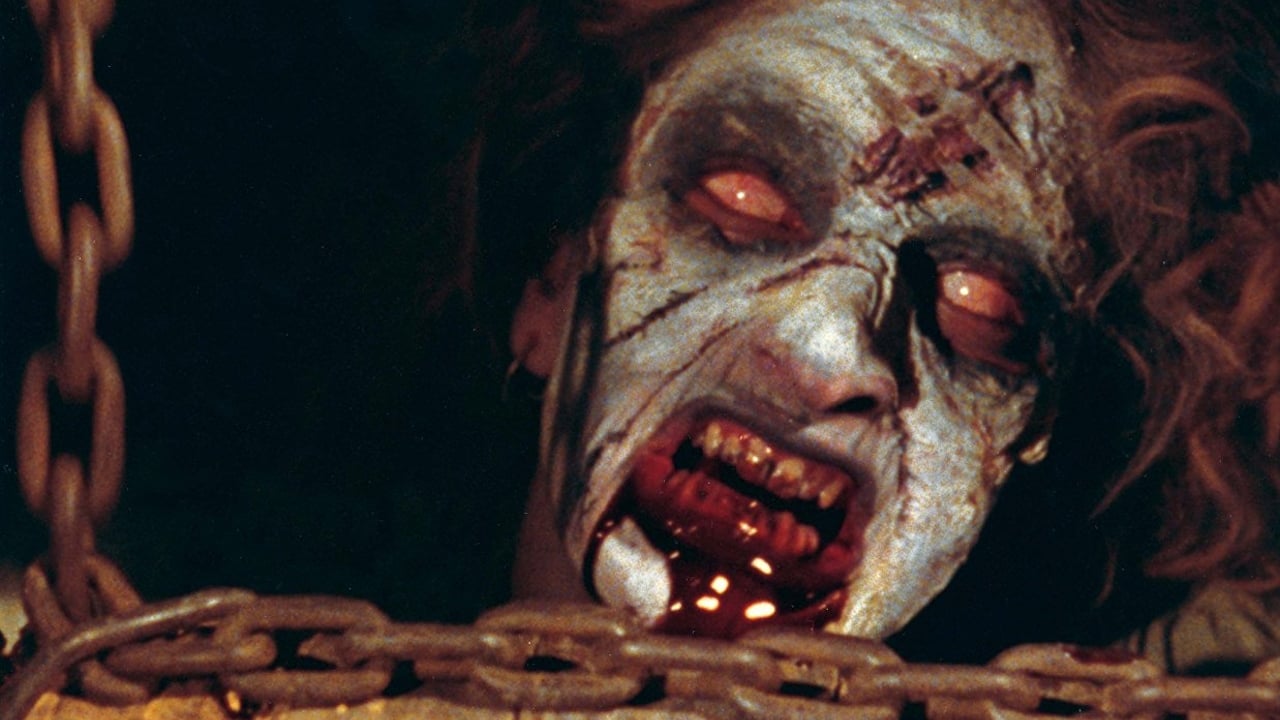
Let's be honest, the gore is legendary. Watching it back then, especially on a flickering CRT, felt transgressive. This wasn't the suggested violence of older classics; this was visceral, messy, and disturbingly imaginative. Limbs are hacked, eyes are gouged, and bodies contort in unnatural ways, all realized through practical effects that, while perhaps showing their seams today, possess a tangible, stomach-churning quality digital effects often lack. The infamous concoction for blood – a mix of Karo syrup, red food coloring, coffee grounds, and non-dairy creamer – became a signature, coating the actors and the set in a sticky, crimson nightmare. The makeup effects, particularly the demonic transformations, are grotesque and genuinely unsettling. Remember Cheryl’s basement transformation or Shelly's demonic visage? Those images linger. The sheer physicality of it feels real, brutal, and inescapable within the confines of that cursed cabin. The production itself was notoriously grueling, filmed in a real, dilapidated cabin in Morristown, Tennessee during harsh winter conditions, adding a layer of authentic misery that bleeds onto the screen.
The Birth of an Icon
Amidst the chaos stands Bruce Campbell as Ash. While not yet the chainsaw-wielding, boomstick-toting smart-aleck of the sequels, the seeds are sown here. Campbell endures incredible physical punishment, transforming from a regular guy into a traumatized, desperate survivor. His wide-eyed terror feels genuine, partly because, by all accounts, the filming was torturous. Raimi famously employed "Fake Shemps" – stand-ins used for brief shots when actors were unavailable or unwilling – a testament to the chaotic nature of the shoot, but Campbell anchors the film. His journey from hapless boyfriend to reluctant hero is the bloody, beating heart of the narrative. The other actors commit fully to the madness, delivering performances that, while perhaps reflecting the low budget and their relative inexperience, perfectly capture the mounting hysteria and demonic possession.
From Indie Shock to Cult Royalty
Initially titled Book of the Dead, the film struggled for distribution until horror maestro Stephen King saw it at Cannes and provided a rave review quote, calling it "the most ferociously original horror film of the year." This endorsement was crucial, helping secure a distribution deal with New Line Cinema. Even then, its graphic content earned it an X rating in the US and landed it squarely on the notorious "video nasty" list in the UK, sparking censorship debates but simultaneously fueling its underground legend status. Renting The Evil Dead felt like you were getting away with something illicit, something dangerous. That grainy, low-budget aesthetic only enhanced the feeling that you were watching something raw and forbidden.
Lasting Infection
The Evil Dead remains a landmark of independent horror filmmaking. Its influence is undeniable, paving the way for countless cabin-in-the-woods horror flicks and showcasing Sam Raimi's unique visual flair long before he tackled Spider-Man (2002). It spawned beloved sequels like Evil Dead II (1987) – more of a comedic remake/sequel hybrid – and Army of Darkness (1992), along with a 2013 remake, a TV series, and solidified Bruce Campbell as a cult icon. But revisiting the original reminds you of its terrifying purity. It’s less concerned with witty one-liners and more focused on relentless, atmospheric dread and shocking violence.
---

Rating: 9/10
Justification: The Evil Dead earns a 9 for its groundbreaking independent spirit, Sam Raimi's wildly inventive direction under extreme limitations, Bruce Campbell's star-making endurance test, its genuinely terrifying atmosphere, and its legendary, tangible practical gore effects. It's a raw, uncut gem of 80s horror that redefined low-budget possibilities. While some performances outside of Campbell are understandably uneven given the circumstances, and the effects might look dated to modern eyes, its ferocious energy and historical impact are undeniable. It remains a visceral, unforgettable experience.
Final Thought: Even after countless viewings, the sheer, unhinged ferocity of The Evil Dead still feels potent. It’s a primal scream captured on celluloid, a reminder of how terrifyingly effective horror can be when stripped down to its raw, bloody essentials. Lock your doors.