Dust devils dance through the empty streets of a forgotten Texas town, whistling a mournful tune through weathered wooden skeletons. This isn't just a backdrop; it's the soul of Byron Quisenberry's 1981 Scream – and no, put down the Ghostface mask, this is a different phantom haunting the VHS shelves, born fifteen years before Wes Craven redefined the slasher. This Scream is a strange beast, shuffling out of the regional horror shadows, less a frantic shriek and more a prolonged, unsettling sigh from the plains.
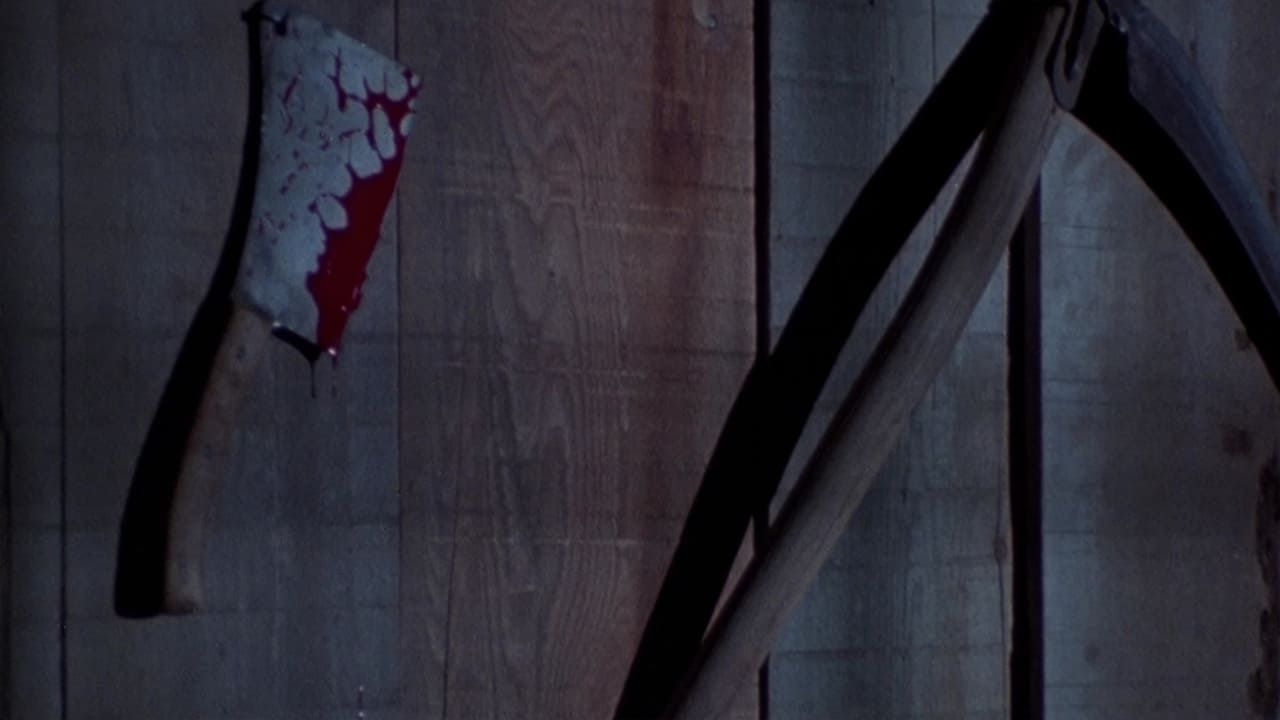
Where Silence Reigns
Forget bustling summer camps or suburban nightmares. Scream throws us into the stark, sun-bleached emptiness of a literal ghost town – Brackettville, Texas, right next door to the famed Alamo Village movie set where legends like John Wayne once trod. This choice of location is, without doubt, the film's strongest asset. Quisenberry, in his sole directorial effort, lets the oppressive silence and decaying structures do much of the heavy lifting. There's a palpable sense of isolation, of time having stopped, that seeps into the film's grain. You can almost feel the grit under your fingernails, the dry heat baking the suspense. It’s fitting, perhaps, that veteran character actor Hank Worden, a familiar face from countless John Ford Westerns like The Searchers (1956), appears here, lending a touch of ghostly authenticity amidst the desolation. His weathered presence feels unnervingly at home in this landscape of forgotten things.
A Slow Boat to Nowhere?
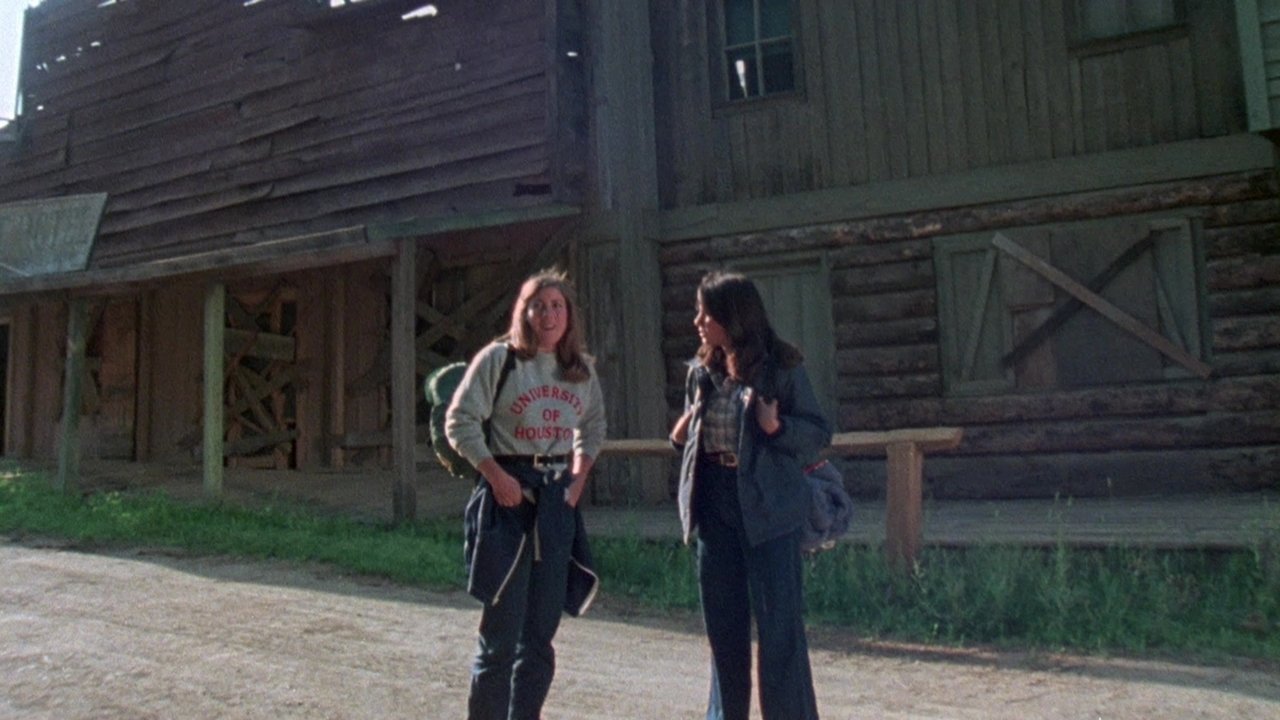
The narrative structure of Scream is... peculiar. It splits its time between a group of largely forgettable characters on a leisurely rafting trip down the Rio Grande, seemingly oblivious to the danger, and scenes of various townsfolk meeting grim, off-screen fates at the hands of an unseen killer. This disjointed approach, coupled with a notoriously deliberate pace, is where the film often tests viewer patience. Is it an attempt at building slow-burn dread, making the eventual (and sparse) violence more impactful? Or is it simply a consequence of budgetary limitations and perhaps directorial inexperience? For many, myself included back when this obscurity occasionally surfaced at the local video store (sometimes under its alternate title, The Outing), the answer leans towards the latter. The rafting scenes feel aimless,padding the runtime rather than effectively counterpointing the unseen menace stalking the ghost town. The tension flickers rather than flames.
Faces in the Sun
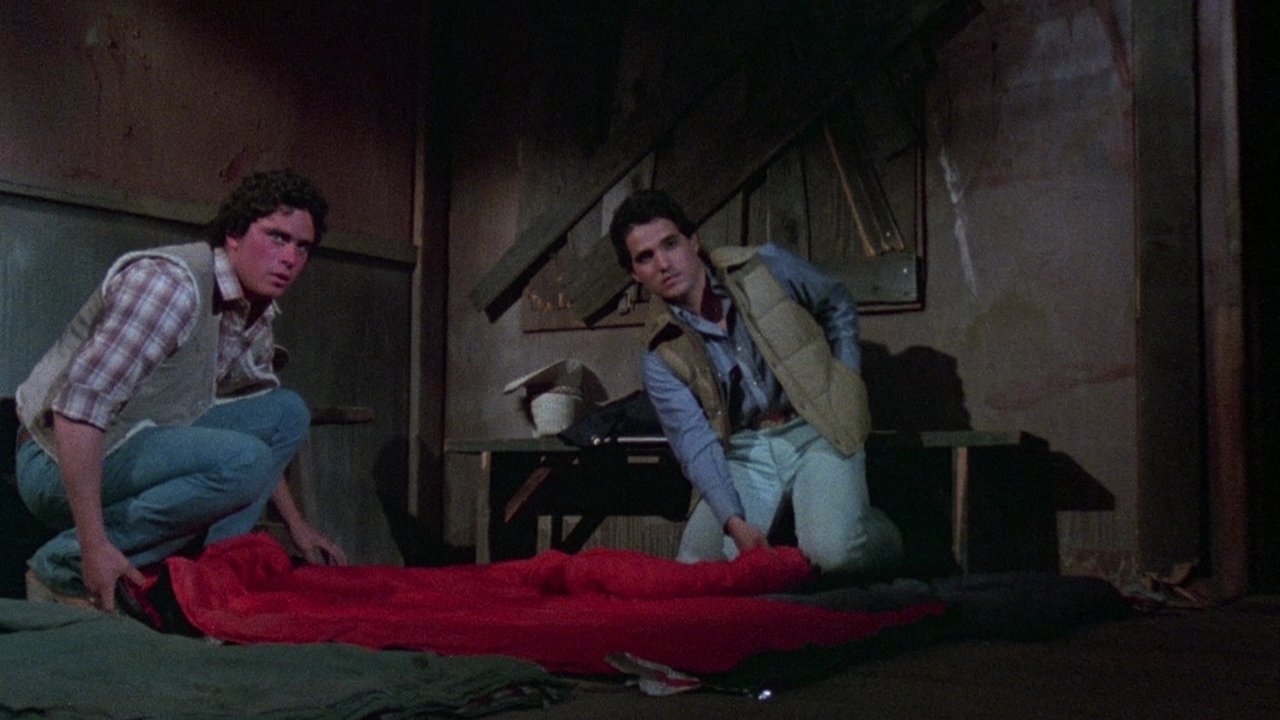
The cast is a curious mix, typical of the regional, low-budget horror scene of the era. We have former pro-wrestler Pepper Martin bringing a certain physical presence, and Ethan Wayne, son of the iconic John Wayne, in one of his early roles. Does the Duke's son bring charisma inherited from his father? Let's just say the performances across the board are earnest but rarely elevate the material. They feel like real people caught in something strange, which lends a certain awkward realism, but lacks the polish or memorable archetypes often found even in contemporary slashers. It's less about character arcs and more about bodies filling the desolate spaces before inevitably being dispatched, often bloodlessly.
Retro Fun Facts: Whispers from the Set
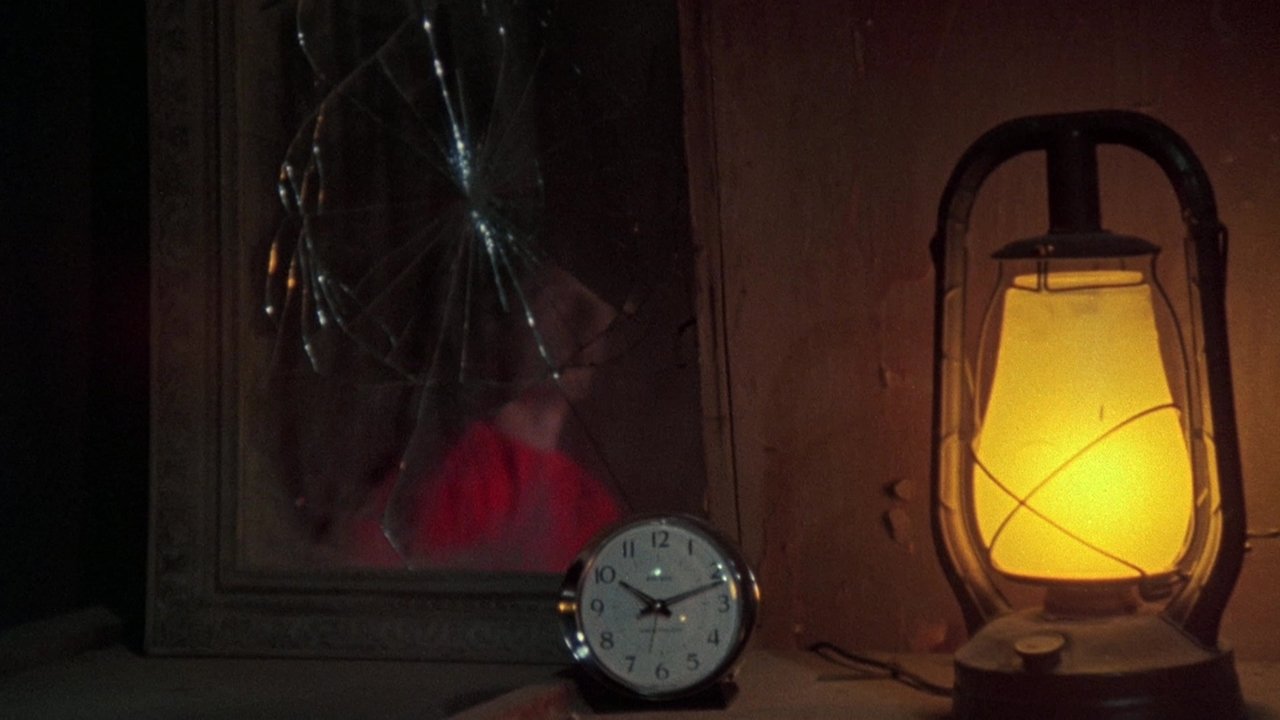
This is pure drive-in, regional filmmaking grit. Shot on a shoestring budget, Scream feels like a relic unearthed. Byron Quisenberry never directed again, leaving this as his sole, strange cinematic statement. Filming in Brackettville provided immense production value for presumably little cost, but one wonders if the eerie quiet of the genuine ghost town seeped into the production itself. There are no tales of elaborate effects gone wrong here; the horror is suggested, implied, relying on the inherent creepiness of the location and the audience's imagination. The decision to keep the killer almost entirely off-screen until the very end might have been budgetary, but it also adds to the film's odd, almost ethereal anti-slasher feel. Was it a deliberate choice to subvert expectations, or simply making do? Given its obscurity upon release, swallowed by the rising tide of more graphic early 80s horror, its legacy is mainly tied to its title and its atmospheric setting.
The Lingering Chill
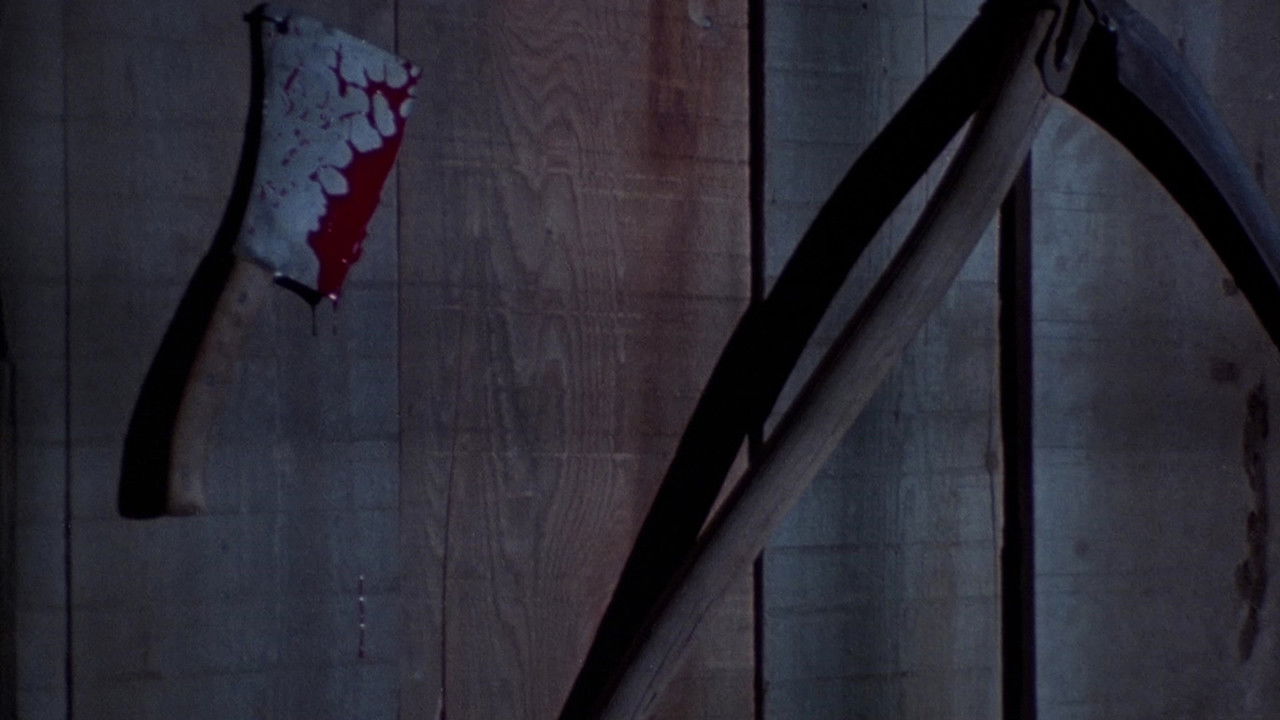
Does Scream (1981) deliver the visceral thrills its title might promise? Not really. It lacks the iconic killer, the memorable set pieces, and the relentless pacing of its slasher brethren like Friday the 13th (1980) or Halloween (1978). Yet, there's something undeniably haunting about it. The ghost town setting feels genuinely unnerving, a character in its own right. The pervasive quiet, punctuated by sudden (if infrequent) moments of implied violence, creates a unique mood – less terrifying, more deeply melancholic and unsettling. It’s the kind of film that might have played late at night on some forgotten UHF channel, leaving you feeling vaguely disturbed without quite knowing why. Doesn't that dusty, sun-baked dread feel more uniquely chilling than another masked maniac, in its own way?
VHS Heaven Rating: 4/10
Scream earns points almost entirely for its evocative ghost town atmosphere and its status as a genuine oddity from the VHS era's dusty back corners. The presence of Hank Worden adds a poignant touch of classic Hollywood decay. However, the glacial pacing, underdeveloped characters, minimal scares, and often amateurish execution drag it down considerably. It’s a film more interesting to discuss as a piece of regional horror history than it is truly engaging to watch.
Final Thought: A curio for the dedicated 80s slasher archaeologist, Scream (1981) is less a scream and more a whisper from a ghost town – atmospheric, flawed, and ultimately swallowed by the sands of time, only occasionally disturbed by dedicated retro hounds.