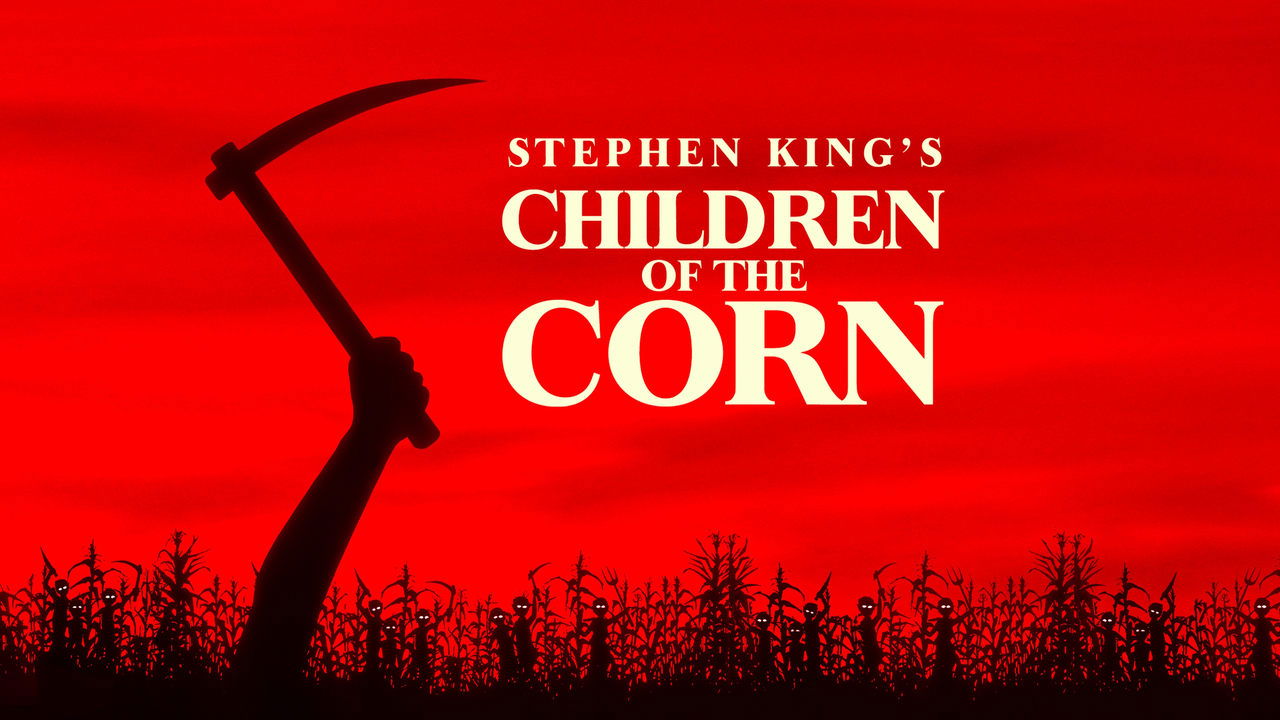
The rustling starts subtly. Not just the wind through the endless stalks, but something else. Something watchful. That feeling permeates 1984's Children of the Corn, a film that took a chilling Stephen King short story and etched its unnerving imagery onto the magnetic tape of countless rented VHS cassettes. It wasn’t just another horror flick; it was a trip into the sun-bleached dread of rural America, where innocence had curdled into something monstrous beneath the vast, indifferent sky.
### Welcome to Gatlin. Leave Hope Behind.
The setup is deceptively simple, tapping into that primal fear of the isolated road trip gone wrong. Young couple Burt Stanton (Peter Horton) and Vicky Baxter (Linda Hamilton, in a role filmed just before she became the iconic Sarah Connor in The Terminator later that same year) are driving cross-country, hoping to salvage their fraying relationship. A sudden, shocking accident involving a child darting into the road forces them into the seemingly abandoned town of Gatlin, Nebraska. Abandoned by adults, that is. The children remain, ruled by the diminutive, chilling preacher Isaac Chroner (John Franklin) and his brutal enforcer, Malachai Boardman (Courtney Gains). They serve a malevolent entity dwelling within the cornfields: "He Who Walks Behind the Rows." What unfolds is less a straightforward slasher and more a descent into folk horror fanaticism, a terrifying glimpse of paradise lost and childhood twisted into zealous violence.
### The Children Are Our Future… and Our Doom
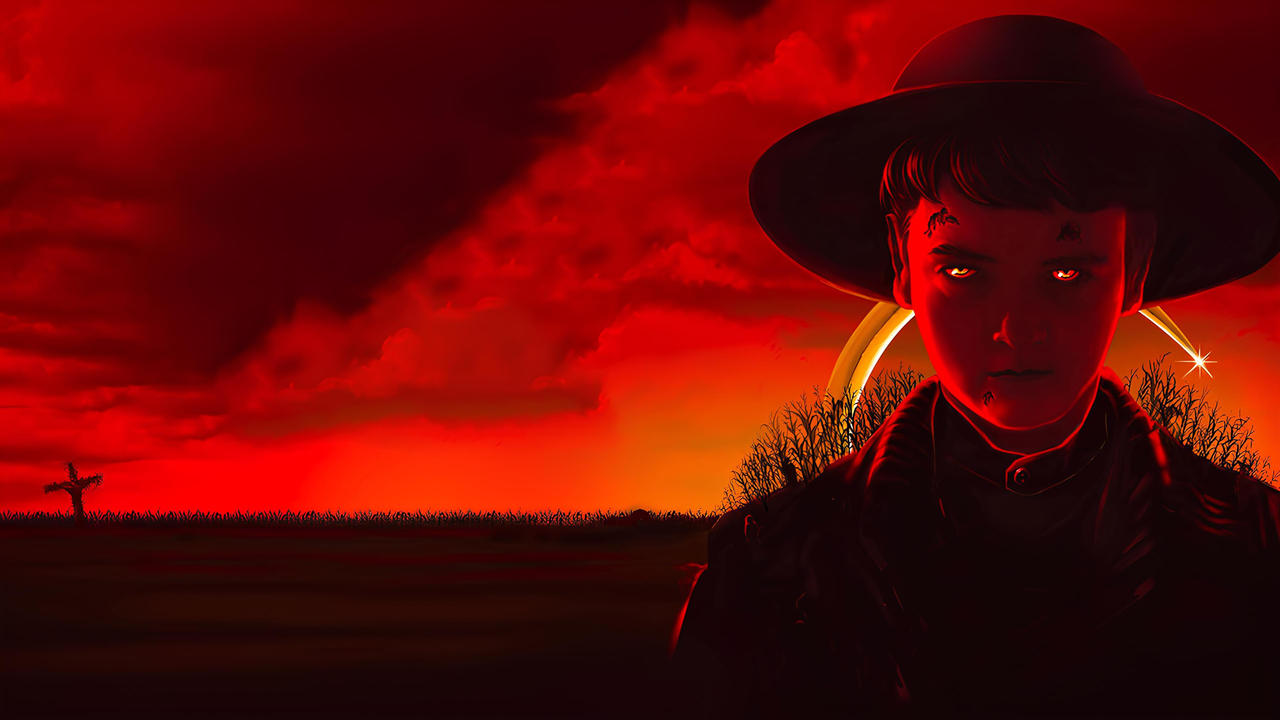
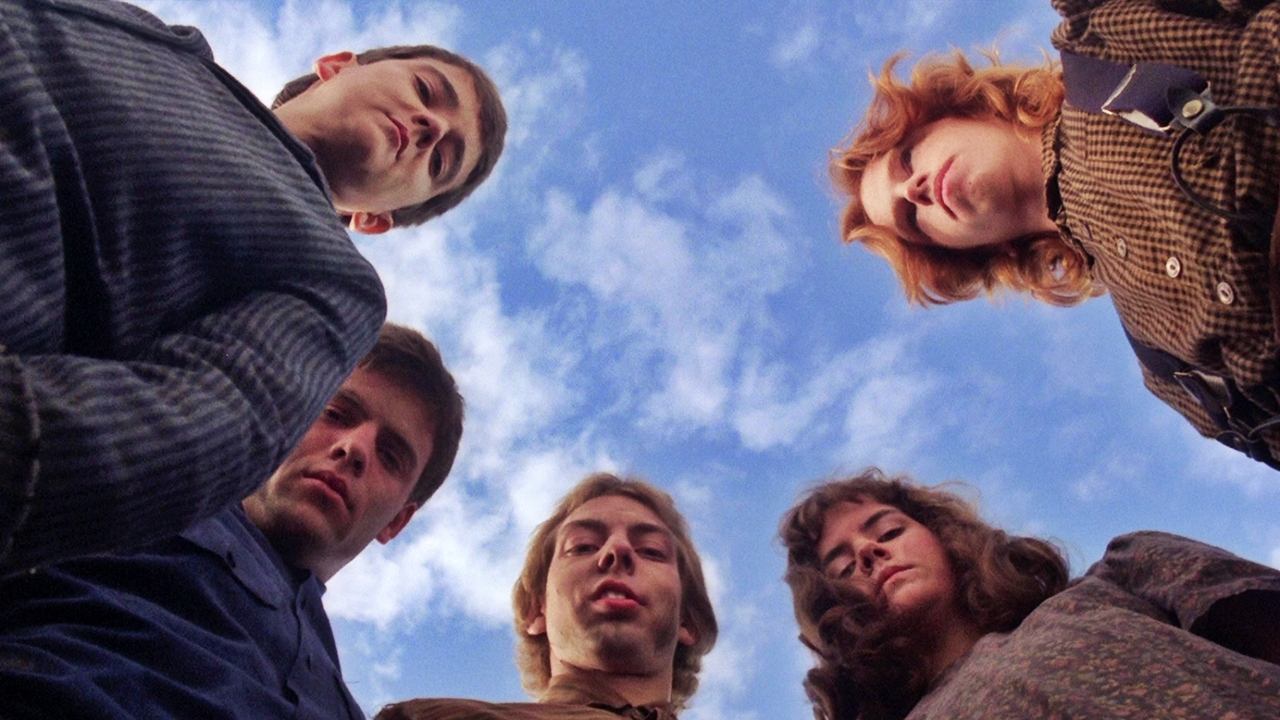
While Horton brings a relatable desperation and Hamilton a growing terror, the film truly belongs to its young antagonists. John Franklin, who was actually in his early twenties but possessed a unique presence due to a growth hormone deficiency, delivers a performance as Isaac that is utterly captivating in its unsettling authority. His fiery sermons, delivered with unnerving conviction, are the stuff of nightmares. He commands the screen not through physical intimidation, but through sheer force of twisted charisma. Complementing him perfectly is Courtney Gains as Malachai, all simmering teenage rage and brutal physicality. Their dynamic – the calculating prophet and the volatile muscle – creates a palpable tension within the children's cult itself. These aren't just "creepy kids"; they are terrifyingly believable instruments of a dark faith. It's said that director Fritz Kiersch encouraged the young actors playing the cult members to maintain a certain distance from Horton and Hamilton off-set, aiming to enhance the feeling of genuine hostility on screen.
### Sun-Drenched Nightmare Fuel
What Children of the Corn lacks in slick production value (it was shot on a relatively modest budget of around $800,000), it compensates for with sheer, unadulterated atmosphere. Filmed primarily on location in the starkly beautiful, yet isolating, landscapes of Iowa (towns like Sioux City, Whiting, and Hornick provided the backdrop), the film weaponizes the endless fields of corn. They aren't just scenery; they are omnipresent, claustrophobic walls hiding unspeakable things. Director Kiersch uses the bright daylight not to dispel fear, but to bake it in, creating a unique sense of exposure and vulnerability. There’s no comforting shadow to hide in; the horror exists under the same blazing sun that nourishes the crops. Jonathan Elias's score contributes significantly, mixing pastoral melodies with discordant, chanting voices that perfectly capture the perversion of faith at the story's heart.
### Seeds of Trivia: Behind the Rows
The journey from King's short story to the screen wasn't straightforward. King himself apparently penned an initial draft screenplay, deemed far too ambitious and effects-heavy for the producers' budget. George Goldsmith stepped in to craft the leaner, more atmospherically focused version we know. While critics at the time were largely unkind, audiences drawn by King's name and the lurid premise turned out, propelling the film to a surprising $14.6 million gross – a significant return on investment that practically guaranteed its future cult status on home video. Watching it now, the practical effects, especially the fiery climax depicting "He Who Walks Behind the Rows," might seem dated. Yet, there’s a certain charm to their ambition, a reminder of an era before CGI smoothed over every rough edge. Doesn't that final, fiery demon possess a certain B-movie majesty, even now? The film's eerie power certainly resonated, spawning a seemingly endless harvest of direct-to-video sequels (and even a couple of remakes), none of which quite captured the original's raw, unsettling vibe.
### The Verdict: Still Worth Reaping?
Children of the Corn isn't perfect. The adult protagonists sometimes make questionable decisions, the pacing occasionally flags, and some elements haven't aged gracefully. Yet, its core concept remains potent. The fear of corrupted youth, of faith twisted into fanaticism, and the unsettling power of isolated, rural landscapes – these elements still connect. It tapped into something primal, a fear that beneath the wholesome facade of small-town America, something ancient and terrible might be waiting. For many of us who first encountered it on a grainy VHS tape rented from the local video store, the image of Isaac standing atop his corn-stalk pulpit, or the glint of Malachai’s blade in the sun, remains vividly unsettling. It’s a quintessential slice of 80s King-sploitation, rough around the edges but packing an undeniable atmospheric punch.
Rating: 7/10
Justification: While hampered by budget limitations and some dated elements, Children of the Corn succeeds through its powerful atmosphere, iconic child villains (especially Isaac), and effective use of its unsettling rural setting. It captures a specific brand of 80s horror dread that, despite its flaws, became a surprisingly enduring cult classic.
It may have spawned a legion of lesser sequels, but the original Children of the Corn remains a potent reminder from the VHS era: sometimes the most terrifying monsters are the ones hiding in plain sight, under the bright, unforgiving sun. Out there. Among the rows.