The wind whispers differently across those isolated plains, doesn't it? Not a comforting rustle, but a dry, scraping sound that carries whispers of judgment and secrets buried deep in the unforgiving soil. That's the feeling that permeates Wes Craven's 1981 chiller, Deadly Blessing – a film that creeps under your skin with its unsettling blend of rural isolation, religious fanaticism, and a pervasive sense of unseen menace. Long before Freddy Krueger haunted our dreams, Craven was exploring the darkness lurking just beyond the borders of perceived normalcy, and this film is a potent, if sometimes uneven, early example.
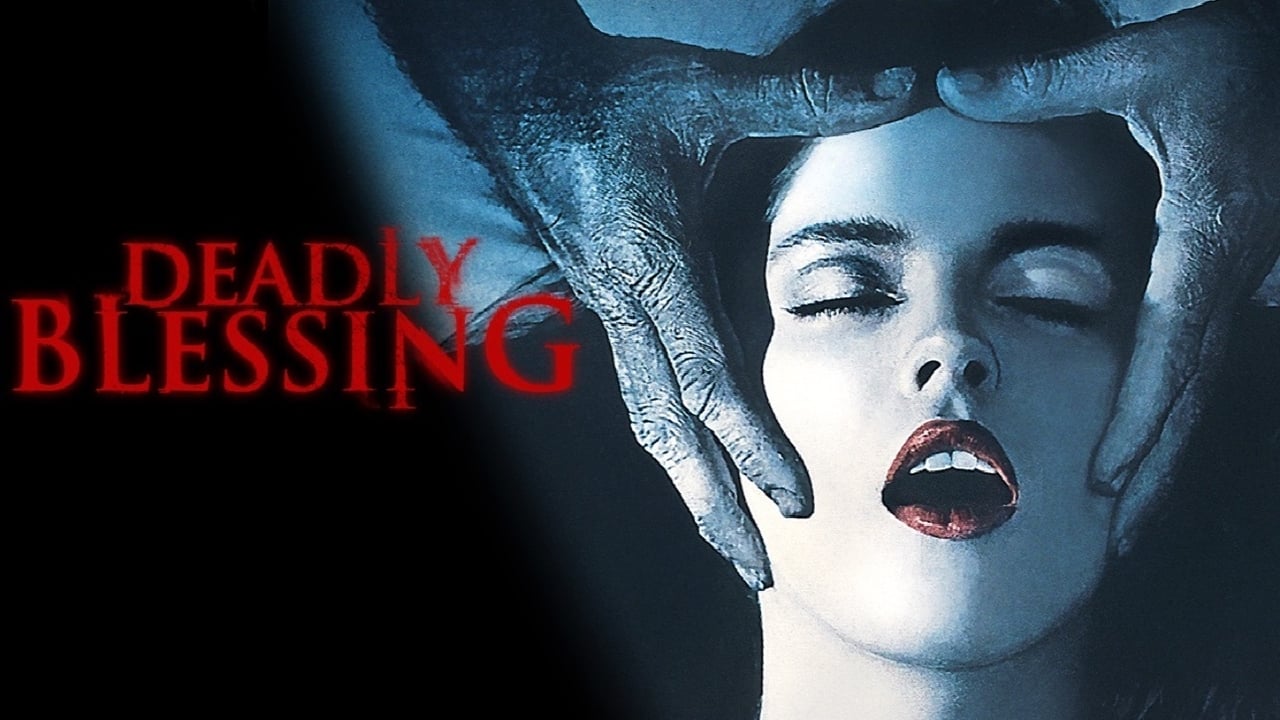
Forget jump scares designed purely for a jolt; Deadly Blessing thrives on atmosphere. It plunges us into the world of Martha Schmidt (Maren Jensen), a city woman trying to make a life on a remote farmstead after the mysterious death of her husband. Her neighbours? The Hittites, an austere, Amish-like sect led by the imposing Isaiah (Ernest Borgnine), who believe technology is sin and view outsiders with deep suspicion – especially Martha, whose husband defected from their ranks to marry her. When Martha’s friends from Los Angeles, the soon-to-be-iconic Sharon Stone as Lana and Susan Buckner as Vicky, arrive for support, the simmering tension between the modern women and the archaic community boils over into something far more sinister.
Where Silence Screams Louder Than Words
What Craven captures so effectively here is the specific dread of the rural gothic. The vast, empty landscapes feel less like freedom and more like exposure. Cinematographer Robert Jessup frames the farm and its surroundings with a painterly eye, but one that emphasizes shadows and isolation. The silence of the Hittite community is often more terrifying than any overt threat. Their passive disapproval, their watchful eyes, Borgnine's booming condemnations – it creates a psychological pressure cooker. Ernest Borgnine, already an Oscar winner for Marty (1955) but known to genre fans for films like Escape from New York (1981) released the same year, brings a terrifying gravity to Isaiah. He isn’t just a leader; he’s the embodiment of righteous, terrifying conviction. You absolutely believe his certainty that something evil plagues the farm next door.
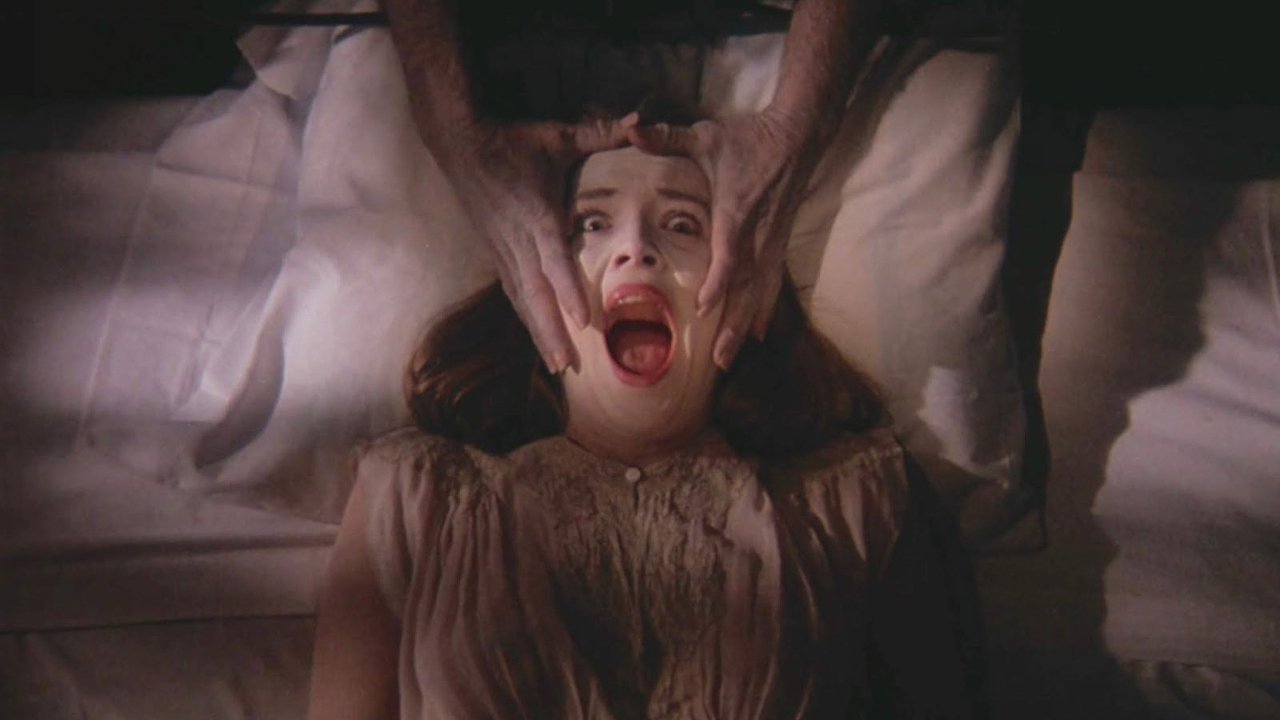
The film was shot largely in Texas, and you can feel the heat and dust, adding another layer of discomfort. Craven, whose own strict Baptist upbringing often informed his work, seems fascinated by the power dynamics and potential for darkness within rigid belief systems. It's less a critique of faith itself and more an exploration of how human fear and dogma can curdle into something monstrous.
Things That Go Bump (and Crawl) in the Night
Of course, this being an early Craven picture, the psychological tension eventually gives way to more visceral horror. And who could forget that scene? Sharon Stone, in one of her earliest and most memorable roles long before Basic Instinct (1992) made her a superstar, experiences perhaps the ultimate bathtub vulnerability. The spider sequence is pure nightmare fuel, tapping into a primal fear with agonizing slowness. Legend has it that a real (albeit defanged) tarantula was used, and Stone’s terror feels disturbingly genuine. It’s a standout moment of practical horror that likely had audiences squirming in their seats back in the day – remember how scenes like that felt watching them on a fuzzy VHS tape, half-hidden behind a cushion?

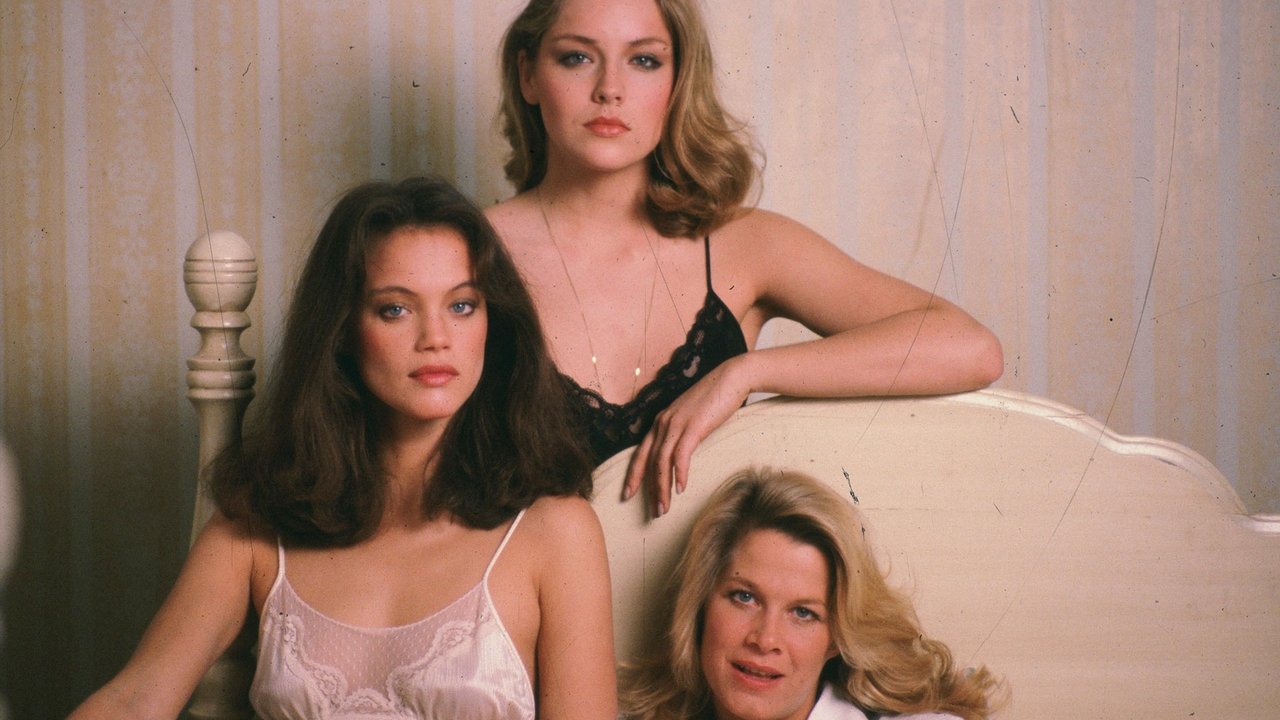
Other moments, like a terrifying encounter in the barn, leverage the shadowy setting and the fear of the unseen. The effects are products of their time, certainly, but there’s a grimy effectiveness to them. Craven wasn't afraid to get nasty, bridging the gap between the raw brutality of The Last House on the Left (1972) and the more supernatural leanings that would define A Nightmare on Elm Street (1984). Deadly Blessing feels like a crucible where those styles were beginning to meld.
Whispers of Studio Meddling
While the build-up is masterful, the film isn't without its quirks. The pacing can sometimes meander, and the central mystery occasionally feels secondary to the atmospheric dread. And then there’s the ending. Spoiler Alert! The final reveal, involving a demonic entity known as the Incubus, feels jarringly abrupt and tacked-on compared to the grounded, human-driven horror preceding it. Rumor has long persisted that this supernatural twist was a studio-mandated addition, forced upon Craven to deliver a more conventional horror climax. Watching it now, it feels undeniably clumsy, a sudden swerve into territory the rest of the film only hinted at vaguely. It doesn't entirely derail the experience, but it does leave a slightly unsatisfying aftertaste. It's a fascinating glimpse into the filmmaking tug-of-war that often happened behind the scenes. Despite a modest budget of around $2.5 million, the film turned a profit, pulling in over $8 million – suggesting audiences were hungry for this kind of atmospheric scare fare, even with its rough edges.
Maren Jensen, known primarily for Battlestar Galactica (1978-79), carries the film well as the increasingly terrified Martha, though she sadly retired from acting not long after this. Seeing Stone here is a treat, already displaying charisma and screen presence.
The Verdict on This Unearthed VHS Gem
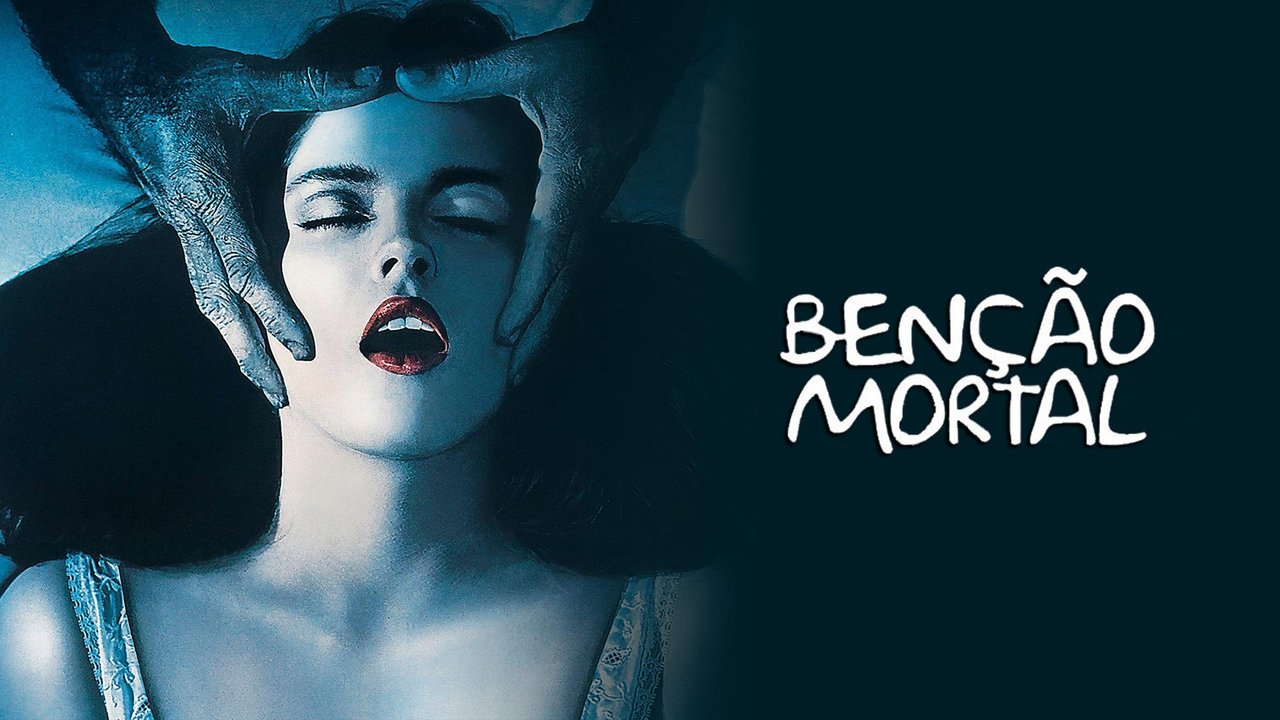
Deadly Blessing is a potent slice of early 80s rural horror, thick with atmosphere and anchored by Craven's knack for unsettling imagery and a truly imposing performance from Ernest Borgnine. It masterfully builds dread through isolation and religious fanaticism, delivering memorable scares (that spider!) along the way. While the pacing occasionally dips and the studio-mandated ending feels like a clumsy graft, the core experience remains chillingly effective. It’s a film that understood that sometimes the scariest things aren’t monsters, but the darkness within seemingly ordinary people and the silence of places left behind. I distinctly remember renting this one, drawn by the ominous cover art, and feeling that specific unease linger long after the tape rewound.
Rating: 7/10
It earns its score through sheer atmospheric power, Craven's burgeoning talent for dread, and standout moments of genuine terror. Points are deducted for the pacing lulls and the jarring final twist. Still, for fans of Wes Craven's earlier work or anyone seeking a dose of unsettling, slow-burn 80s horror that feels distinct from the slasher wave, Deadly Blessing remains a worthy, and genuinely creepy, discovery from the depths of the VHS archive. It’s a testament to the chilling power of isolation and judgment, a feeling that resonates long after the credits roll.