The porch light casts long shadows, the echo of gunshots still hanging in the autumn air. But the Boogeyman isn't gone. He’s merely… regrouping. Halloween II (1981) doesn't pause for breath, plunging us straight back into the blood-soaked aftermath of that fateful Haddonfield night, proving that true evil doesn't adhere to closing credits. The familiar, chilling piano notes return, now underscored by a heavier, more menacing synth pulse courtesy of John Carpenter and Alan Howarth, signaling a shift: the suspenseful dread of the original is about to curdle into something altogether more brutal.
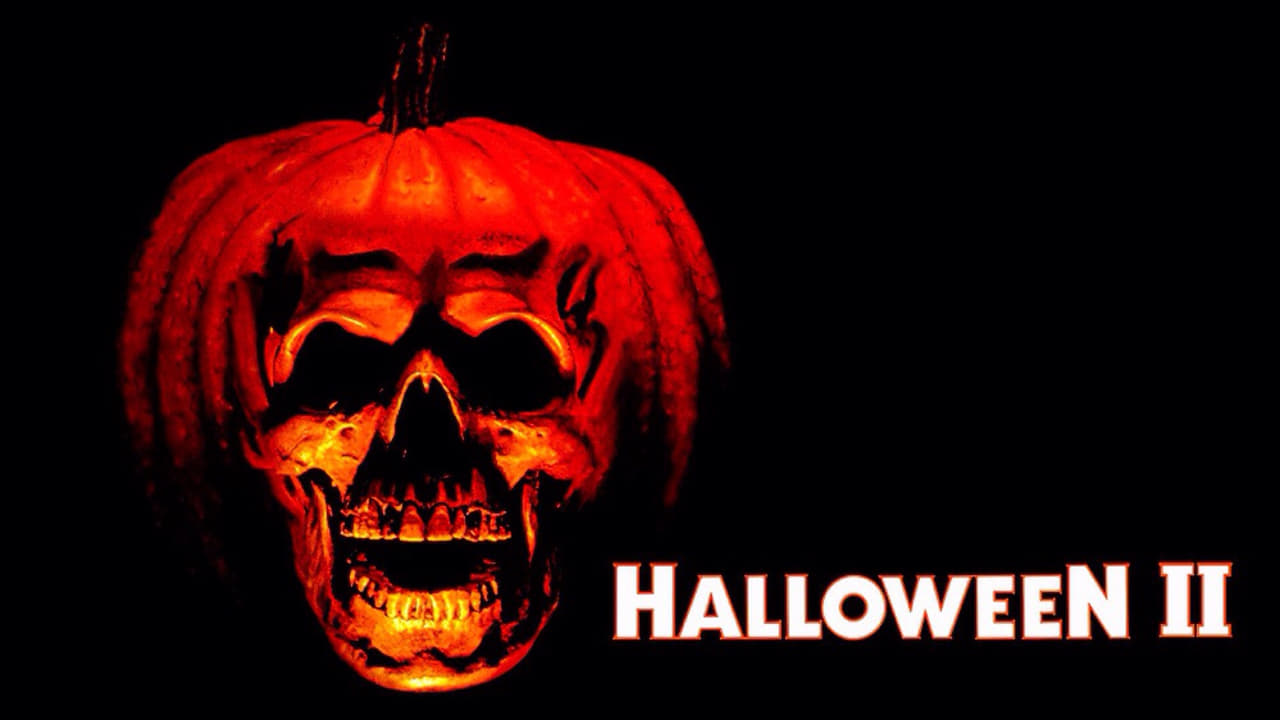
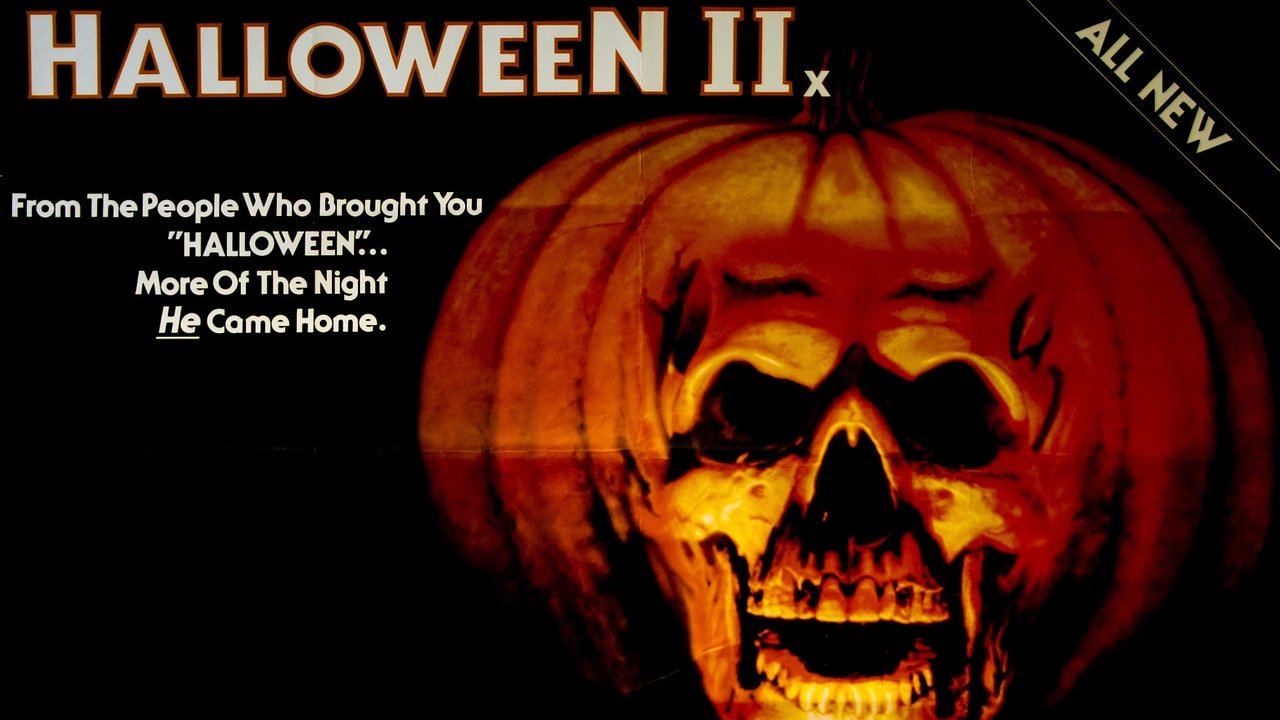
More of the Night HE Came Home
Picking up mere moments after Michael Myers vanished from the Doyle house lawn, the film follows a traumatized Laurie Strode (Jamie Lee Curtis) as she's rushed to the dimly lit, strangely deserted Haddonfield Memorial Hospital. Meanwhile, Dr. Sam Loomis (Donald Pleasence) frantically continues his hunt, his obsession bordering on mania, convinced Myers is an unstoppable force of nature. Director Rick Rosenthal, working from a script co-written by Carpenter and Debra Hill (reportedly penned over a weekend fueled by little sleep and plenty of beer), trades the suburban sprawl for the claustrophobic confines of the hospital. Those sterile corridors, bathed in flickering fluorescent lights and deep shadows, become a new hunting ground, amplifying Laurie's vulnerability and transforming everyday medical equipment into instruments of terror. Doesn’t that setting still feel uniquely unsettling – a place of healing twisted into a labyrinth of death?
A Different Kind of Fear
Where Carpenter's 1978 masterpiece thrived on suggestion and suspense, Halloween II leans into the burgeoning slasher trends of the early 80s. The body count climbs steeply, and the violence is far more explicit. This shift wasn't entirely Rosenthal's initial vision; concerned that the first cut lacked the visceral punch needed to compete with films like Friday the 13th (1980), John Carpenter himself stepped in to direct additional sequences, upping the gore quotient significantly. This creative friction resulted in moments that stick with you: the scalding hydrotherapy tub, the hypodermic needle to the temple, the chillingly methodical way Myers dispatches the hospital staff. It’s less elegant, perhaps, than the original’s Hitchcockian tension, but it delivers a raw, visceral punch that resonated with audiences hungry for horror thrills on VHS. The practical effects, though products of their time, possess a grim tangibility that CGI often lacks.
Beneath the Shatner Mask
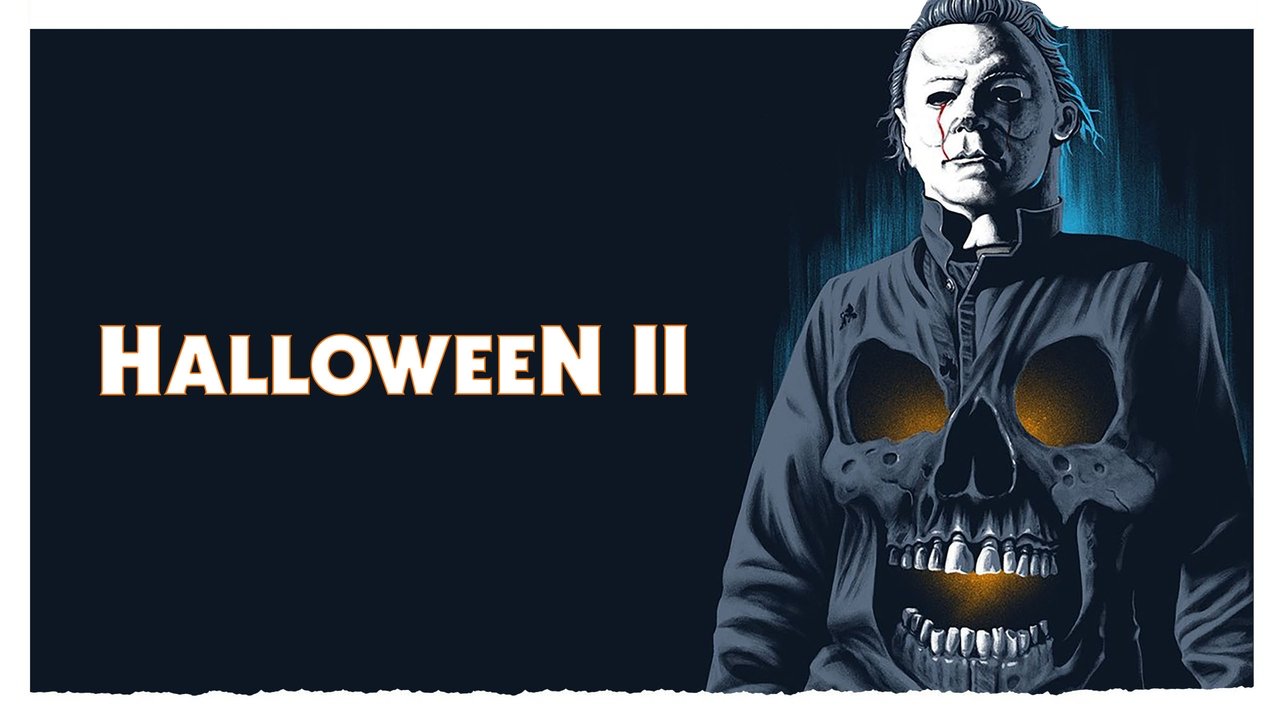
Playing Michael this time is stuntman Dick Warlock, who brings a different physicality than Nick Castle – slower, more deliberate, almost robotic, emphasizing the character's inhuman relentlessness. The iconic mask itself, the very same one used in the original (allegedly stored somewhat carelessly under Debra Hill's bed between productions, contributing to its stretched and grimy appearance), looks even more menacing here, aged by the night's events. It’s fascinating how a simple William Shatner mask, modified and weathered, became such an enduring symbol of faceless evil.
One of the film's most debated elements, of course, is the revelation that Laurie Strode is Michael Myers's younger sister. This twist, conceived by Carpenter and Hill primarily for Halloween II to provide Myers with a more concrete motivation beyond random slaughter, fundamentally altered the series' trajectory. While it offered an explanation, some fans felt it demystified the Boogeyman, reducing his pure, motiveless evil to a more conventional family vendetta. Did that twist genuinely shock you back in the day, or did it feel like a narrative necessity? It remains a point of contention among Halloween aficionados.
Enduring Performances in the Dark
Despite the increased focus on kills, the human element isn't entirely lost. Jamie Lee Curtis, despite spending much of the film bedridden and traumatized, effectively conveys Laurie's mounting terror and exhaustion. Her performance grounds the horror, reminding us of the human cost of Michael's rampage. And Donald Pleasence leans fully into Loomis's Ahab-like obsession, his increasingly frantic warnings and desperate pursuit providing a counterpoint to Myers's silent menace. His fiery confrontation with Michael in the operating theatre is a standout moment, fueled by years of dread and determination. Even familiar faces like Charles Cyphers returning briefly as Sheriff Brackett add to the continuity, though his character arc takes a tragic turn.
The Sequel's Shadow
Filmed largely at the now-closed Pasadena Community Hospital and working with a modest budget of around $2.5 million, Halloween II proved a significant financial success, grossing over $25 million worldwide. It solidified Michael Myers's status as a horror icon and demonstrated the viability of the slasher sequel, paving the way for countless follow-ups in the genre. While it may not possess the groundbreaking artistry of its predecessor, it functions effectively as a direct, brutal continuation of the story, delivering the requisite shocks and gore that defined early 80s horror. It bridges the gap between the suspense of the original and the more formulaic entries that would follow, making it a crucial, if sometimes divisive, chapter in the saga.
For many of us who wore out our VHS copies, Halloween II remains a potent dose of early 80s slasher atmosphere. It’s darker, meaner, and bloodier than the film that started it all, trading shadowy suspense for in-your-face brutality within the chillingly sterile walls of that hospital. It may lack the original’s profound sense of unease, but its relentless pace and gruesome set pieces delivered exactly what horror fans craved during the golden age of video nasties.
Rating: 7/10
Justification: While not reaching the heights of the original, Halloween II is a strong, atmospheric, and effectively brutal sequel. It successfully carries the story forward immediately, features compelling performances from Curtis and Pleasence, and boasts memorable kills within its claustrophobic hospital setting. The increased gore (a product of its time and studio/producer demands) and the controversial sibling twist prevent it from achieving classic status on its own, but it remains a crucial and highly watchable entry in the franchise and a staple of 80s slasher cinema.
Final Thought: It might live in the shadow of 1978, but Halloween II proved that the night HE came home was far from over, delivering a relentless, bloody second act that still haunts the halls of horror history.