The chill doesn't always come from the shadows. Sometimes, it radiates from the cold marble of a mausoleum corridor, punctuated by the unnerving hum of something alien and hostile. Sometimes, it’s the echo of a single, guttural word: "BOOOOYYYY!" Don Coscarelli’s Phantasm (1979) isn’t just a horror film; it’s a fever dream etched onto celluloid, a disorienting journey into grief, paranoia, and things far stranger than death itself. Watching it unfold, especially back in the flickering glow of a CRT, felt like stumbling into someone else’s nightmare – one you weren't entirely sure you could wake up from.
Whispers in the Mausoleum
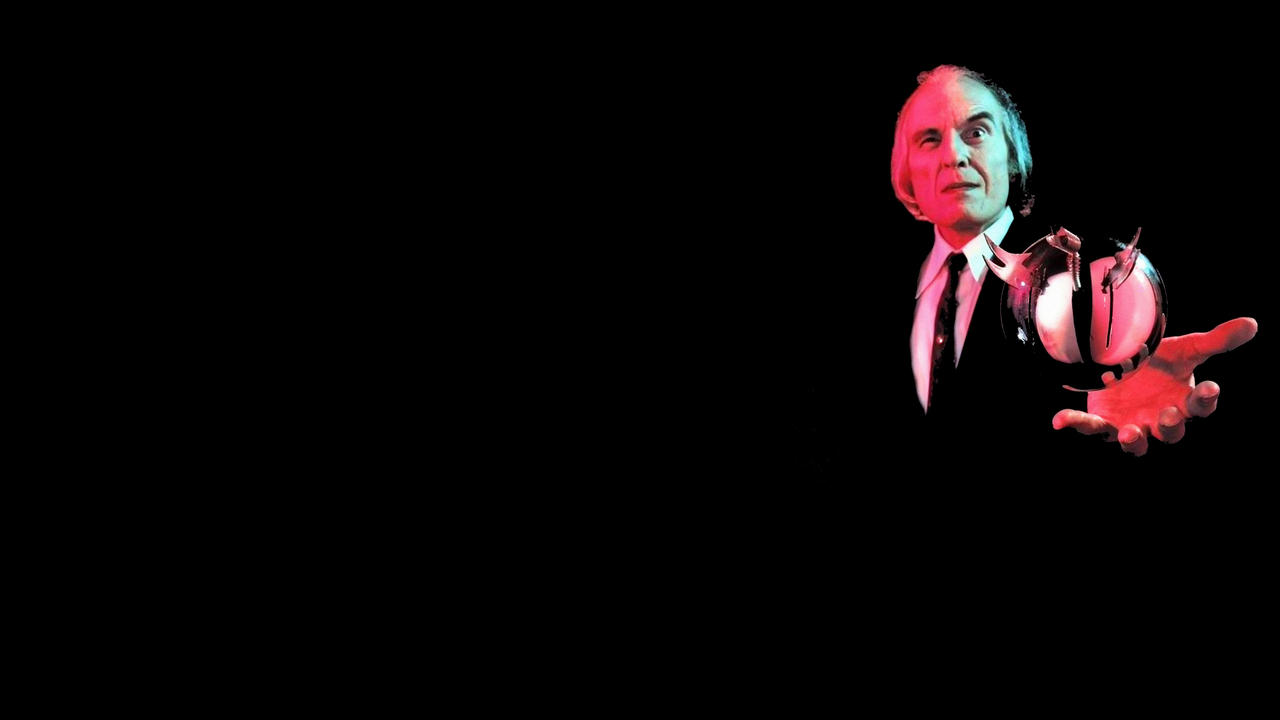
At its heart, Phantasm follows young Mike Pearson (A. Michael Baldwin) grappling with the recent loss of his parents. He spies on funerals, perhaps seeking answers or just connection, when he witnesses something impossible: the local mortician, the impossibly tall and imposing figure known only as The Tall Man (Angus Scrimm), effortlessly lifting a heavy casket single-handedly. This glimpse into the unnatural cracks open Mike's world, pulling his protective older brother Jody (Bill Thornbury) and their ice-cream man buddy Reggie (Reggie Bannister) into a bizarre conspiracy emanating from the gleaming white walls of the Morningside Mortuary. What unfolds isn't a standard slasher or ghost story; it's a descent into surreal landscapes where the dead are shrunk, reanimated as hooded slaves, and deadly flying spheres patrol the halls.
The Man in Black

You can’t talk Phantasm without venerating The Tall Man. Angus Scrimm, an actor with a background in classical theatre and journalism (he even won a Grammy for liner notes!), crafted one of horror's most unique and chilling antagonists. It wasn’t just his height, famously enhanced by lifts and clever tailoring; it was the unsettling calm, the piercing stare, the palpable sense of ancient, cosmic indifference. Scrimm's performance is a masterclass in minimalist menace. He rarely raises his voice, yet every gesture, every subtly arched eyebrow, speaks volumes of otherworldly power and malevolent intent. Legend has it that Scrimm remained intensely focused on set, embodying the character’s unsettling stillness even between takes, adding to the eerie atmosphere the young director Don Coscarelli was striving for.
A Symphony of the Strange
What truly sets Phantasm apart is its dreamlike logic and atmosphere. The plot unfolds with the jarring transitions and inexplicable events of a nightmare. Why the spheres? Where does that tuning fork portal lead? The film offers few concrete answers, leaving much to interpretation, which only enhances its unsettling power. This wasn't necessarily by grand design initially; Coscarelli, barely in his early twenties when production began, shot the film piecemeal over several years, often on weekends, with friends and family pitching in. The resulting fragmented narrative and sometimes abrupt editing, born partly from these constraints and a minuscule budget (reportedly around $300,000), paradoxically contribute to its unique, disorienting feel. It feels handmade, imbued with a raw, unpredictable energy that slicker productions often lack.


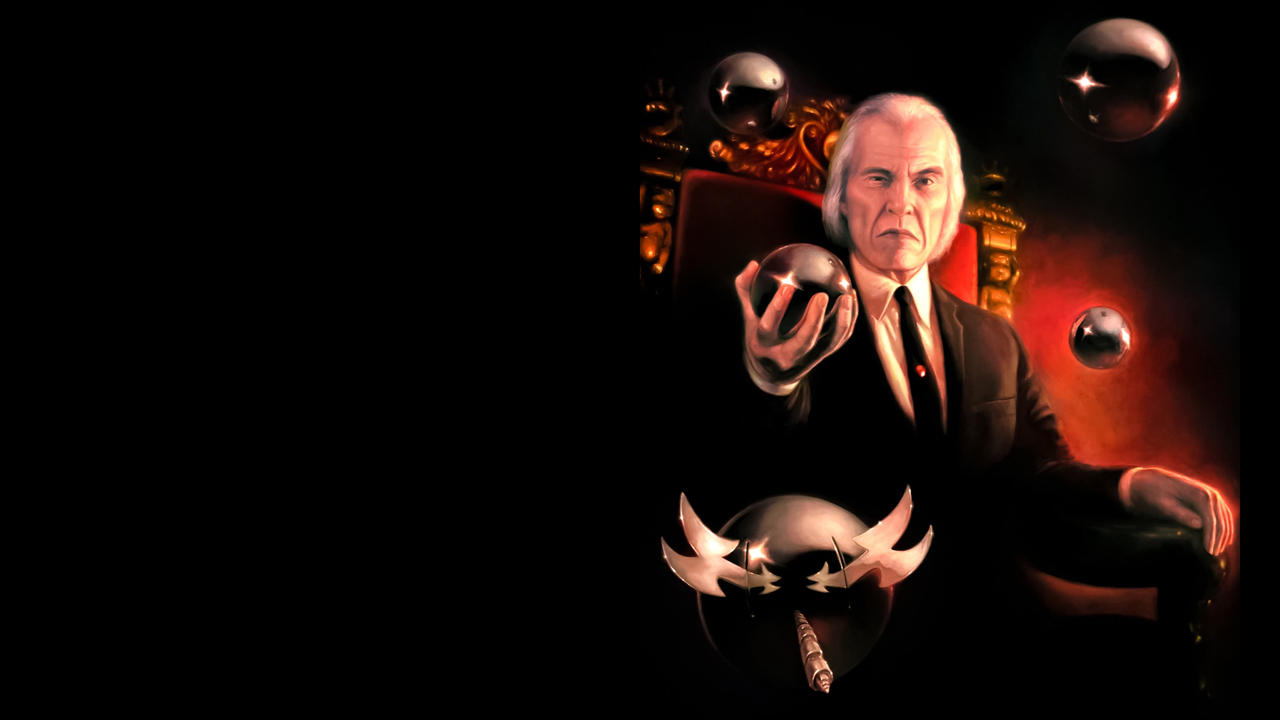
The score by Fred Myrow and Malcolm Seagrave is utterly iconic, instantly recognizable with its haunting, synth-driven main theme that perfectly captures the film's blend of melancholy, dread, and sci-fi wonder. It’s as much a character as The Tall Man himself. And those spheres! The Sentinel spheres, drilling and draining their victims, are pure nightmare fuel realised through clever, low-budget practical effects. Achieving their menacing flight and deadly precision on screen was apparently a significant challenge, involving fishing lines, compressed air, and plenty of trial and error – a testament to the inventive spirit driving the production. Does anyone else distinctly remember rewinding the VHS tape just to try and figure out how they pulled that off?
Retro Fun Facts: Forging a Nightmare
- The iconic silver sphere prop was notoriously difficult to control during filming. One early attempt involved launching it via slingshot, which proved... unpredictable.
- Reggie Bannister wasn't just an actor; he was a musician who contributed to the film's soundscape and often helped out behind the camera. His character evolved significantly throughout the Phantasm series, becoming the unlikely action hero.
- The distinctive yellow 1971 Plymouth Barracuda driven by Jody wasn't just a cool car; it was Don Coscarelli's actual car at the time. Talk about resourceful filmmaking!
- The initial critical reception was mixed, with some baffled by its surrealism, but it quickly found its audience on the midnight movie circuit and became a massive hit on home video, cementing its cult status.
Enduring Echoes
Phantasm might look dated in places – the pacing can meander, some effects show their seams – but its power to unnerve remains remarkably potent. It taps into primal fears: loss of loved ones, violation of the body, the unknown lurking behind the veil of reality. Its refusal to explain everything, its commitment to its own bizarre logic, makes it linger in the mind long after the credits roll (and that infamous final jump scare!). It wasn't just a movie; it felt like a whispered secret passed around on worn-out VHS tapes, a truly unique artifact of independent horror filmmaking that spawned a whole franchise (Phantasm II, Phantasm III: Lord of the Dead, Phantasm IV: Oblivion, and Phantasm: Ravager), each entry adding layers to its strange mythology.
---
VHS Heaven Rating: 8/10
Phantasm earns its high score for its sheer, unadulterated originality and enduring atmospheric dread. While the low budget shows, Coscarelli's visionary direction, Angus Scrimm's iconic performance, the unforgettable score, and those terrifying spheres create a uniquely unsettling experience. It overcomes its narrative quirks and technical limitations through sheer invention and a palpable sense of nightmare logic, making it a cornerstone of cult horror cinema.
Final Thought: Decades later, the hum of the sphere and the shadow of The Tall Man still manage to send a shiver down the spine – a testament to a film that dared to be truly, wonderfully weird.