There's a certain kind of dread that clings to the edges of suburbia, a festering unease behind drawn curtains and manicured lawns. Butcher, Baker, Nightmare Maker (also known, perhaps more aptly, as Night Warning) taps directly into that vein, presenting a domestic nightmare that spirals into something far more violent and disturbing. Forget ghosts or goblins; the monster here wears a familiar face, one twisted by obsession and a love curdled into something truly terrifying. Watching this one late at night, with the VCR humming and the shadows deepening in the corners of the room, felt like stumbling onto a forbidden frequency, broadcasting pure, unfiltered psychological rot.
An Aunt Like No Other
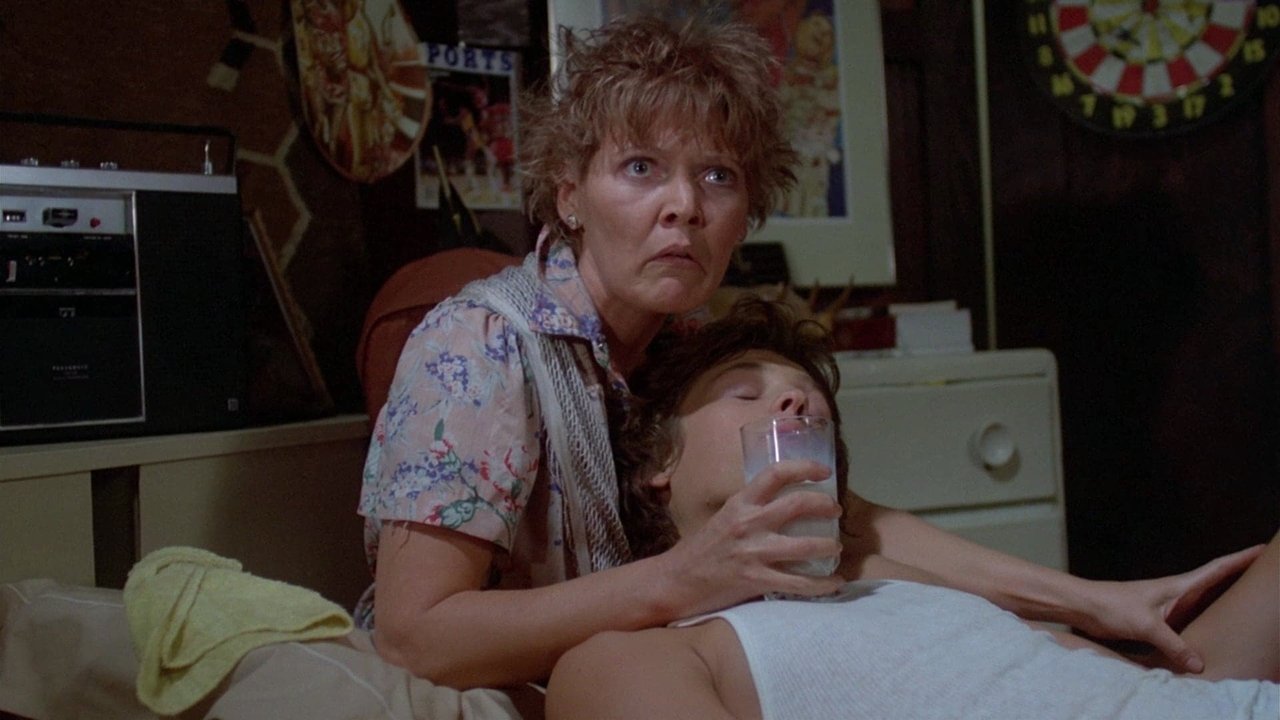
At the heart of this chilling 1981 film is Susan Tyrrell's unforgettable performance as Aunt Cheryl. Recently orphaned teenager Billy Lynch (Jimmy McNichol, a familiar teen idol face back then) lives under her care, seemingly content. But Cheryl's affection isn't nurturing; it's suffocating, possessive, and dangerously incestuous in its undertones. Tyrrell, who earned an Oscar nomination for her role in John Huston's Fat City (1972), throws herself into the role with a feral intensity that's genuinely unnerving. Her eyes dart with paranoia, her voice shifts from cloying sweetness to guttural rage in a heartbeat. It's a performance that borders on camp yet never quite tips over, held taut by a raw, disturbing energy. You believe completely in her madness, and that makes the unfolding horror all the more potent. It's said that Tyrrell fully immersed herself, understanding Cheryl's fractured psyche not just as a monster, but as a deeply damaged individual pushed beyond the brink.
Small Town Secrets and Big City Prejudice
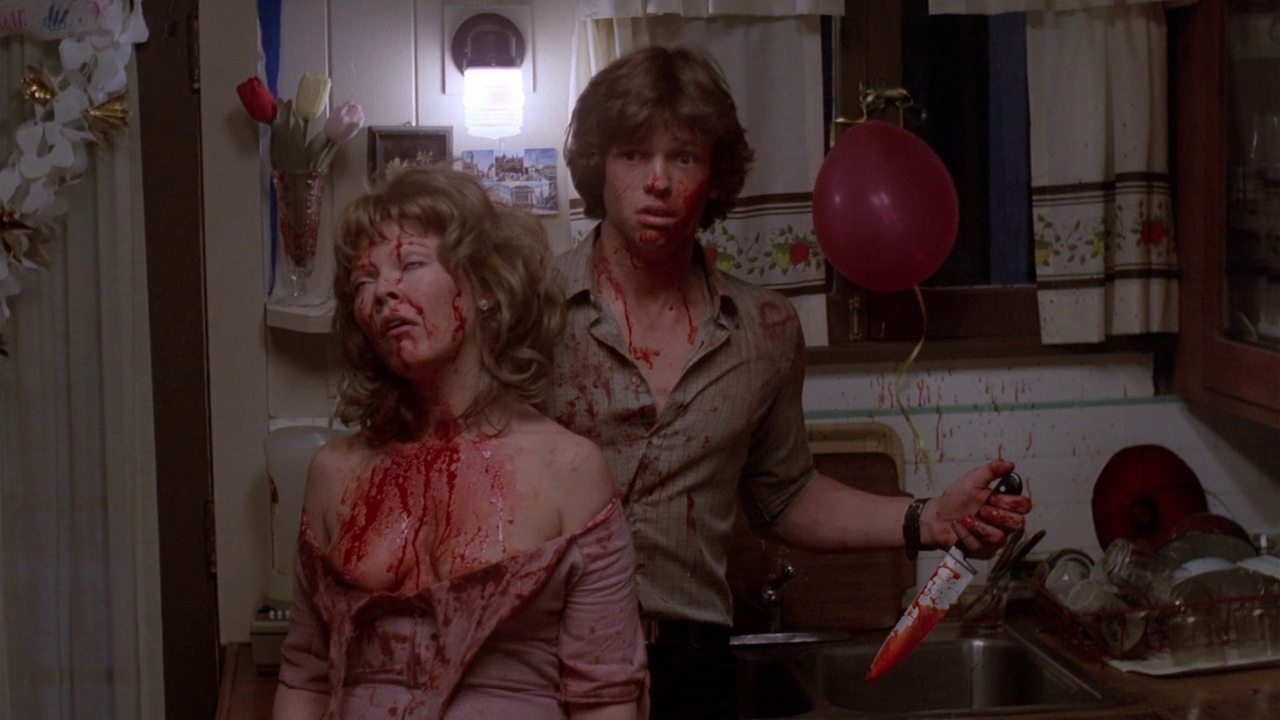
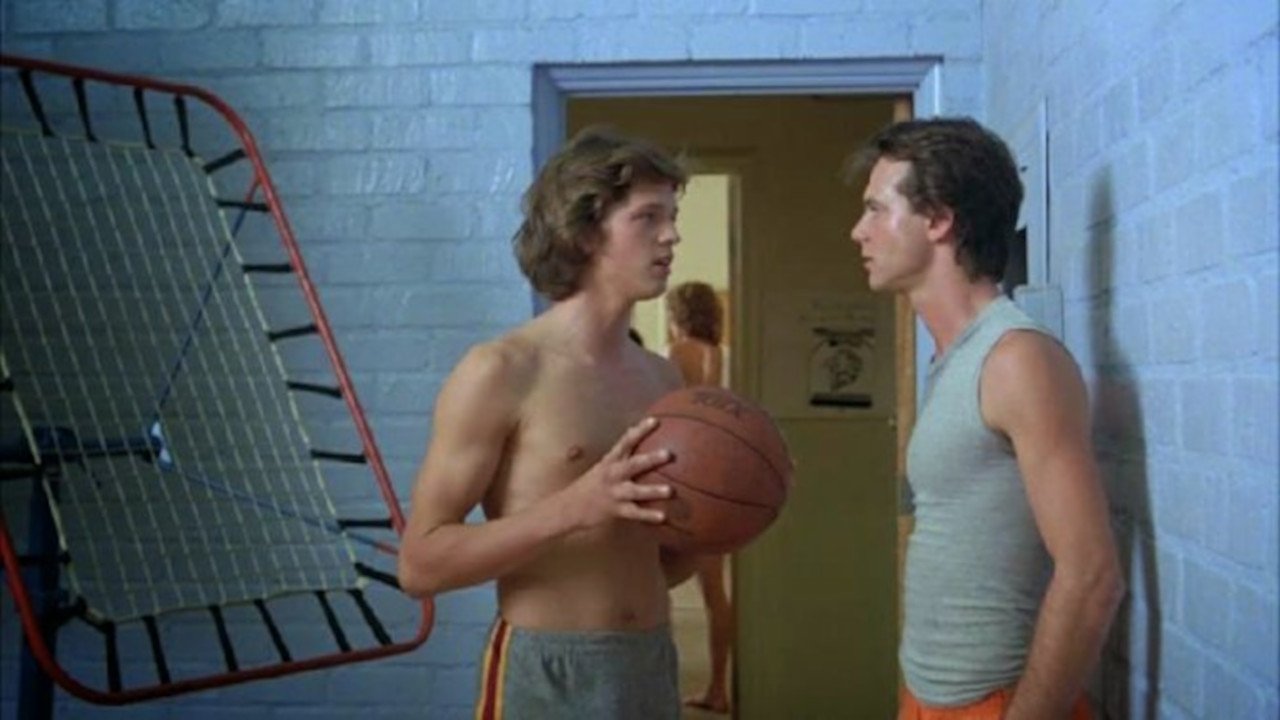
The plot kicks into gear after a shocking act of violence within the Lynch home. Enter Detective Joe Carlson, played with sneering menace by Bo Svenson (Walking Tall Part II). Carlson isn't just investigating a murder; he’s carrying a thick slab of homophobic bigotry, immediately targeting Billy and his basketball coach (Steve Eastin) based on his own warped assumptions. This subplot, surprisingly frank for its time, adds another layer of tension and discomfort. While some might find Carlson’s characterization heavy-handed today, his relentless, prejudiced pursuit undeniably ramps up the pressure on Billy, trapping him between a monstrous aunt and a hateful authority figure. It’s a fascinating, if sometimes uncomfortable, look at societal fears intersecting with personal horror, a thread rarely pulled so explicitly in early 80s slashers. The script, credited to three writers (Stephen Breimer, Alan Jay Glueckman, Boone Collins), manages to juggle these different threads – psychological horror, slasher elements, social commentary – with surprising dexterity, even if the seams occasionally show.
Crafting the Nightmare
Directed by William Asher, a name primarily associated with lighter fare like the iconic TV series Bewitched, Butcher, Baker, Nightmare Maker feels like a sharp departure. Asher proves remarkably adept at building suspense within the confines of the Lynch house, turning everyday spaces into claustrophobic traps. The use of shadows, tight framing, and a score that oscillates between eerie synths and jarring stingers effectively dials up the anxiety. The practical effects, particularly in the more visceral moments of violence, have that wonderfully tactile quality common to the era – messy, disturbing, and feeling disturbingly real on that grainy VHS playback. There's a grittiness here that feels earned, a commitment to the darker aspects of the story that elevates it beyond mere exploitation. This wasn't a studio picture; it was an independent production shot for around $1.2 million, and that lean-and-mean approach arguably contributes to its raw, unfiltered feel. It even managed to snag the Grand Prize at the Avoriaz Fantastic Film Festival in 1982, proving its unsettling power resonated beyond just the grindhouse circuit.
A Cult Classic Forged in Turmoil
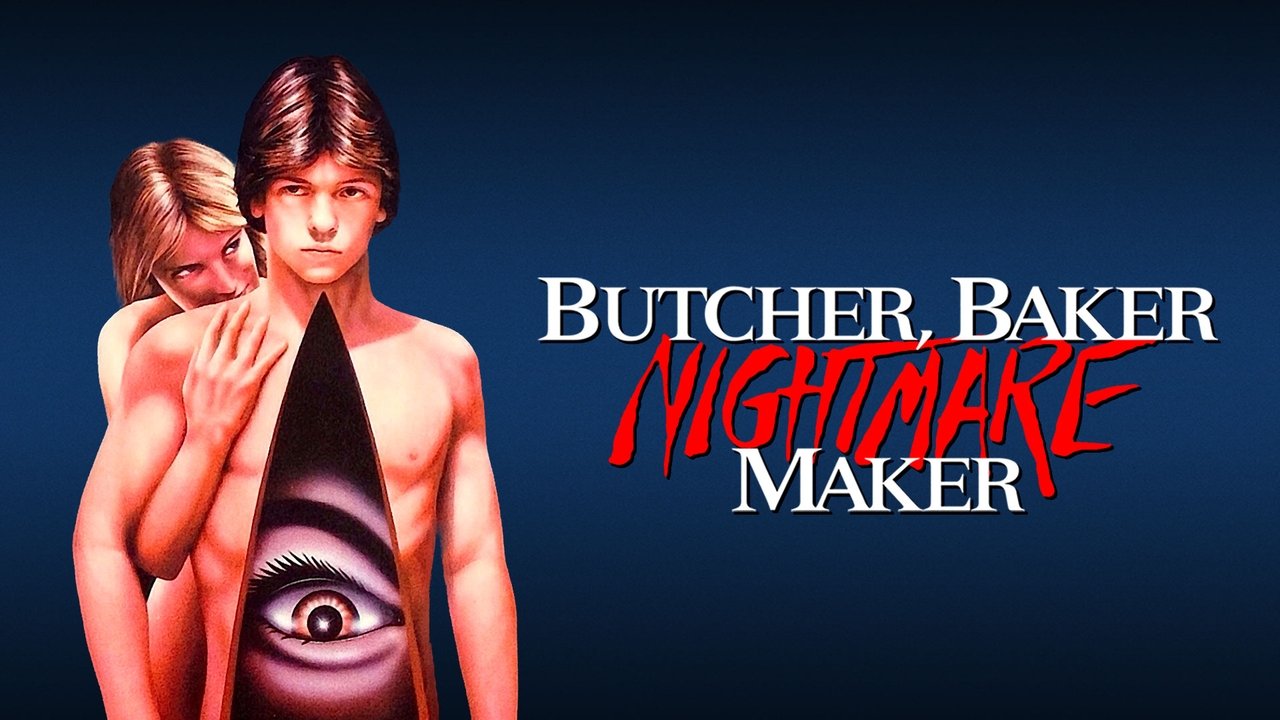
The film’s journey to the screen, and eventually to our beloved video store shelves, wasn't smooth. Originally titled Butcher, Baker, it faced distribution issues and title changes, eventually landing as Night Warning for its wider release and television airings, though many of us first encountered it under its more provocative original title on VHS. Does anyone else remember seeing that lurid cover art and just knowing you had to rent it? It felt dangerous, taboo, exactly the kind of film you’d watch with the volume low after your parents went to bed. Despite Tyrrell's powerhouse performance and its surprising thematic depth, it often gets lumped in with lesser slashers of the period. Yet, it stands apart due to its psychological focus and that central, terrifying relationship.
Final Verdict
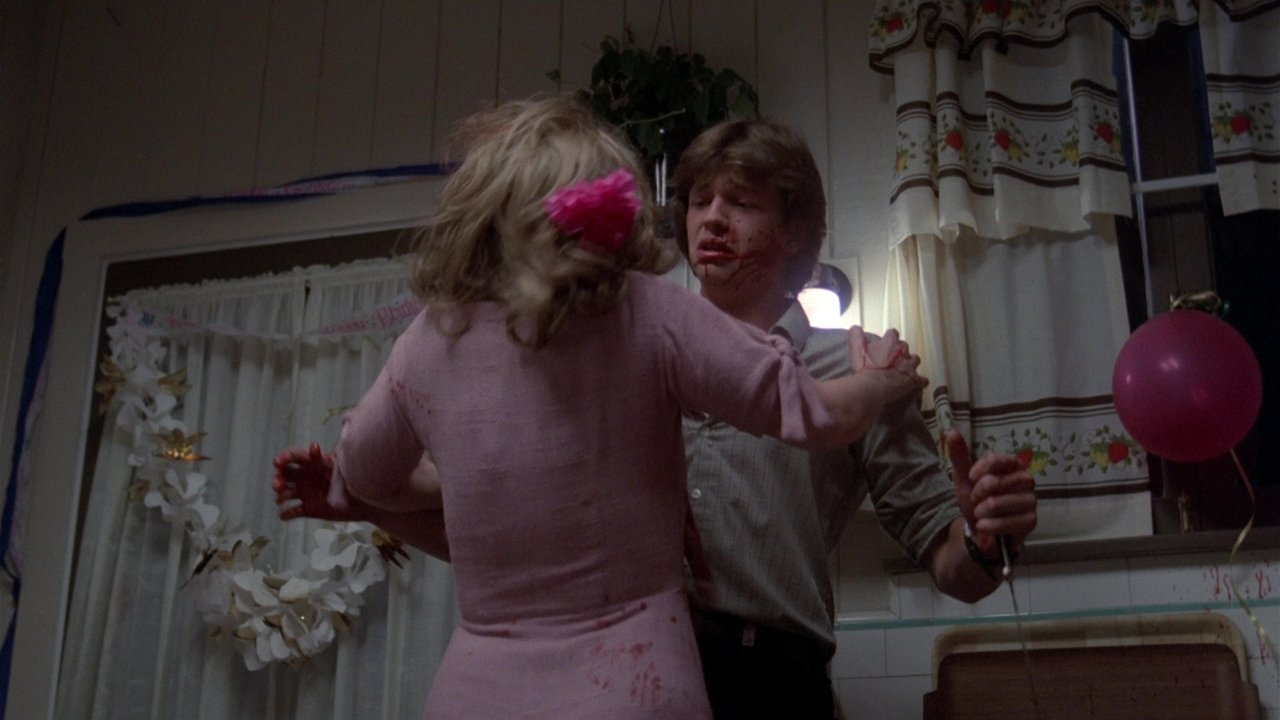
Butcher, Baker, Nightmare Maker isn't just another early 80s body count flick. It's a deeply unsettling psychological horror film anchored by one of the most memorable and unhinged performances of the era from Susan Tyrrell. It explores dark themes with a surprising frankness, wrapping them in effective suspense and occasional bursts of brutal violence. While Bo Svenson's homophobic detective character can feel like a caricature, it adds a unique, if uncomfortable, layer to the persecution Billy faces. The film masterfully uses its limited setting to create a sense of inescapable dread.
Rating: 8/10
This score reflects the film's strengths: Tyrrell's phenomenal performance, the palpable atmosphere of dread, its ahead-of-its-time thematic elements, and its status as a truly memorable cult oddity. It loses a couple of points for some uneven pacing and the occasionally heavy-handed nature of the prejudice subplot, but its power to disturb remains remarkably intact. It’s a potent reminder that sometimes the most terrifying monsters are the ones living right under the same roof, a chilling thought that lingered long after the tape ejected and the static filled the screen.