Okay, settle in. Pour yourself something perhaps, because tonight we're pulling a tape off the shelf that demands a certain quiet consideration, a film that stirred waters back in its day and frankly, still feels unsettling decades later. I'm talking about Louis Malle's Pretty Baby from 1978. While technically a late 70s film, its shadow and controversial ripples certainly extended into the VHS boom of the 80s, making it a frequent, if often whispered-about, rental. My own well-worn copy certainly saw its share of plays, each viewing prompting a different, complex reaction.
### The Gilded Cage of Storyville
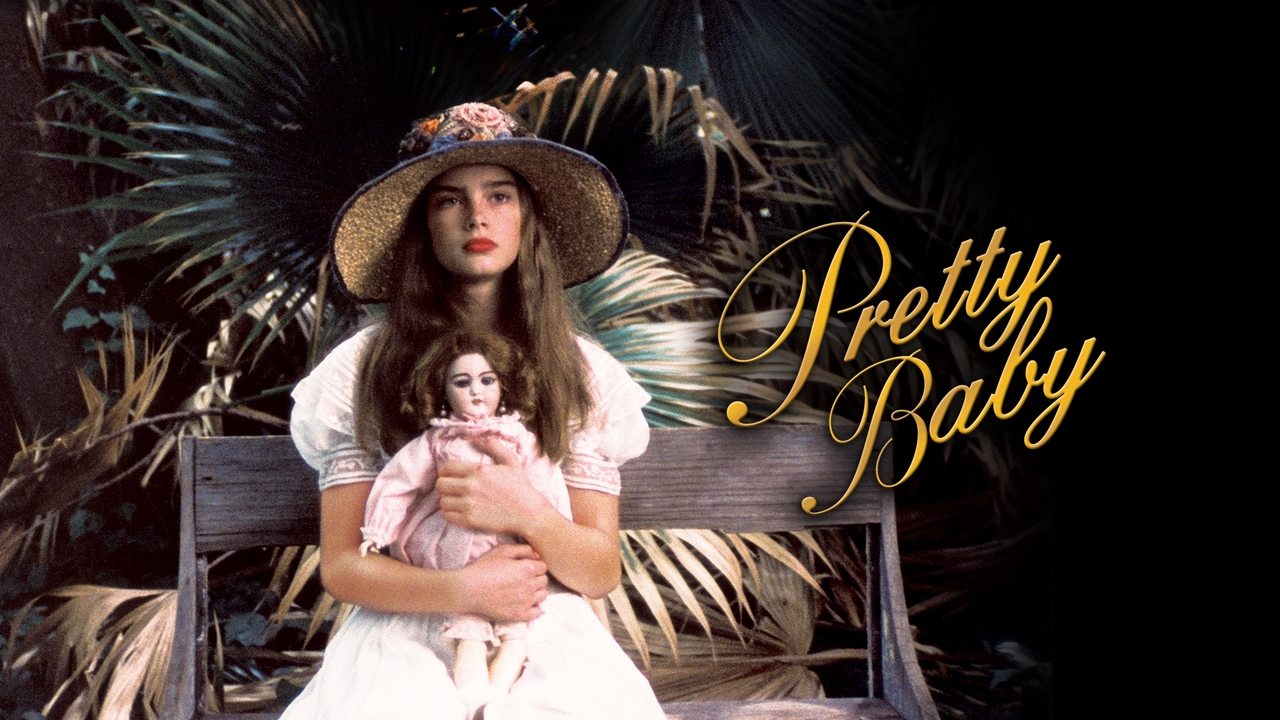
What strikes you first, and lingers long after, is the film's specific, almost dreamlike atmosphere. We're transported to the Storyville district of New Orleans in 1917, specifically into the opulent confines of a high-class brothel run by Madame Nell (Frances Faye). Through the lens of photographer E.J. Bellocq (Keith Carradine), a quiet, almost spectral observer, we witness the lives within. Louis Malle, known for navigating complex human terrain in films like Au Revoir les Enfants, doesn't offer easy judgments here. Instead, he adopts a fly-on-the-wall approach, steeped in the stunning, naturalistic cinematography of the legendary Sven Nykvist (Ingmar Bergman's frequent collaborator). The light filters through lace curtains, catches the smoke in the air, illuminates the painted faces – it’s beautiful, yet carries an undeniable undercurrent of melancholy and decay. This visual richness was reportedly a major focus, drawing heavily on the period detail meticulously researched by writer Polly Platt, who brought her renowned production design sensibilities (honed on films like The Last Picture Show) to the script itself.
### A Portrait of Innocence and Experience
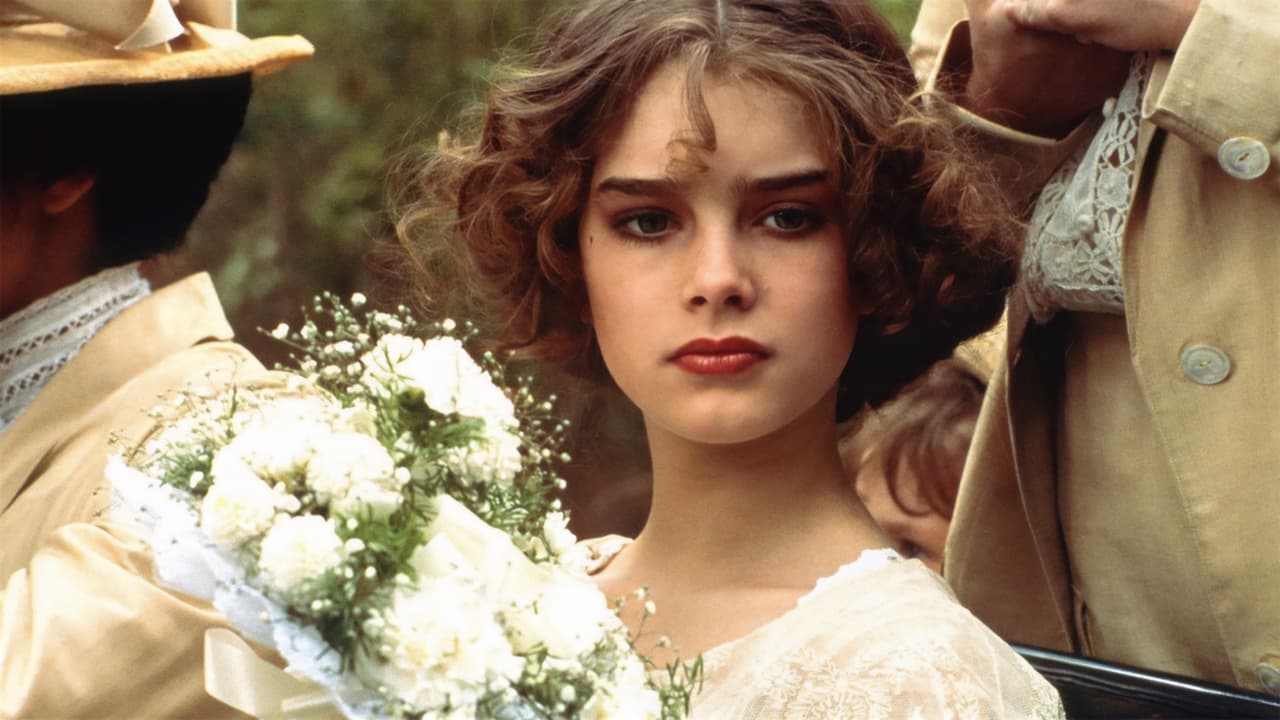
At the heart of the narrative are Hattie (Susan Sarandon), one of the brothel's working women, and her 12-year-old daughter, Violet. And here lies the film's enduring controversy: Violet is played by a startlingly young Brooke Shields in her debut screen role. Violet was born in the brothel, knows no other life, and is on the cusp of following in her mother's footsteps, an event treated with unnerving normalcy by the inhabitants. The film is inspired, in part, by the real historical accounts of Storyville and the haunting photographs taken by the actual E.J. Bellocq, whose images captured the faces of these women with a stark, unvarnished dignity. Keith Carradine, fresh off his Oscar win for Best Original Song for Nashville, embodies Bellocq with a fascinating reserve. Is he merely documenting, or is he complicit? His relationship with Violet, culminating in a brief, bizarre marriage after Hattie leaves, forces uncomfortable questions about observation, exploitation, and the very nature of art. Doesn't the act of watching, of capturing an image, inherently change the dynamic?
### Navigating Uncomfortable Truths
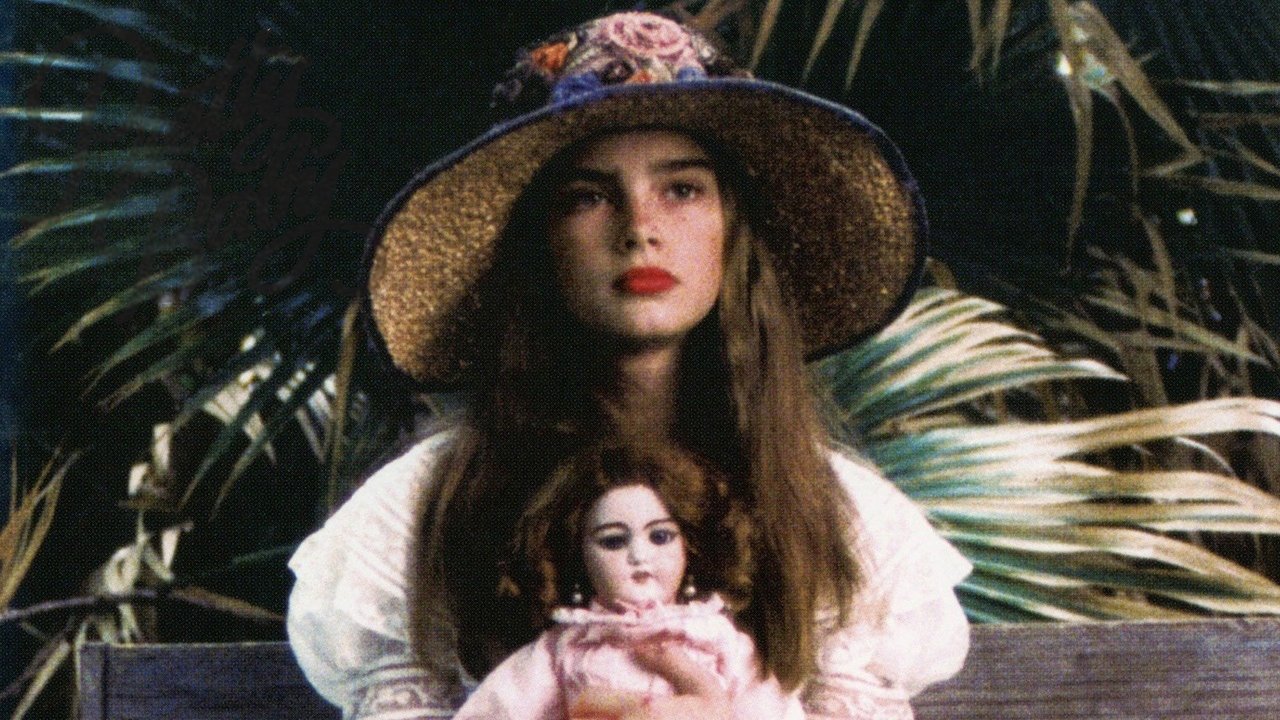
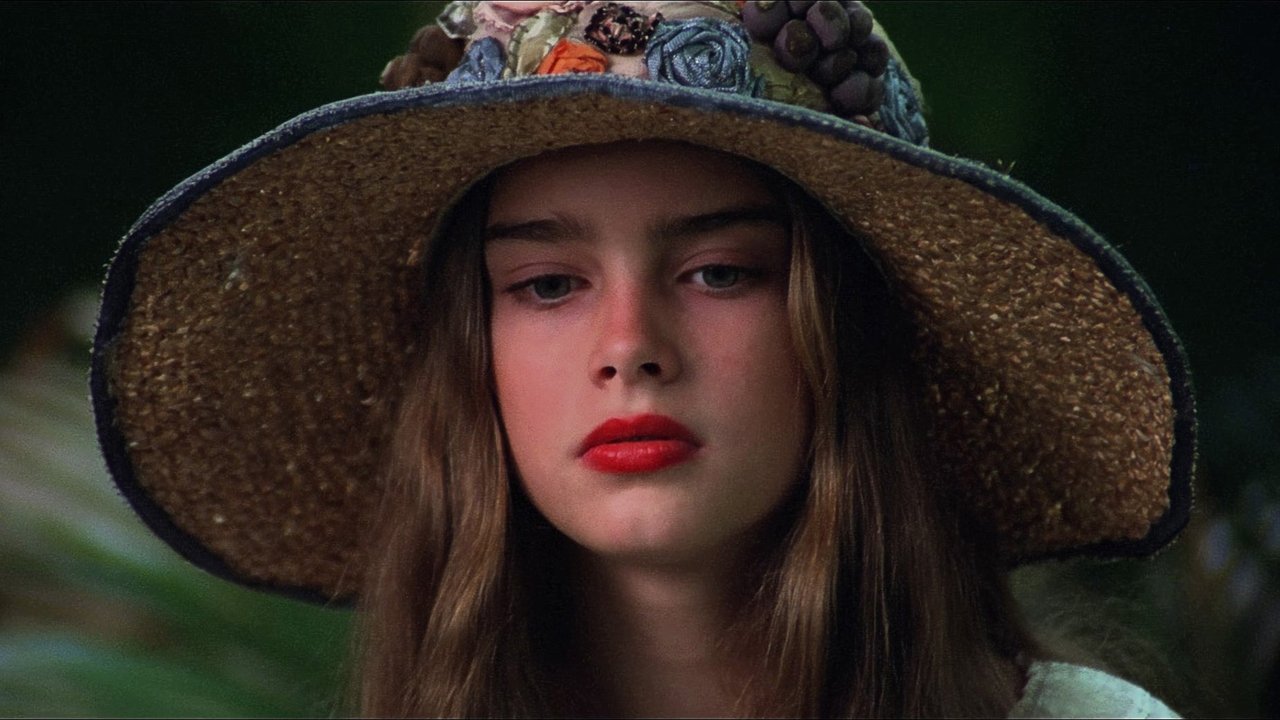
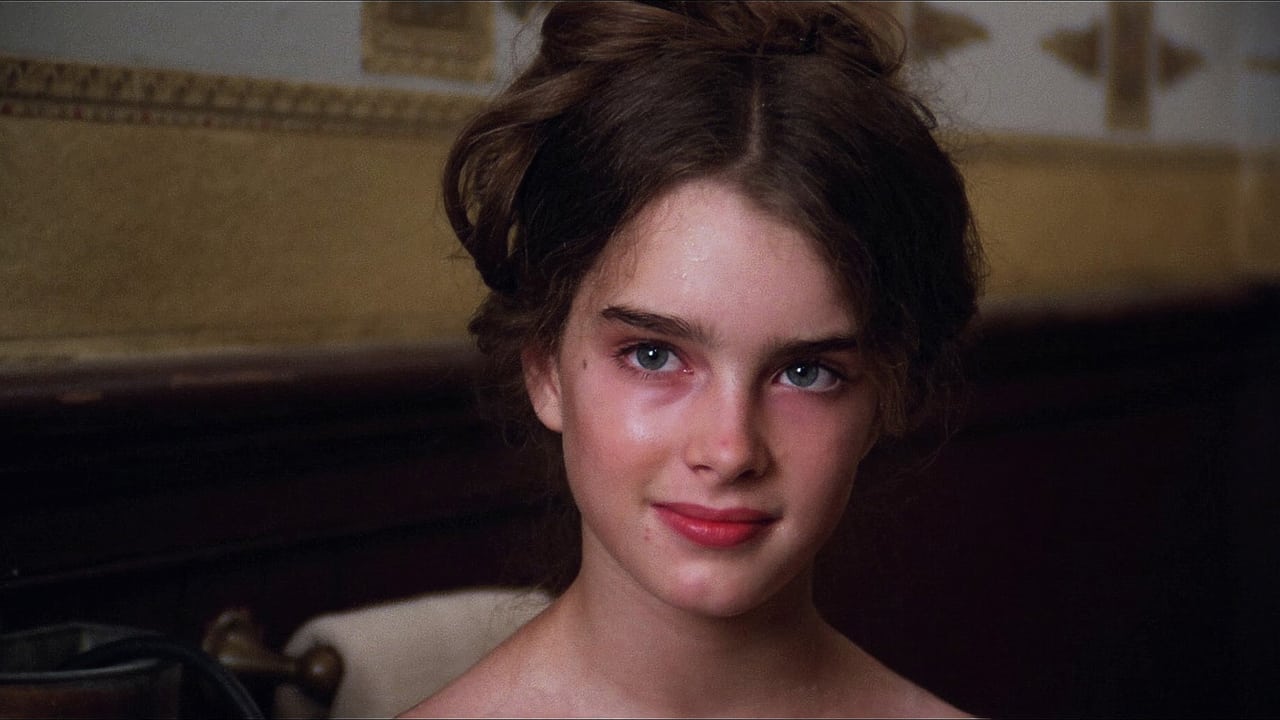
The performances are key to the film's uneasy power. Susan Sarandon, radiating a weary beauty, perfectly captures Hattie's blend of maternal affection and resignation to her circumstances. She wants a better life, but seems trapped by the only world she knows. And then there's Brooke Shields. It’s a performance that’s impossible to separate from the context of her age and the subject matter. Malle focuses on her face, her reactions – a child navigating an adult world with a disturbing lack of innocence, because innocence was never truly hers to possess. The production was, understandably, fraught with complexities surrounding Shields' portrayal. Her mother, Teri Shields, was heavily involved on set, and body doubles were used for certain scenes. Malle himself insisted the filming conditions were carefully controlled, aiming for observation rather than exploitation, but the ethical tightrope is undeniable. It’s a testament to Malle's direction and Shields' natural presence that Violet emerges not as a mere victim, but as a complex, watchful individual shaped entirely by her extraordinary environment.
### Production Echoes and Ripples
Pretty Baby premiered at the Cannes Film Festival in 1978, generating immediate controversy but also winning the Technical Grand Prize, acknowledging its visual artistry. Its $2.7 million budget yielded a modest $5.8 million at the US box office – respectable, but perhaps hampered by the difficult subject matter and inevitable ratings board battles (it received an R rating in the US, but faced bans or cuts elsewhere). Trivia buffs might note that the haunting piano score features Jelly Roll Morton tunes, adding authentic period flavour. The film's deliberate pacing and observational style felt quite European, a hallmark of Louis Malle's work, standing in contrast to more plot-driven American fare of the era. Seeing it again now, perhaps after first encountering it on a grainy VHS tape rented from a store shelf brimming with more escapist fare, its power to provoke thought remains undimmed. It doesn't offer easy answers about the lives it depicts, nor should it.
***
Rating: 8/10
Pretty Baby is undeniably challenging and will make many viewers uncomfortable, as it should. However, judging it purely on its artistic merits – the direction, the masterful cinematography, the brave performances (Carradine's quiet intensity, Sarandon's world-weariness, and Shields' unforgettable debut), and its unflinching gaze into a specific, troubling corner of history – it’s a significant, beautifully crafted, and deeply thought-provoking film. The rating reflects its quality as cinema, acknowledging the inseparable controversy but recognizing Malle's serious artistic intent and execution. It’s a film that doesn't just show; it forces you to consider the act of looking.
Final Thought: What lingers most is the ambiguity – the unsettling beauty mixed with profound sadness, leaving you questioning the lines between observation, participation, and exploitation, both within the story and perhaps, in ourselves as viewers.