There's a certain ache that settles in when revisiting Pretty in Pink, isn't there? More than just the pang of nostalgia for oversized blazers and killer New Wave tracks playing on a staticky car radio, it’s the enduring resonance of feeling like an outsider, of crafting your identity stitch by meticulous stitch in a world seemingly determined to sort you into a pre-labeled box. Watching Andie Walsh navigate the treacherous social strata of her suburban Chicago high school still strikes a chord, tapping into that universal teenage yearning for acceptance, love, and simply finding your place.
### On the Wrong Side of the Tracks
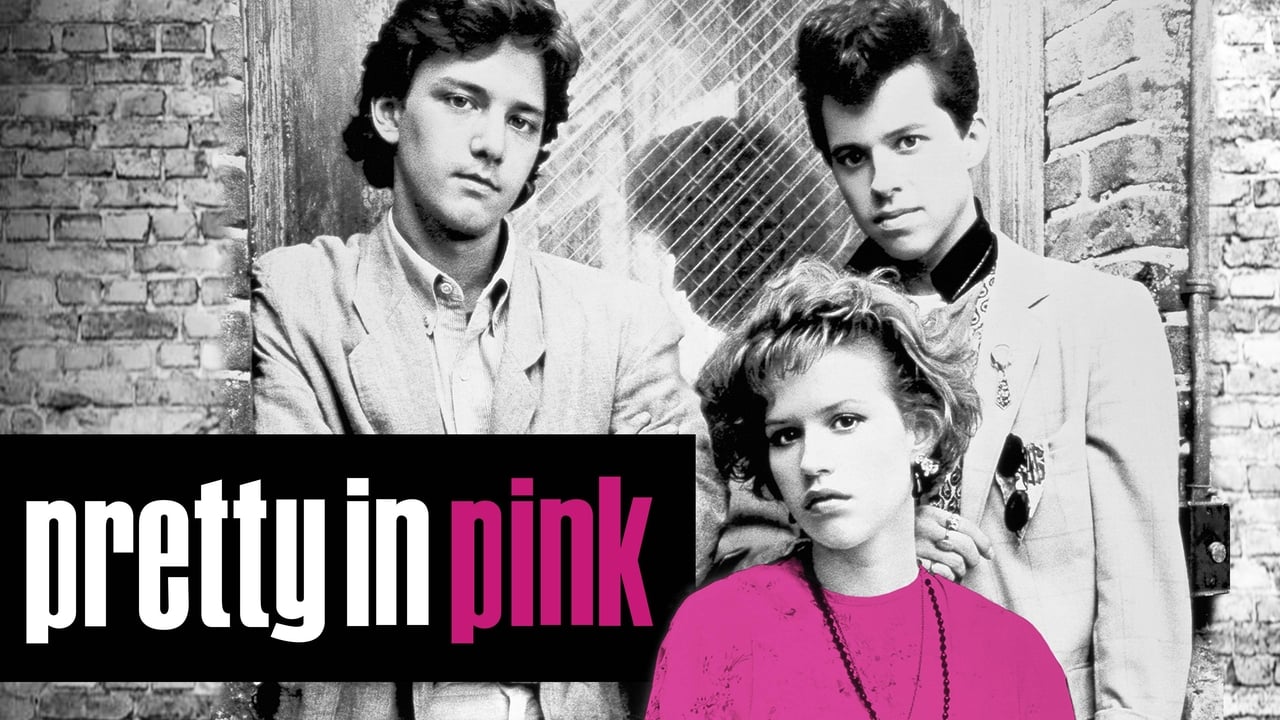
Penned by the undisputed king of 80s teen angst, John Hughes (who gifted us The Breakfast Club and Ferris Bueller's Day Off), and directed by Howard Deutch in his feature debut, Pretty in Pink (1986) plunges us directly into Andie's world. It’s a world painted in shades of economic disparity – the vibrant, creative chaos of her home life with her perpetually underemployed, loving father (Harry Dean Stanton, bringing quiet heartache to the role) starkly contrasted with the privileged, often callous, environments of her affluent classmates. Andie (Molly Ringwald, Hughes’ quintessential muse) isn't just poor; she's resourceful, artistic, and fiercely independent, expressing herself through the unique clothes she designs and constructs. This tangible act of creation becomes her armor and her flag in the face of sneering conformity. Hughes had actually written the role specifically for Ringwald after their collaboration on Sixteen Candles, cementing her status as the decade's relatable teen icon.
### A Triangle of Teenage Hearts
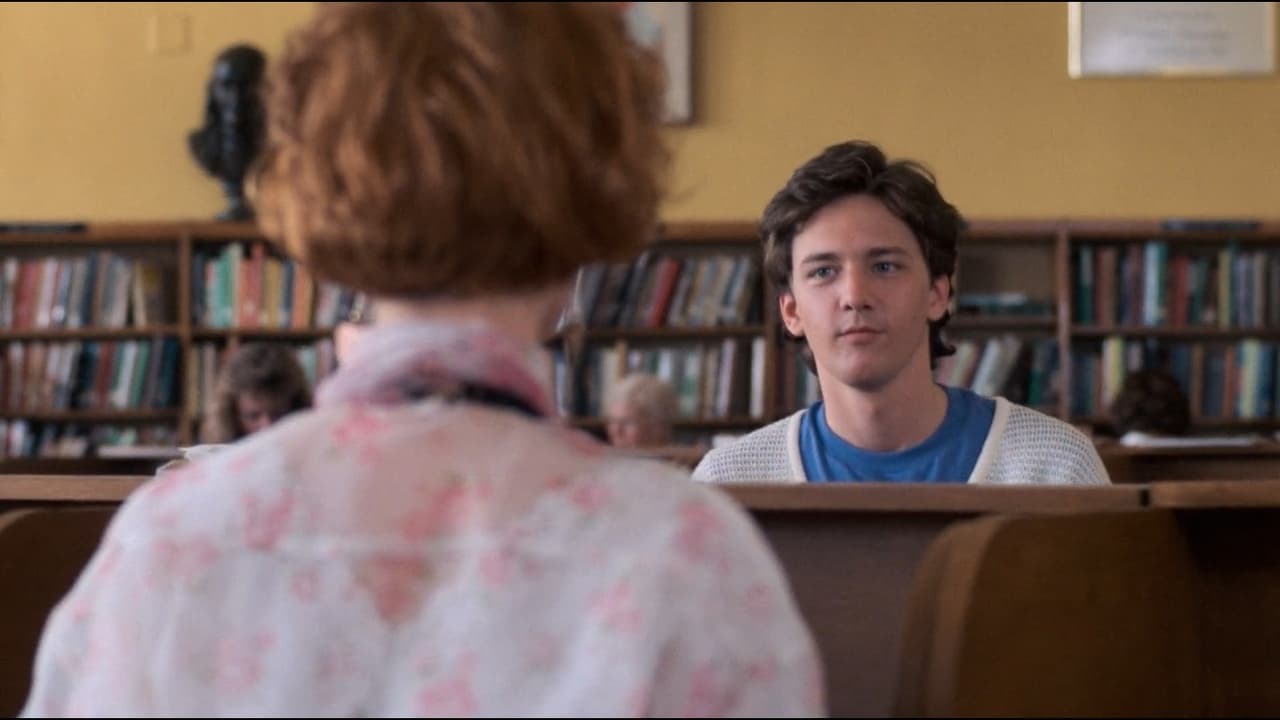
At the heart of the film lies the classic romantic triangle, albeit one that still sparks debate decades later. We have Andie, navigating her burgeoning feelings for Blane (Andrew McCarthy), the sensitive, seemingly different rich kid who dares to cross the social divide. McCarthy plays Blane with a kind of hesitant charm, though some find his portrayal a touch passive compared to the film's more colourful characters. Does his quiet demeanor mask genuine depth or a certain lack of conviction? It’s a question the film leaves tantalizingly open.
Then there's Duckie. Oh, Duckie. Jon Cryer delivers a performance for the ages – a whirlwind of flamboyant energy, unwavering devotion, and ultimately, poignant heartbreak. Duckie is Andie's best friend, confidante, and unrequited admirer, a walking encyclopedia of retro cool and raw emotion. His lip-sync to Otis Redding's "Try a Little Tenderness" in the TRAX record store (a real location, by the way – Rhino Records in Westwood, CA) remains an iconic, unforgettable moment of pure cinematic joy tinged with desperation. It’s fascinating trivia that both Robert Downey Jr. and Anthony Michael Hall (who reportedly turned down both Duckie and Blane) were considered for the role, but it's impossible now to imagine anyone but Cryer embodying Duckie's specific brand of vulnerable swagger. And let's not forget James Spader as the deliciously smarmy antagonist Steff, oozing privileged disdain with every calculated drawl. He perfectly encapsulates the entitled arrogance Andie rails against. Adding warmth and quirky wisdom is Annie Potts as Iona, Andie's older, punk-influenced friend and record store boss, a vital mentor figure with fantastic eclectic style.
### Sounds and Style of an Era
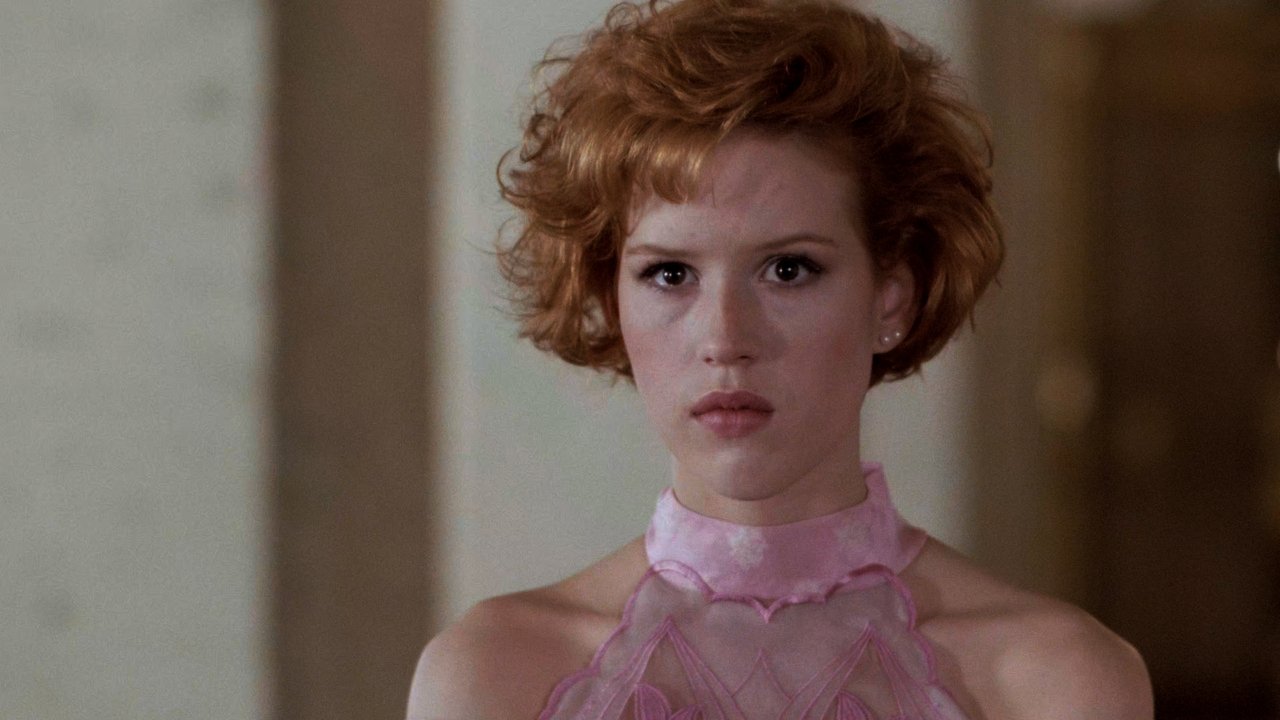
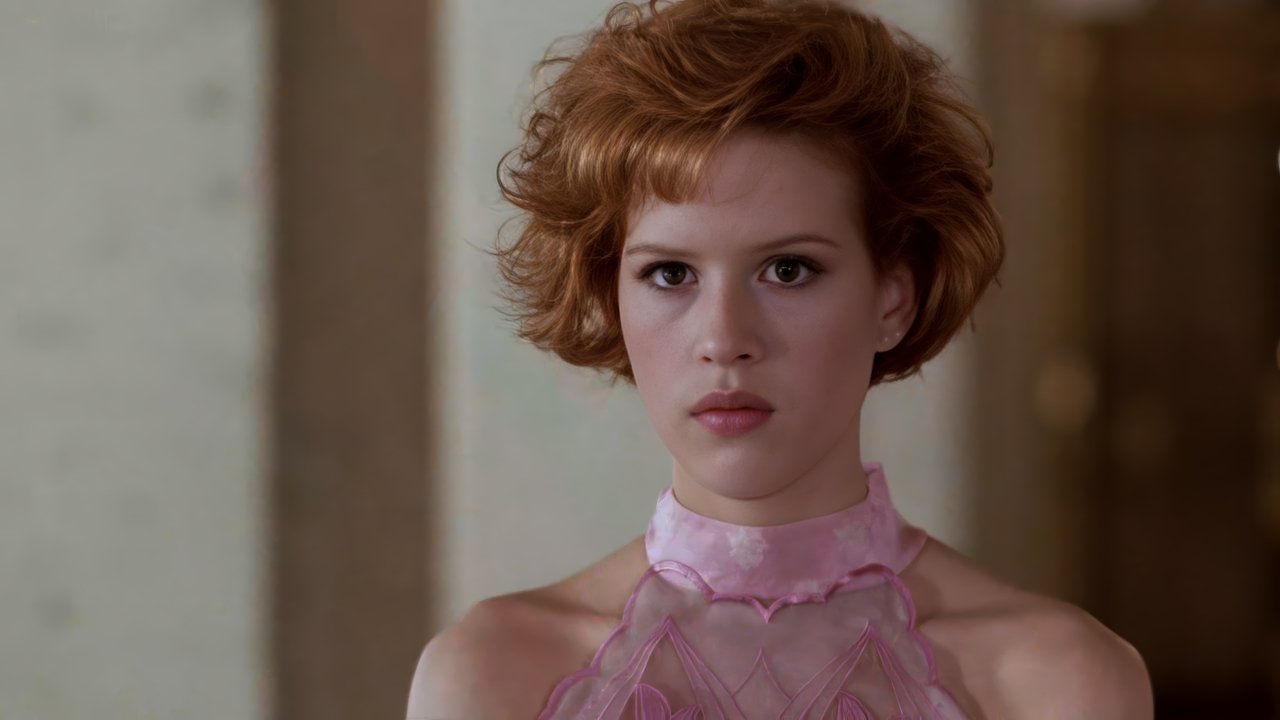
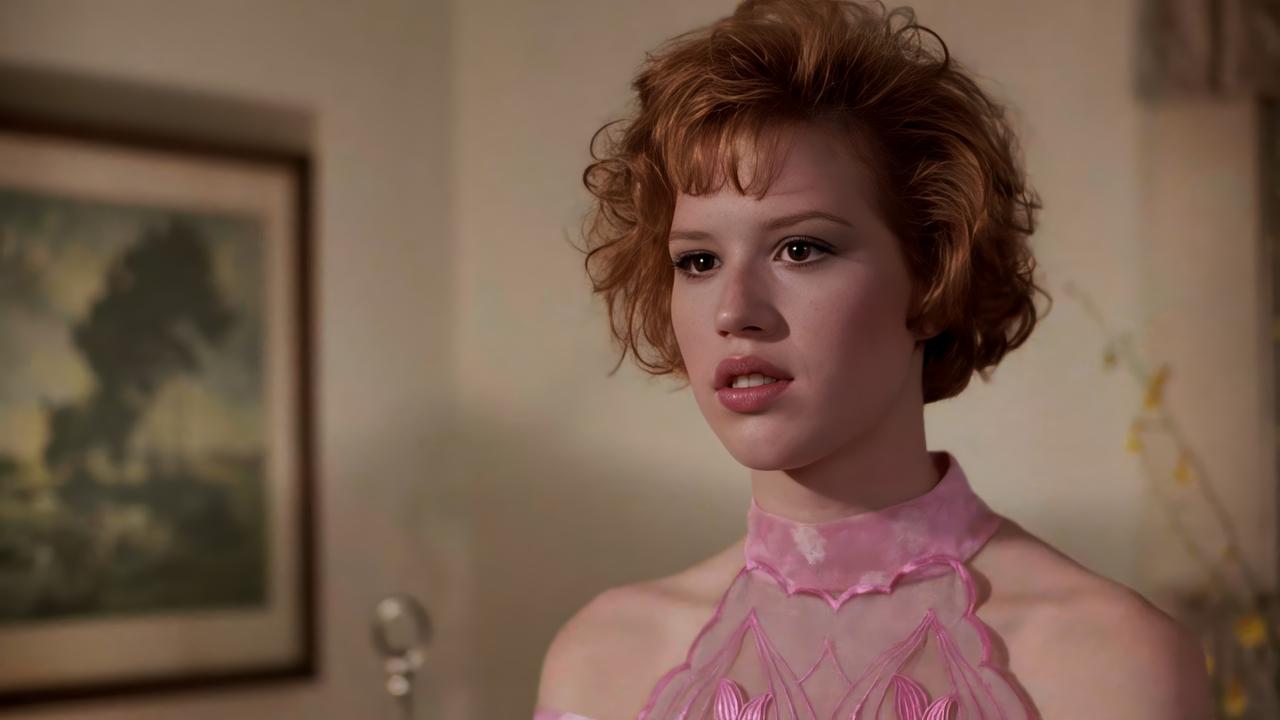
You simply cannot talk about Pretty in Pink without mentioning its soundtrack. It wasn't just a collection of songs; it was practically another character, perfectly capturing the film's mood and the New Wave zeitgeist. Tracks from Orchestral Manoeuvres in the Dark (whose "If You Leave" became synonymous with the film's climax), Echo & the Bunnymen, New Order, The Smiths, and INXS created an auditory landscape that felt achingly cool and emotionally resonant. My own well-worn cassette tape of this soundtrack practically disintegrated from overuse back in the day. The film's visual style, too, screams 80s, from the feathered hair and shoulder pads to Andie's DIY aesthetic. That final prom dress, famously cobbled together from two different garments, became a symbol of Andie's individuality, even if Ringwald herself reportedly wasn't a fan of the creation!
### Spoiler Alert! The Ending That Almost Was
Here’s a piece of behind-the-scenes history that fundamentally alters how we view the film. John Hughes' original script ended with Andie choosing Duckie, validating their deep friendship and shared outsider status. However, test audiences didn't respond well; they felt Blane’s arc was left unresolved and perhaps, subconsciously, couldn't accept the quirky best friend "getting the girl" over the charming rich kid. This led to the now-famous reshoot, where Andie ends up with Blane at the prom, while Duckie finds solace with a different girl (played by Kristy Swanson). This change, filmed months after principal photography wrapped (notice McCarthy wearing a wig?), pleased audiences and helped propel the film to box office success (earning a respectable $40.4 million against its $9 million budget – roughly $111 million adjusted for today), but it left Hughes and others feeling it compromised the original message. Does the revised ending feel earned, or like a concession? It remains a point of contention among fans – a fascinating example of audience influence shaping a film's destiny.
### Enduring Echoes
Despite the debates and the undeniably dated elements (hello, giant cordless phones!), Pretty in Pink endures. It taps into timeless anxieties about class, identity, and the courage it takes to be yourself, especially when faced with pressure to conform. Ringwald's performance remains central – her vulnerability is palpable, her quiet defiance inspiring. While the central romance might feel a little thin by modern standards, the explorations of friendship, particularly the complex bond between Andie and Duckie, still resonate deeply. We see Andie not just as a girl wanting a boy, but as a young woman forging her own path, using her creativity as both shield and statement. Doesn't that struggle feel eternally relevant? What stays with you most after the credits roll – the romance, the friendship, or the vibrant soundtrack of teenage hopes and heartbreaks?
Rating: 8/10
This score reflects the film's iconic status, unforgettable characters (especially Duckie and Andie), killer soundtrack, and resonant themes, even acknowledging the narrative bumps and the controversial ending. It perfectly captured a certain 80s teen sensibility, blending angst with style.
Pretty in Pink remains a cornerstone of the 80s teen movie genre, a bittersweet snapshot of adolescent yearning that still feels honest, even through its pastel-and-hairspray lens. It’s more than just a movie; for many of us, it’s a well-loved page in our own high school diaries.