It often arrived home in an unassuming black plastic case, perhaps rented with a furtive glance towards the counter clerk. On the flickering glow of a CRT screen, Nine 1/2 Weeks (1986) unfurled not just a story, but an atmosphere thick with expensive perfume, lingering cigarette smoke, and the magnetic pull of the forbidden. Even now, decades later, recalling its cool, stylized surfaces evokes a specific kind of 80s cinematic transgression – slick, seductive, and unsettlingly ambiguous. It wasn't just the nudity; it was the mood, a carefully constructed world built on the shifting sands of power and desire.
The Allure of the Surface
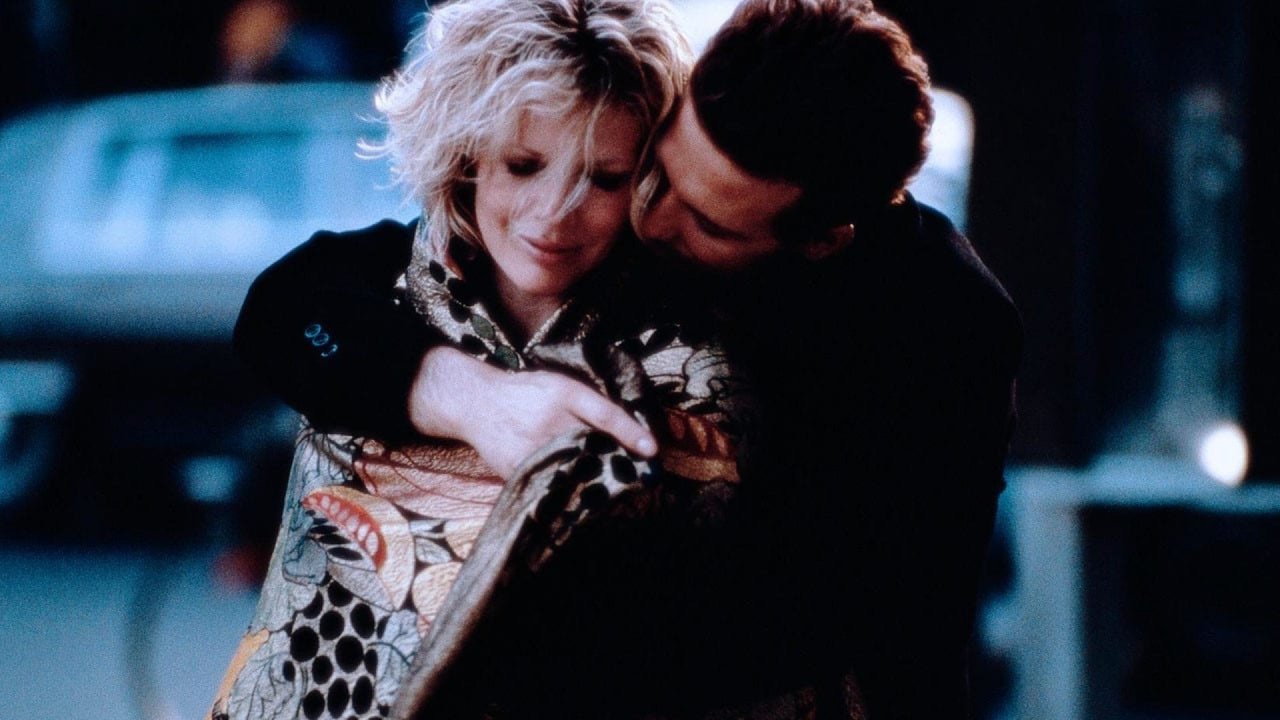
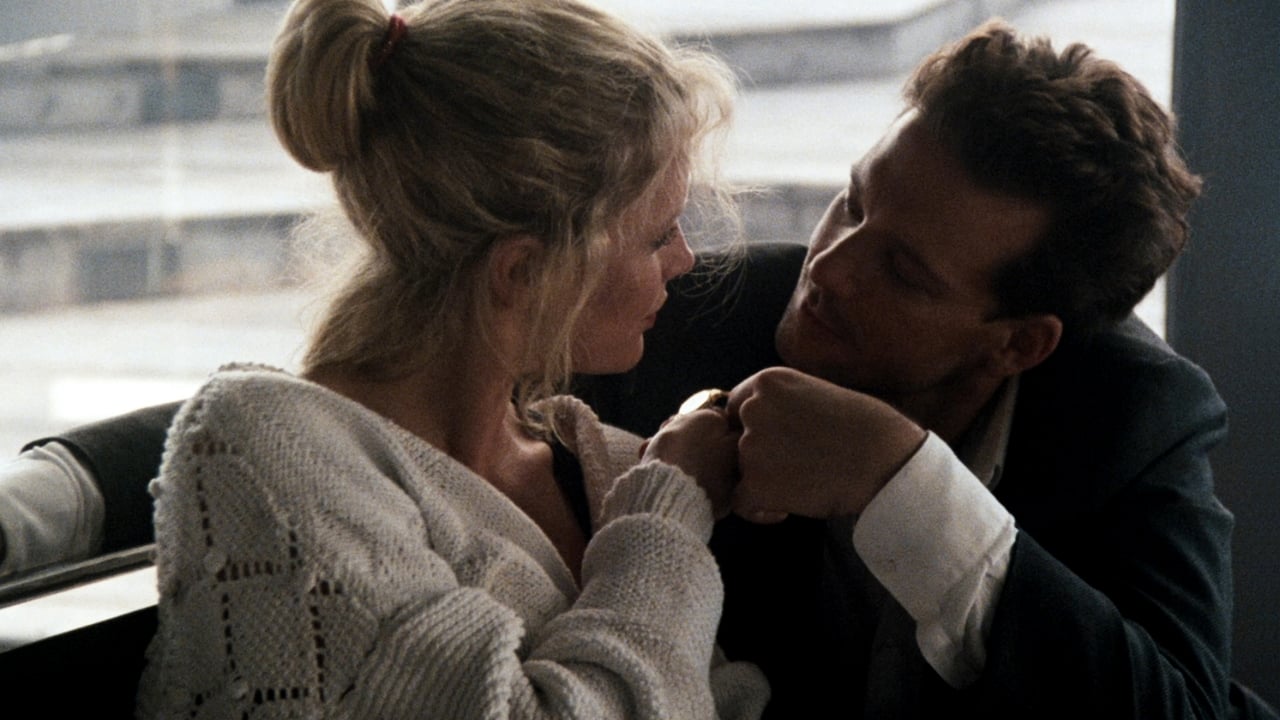
Directed by Adrian Lyne, a filmmaker whose background in glossy commercials heavily influenced his visual style (evident later in Fatal Attraction and Indecent Proposal), Nine 1/2 Weeks is nothing if not visually arresting. From the rain-slicked streets of New York City to the minimalist, high-ceilinged SoHo loft where much of the psychodrama unfolds, every frame feels deliberately composed. Art gallery worker Elizabeth McGraw (Kim Basinger) finds herself drawn into the orbit of Wall Street arbitrageur John Gray (Mickey Rourke), a man shrouded in expensive suits and an unnerving calm. Their initial encounters crackle with an undeniable chemistry, playing out less through dialogue and more through loaded glances, suggestive gestures, and Lyne's penchant for framing his actors against textures – silk sheets, cold marble, rough brickwork. The plot, such as it is, charts the escalating trajectory of their affair, moving from playful seduction into increasingly demanding psychological and sexual games over the titular period.
Beneath the Sheen: A Dangerous Dance
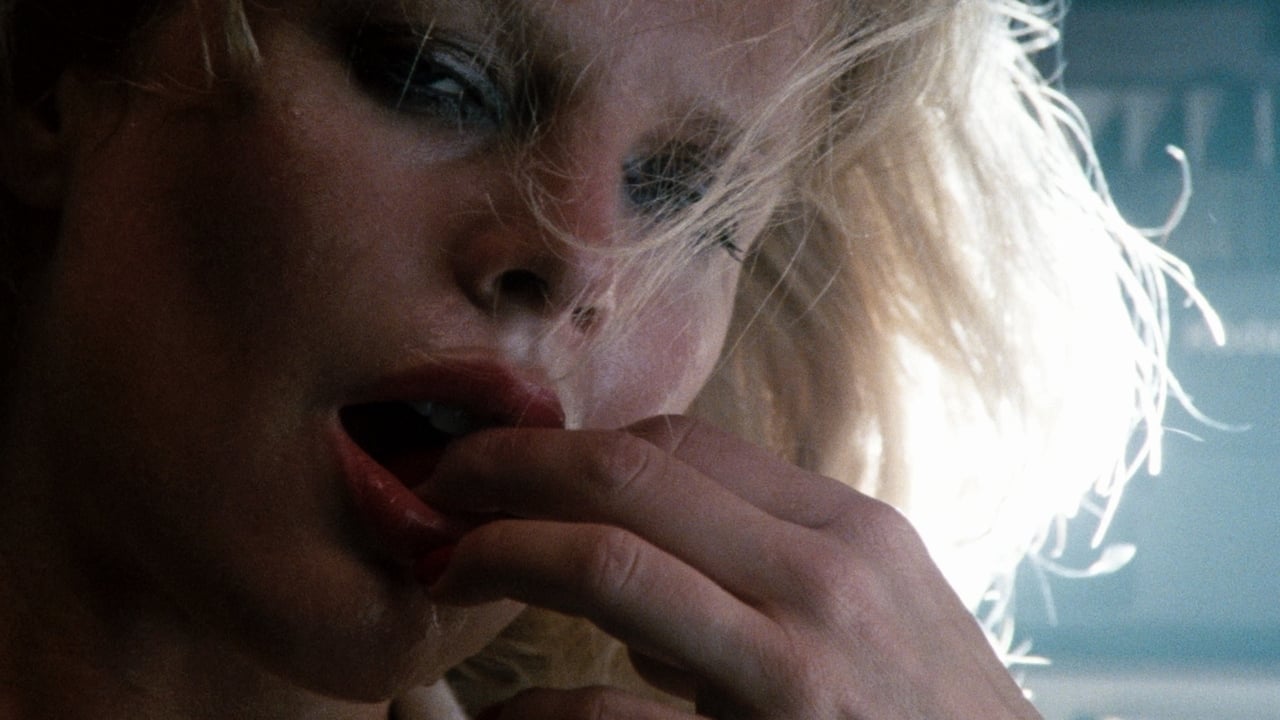
What truly elevates Nine 1/2 Weeks beyond mere style exercise are the central performances. Kim Basinger, then ascending to major stardom, perfectly embodies Elizabeth's vulnerability and burgeoning curiosity. You see her initial hesitancy melt into fascination, then dependence, and finally, a dawning awareness of the cost. It's a portrayal that relies heavily on reaction, on the subtle shifts in her expression as John pushes boundary after boundary. Opposite her, Mickey Rourke, at the peak of his unconventional leading man appeal, is magnetic and quietly terrifying. He weaponizes his charm, deploying smiles that don't quite reach his eyes, his soft-spoken requests masking an iron will. Rourke reportedly employed method techniques on set, aiming to keep Basinger genuinely off-balance, a controversial approach that undeniably contributes to the raw, often uncomfortable tension palpable on screen. Their chemistry is the film's engine – intensely erotic, yet underscored by a constant, humming threat. Is this exploration, or exploitation? The film deliberately keeps the answer hazy.
Retro Fun Facts: Cutting Close to the Bone
The journey of Nine 1/2 Weeks to the screen was almost as fraught as the relationship it depicts. Based on the pseudonymous memoir by Elizabeth McNeill, the film faced significant hurdles with the MPAA ratings board. Adrian Lyne’s original cut was considerably longer and far more explicit, earning the dreaded X rating. Substantial cuts were made for the US theatrical release, resulting in a version many felt was frustratingly elliptical. European audiences often saw a more complete version, leading to a familiar ritual for dedicated VHS hounds: tracking down imported tapes rumored to contain the 'missing' scenes. This censorship battle, combined with its challenging themes, contributed to its dismal US box office performance, grossing only $6.7 million against a $17 million budget (that's roughly $45 million budget and $18 million gross in today's dollars - a definite flop domestically).
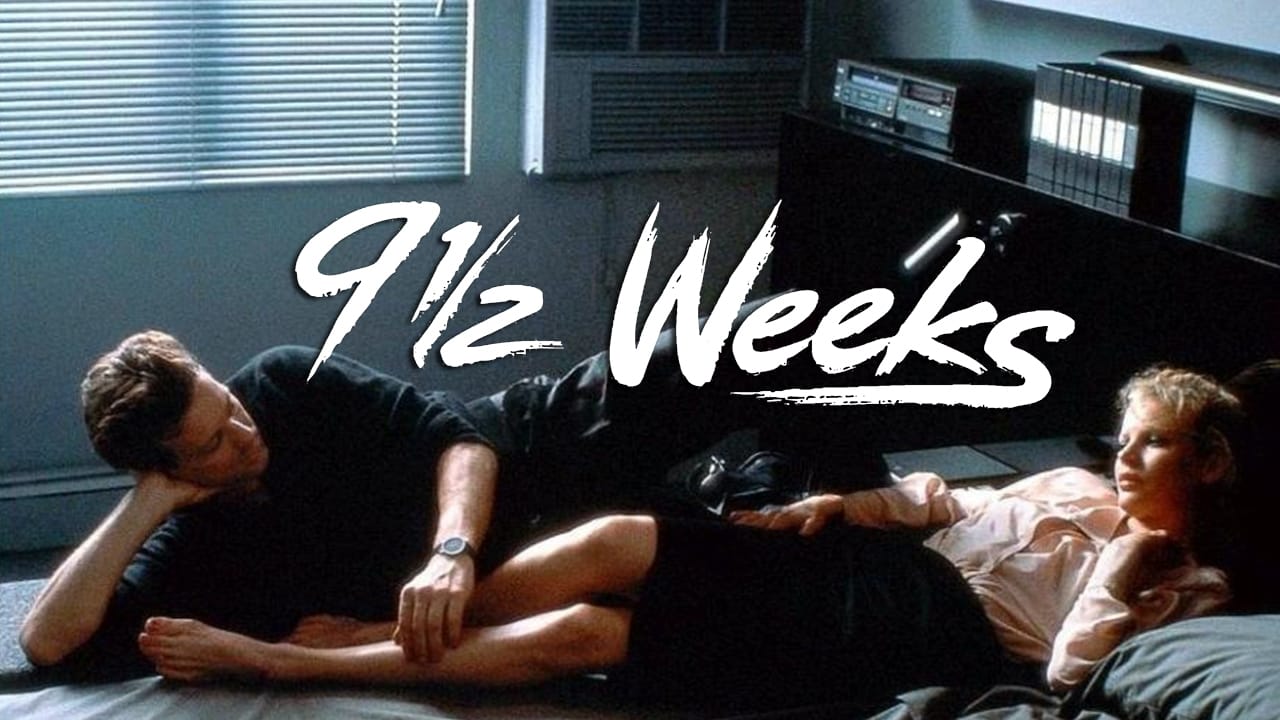
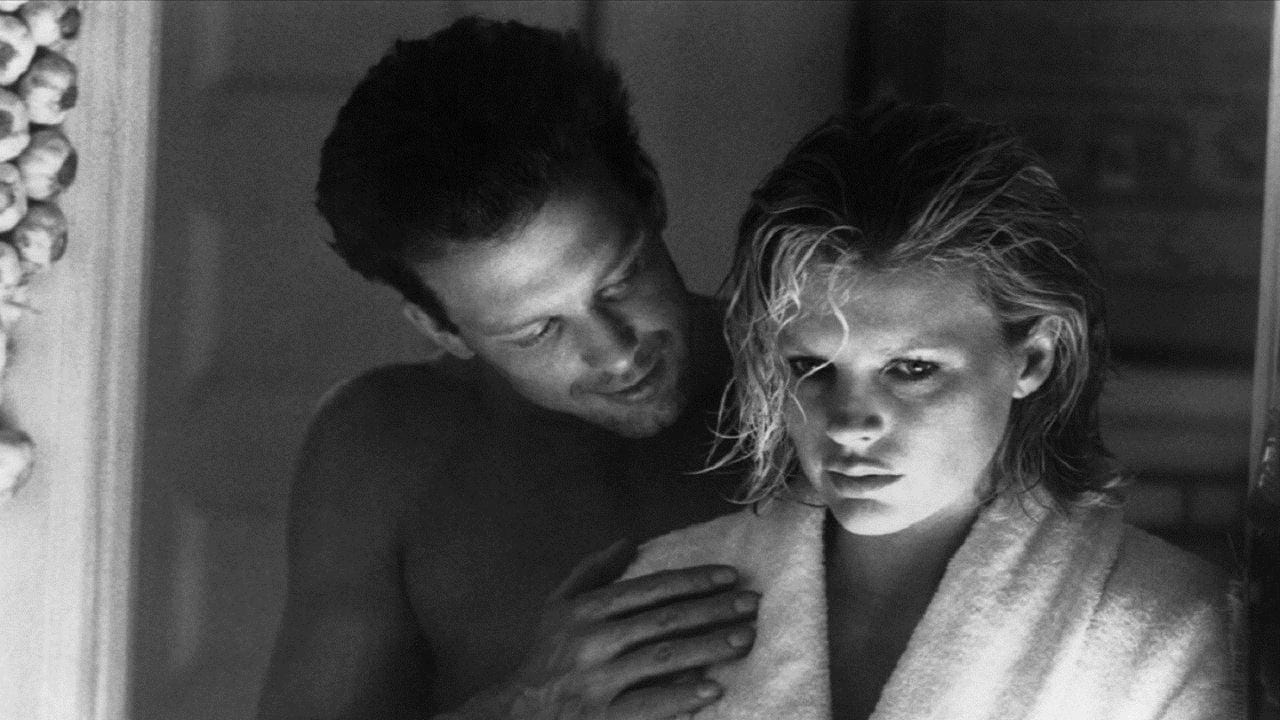
However, the film became a phenomenon internationally, pulling in over $100 million worldwide. Why the disparity? Perhaps international audiences were less squeamish, or maybe the film's stylish depiction of American wealth and sexual liberation held a particular exotic appeal abroad. Critics were sharply divided, with many in the US dismissing it as hollow and exploitative (it even garnered Razzie nominations), while others praised its atmosphere and daring. And let's not forget the soundtrack – Joe Cocker’s rendition of "You Can Leave Your Hat On" became inextricably linked with that striptease scene, cementing its place in 80s pop culture history alongside other evocative tracks from Bryan Ferry and Corey Hart. The sleek production design of the loft, designed by Ken Davis, also became influential, epitomizing a certain kind of monied, minimalist 80s urban aesthetic.
The Lingering Question
What makes Nine 1/2 Weeks stick in the mind isn't necessarily the explicit content, which feels relatively tame by modern standards, but the psychological gamesmanship. It forces us to confront uncomfortable questions about consent, control, and the intoxicating allure of losing oneself in another person. Where does passionate exploration end and emotional manipulation begin? John's motivations remain opaque – is he searching for connection, or merely exercising power? Elizabeth's journey is one of submission followed by a desperate, ambiguous reclamation of self. The film offers no easy answers, leaving the viewer in a state of unease that mirrors Elizabeth's own experience. Does the film ultimately endorse John's behavior, or serve as a cautionary tale? Its refusal to offer a clear moral judgment is perhaps its most provocative, and potentially problematic, aspect.
Watching it again now, nestled perhaps on a comfy sofa rather than the floor in front of a buzzing TV, the film feels like a time capsule – capturing not just 80s fashion and design, but a specific moment in mainstream cinema's grappling with sexuality and power dynamics. It’s undeniably flawed, its narrative thin and its central relationship deeply troubling. Yet, its power to evoke a mood, to generate heat and discomfort simultaneously, remains potent.
Rating: 6.5/10
This rating reflects the film's undeniable strengths in atmosphere, Lyne's slick direction, and the captivating, if unsettling, chemistry between Rourke and Basinger. Its visual style and cultural impact, particularly the soundtrack and its status as a controversial VHS staple, earn it points. However, the underdeveloped plot, the deeply problematic nature of the central relationship when viewed through a modern lens, and the sometimes uncomfortable ambiguity drag the score down. It’s a film more successful as a mood piece and a cultural artifact than as a coherent narrative, leaving a residue of fascination mixed with deep unease.
Final Thought: More than just an "erotic thriller," Nine 1/2 Weeks remains a fascinating, flawed mirror reflecting the seductive dangers that can lie beneath a glossy surface, asking questions about desire and control that still resonate, uncomfortably, today.