The first time I slid Tess into the VCR, nestled between perhaps Raiders of the Lost Ark and Blade Runner on my rental pile, I wasn't entirely prepared. The sheer, sprawling beauty of it felt almost out of place amidst the usual fare. What unfolds is less a movie and more an immersion, a plunge into a landscape as unforgiving as it is breathtakingly beautiful, mirroring the tragic trajectory of its heroine. It’s a film that lingers, not with explosions or jump scares, but with the quiet weight of inevitability.
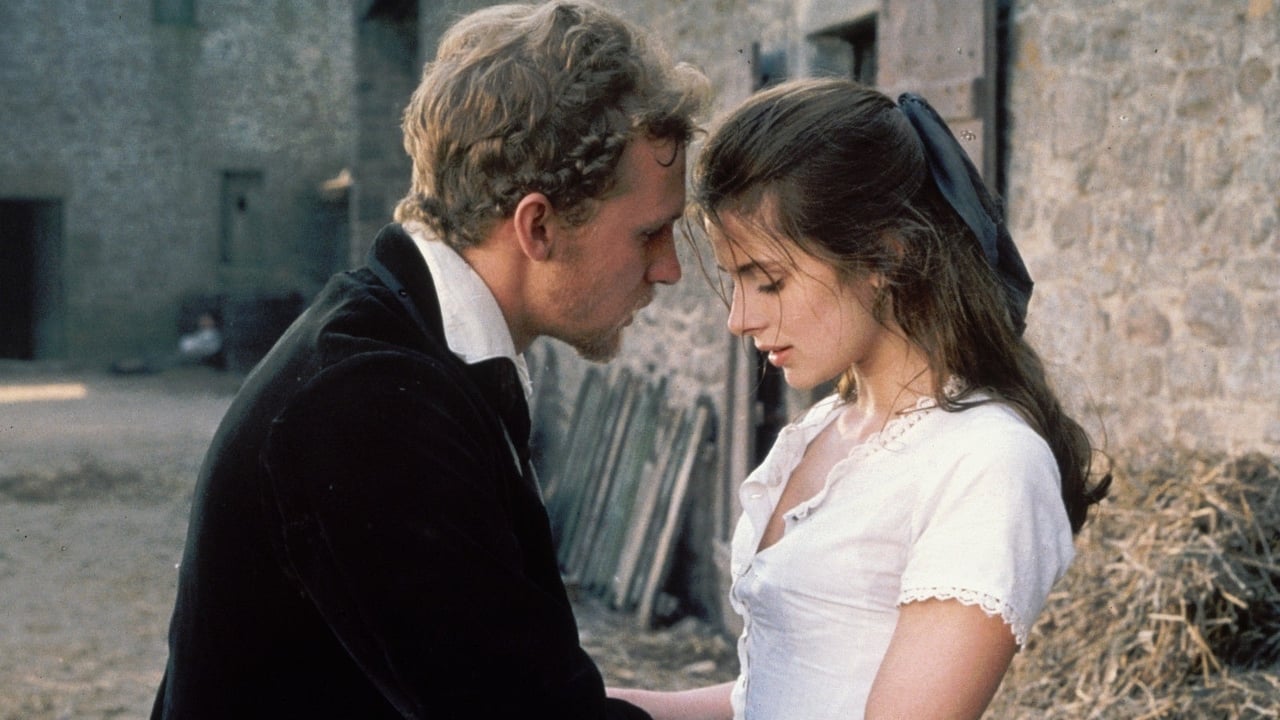
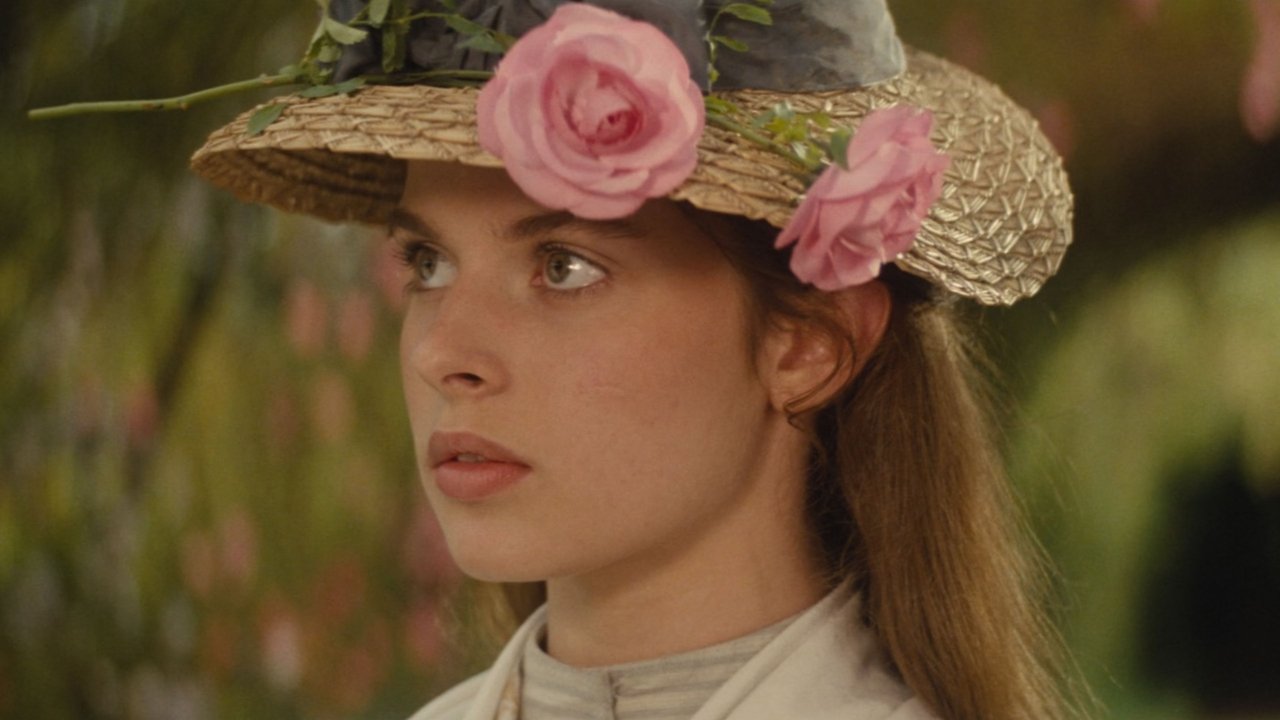
Director Roman Polanski, working from Thomas Hardy's notoriously bleak novel Tess of the d'Urbervilles, crafts something visually astonishing. This isn't just adaptation; it's translation into a purely cinematic language. What strikes you immediately, even now on a screen far sharper than my old CRT, is the light. Oh, that light. Captured initially by the legendary Geoffrey Unsworth (Cabaret, 2001: A Space Odyssey), who tragically passed away during production, and completed by Ghislain Cloquet (Au Hasard Balthazar), the cinematography paints Dorset (though largely filmed in Normandy and Brittany for Polanski's legal reasons) with the brushstrokes of Constable or Millet. Every frame feels deliberate, steeped in pastoral beauty that serves only to heighten the cruelty of fate closing in on Tess. It deservedly swept the relevant Oscars (Cinematography, Art Direction, Costume Design) and remains one of the most visually sumptuous films ever committed to celluloid.
A Portrait of Doomed Innocence
At the heart of this epic is Nastassja Kinski. Barely seventeen when filming began, her portrayal of Tess Durbeyfield is nothing short of luminous. We see her transition from a hopeful, naive country girl, burdened by the revelation of a supposed noble lineage, to a woman weathered by hardship, betrayal, and societal judgment. Kinski embodies Tess's vulnerability, her quiet resilience, and ultimately, her tragic destiny with a haunting authenticity. There’s a naturalism to her performance that anchors the film's sometimes overwhelming sense of doom. You believe her joy, her shame, her desperation. It’s a demanding role, requiring immense emotional range, and Kinski delivers a performance that feels raw and deeply affecting, defining her early career.
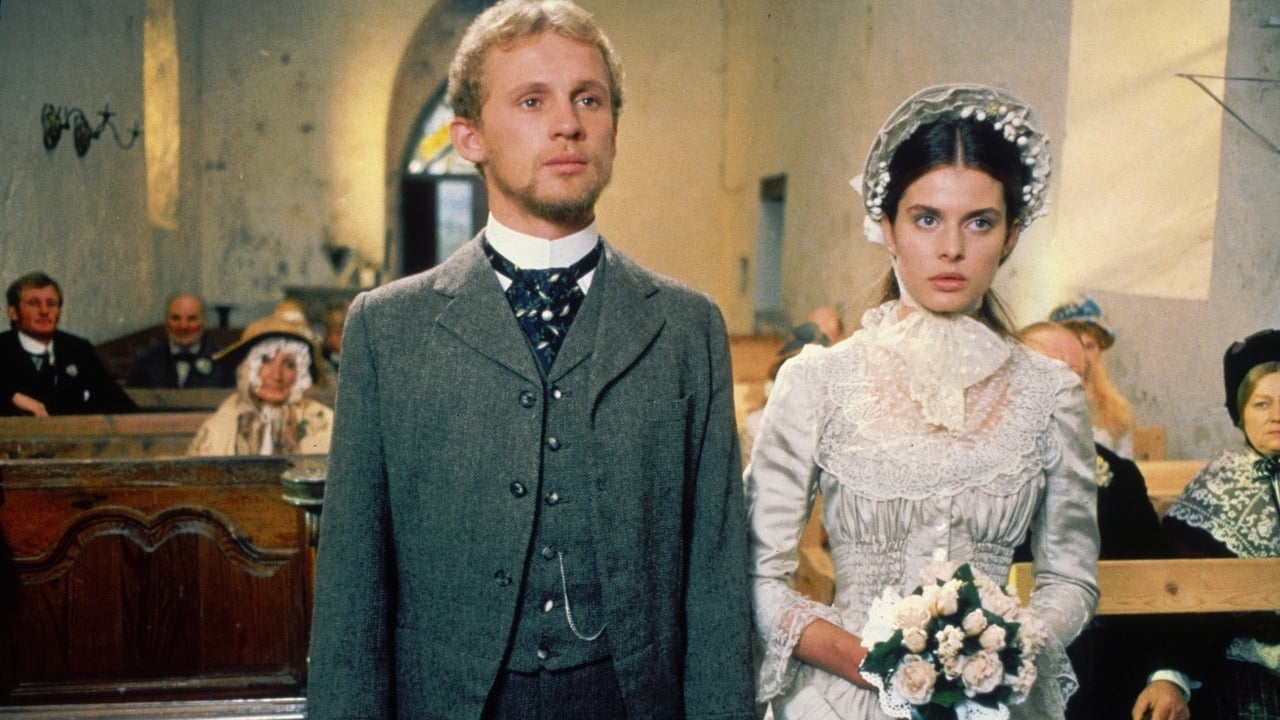
Surrounding her are the two men who represent the opposing forces shaping her life. Leigh Lawson brings a necessary predatory charm to Alec d'Urberville, the wealthy cousin whose actions irrevocably alter Tess's path. He’s not a moustache-twirling villain, but rather a figure of casual entitlement whose desires leave devastation in their wake. Opposite him is Peter Firth as Angel Clare, the seemingly idealistic preacher's son who falls for Tess's purity but whose own rigid morality proves just as destructive. Firth captures Angel's intellectualism and his later, devastating hypocrisy, making the character's failings all the more poignant. Their interactions with Tess form the cruel triangulation of her fate.
Crafting a Classic Under Duress
The making of Tess is a story in itself, touched by its own share of darkness and dedication. Polanski, unable to film in the UK or US due to his fugitive status, recreated Hardy's Wessex in France with painstaking detail. The production reportedly faced brutal weather conditions, adding another layer of authenticity to the struggles depicted on screen. It's a testament to Polanski's meticulous, perhaps obsessive, vision that the film feels so seamlessly rooted in its 19th-century setting despite these hurdles.
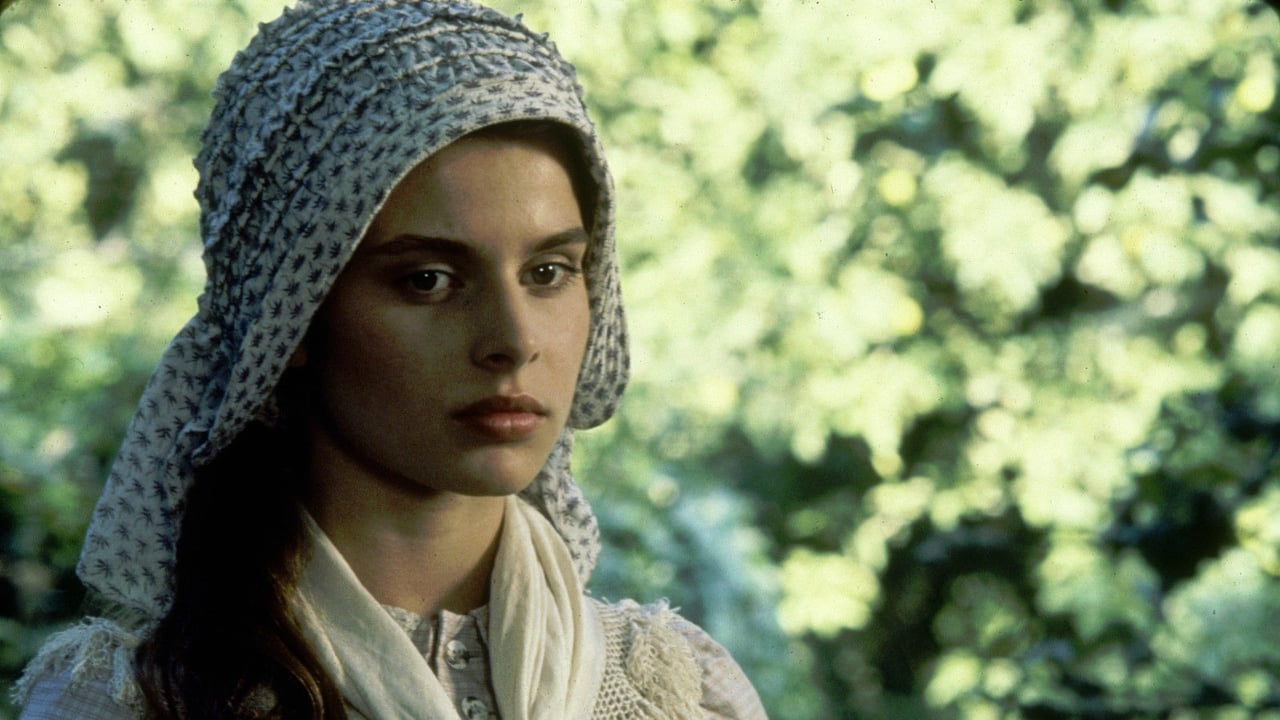
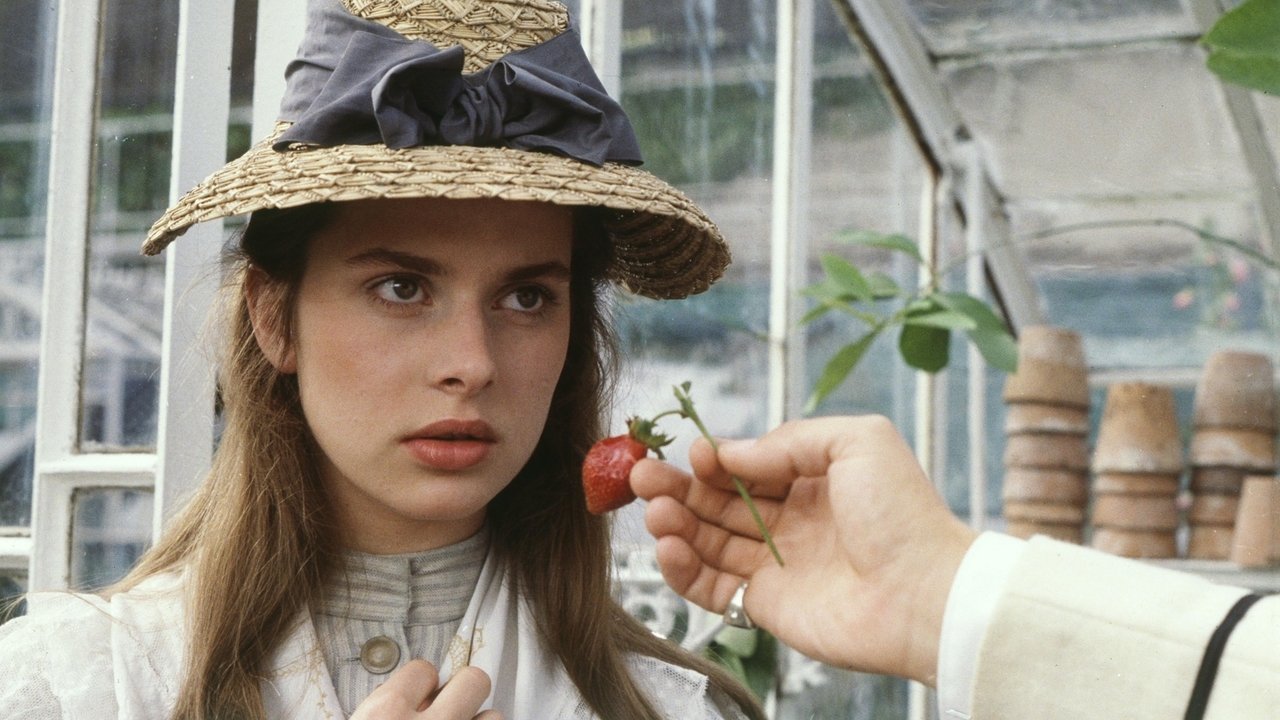
Interestingly, Polanski has stated the film is dedicated to his late wife, Sharon Tate. She had given him Hardy's novel before her death, suggesting it would make a great film. This personal connection imbues the project with an added layer of somber reflection, a sense perhaps of exploring themes of lost innocence and irreversible tragedy that resonated deeply with the director. The budget, around $12 million (a considerable sum then, maybe $45-50 million today), didn’t translate into blockbuster returns ($20 million worldwide), but critical acclaim was widespread, recognizing the film's artistry and ambition.
Beyond the Landscape
But Tess is more than just pretty pictures and tragic romance. It’s a searing critique of Victorian hypocrisy, class rigidity, and the crushing double standards imposed upon women. Tess is judged not for her character, but for circumstances forced upon her, a victim of both predatory men and the unyielding moral codes of the era. Does her plight still echo today, in the ways society judges and confines? The question hangs heavy long after the credits roll. The film refuses easy answers or sentimentality. Its pacing is deliberate, mirroring the slow turn of the seasons and the gradual erosion of Tess's hopes. It demands patience, asking the viewer to invest in Tess's journey, to feel the weight of each setback, each fleeting moment of happiness.
Watching it again, years after that first VHS rental, its power hasn't diminished. If anything, the artistry seems even more apparent. It’s a film that respects its source material while standing entirely on its own as a cinematic achievement. The meticulous detail, the powerhouse performance from Kinski, and the sheer, overwhelming beauty create an experience that is both heartbreaking and unforgettable. It might have been filed under 'Drama' at the video store, but its scope and impact feel truly epic.
Rating: 9/10
Justification: Tess is a masterpiece of visual storytelling and adaptation. Kinski's central performance is iconic, the cinematography is among the best ever filmed, and the production design is immaculate. It tackles profound themes with sensitivity and intelligence. While its deliberate pacing and unrelentingly bleak narrative might not be for everyone, its artistic merit and emotional resonance are undeniable. The slight deduction acknowledges that its length and somber tone require a certain commitment from the viewer.
Final Thought: A hauntingly beautiful film that uses the vastness of nature to frame the intimate, inescapable tragedy of one woman's life, leaving you contemplating fate, justice, and the shadows that linger behind societal righteousness.