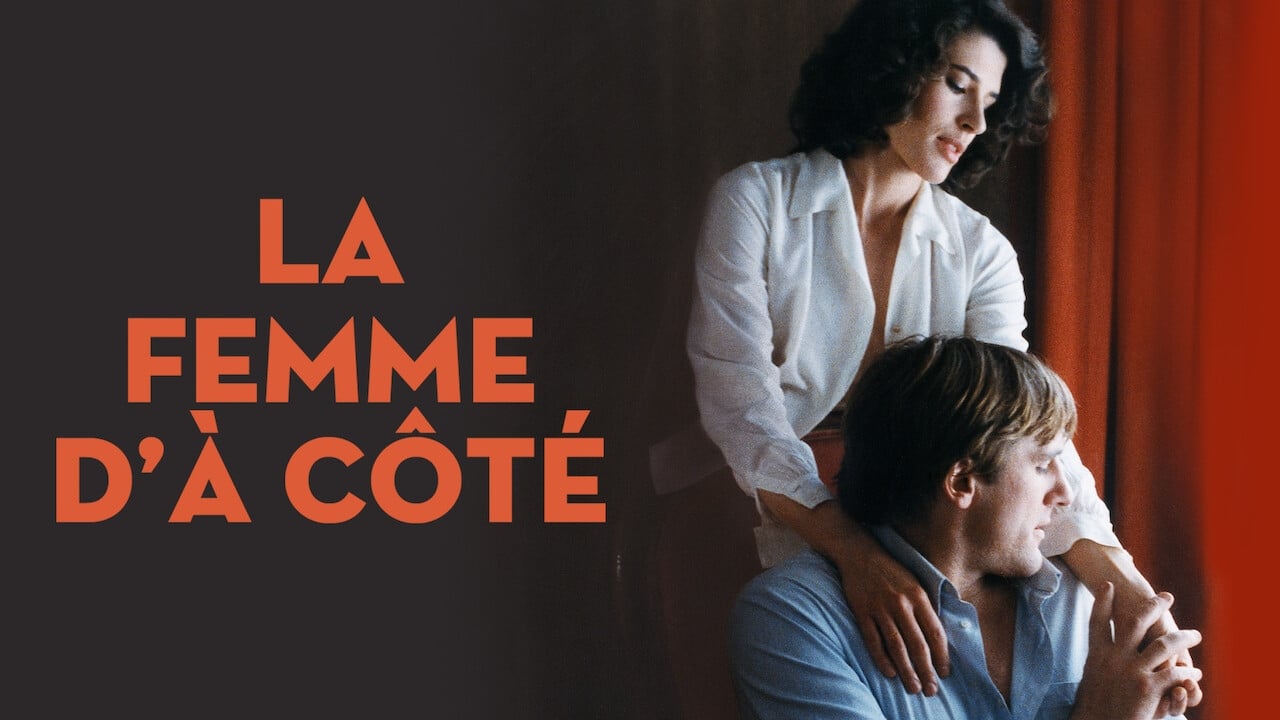
There's a certain unsettling quiet that can settle over seemingly idyllic suburban streets, a stillness that hints at secrets held just behind closed doors. What happens when the biggest secret, the one that could unravel everything, moves in right next door? This is the unnerving premise at the heart of François Truffaut's devastating 1981 drama, The Woman Next Door (La Femme d'à côté), a film that dissects the destructive power of obsessive love with surgical precision and leaves an indelible mark. It’s the kind of potent, adult drama that might have caught you off guard on a trip to the video store, nestled perhaps between more familiar genres, promising something far deeper and more disturbing than its unassuming cover might suggest.
### An Unsettling Proximity
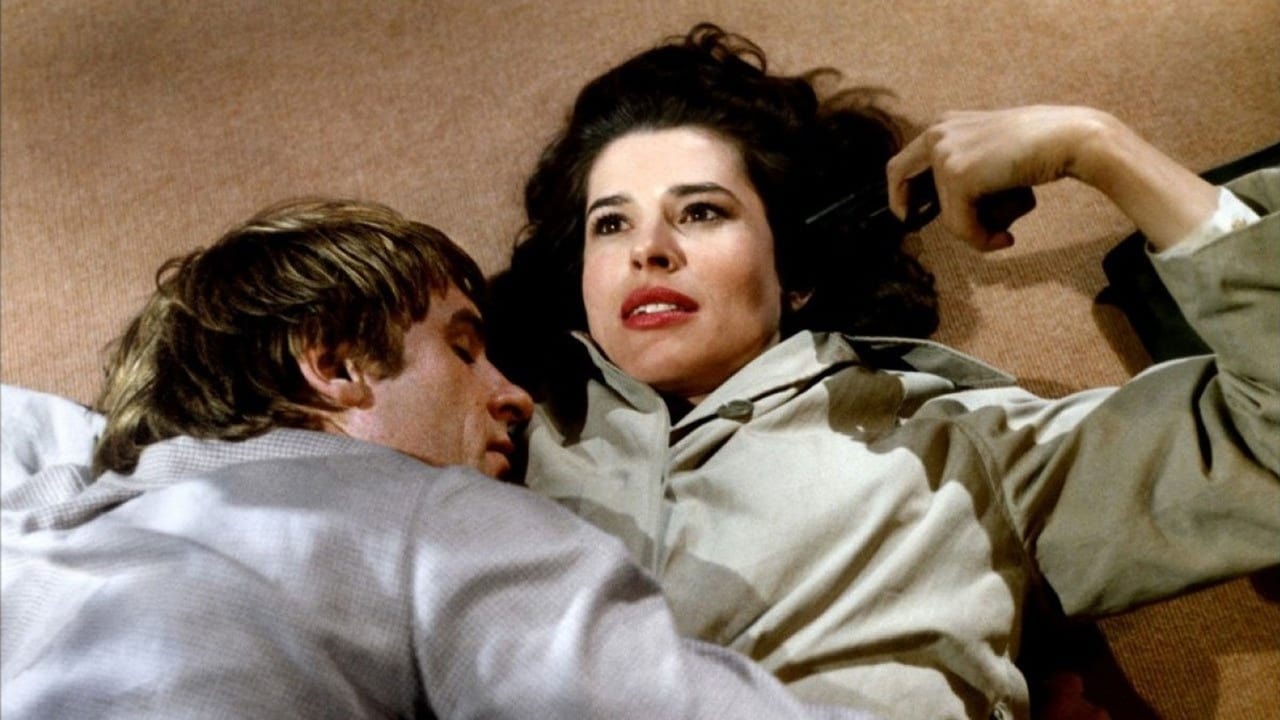
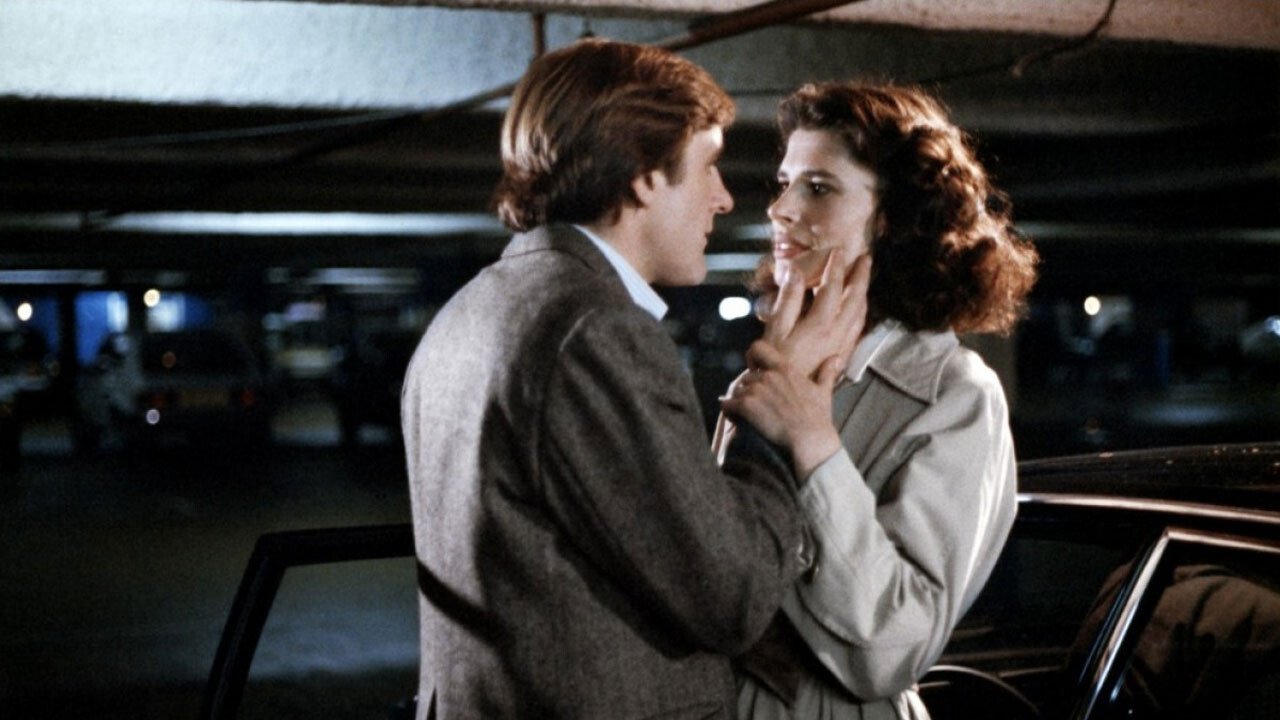
The setup is deceptively simple. Bernard Coudray (Gérard Depardieu) lives a comfortable, stable life with his wife Arlette (Michèle Baumgartner) and young son in a peaceful village near Grenoble. Their routine existence is abruptly fractured by the arrival of new neighbours, Philippe Bauchard (Henri Garcin) and his wife, Mathilde (Fanny Ardant). The instant Bernard and Mathilde lock eyes, we sense the charge, the weight of a shared history neither can escape. They were once lovers, involved in a passionate, tumultuous affair that ended painfully. Now, forced into constant, unbearable proximity, the embers of that connection threaten to reignite, consuming everything in their path. Truffaut masterfully builds the tension not through overt action, but through stolen glances, awkward pleasantries masking deep currents of emotion, and the palpable discomfort of navigating polite society while wrestling with overwhelming desire.
### Performances That Smoulder and Shatter
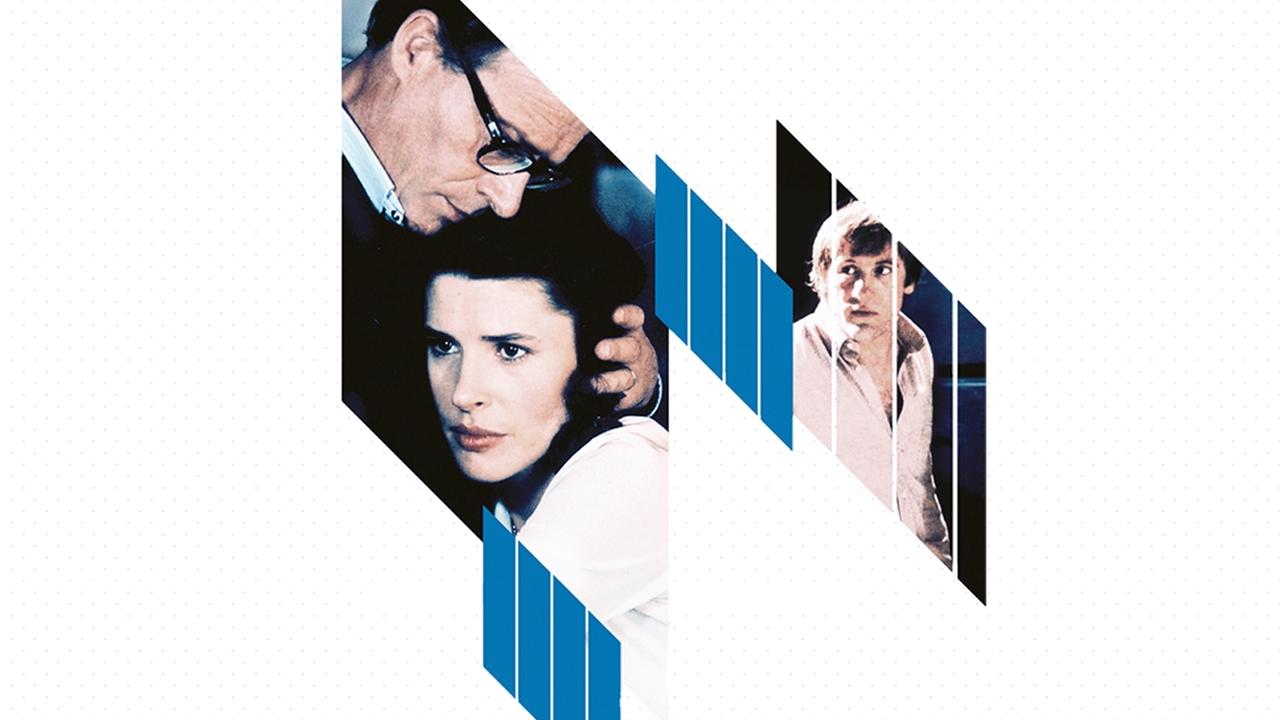
The film belongs, heart and soul, to its two leads. Gérard Depardieu, already a major force in French cinema, embodies Bernard's gradual unravelling with devastating clarity. We see the cracks appear in his carefully constructed facade – the forced bonhomie giving way to raw desperation, the respectable family man consumed by a past he cannot bury. His performance is a study in contained chaos, the struggle between societal expectation and primal urge etched onto his face.
Opposite him, Fanny Ardant, in the role that truly launched her international career, is nothing short of a revelation. Mathilde is a whirlwind of conflicting impulses – alluring yet fragile, drawn to Bernard yet terrified of the destruction their connection inevitably brings. Ardant conveys this inner turmoil with breathtaking intensity; her expressive eyes flicker between longing, fear, defiance, and a heartbreaking vulnerability. It’s said that François Truffaut discovered Ardant performing on stage and was immediately captivated, casting her in this role which marked the beginning of their significant personal and professional relationship. Watching them on screen, their chemistry is undeniable, electric, and profoundly dangerous – the very definition of amour fou. You believe entirely in the history between them, the magnetic pull that renders logic and consequence utterly irrelevant.
### Truffaut's Measured Gaze
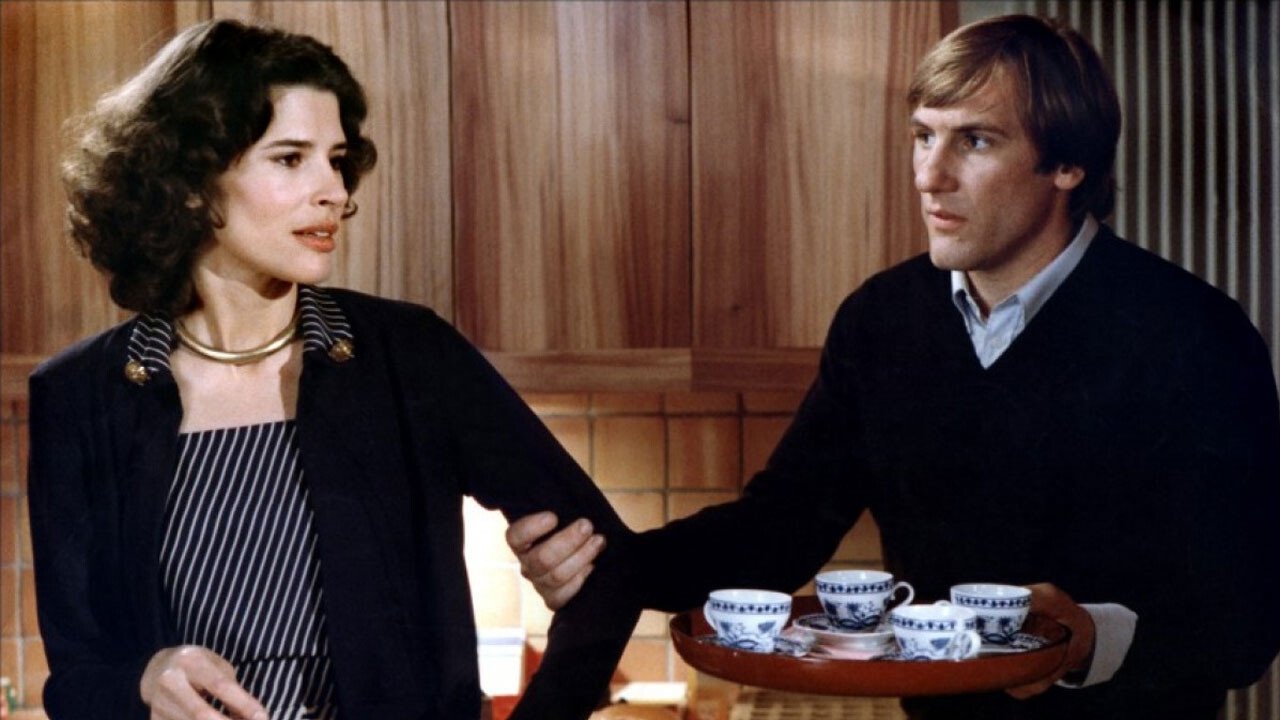
François Truffaut, a director synonymous with the French New Wave but here working in a more classical, controlled style reminiscent perhaps of Hitchcock in its focus on psychological suspense, directs with a deliberate, almost clinical hand. He uses the picturesque, mundane setting not as a comfort, but as a stark contrast to the emotional inferno raging within his characters. The quiet streets, the neat houses, the polite social gatherings – they all serve to amplify the claustrophobia and the sheer impossibility of Bernard and Mathilde's situation.
A key element is the framing device: the story is narrated by Madame Jouve (a quietly impactful Véronique Silver), the perceptive owner of the local tennis club, whose own past carries echoes of destructive passion. She observes the unfolding tragedy with a knowing sadness, her presence acting as both a Greek chorus and a somber reminder that such stories, in varied forms, are tragically timeless. Truffaut, who often explored themes of obsessive love and the complexities of human relationships throughout his career (think Jules and Jim or The Story of Adele H.), here presents one of his most mature and unflinching examinations of the subject.
### Beyond the Facade
The Woman Next Door forces us to confront uncomfortable questions. Can we ever truly escape our past? Is proximity to a former intense love inherently destructive? How thin is the veneer of civility and stability when faced with overwhelming passion? The film offers no easy answers, instead presenting a stark portrait of human fallibility and the devastating consequences when desire overrides reason. It portrays love not as a gentle romance, but as a potentially consuming, annihilating force. What lingers long after the credits roll is the chilling sense of inevitability, the feeling that these characters were doomed from the moment they recognized each other across the garden fence.
Rating: 9/10
Justification: The Woman Next Door is a masterclass in psychological drama, powered by two extraordinary, unforgettable lead performances and guided by François Truffaut's assured, insightful direction. Its exploration of obsessive love is profound, painful, and utterly compelling. The pacing is deliberate, the atmosphere thick with tension, and the emotional impact is shattering. A near-perfect, albeit deeply unsettling, piece of filmmaking.
This wasn't the kind of film you rented for easy escapism back in the VHS days; it was the kind that burrowed under your skin, sparking conversations and leaving you contemplating the fragile line between love and destruction long after the tape clicked off. A haunting classic of French cinema.