There are moments in cinema that don’t just depict the past; they feel like stepping directly into a memory, heavy with unspoken feeling. Louis Malle’s Au Revoir les Enfants (1987) possesses this rare, haunting quality. It doesn't shout its tragedies from the rooftops; instead, it whispers them in the quiet corridors of a wartime boarding school, making the eventual heartbreak all the more profound. Watching it again recently, decades after first encountering it likely tucked away in the 'Foreign Films' section of my local video store, its power hasn't dimmed; if anything, it feels more resonant, a quiet monument to a moment Malle himself could never forget.
A Childhood Interrupted
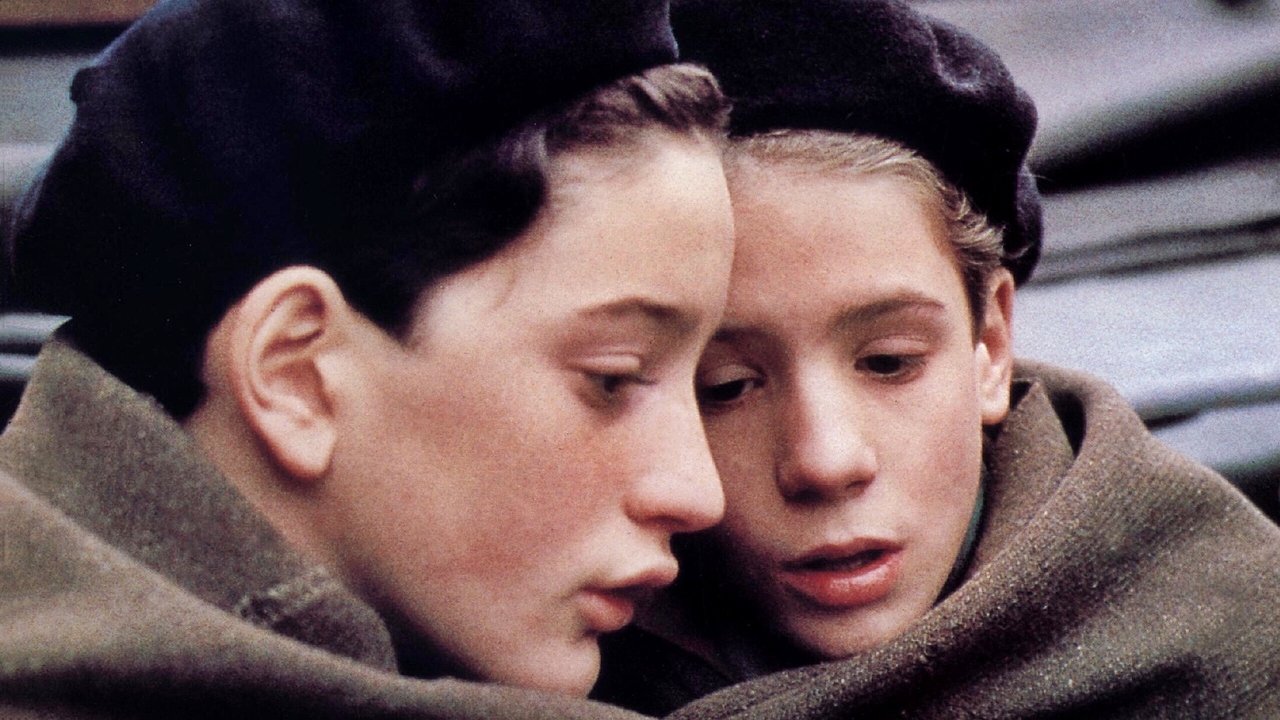
The film transports us to the winter of 1944, France under German occupation. We see this world through the eyes of Julien Quentin (Gaspard Manesse), a bright but somewhat aloof boy from a privileged Parisian family, sent away to the relative safety of a Catholic boarding school. Life there continues with a semblance of normality – lessons, playground rivalries, clandestine smokes – yet the shadow of war is an ever-present chill. Into this closed world arrives Jean Bonnet (Raphael Fejtö), a quiet, studious newcomer who immediately stands apart. Julien, initially suspicious and competitive, finds himself drawn to Jean's intelligence and enigmatic reserve. Their relationship, tentative and evolving, forms the fragile heart of the film.
What Malle achieves so masterfully is the portrayal of childhood complexities against a backdrop of unimaginable adult horror. The boys' concerns – excelling in class, navigating social hierarchies, discovering shared interests like literature and music – feel utterly authentic. Their world is small, focused, as childhood often is. Yet, the larger, terrifying reality occasionally pierces through: hushed conversations among the adults, the unsettling presence of militia, the careful instructions not to draw attention. Malle avoids overt exposition, trusting the viewer to understand the implications, mirroring how a child might piece together fragments of a frightening truth they don't fully comprehend.
The Weight of Truth
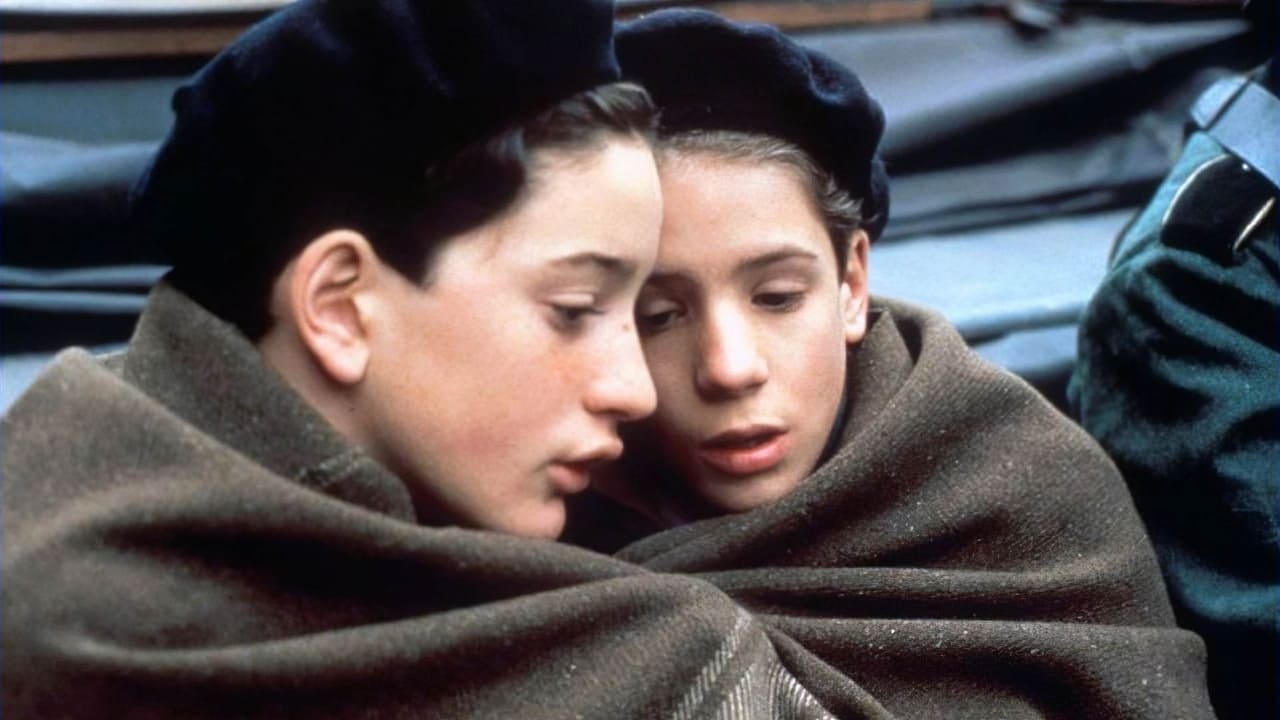
The performances of the young leads are nothing short of remarkable, especially considering their lack of prior experience. Gaspard Manesse perfectly captures Julien's journey from casual arrogance to burgeoning empathy and eventual, devastating realization. His expressions convey volumes – curiosity, jealousy, confusion, admiration, and finally, a dawning awareness that chills the soul. Raphael Fejtö as Jean embodies a quiet dignity and guarded intelligence that speaks of premature maturity forced by circumstance. His performance is subtle, hinting at the immense weight he carries without resorting to melodrama. Their interactions feel unscripted, naturalistic, creating a bond that is utterly believable and deeply moving.
This authenticity is no accident. Louis Malle, who also penned the screenplay, drew directly from his own experiences. He was Julien Quentin. In 1944, at a Carmelite boarding school near Fontainebleau, Malle befriended a Jewish boy hidden amongst the students by the headmaster, Père Jacques. Malle witnessed the Gestapo raid that led to the deportation and deaths of his friend and two other Jewish boys, along with Père Jacques himself (who later died at Mauthausen concentration camp and was posthumously honored as Righteous Among the Nations by Yad Vashem). For over 40 years, Malle carried this memory, feeling he wasn't ready to confront it on film until Au Revoir les Enfants. This profound personal connection imbues every frame with an aching sincerity. He reportedly searched extensively for his young actors, wanting unknowns to preserve that sense of unvarnished reality.
Subtlety as Strength
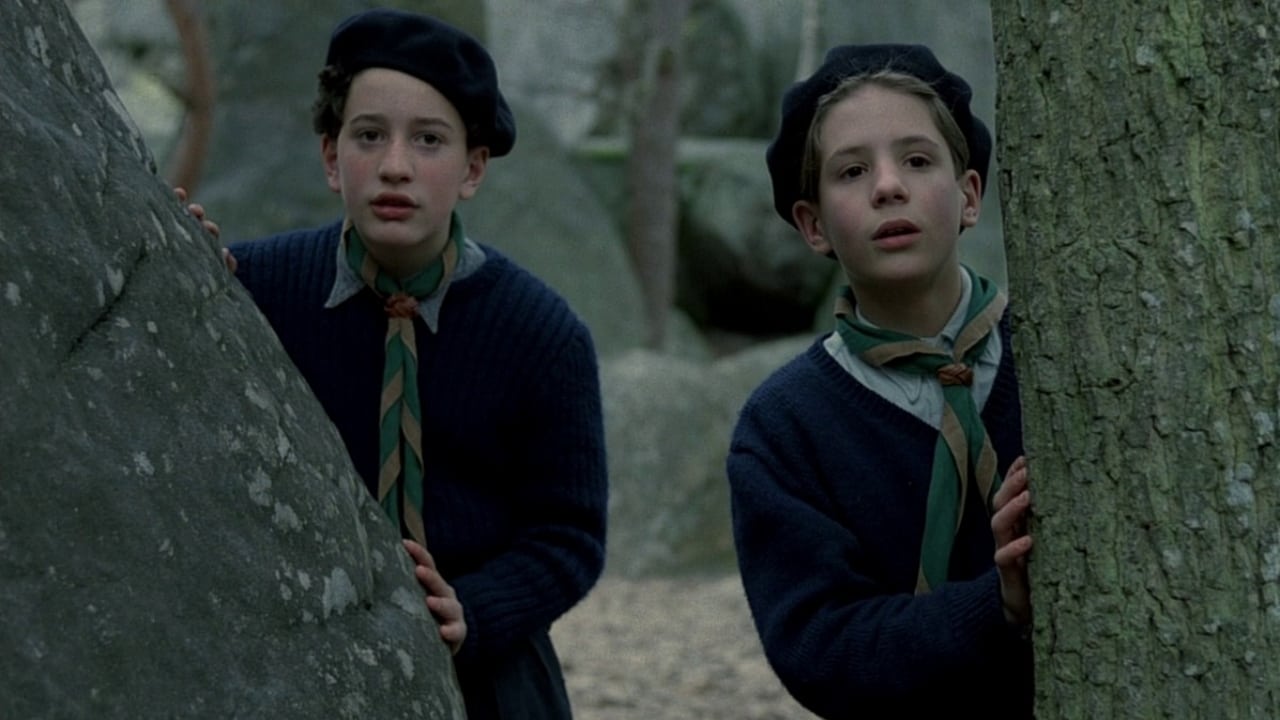
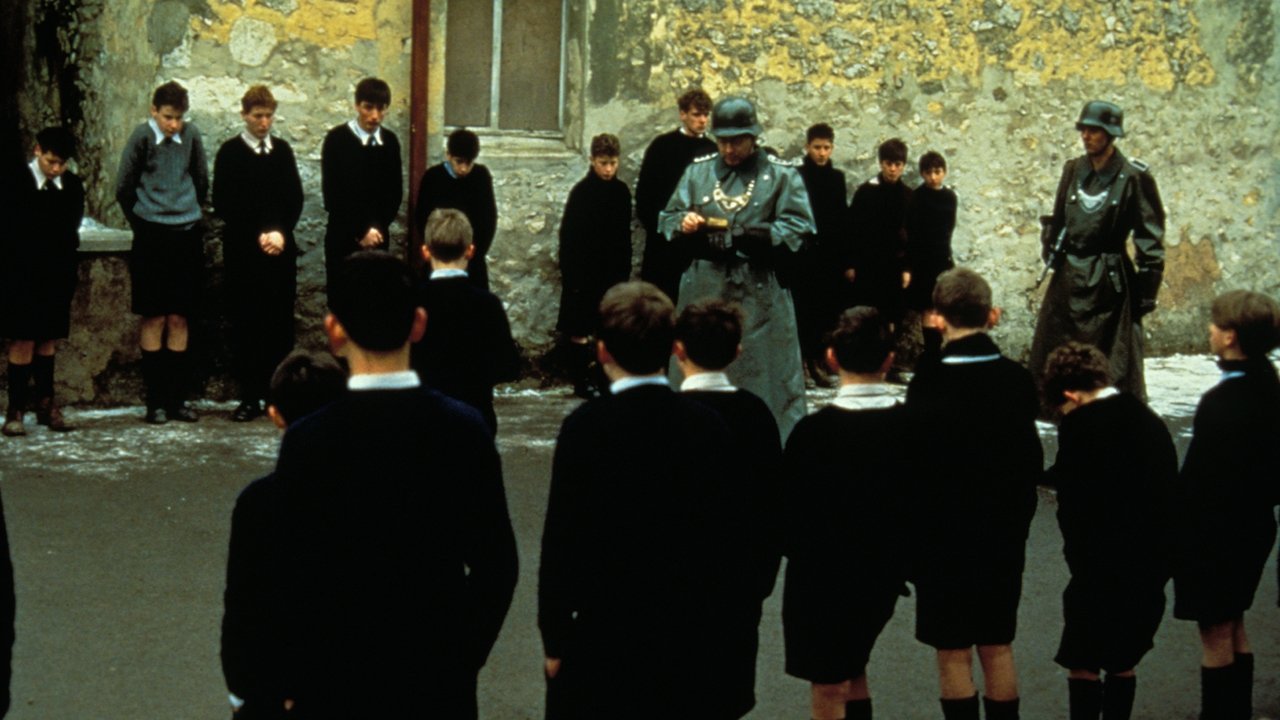
Malle’s direction is characterized by its restraint. There are no soaring orchestral cues demanding tears, no graphic depictions of violence. The horror unfolds in quiet moments, overheard whispers, and sidelong glances. The cinematography by Renato Berta favors natural light and a muted palette, enhancing the film's documentary-like feel and reflecting the somber reality of the time. The school itself, filmed at a seminary in Provins rather than the actual location, becomes a character – a sanctuary that proves tragically permeable.
Even the title, "Goodbye, Children," carries immense weight. It’s derived from the actual last words spoken by Père Jacques to the assembled students as he was led away by the Gestapo – a detail Malle ensures lands with quiet devastation. It’s a farewell not just to the specific children being taken, but to the innocence of all the children left behind, their childhood irrevocably fractured by witnessing an unforgivable act.
A Lasting Echo
Au Revoir les Enfants isn't merely a historical drama; it's a profound meditation on complicity, prejudice, the fragility of sanctuary, and the indelible mark of certain memories. What does a single glance, a moment of fear-induced betrayal, truly cost? The film doesn't offer easy answers but leaves us contemplating the quiet ways evil can infiltrate the everyday, and how the choices made in moments of pressure can echo through a lifetime. It swept awards upon release, including the Golden Lion at Venice and multiple Césars, resonating deeply in France and abroad. Its success proved that deeply personal, understated filmmaking could still command attention and leave a lasting impact.
Watching it today, far removed from the era of chunky VHS tapes and CRT screens, its power remains undiminished. It’s a film that earns its emotional weight through honesty and observation, not manipulation. It stays with you, a quiet hum of sorrow and empathy.
Rating: 9.5/10
This near-perfect film justifies its high rating through its deeply personal yet universal story, the astonishingly authentic performances Malle coaxed from his young cast, and its masterful, restrained direction. The autobiographical core lends it an unshakeable gravity, making the narrative resonate with profound truth. It’s a masterclass in subtle storytelling where the unspoken carries as much weight as the dialogue.
Final Thought: A devastatingly beautiful film that reminds us how childhood innocence, once shattered by the intrusion of adult cruelty, can never be fully pieced back together.