Okay, settle in. Let's rewind the tape on a film that dared to be different, a challenging, layered piece that likely graced the "Drama" or even "Classics" shelf at your local video store back in the day: 1981's The French Lieutenant's Woman. This isn't your typical period romance; it’s something far more slippery and fascinating, a film that plays with time and storytelling in a way that still feels remarkably fresh.
### The Unfilmable Novel?
How do you capture a novel famous for its authorial intrusions, its shifting perspectives, and its multiple endings? John Fowles’ 1969 book is a postmodern marvel wrapped in Victorian clothing, a story constantly reminding you that it is a story. Many deemed it unfilmable. Enter playwright Harold Pinter, known for his mastery of subtext and tension, and director Karel Reisz, a filmmaker attuned to character nuance (Saturday Night and Sunday Morning). Their solution? Genius, really. Instead of trying to replicate Fowles' narrative voice, they created a parallel storyline. We watch not only the repressed Victorian affair between gentleman scientist Charles Smithson (Jeremy Irons) and the enigmatic, disgraced governess Sarah Woodruff (Meryl Streep) unfold in Lyme Regis, but also a contemporary story about the actors, Mike and Anna, playing Charles and Sarah in a film production of "The French Lieutenant's Woman".
This structure isn't just a gimmick; it's the heart of the film's intellectual and emotional power. The lines blur. The actors' off-screen affair mirrors, contrasts, and comments upon the Victorian romance they are enacting. It forces us to question the nature of passion, societal constraints then and now, and the very act of creating and consuming narratives. Does knowing it's a performance diminish the Victorian story's pull, or does the actors' modern relationship somehow validate the historical figures' desperate choices?
### Echoes Across Time
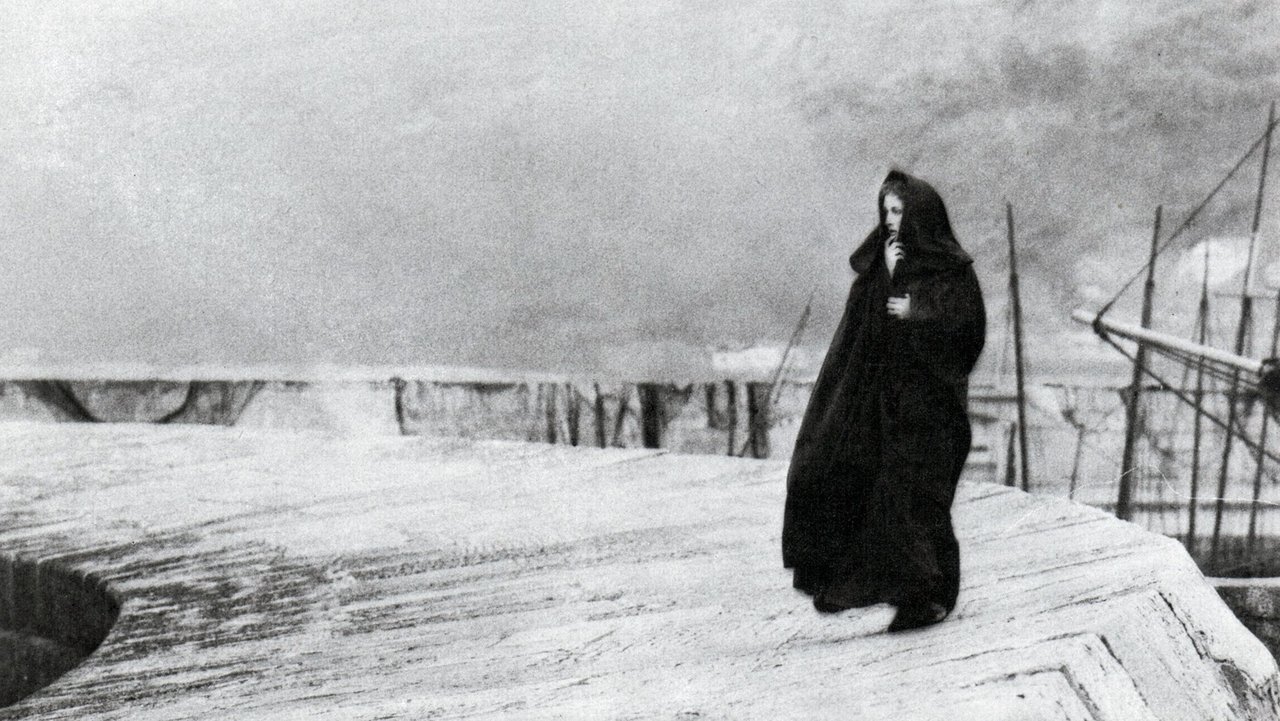
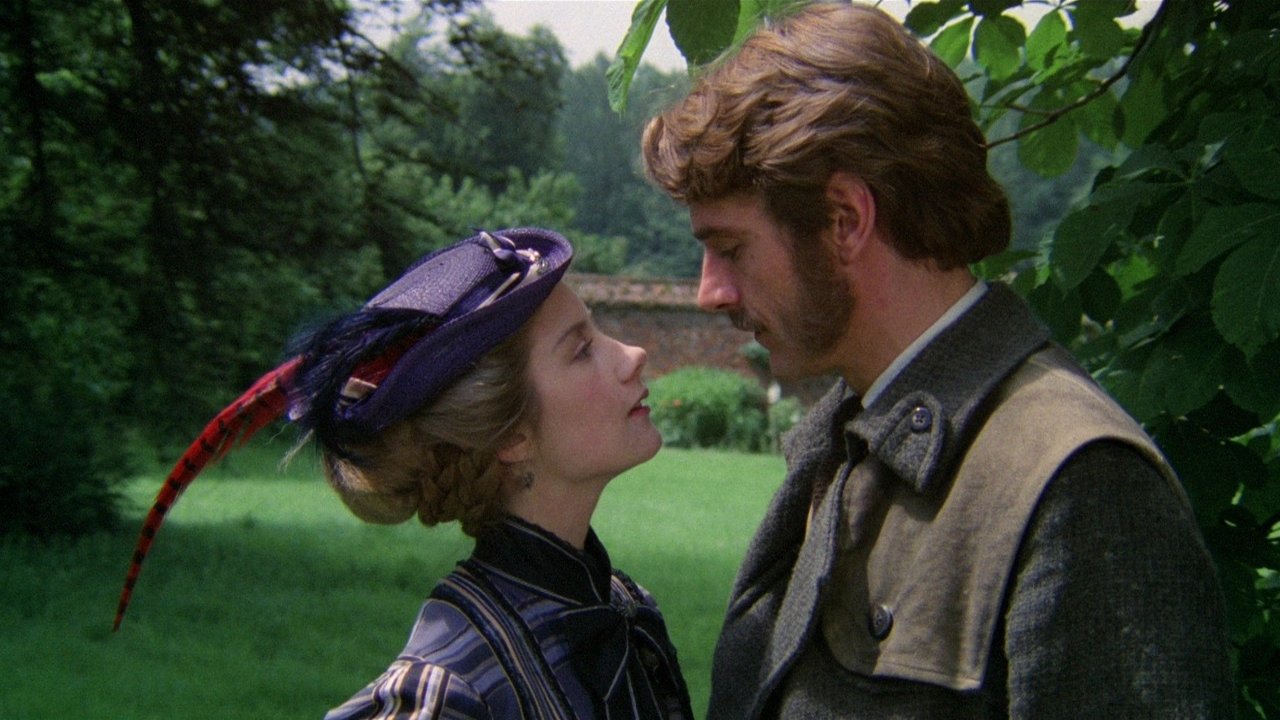
The visual distinction between the two timelines, courtesy of veteran cinematographer Freddie Francis (The Elephant Man), is subtle yet effective. The Victorian scenes possess a painterly quality, bathed in the soft, often melancholic light of the English coast. Think of that iconic image: Streep, cloaked in grey, standing defiant against the wind and waves on the Cobb. It’s an image seared into cinematic memory. The 1980s scenes feel brighter, looser, more immediate, yet carry their own complexities. Pinter's script masterfully interweaves the dialogue, often creating echoes where a line spoken in one era resonates jarringly or poignantly in the other. It's a script that trusts the audience to connect the dots, rewarding close attention.
### Streep and Irons: A Study in Duality

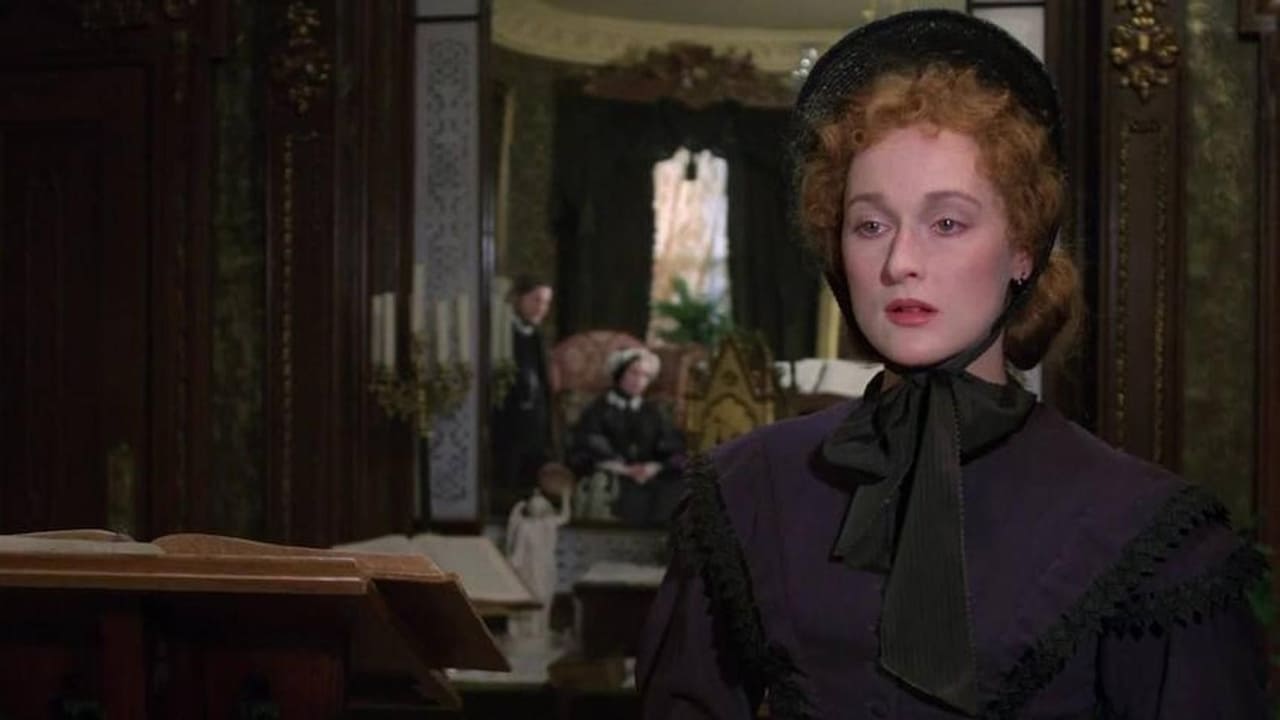
And the performances? They are simply extraordinary. This was a key moment for both leads. Meryl Streep, already an Oscar winner for Kramer vs. Kramer, delivers a performance of staggering complexity. Her Sarah Woodruff is a figure of intense mystery – is she a victim, a manipulator, a proto-feminist trapped by circumstance, or all three? Streep conveys worlds of unspoken emotion behind those watchful eyes. Then, she shifts seamlessly into Anna, the modern actress navigating her own desires and professional commitments. It's a technical marvel, yes, but more importantly, it feels deeply, psychologically true in both registers. She rightfully earned an Oscar nomination and a BAFTA win for this.
Jeremy Irons, in one of his breakout film roles (released the same year his star soared with TV's Brideshead Revisited), is equally compelling. His Charles is a man bound by convention, duty, and his own intellectual curiosity, thrown into turmoil by a woman who represents everything his society forbids. Irons perfectly captures Charles's gradual unraveling, the conflict between propriety and burgeoning passion. As Mike, the actor, he presents a different kind of modern man, perhaps freer in his actions but grappling with his own emotional entanglements. The chemistry between Streep and Irons, in both storylines, is palpable – a complex mix of fascination, desire, and antagonism.
### More Than Just Scenery
While the central performances dominate, the production itself is meticulous. The recreation of Victorian England feels authentic without being stuffy. Carl Davis's score complements the mood beautifully, shifting from romantic swells to more unsettling, modern chords. One fascinating production tidbit: Fowles himself apparently approved of Pinter's bold adaptation strategy, recognizing it as perhaps the only way to translate his novel's spirit to the screen after his own earlier, less successful attempt at a script. The film wasn't a massive blockbuster (budget around $8 million, grossing nearly $27 million domestically – respectable numbers for a literary drama then), but its critical reception was strong, cementing its place as a prestige picture of the era. It landed five Academy Award nominations, including Best Actress, Screenplay, Art Direction, Costume Design, and Film Editing (John Bloom's work seamlessly weaving the timelines is crucial).
### Lasting Resonance
Does The French Lieutenant's Woman feel dated now? Perhaps some of the '80s framing story elements might show their age slightly, but the core thematic concerns – the struggle for personal freedom against social expectation, the complexities of love and identity, the power dynamics between men and women – remain potent. The film doesn't offer easy answers; Fowles’ novel had multiple endings, and while the film doesn't replicate that exactly, its dual structure leaves the viewer contemplating different possibilities, different interpretations of where true freedom and fulfillment lie.
It’s a film that demands patience and thought, rewarding the viewer with layers of meaning. It might not have been the tape you grabbed for a Friday night action fix, but finding it nestled on the shelf felt like unearthing something special, something intelligent and deeply felt.

Rating: 8.5/10
Justification: The film scores highly for its audacious and brilliantly executed narrative structure, Pinter's intelligent script, Reisz's sensitive direction, and, above all, the mesmerizing dual performances from Meryl Streep and Jeremy Irons. It successfully translates the spirit of a complex novel, creating a unique cinematic experience. Minor points are deducted perhaps for a slight distancing effect inherent in the meta-narrative for some viewers, but its ambition and artistry are undeniable.
Final Thought: It's a film that lingers, leaving you pondering not just the fate of its characters (both Victorian and modern), but the very ways we tell and understand stories about love, loss, and liberation across time.