What strikes you first, watching My Brilliant Career again after all these years, perhaps on a fuzzy nth-generation tape pulled from the back of the shelf, is the sheer force of will radiating from Sybylla Melvyn. It’s not just defiance; it's an almost untamable life force, a blazing refusal to be confined by the dusty expectations of turn-of-the-century rural Australia. And embodying that fire is a young Judy Davis, in a performance that feels less like acting and more like a channeling – raw, intelligent, and utterly captivating. This 1979 gem, directed by Gillian Armstrong, might pre-date the neon bloom of the 80s, but for many of us, finding it nestled amongst the action flicks and teen comedies at the local video store in the early days of VHS felt like discovering a hidden, potent truth.
### A Spirit Unbound in the Bush
Based on the semi-autobiographical novel by Miles Franklin (penned when she herself was barely out of her teens), the film plunges us into the world of Sybylla, a young woman brimming with artistic aspirations and a personality far too large for the drought-stricken poverty of her family's dairy farm. Sent to live with her wealthier grandmother, she navigates the unfamiliar terrain of high society, capturing the attention of two suitors: the charmingly awkward local Frank Hawdon and, more significantly, the affluent landowner Harry Beecham, played with a wonderful blend of quiet strength and bewildered attraction by a youthful Sam Neill.
The narrative isn't driven by complex plot twists, but by Sybylla's internal struggle. Will she choose the security and genuine affection offered by Harry, a path society deems eminently suitable? Or will she pursue the uncertain, solitary path of a writer – her "brilliant career"? It’s a question that felt remarkably potent watching it back then, and perhaps resonates even more deeply now, in a world still grappling with the balance between personal ambition and societal pressures. The film refuses easy answers, presenting marriage not as a fairytale ending, but as a potential cage for Sybylla's restless spirit.
### The Raw Nerve of Performance
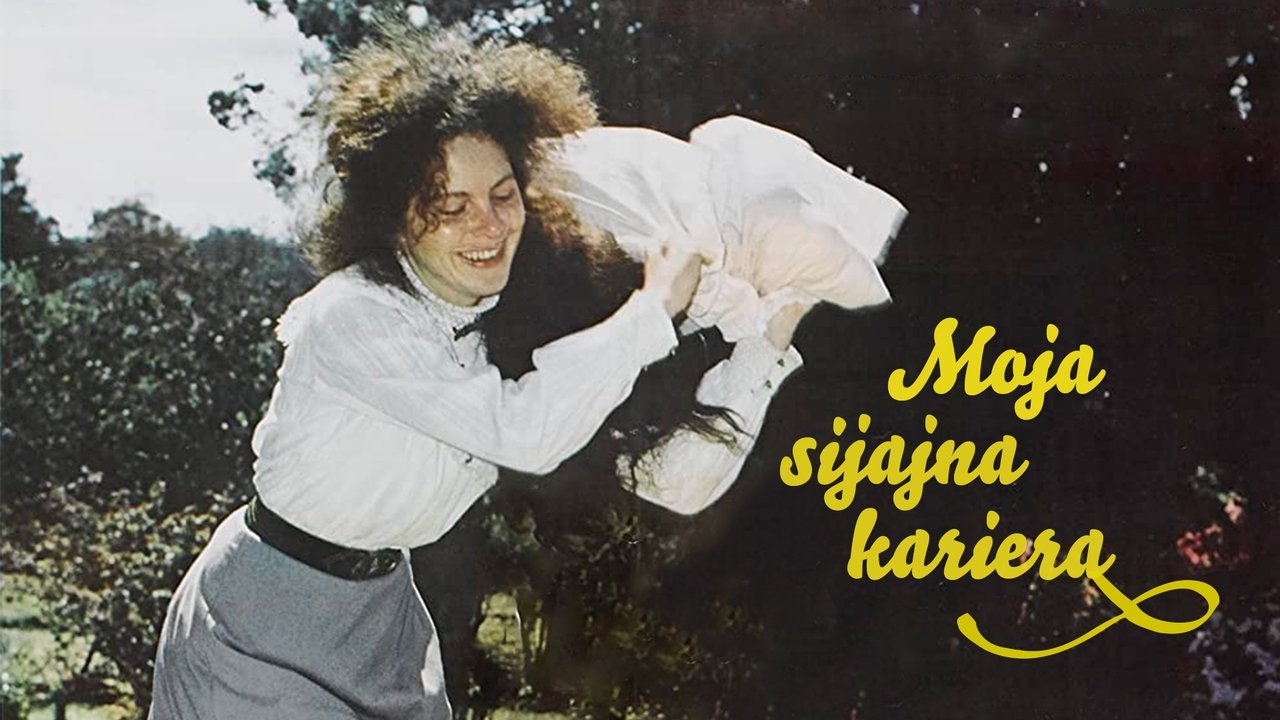
Judy Davis is simply electrifying. She doesn't just play Sybylla; she inhabits her contradictions – the yearning for love clashing with the fierce need for independence, the vulnerability beneath the bravado, the occasional cruelty born of frustration. It’s a performance devoid of vanity, full of sharp edges and sudden bursts of joyous energy (that iconic pillow fight!) or quiet despair. It’s no wonder this role launched her international career; it feels utterly authentic, a lightning strike captured on film.
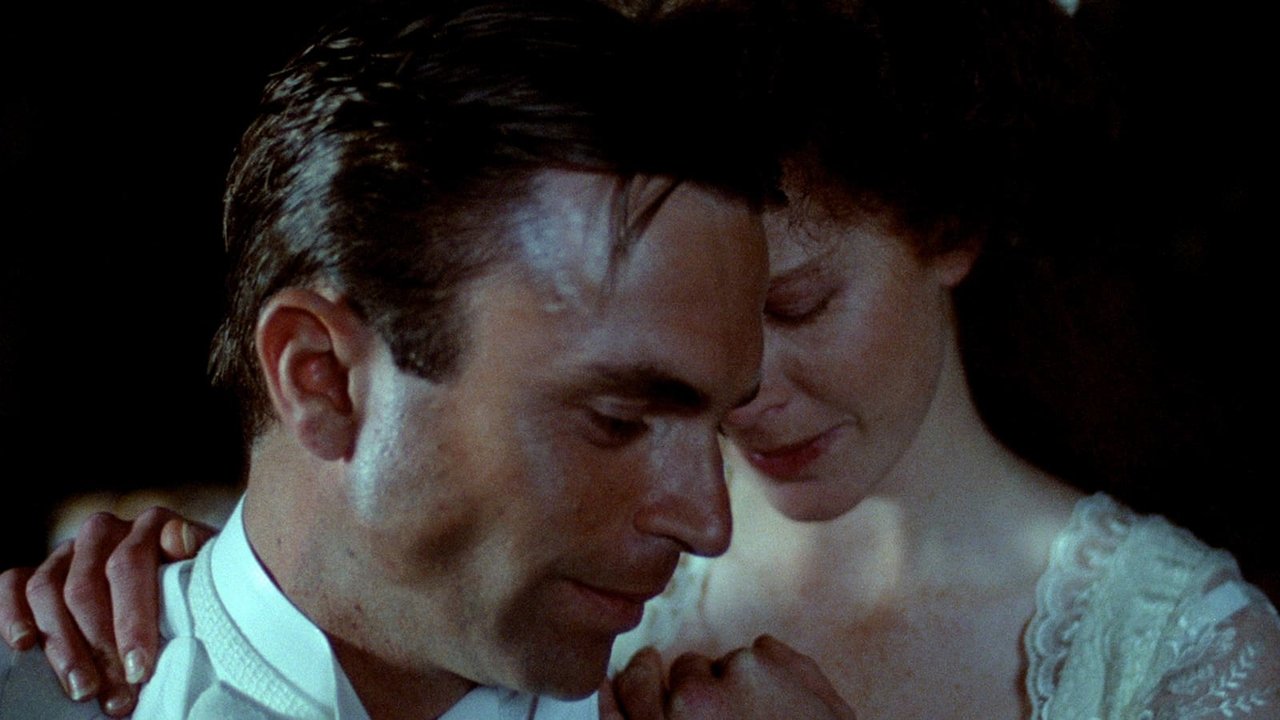
Sam Neill, himself on the cusp of stardom (audiences would soon see him in films like Omen III: The Final Conflict (1981) and later, of course, Jurassic Park (1993)), provides the perfect counterpoint. His Harry isn't a mere obstacle or prize; he’s a decent man genuinely drawn to Sybylla's uniqueness, yet understandably baffled by her resistance to the life he offers. Their scenes together crackle with unspoken tensions and possibilities, making Sybylla's ultimate choice feel genuinely weighty. The supporting cast, including Wendy Hughes as the sophisticated Aunt Helen, adds layers of nuance to the social tapestry Sybylla navigates.
### Capturing an Era, Crafting a Classic
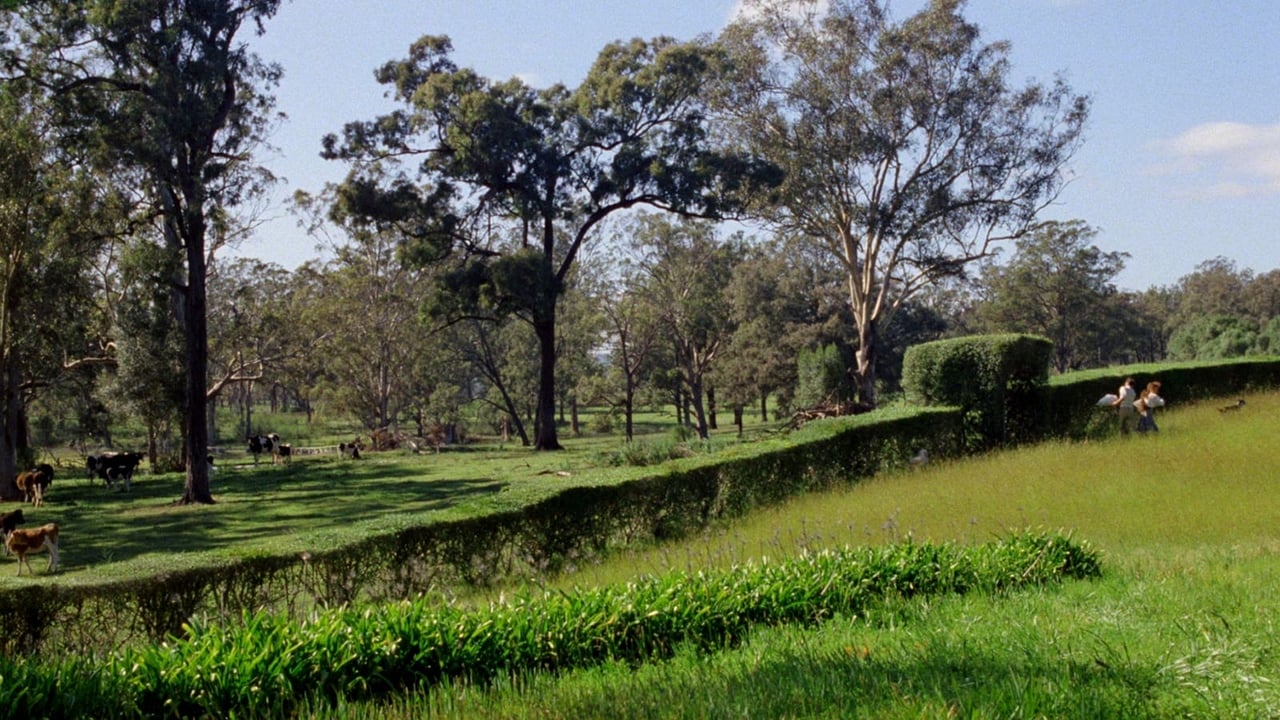
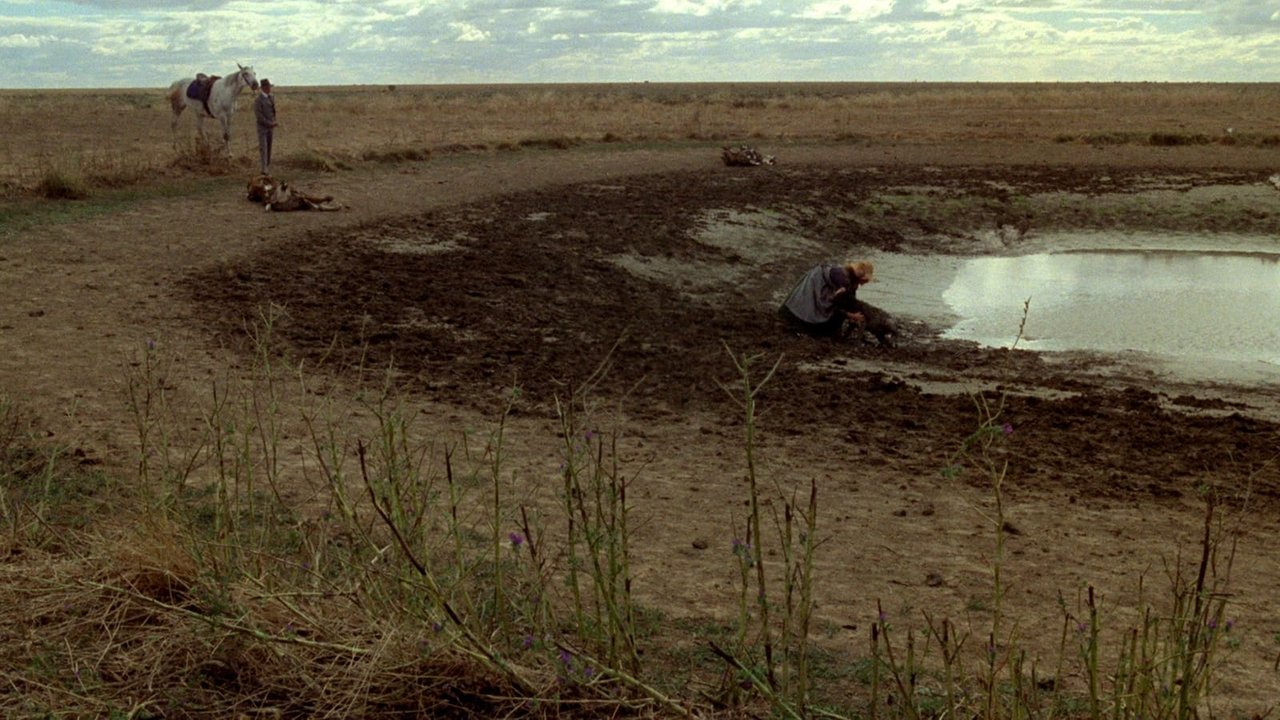
Gillian Armstrong, only 27 at the time, directs with astonishing confidence and sensitivity. She and cinematographer Donald McAlpine (who would later shoot Moulin Rouge! (2001)) masterfully capture both the harsh, sun-bleached beauty of the Australian landscape and the candle-lit intimacy of the period interiors. The landscape isn't just a backdrop; it reflects Sybylla's own untamed nature and the limitations placed upon her. There's a tangible sense of place and time, achieved not through grandiosity, but through attention to detail – the texture of fabrics, the quality of light, the sounds of the bush.
It’s worth remembering this was a key film of the Australian New Wave, a period of renewed energy and international recognition for Australian cinema. Made for a relatively modest budget (around AUD $900,000), its success, particularly its rapturous reception at the Cannes Film Festival, was a significant moment. It proved that stories centered on complex female characters, told with artistry and emotional honesty, could find a global audience. Eleanor Witcombe's screenplay brilliantly adapts Franklin's novel, preserving its spirit while streamlining the narrative for the screen. One fascinating tidbit is that Miles Franklin herself had initially refused permission for film adaptations during her lifetime, perhaps protective of her intensely personal story. It took persistent effort after her death to bring Sybylla's journey to the screen.
### The Lingering Question
My Brilliant Career isn't always an easy watch. Sybylla can be frustrating, even prickly. But her struggle feels profoundly real. The film doesn't shy away from the potential loneliness of her choice, nor does it romanticize the alternatives. It asks us to consider what truly constitutes a "brilliant" life. Is it love and security, or the relentless pursuit of one's own voice, even against the odds? Watching it again, that central question feels timeless. It’s a film that trusts its audience, offering depth and ambiguity rather than simple resolutions. It’s the kind of movie that lingers, prompting reflection long after the VCR whirred to a stop.
Rating: 9/10
This near-perfect score reflects the film's enduring power, driven by a landmark performance from Judy Davis, sensitive direction by Gillian Armstrong, and its intelligent, honest exploration of timeless themes. Its visual beauty, combined with its emotional depth, makes it a standout achievement of Australian cinema and a film whose central questions about ambition, love, and independence remain strikingly relevant.
It leaves you wondering not just about Sybylla's future, but about the paths we all choose, and the "brilliant careers" – whatever form they take – we strive to carve out for ourselves.