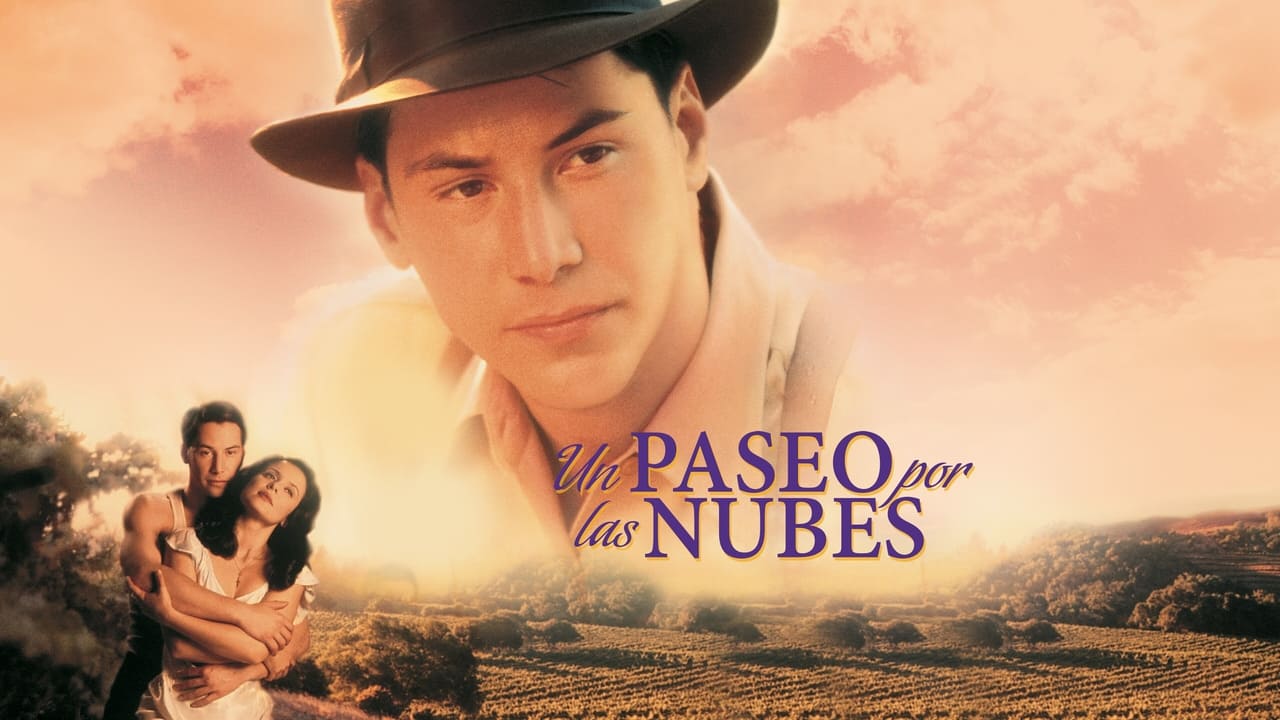
Sometimes, a film settles over you not with pyrotechnics or intricate plotting, but with the gentle warmth of late afternoon sun filtering through vine leaves. A Walk in the Clouds (1995) is precisely that kind of film – a deliberate throwback, an unapologetic dive into sweeping, old-fashioned romance that felt almost like a foreign language amid the irony-drenched landscape of mid-90s cinema. It arrived on video store shelves asking us to believe in chance encounters, grand gestures, and love blossoming under the watchful eyes of tradition, much like the classic Hollywood pictures it clearly adores.
A Chance Encounter, A Fateful Detour
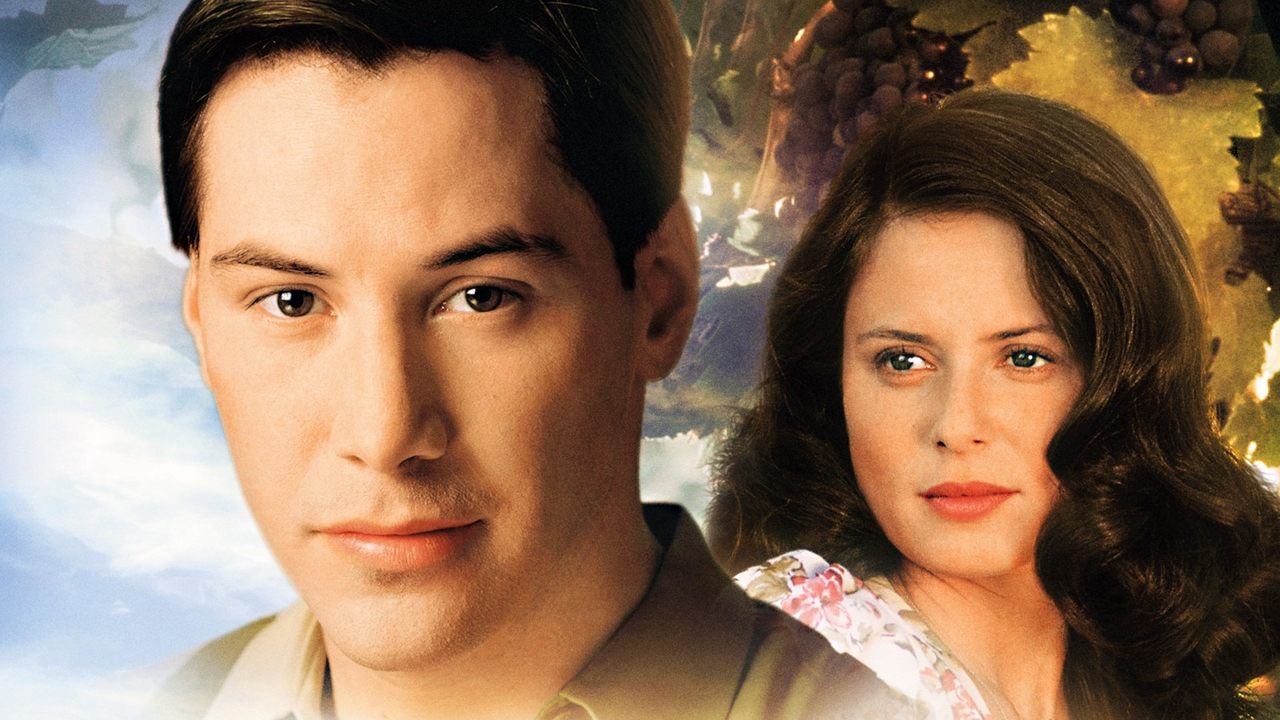
The premise feels plucked straight from melodrama's golden age. We meet Paul Sutton, played by Keanu Reeves, fresh off the adrenaline rush of Speed and stepping into decidedly different shoes. Paul is a returning WWII GI, haunted by the horrors he witnessed and disillusioned by a hasty wartime marriage that's lost all meaning back home. Selling chocolates door-to-door, his path crosses with the distraught Victoria Aragón (Aitana Sánchez-Gijón), daughter of a proud, traditional vineyard-owning family. She's pregnant, unmarried, and terrified of facing her stern father, Alberto (Giancarlo Giannini). In a moment of perhaps naive chivalry, Paul agrees to pose as her husband – just for one night, just to ease her arrival. Of course, fate, and the rhythms of the vineyard, have other plans.
This setup, let's be honest, requires a healthy suspension of disbelief. It's a plot built on convenient timing and impulsive decisions. Yet, director Alfonso Arau, who had recently captivated audiences with the magical realism of Like Water for Chocolate (1992), leans into the fairytale quality. He doesn't shy away from the heightened emotion; he embraces it, painting the Napa Valley setting (though much was filmed in other picturesque California wine locales like St. Helena and Sonoma) in strokes of impossible gold and amber light. It's a world meant to feel slightly outside of time, a sanctuary where wounded souls might just find healing.
Beneath the California Sun
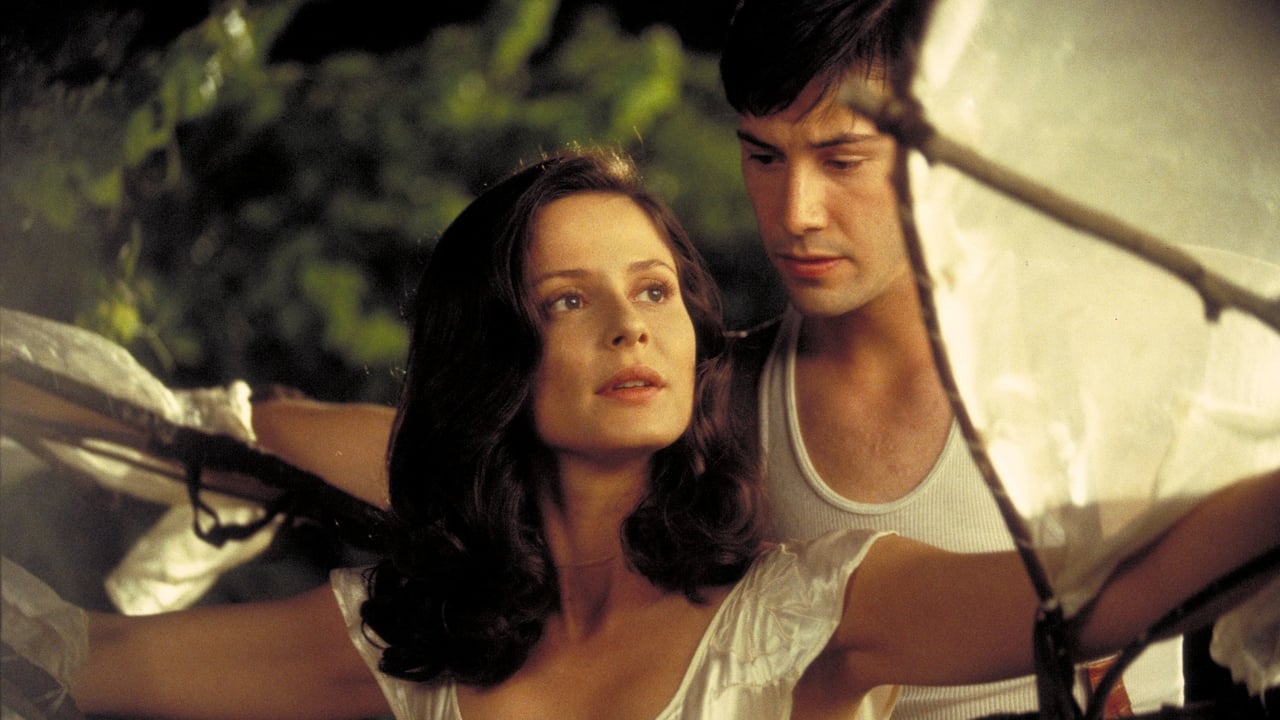
What truly elevates A Walk in the Clouds beyond its potentially syrupy premise is the palpable atmosphere Arau creates, aided immensely by Emmanuel Lubezki's gorgeous cinematography (before he became a multiple Oscar winner) and Maurice Jarre's lush, string-heavy score. The vineyard, Las Nubes ("The Clouds"), isn't just a backdrop; it's a character. You can almost smell the ripening grapes, feel the warmth radiating from the soil. Memorable scenes, like the community harvesting grapes or the almost mystical sequence where the family uses large fans (looking remarkably like butterfly wings) to ward off a killing frost, possess a visual poetry. That frost scene, by the way, wasn't just movie magic – it employed practical wind machines and smudge pots, vital tools grape growers actually use, lending a touch of authenticity to the romance. It’s a reminder of how practical effects could create such tangible beauty on screen back then.
The film is actually a remake of the 1942 Italian neorealist film Quattro passi fra le nuvole (Four Steps in the Clouds), but Arau infuses this version with a distinctly warmer, more romantic sensibility, trading grit for grandeur. The reported $20 million budget seems visible in the period details and the scale of sequences like the devastating vineyard fire towards the climax – a technically challenging scene involving controlled burns and careful choreography that provides the necessary dramatic crucible for our characters.
Hearts Laid Bare
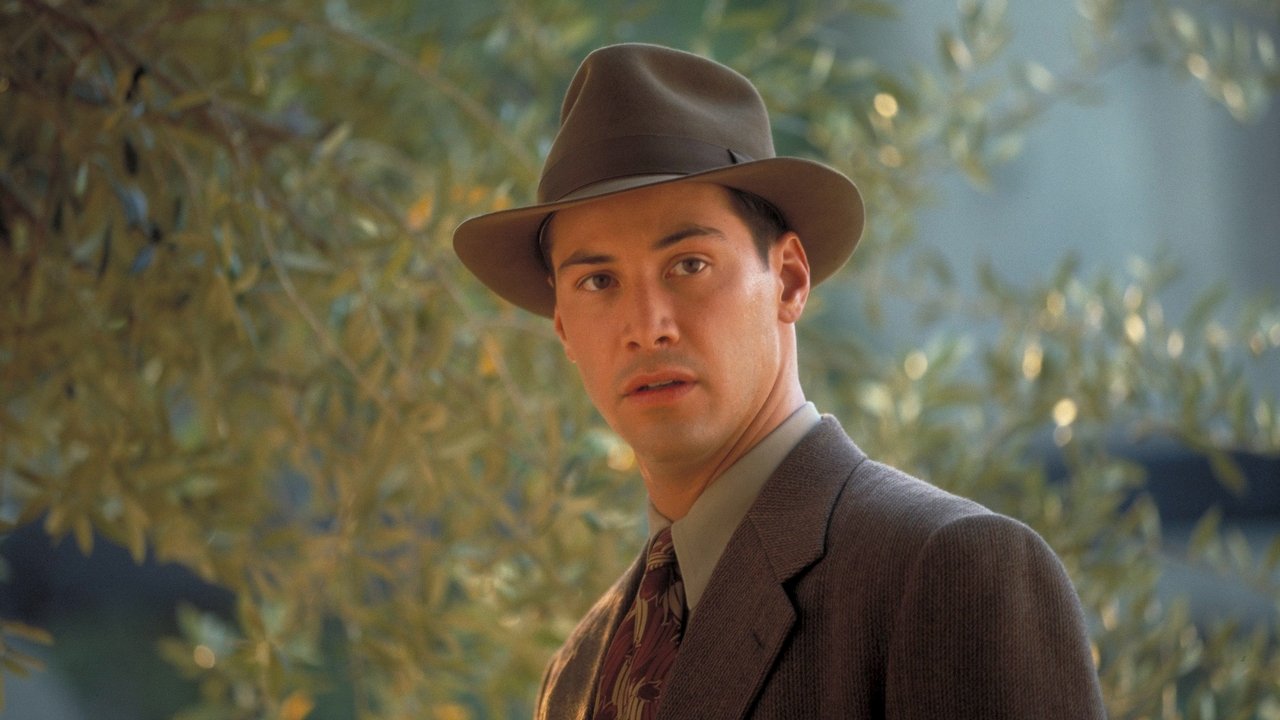
The performances are key to selling the story's emotional core. Keanu Reeves, cast somewhat against type, brings a quiet sincerity and innate decency to Paul. He’s a man carrying unspoken burdens, his stillness contrasting effectively with the more expressive Aragón family. While perhaps not his most nuanced role, his earnestness makes Paul’s fundamental goodness believable, which is crucial for the audience to invest in his impulsive decision. It was a gamble, perhaps, placing the era's emerging action hero into such a vulnerable, romantic lead, but it mostly pays off through his understated charm.
Aitana Sánchez-Gijón is luminous as Victoria, conveying both her desperation and her burgeoning strength as she navigates her family's expectations and her unexpected feelings for Paul. But the film arguably belongs to the legendary Anthony Quinn as Don Pedro, Victoria's grandfather. Quinn radiates warmth, wisdom, and a gentle understanding that pierces through the family's rigid traditions. His scenes with Reeves are the film's heart, offering moments of genuine connection and humor. Giancarlo Giannini, often playing suave characters, is formidable as the proud, initially unforgiving patriarch Alberto, embodying the weight of tradition Victoria strains against. The clash and eventual reconciliation within the family dynamic feel authentic, thanks largely to these seasoned performers.
Finding Shelter in Tradition and Romance
Watching A Walk in the Clouds today evokes a specific kind of nostalgia. It reminds me of browsing the "New Releases" wall at Blockbuster, looking for something transportive. In an era often defined by cynicism or spectacle, its earnest belief in love felt both refreshing and slightly quaint. It tackles themes of duty, honor, the scars of war, and the courage it takes to choose love over obligation. Doesn't that struggle between personal happiness and familial expectation still resonate? The film suggests that sometimes, the most radical act is simply choosing kindness and connection.
Of course, it’s not without its flaws. The pacing occasionally meanders, and the plot relies heavily on romantic tropes that feel familiar. Some dialogue might strike modern ears as overly sentimental. Yet, these are arguably features, not bugs, for a film aiming squarely at the heart, channeling the spirit of sweeping Hollywood romances from decades past. It earned a respectable $50 million at the box office, finding an audience clearly hungry for exactly this kind of sincere emotional storytelling.
Rating: 7/10
A Walk in the Clouds is a visually sumptuous, deeply felt romance anchored by strong performances, particularly from the legendary Anthony Quinn. While its plot follows a fairly predictable path and relies on classic romantic conventions, its earnestness, beautiful cinematography, and Alfonso Arau's magical touch create a genuinely moving experience. It earns its 7 for delivering exactly what it promises: a heartfelt, picturesque escape into a world where love, like the finest wine, can overcome even the most challenging circumstances.
It remains a lovely reminder from the VHS shelves – a film that dares to be unabashedly romantic, leaving you with a lingering sense of warmth and the image of golden light bathing the hopeful vines.