It begins with a sound – a voice of impossible range and purity, soaring through the opulent haze of 18th-century opera houses. That voice belongs to Carlo Broschi, better known as Farinelli, the most celebrated singer of his age, and the subject of Gérard Corbiau’s visually stunning and emotionally turbulent 1994 film, Farinelli. Watching it again after all these years, perhaps pulling that well-worn VHS tape off the shelf, feels less like revisiting a movie and more like unearthing a complex, strangely beautiful artifact from a time when historical epics dared to be this specific, this operatic, this unsettling.
A Gilded Cage of Sound
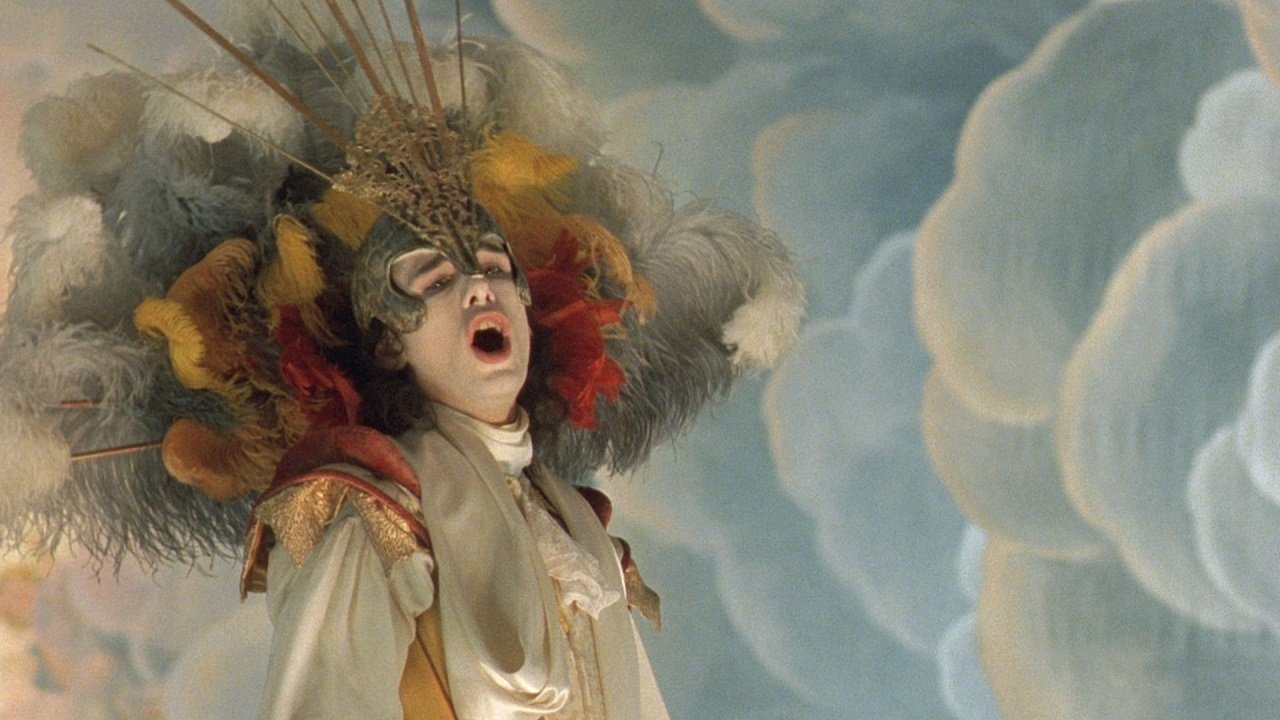
What strikes you immediately about Farinelli isn't just the story, but the overwhelming sensory experience Corbiau (Le maître de musique) crafts. The film drips with baroque extravagance: gilded theatres, flickering candlelight reflecting off silk and jewels, the almost suffocating richness of the era's aristocracy. Yet, beneath the spectacle lies a profound melancholy. We are introduced to Carlo (Stefano Dionisi) and his composer brother Riccardo (Enrico Lo Verso) not in triumph, but through the devastating act that shaped Carlo's destiny – his castration as a boy to preserve his angelic voice. This shadow hangs over the entire narrative, colouring Farinelli's fame with a constant sense of loss and exploitation. It raises a question that resonates even now: what price is too high for artistic perfection, especially when the artist themselves didn't truly choose the sacrifice?
The Voice That Never Was, Yet Is
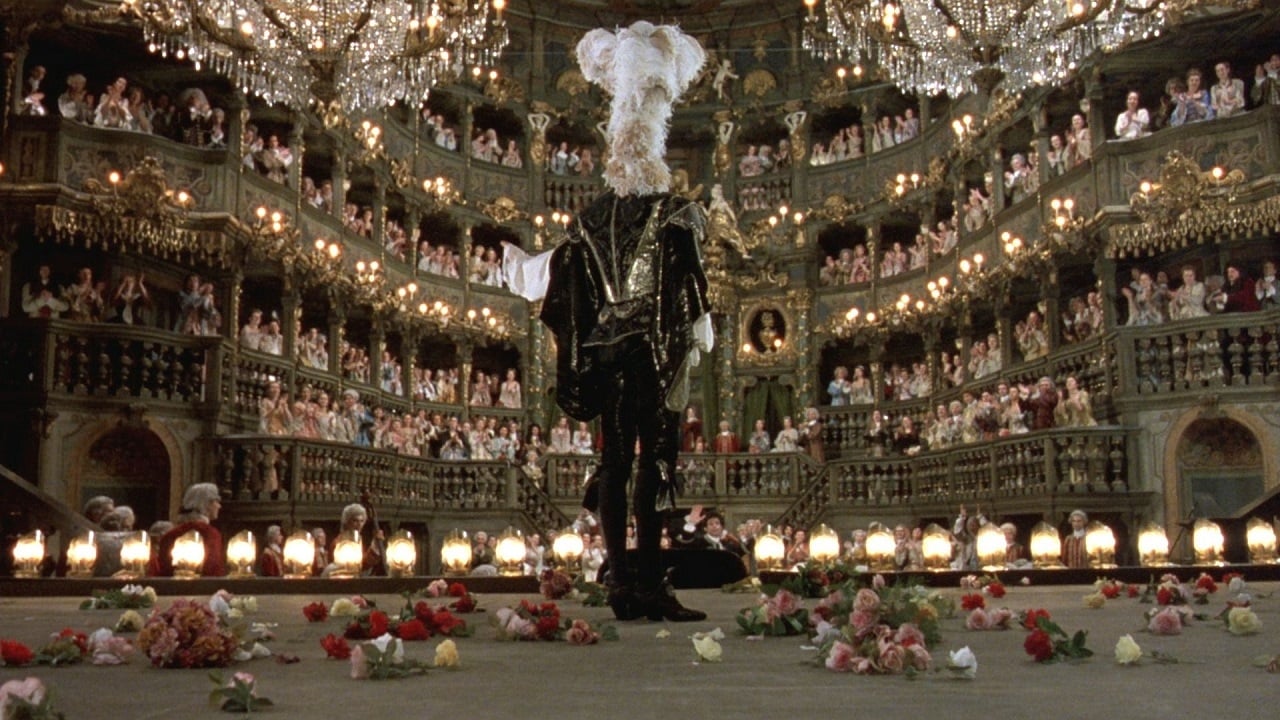
Central to the film's enduring power, and frankly its technical audacity for the mid-90s, is the recreation of Farinelli's legendary voice. History tells us his range spanned over three octaves, a feat impossible for any single singer today. The filmmakers achieved this sonic miracle through a painstaking digital process, seamlessly blending the voices of American countertenor Derek Lee Ragin and Polish coloratura soprano Ewa Malas-Godlewska. This wasn't just post-production trickery; it was a fundamental part of the storytelling. Hearing that synthesized, yet achingly real, voice emerge from Dionisi underscores Farinelli's unique, almost unnatural existence – a being engineered for beauty, forever set apart. It’s a piece of trivia, yes, but one that illuminates the core of the film: the intersection of artifice and profound human emotion. This groundbreaking sound design earned the film widespread acclaim, contributing significantly to its Golden Globe win for Best Foreign Language Film and its Academy Award nomination in the same category. It felt like something truly new emerging from the speakers of our old CRT TVs back then.
Brothers in Art and Anguish
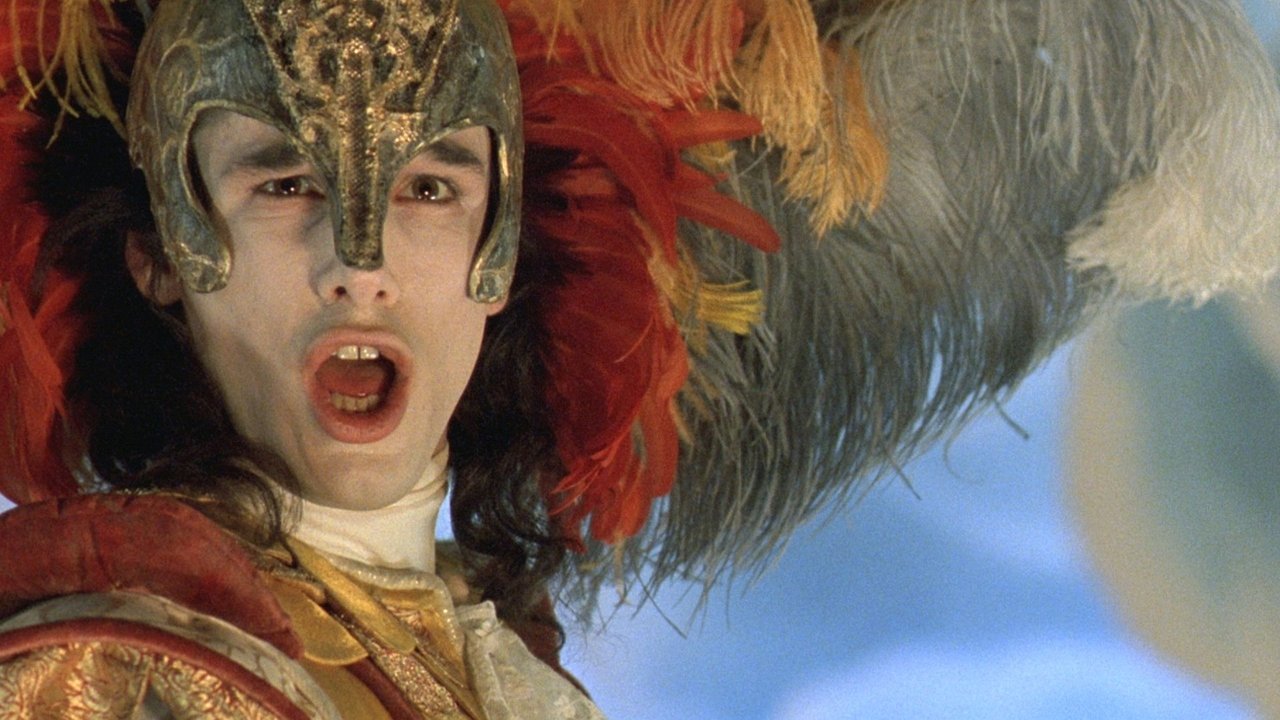
At its heart, Farinelli is a complex story about brotherhood. The relationship between Carlo and Riccardo is the film's turbulent engine. Riccardo, the less talented composer, lives vicariously through Carlo's phenomenal gift, writing music that only his brother can sing. Enrico Lo Verso portrays Riccardo with a compelling mix of fraternal love, gnawing jealousy, and desperate ambition. He’s both Carlo’s creator and his captor. Stefano Dionisi, in the title role, is simply captivating. Lip-syncing flawlessly to the complex vocal tracks, he conveys Farinelli's inner world through his expressive eyes and physicality – the loneliness behind the adulation, the yearning for a normalcy he can never attain, the flicker of rebellion against his brother's control. Their shared life, including the unsettling arrangement of sharing lovers, speaks volumes about their intense co-dependence and the era's blurred lines. It’s a performance that resonates with the quiet tragedy of a life lived in the public eye but shrouded in private sacrifice.
Beyond the Footlights: Ambition and Accuracy
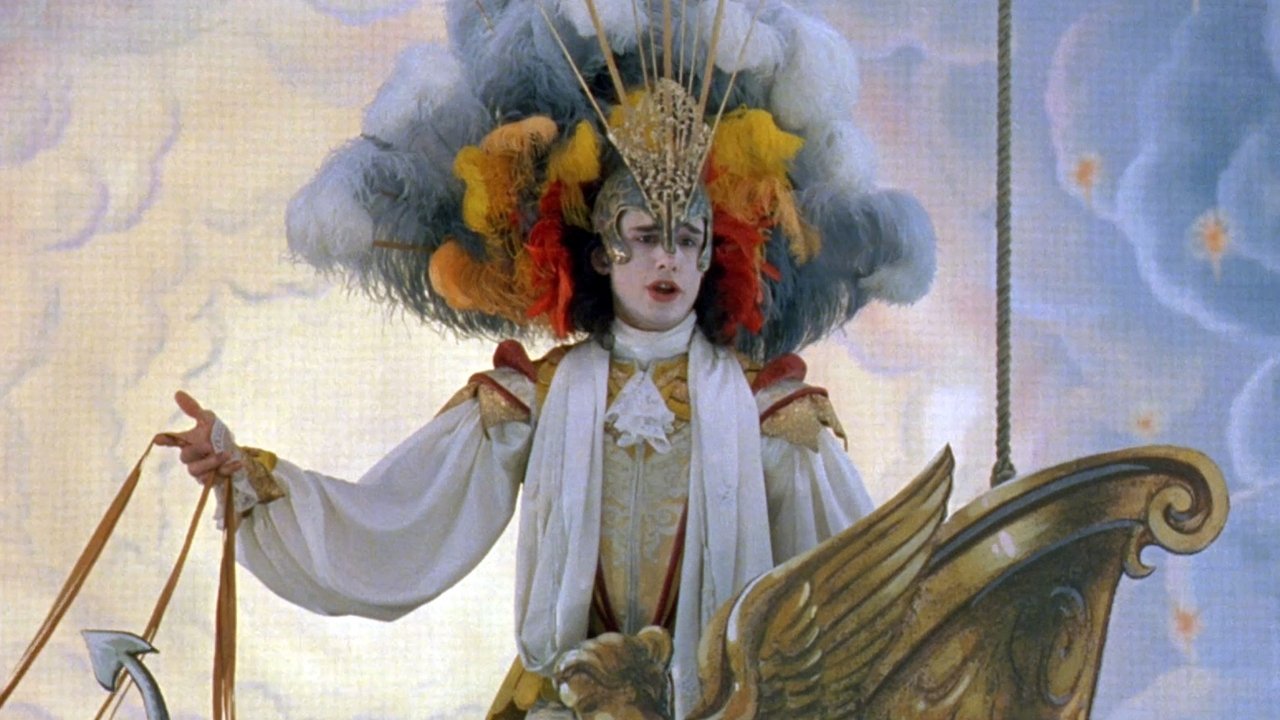
While visually sumptuous and emotionally powerful, it's worth noting Farinelli takes considerable liberties with historical fact, particularly in its portrayal of the rivalry with Handel (played with gravitas by Jeroen Krabbé, familiar from films like The Fugitive) and the specifics of the brothers' romantic entanglements. Corbiau wasn’t aiming for strict biography, but rather an operatic exploration of themes – fame, identity, exploitation, the consuming nature of art. The film uses history as a stage for a timeless human drama. Filmed in stunning historical locations like the Margravial Opera House in Bayreuth, Germany, and various Italian palaces, the production achieved a remarkable sense of scale and authenticity in its visuals, even on what was likely a modest budget compared to Hollywood epics. The reported budget was around $15 million USD, a significant sum for a European co-production at the time, but the visual return feels even greater.
The film found a dedicated audience on VHS, a stark contrast perhaps to the action blockbusters surrounding it on rental store shelves. It was the kind of discovery that made browsing those aisles so rewarding – something unexpected, visually rich, and thematically challenging. It wasn’t about explosions or car chases; it was about the power of a voice and the soul trapped behind it.
Final Reflection
Farinelli remains a potent piece of filmmaking. It’s a feast for the eyes and ears, anchored by compelling performances and a central technical achievement – the voice – that still impresses. It asks uncomfortable questions about the nature of genius, the sacrifices demanded by art, and the complex bonds of family. The film doesn't shy away from the darker aspects of its story, offering a portrait of fame that is as isolating as it is intoxicating.
Rating: 8.5/10
This score reflects the film's stunning audiovisual artistry, the strength of the central performances, and its bold thematic exploration. The sheer ambition of recreating Farinelli's voice and the evocative atmosphere Corbiau crafts are undeniable triumphs. The deduction primarily accounts for the historical inaccuracies which, while serving the dramatic narrative, slightly distance it from being a pure biographical account.
Farinelli lingers long after the credits roll, leaving you contemplating the echo of that impossible voice and the bittersweet beauty of a life devoted entirely to art, whether by choice or by fate.