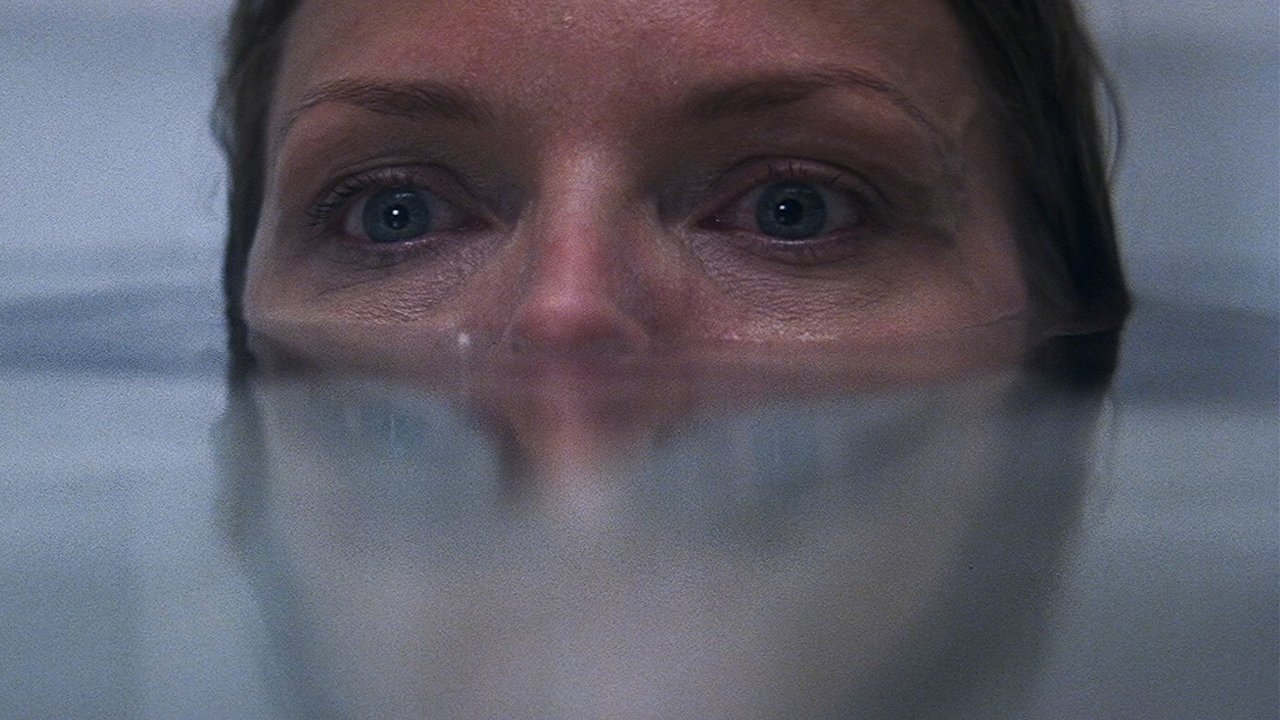
The surface shimmers, perfectly still, reflecting a life that seems idyllic. But disturb the water, just slightly, and the reflection distorts, hinting at the murky, unsettling truth hidden just below. That's the chilling entry point into Robert Zemeckis's 2000 spectral thriller, What Lies Beneath – a film that arrived at the turn of the millennium but felt like a throwback, a glossy, big-budget ghost story echoing Hitchcockian dread for the VCR generation that was just starting to transition to DVD.
Beneath the Perfect Facade
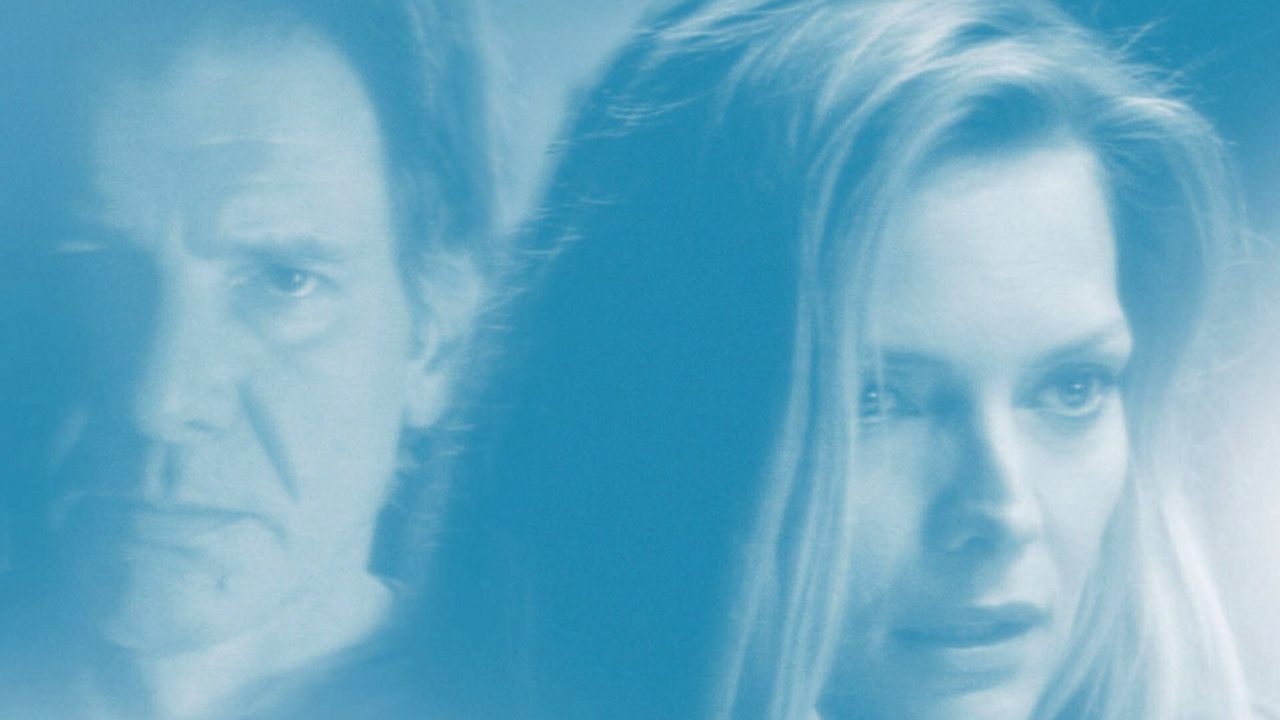
The setup is classic suspense: Claire Spencer (Michelle Pfeiffer, eternally captivating) lives in a picturesque Vermont lakeside home with her successful scientist husband, Dr. Norman Spencer (Harrison Ford, playing against his heroic type). With her daughter off to college, Claire finds herself increasingly isolated, her days punctuated by strange occurrences. Whispers on the wind? Doors opening on their own? A neighbour's apparent distress? It starts subtly, that creeping unease gnawing at the edges of domestic bliss. Is it just empty nest syndrome, grief over a past trauma manifesting as paranoia, or is something genuinely malevolent stirring in the house built on secrets?
Zemeckis, taking a fascinating detour between the expansive Forrest Gump (1994) and the survival epic Cast Away (also 2000 – he famously filmed this during the break while Tom Hanks underwent his physical transformation), crafts a deliberate slow burn. He leans heavily into atmosphere, using the sprawling, isolated house – designed specifically for the film by Rick Carter and Jim Teegarden – almost as a character itself. The mist rolling off the lake, the creaks and groans of the old structure, the way light and shadow play across its rooms… it all builds a palpable sense of claustrophobia and dread. The screenplay, penned initially as a spec script by none other than Clark Gregg (long before he became Agent Coulson!), understands the power of suggestion.
Echoes of the Master
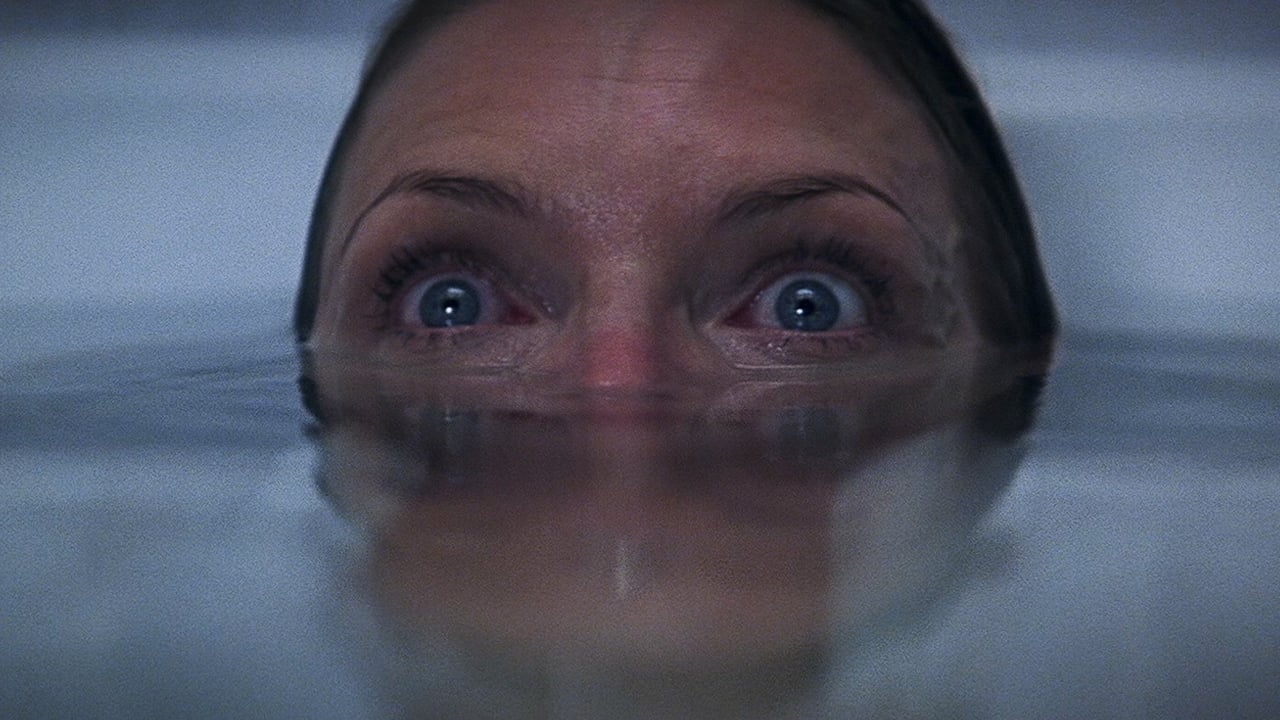
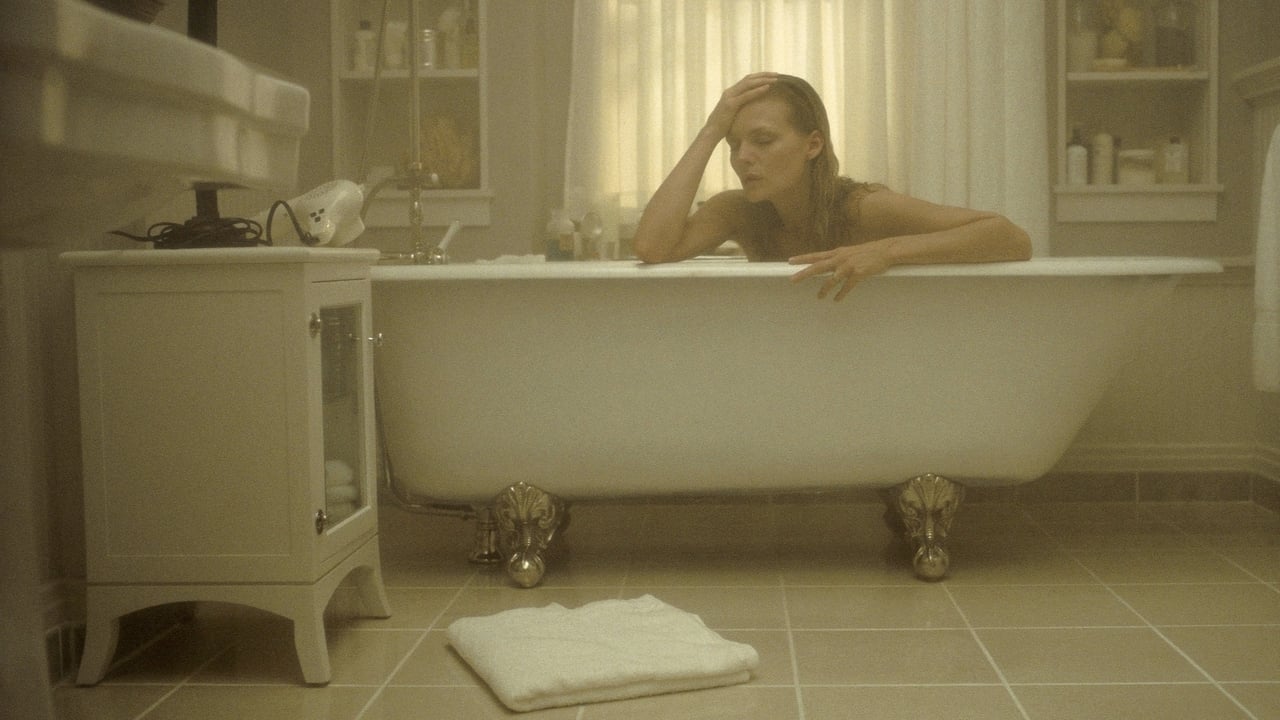
The film wears its influences proudly, most notably Alfred Hitchcock. There are clear nods to Rear Window (1954) in Claire's voyeuristic suspicion of her neighbours, and the infamous bathtub sequence feels like a direct, terrifying homage to Psycho (1960). But What Lies Beneath isn't mere imitation. Zemeckis uses these familiar tropes as foundations, building his own brand of suspense that relies on Pfeiffer's incredibly nuanced performance. Her portrayal of escalating fear, self-doubt, and eventual resolve is the anchor. We experience the haunting through her, questioning her sanity right along with her, making the eventual reveals all the more impactful. Doesn't her vulnerability feel utterly convincing, even when things seem most unbelievable?
Ford, meanwhile, delivers a performance that cleverly subverts his established persona. He's the charming, slightly distracted husband, initially dismissive of Claire's fears. Seeing Indiana Jones or Han Solo inhabit this role adds another layer of unease – can we truly trust this familiar face? It was a gamble for Ford, who reportedly took a significant pay cut ($10 million instead of his usual $20 million) because he was intrigued by the script and the chance to work with Zemeckis and Pfeiffer.
Retro Fun Facts: Ghostly Production
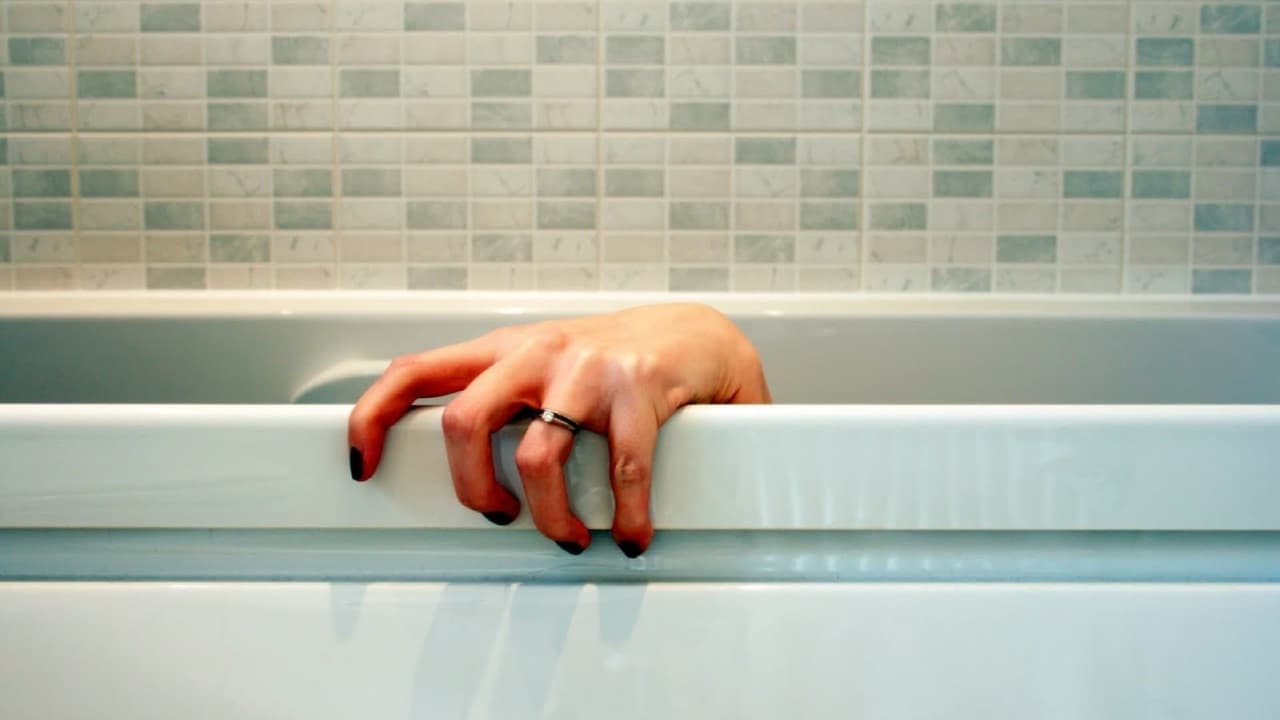
Crafting the film's signature chills wasn't without its challenges. The genuinely unsettling bathtub sequence required intricate planning and effects work, blending practical elements with CGI enhancement (a relatively newer tool being refined at the time) to achieve that seamless, terrifying paralysis. The underwater scenes, filmed in a large tank, demanded intense work from Pfeiffer, adding to the physical and emotional toll of her performance. Composer Alan Silvestri, a frequent Zemeckis collaborator (Back to the Future, Forrest Gump), provides a score that perfectly mirrors the film's mood – shifting from melancholic beauty to jarring, nerve-shredding dissonance. It's the kind of score that burrows under your skin. Remember hearing those strings swell right before a jump scare? It was practically an art form.
The Vermont setting, while beautiful, also contributes to the isolation. Principal photography took place around Lake Champlain, using the landscape to enhance the feeling of being cut off, surrounded by secrets both natural and supernatural. This film felt like a throwback even in 2000 – a major studio investing heavily ($100 million budget, reaping nearly $300 million worldwide) in an adult-oriented supernatural thriller with A-list stars, something that felt more common in the late 80s or early 90s than at the dawn of the blockbuster franchise era.
The Lingering Chill
While perhaps not reaching the iconic heights of the Hitchcock films it references, What Lies Beneath remains a remarkably effective thriller. It masterfully builds suspense, delivers some genuinely startling moments (that mirror scene!), and hinges on two powerhouse performances navigating a web of deceit and the supernatural. It taps into primal fears – the fear of the unknown, the fear of not being believed, and the terrifying possibility that the greatest danger lies closest to home. It might feel a touch predictable in places now, in our post-Sixth Sense world, but the execution is so slick, so atmospheric, that it still draws you in. I distinctly remember renting this, expecting perhaps a straightforward haunted house flick, and being completely gripped by its psychological twists and turns. It felt substantial, a ghost story with weight.
Rating: 8/10
What Lies Beneath earns its score through masterful suspense-building, committed performances from Pfeiffer and Ford playing brilliantly against type, and Zemeckis's confident, atmospheric direction. The Hitchcockian homages are well-integrated, and the film delivers memorable chills that rely more on tension and psychology than gore. While the plot might have a few convenient turns typical of the genre, its overall effectiveness as a glossy, adult supernatural thriller is undeniable. It stands as a potent reminder of a time when major studios weren't afraid to invest in scares aimed squarely at grown-ups, leaving a chill that lingers long after the credits roll.