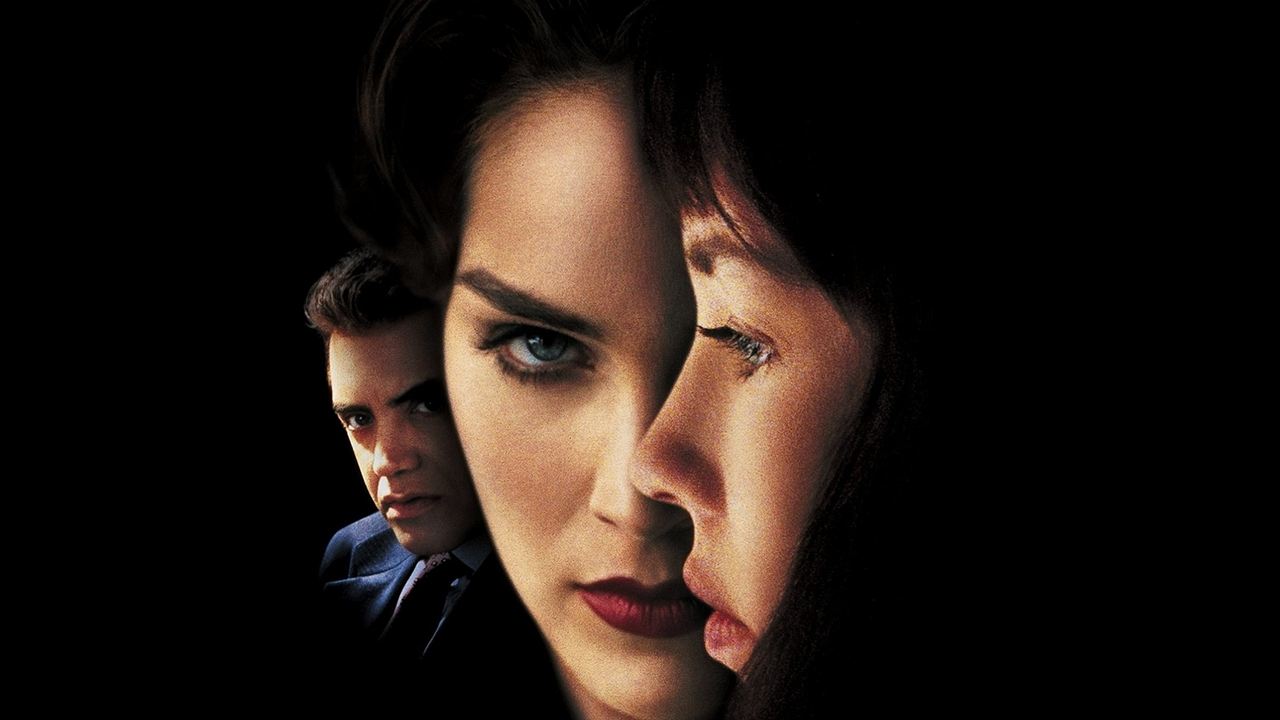
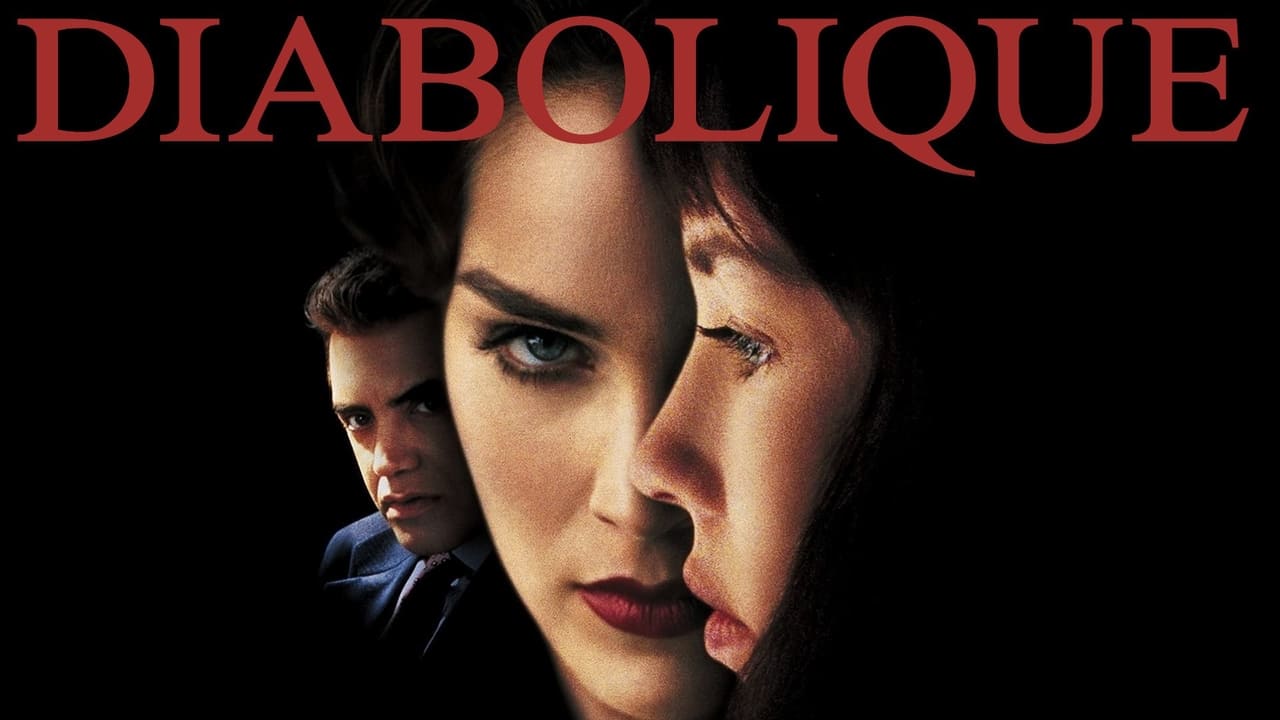
Stepping into the murky waters of a remake is always a perilous journey, especially when the original is Henri-Georges Clouzot's stone-cold 1955 masterpiece, Les Diaboliques. Yet, in 1996, director Jeremiah S. Chechik – previously known for lighter fare like National Lampoon's Christmas Vacation (1989) – took the plunge with Diabolique. Plucked from the “New Releases” shelf back in the day, the VHS box art alone, often featuring the magnetic intensity of its stars, promised a slick, dark slice of 90s psychological thriller. But could it ever escape the long, chilling shadow of its predecessor?
An Unholy Alliance
The setup remains brutally effective, drawn from the same poisoned wellspring of Pierre Boileau and Thomas Narcejac's novel (Celle qui n'était plus – "She Who Was No More"). In a dilapidated, morally bankrupt boys' school outside Pittsburgh, two women orbit the same monstrous man: Guy Baran (Chazz Palminteri), the school's cruel and abusive headmaster. His frail, devoutly Catholic wife Mia (Isabelle Adjani) and his tough, pragmatic mistress Nicole Horner (Sharon Stone) live under the same decaying roof, united only by their shared suffering at his hands. They concoct a seemingly perfect plan to rid themselves of their tormentor, staging an "accidental" drowning. But when the body disappears from its watery hiding place, paranoia, guilt, and the chilling possibility that Guy might not be dead after all begin to consume them. The oppressive atmosphere of the school – all peeling paint, grime-filled swimming pool, and echoing corridors – serves as a fitting backdrop for their unraveling sanity.
Echoes and Alterations
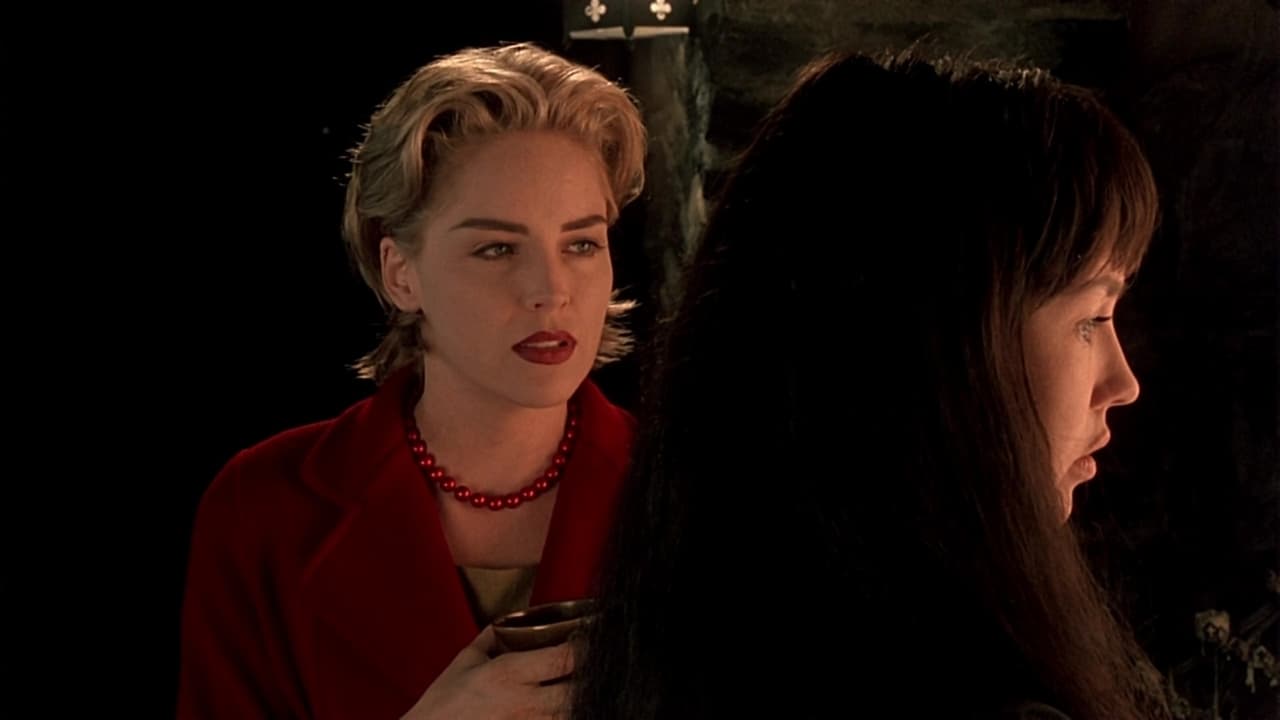
Clouzot’s original is legendary, a film Hitchcock himself envied (he famously tried and failed to acquire the novel's rights). It’s a masterclass in sustained dread, culminating in one of cinema’s most iconic and terrifying reveals. This 1996 version, penned by Don Roos (who would later give us the sharp-tongued The Opposite of Sex), streamlines things, adds a layer of 90s gloss, and crucially, amps up the star power. Sharon Stone, riding high on her Basic Instinct (1992) fame, brings an icy, almost calculating edge to Nicole, a stark contrast to Simone Signoret's weary resignation in the original. Isabelle Adjani, a powerhouse actress known for her intense roles (like in Possession from 1981), embodies Mia's fragility with wide-eyed terror, though her performance feels almost spectral, haunted. Chazz Palminteri is suitably loathsome as Guy, radiating brutish menace. The casting itself was reportedly fraught with tension; rumors swirled of friction between the two female leads on set. While such conflict could potentially fuel on-screen chemistry, here it sometimes feels like watching two different performance styles occupy the same uneasy space.
A 90s Noir Veneer
Where Clouzot crafted timeless black-and-white dread, Chechik delivers a distinctly 90s thriller aesthetic. The cinematography captures the decay, but filters it through a lens that feels more commercially polished than truly unsettling. Randy Edelman's score hits the expected suspenseful beats but lacks the insidious creep of the original's soundscape. This Diabolique leans into a certain steamy, almost overheated noir sensibility, particularly in the dynamic between Stone and Adjani. It works on its own terms as a piece of glossy 90s suspense, generating moments of genuine tension derived from the plot's inherent mechanics – the fear of discovery, the bumps in the night, the growing distrust between the conspirators. Look out too for a small but memorable turn from Kathy Bates as a sharp-eyed private investigator, adding a welcome touch of grounded cynicism. The film reportedly cost around $45 million, a significant sum banking on its stars, but it struggled to connect with audiences, grossing only around $17 million domestically – perhaps indicating that viewers weren't quite ready for this particular update.
The Infamous Twist (Spoiler Alert!)
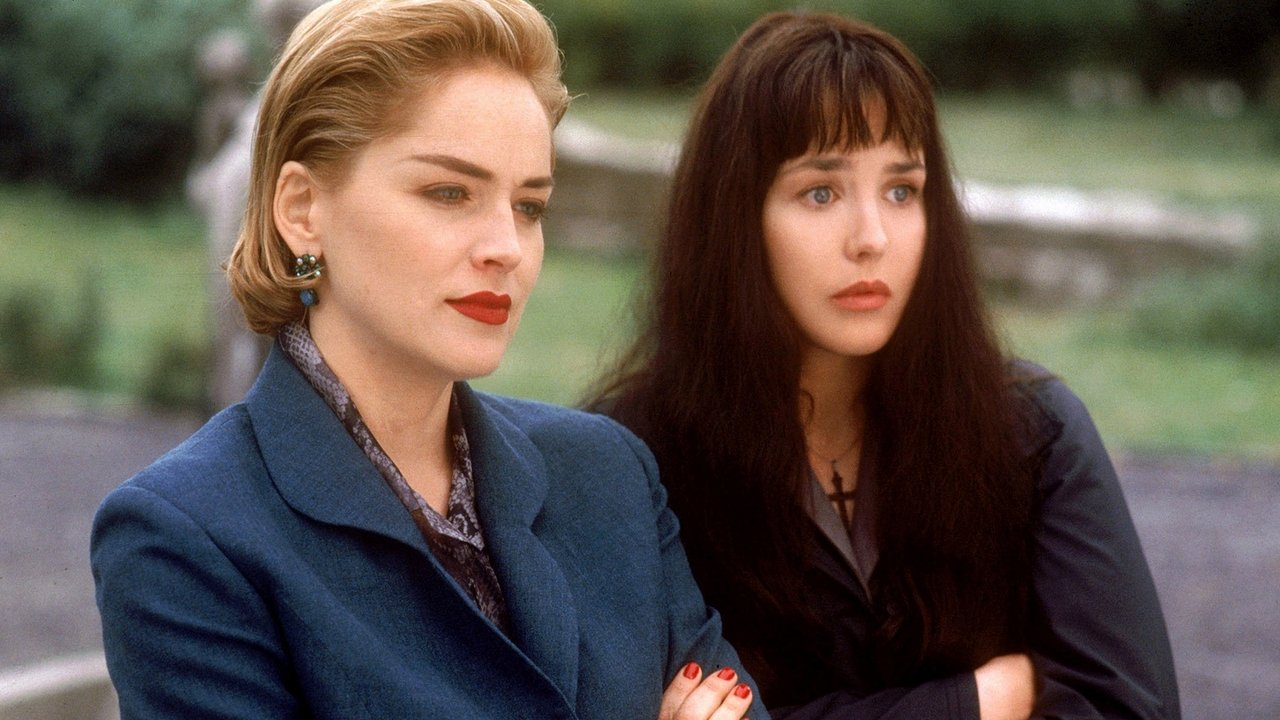
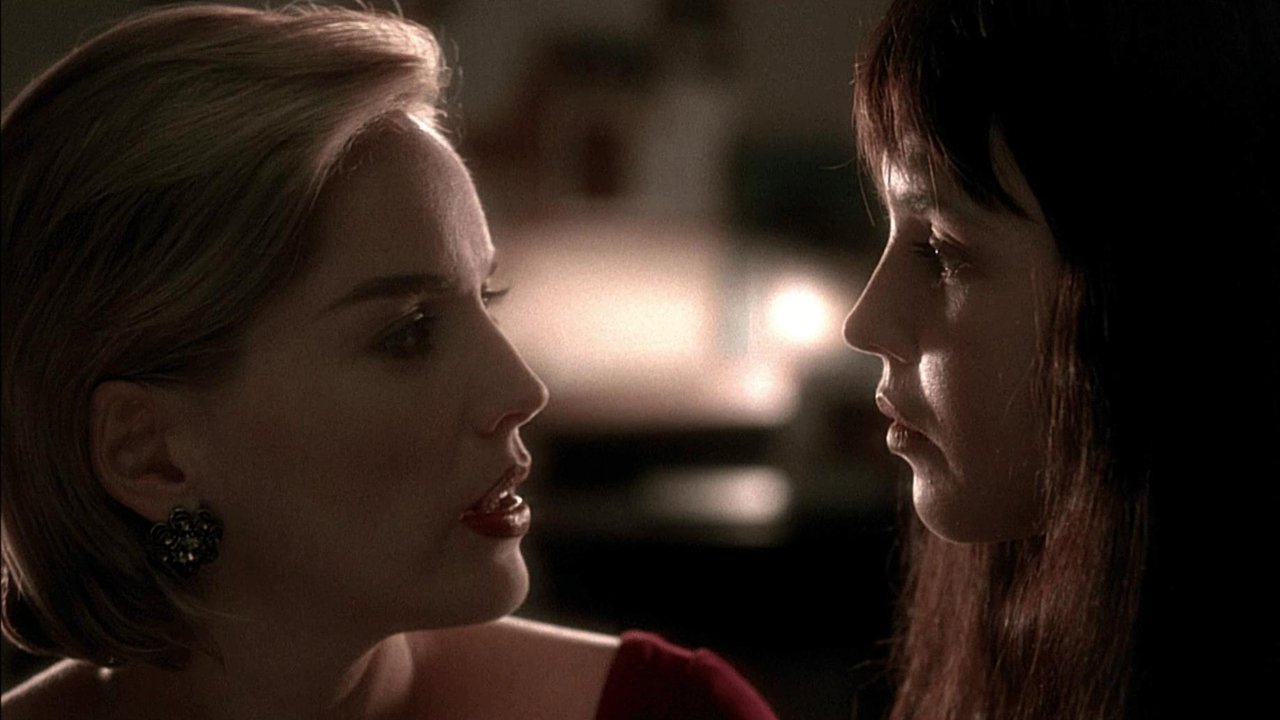
And then there's the ending. For anyone familiar with the 1955 film, the biggest deviation – and arguably the remake’s most fatal flaw – lies in its altered climax. Clouzot’s ending is a ruthless gut-punch, offering no solace. The 1996 version opts for a more conventional, action-oriented resolution that feels… well, safer. It introduces a different motivation and a final confrontation that aims for shock but ultimately dilutes the chilling psychological horror of the original concept. It’s a change that transforms the story from a terrifying exploration of guilt and manipulation into something more akin to a standard revenge thriller. Did that twist genuinely shock you back in the day, or did it feel like a compromise? For many fans of the original, it felt like pulling the rug out from under the story's dark heart.
Final Frame: A Flawed Reflection
Watching Diabolique (1996) today is an interesting experience. It’s a reminder of that specific brand of mid-90s star-driven thriller – glossy, occasionally intense, but often lacking the grit or nerve of its inspirations. It boasts strong production values for the era, two compelling (if perhaps mismatched) lead actresses, and a premise that remains inherently fascinating. However, it can't escape comparison to its near-perfect source material, and the altered ending significantly lessens its impact. I distinctly remember renting this tape, drawn in by the cast and the promise of dark thrills, and feeling… slightly unsatisfied, even then. It wasn't bad, but it wasn't the bone-chilling classic its name evoked.
VHS Heaven Rating: 5/10
Justification: The film gets points for its star power (Stone, Adjani, Palminteri), the inherently strong premise borrowed from a masterpiece, and its competent execution as a 90s thriller with some atmospheric moments in the decaying school setting. However, it loses significant points for failing to capture the original's terrifying dread, the sometimes uneven chemistry between the leads (possibly linked to rumoured on-set friction), and most critically, the fundamentally altered and less impactful ending that feels like a concession to mainstream tastes. It’s a fascinating artifact of 90s Hollywood remakes, watchable but ultimately a pale reflection.
It remains a curious piece of VHS-era history – a slick, star-studded attempt to recapture lightning in a bottle, proving just how difficult it is to improve upon, or even equal, cinematic perfection.