The thin walls of city living. We’ve all been there, haven’t we? The muffled arguments, the inexplicably loud music at 3 AM, the footsteps pacing overhead like a caged animal. But what if the nuisance bleeds into something truly malevolent? What if the anonymous neighbor isn't just annoying, but actively hostile, turning your sanctuary into a source of escalating dread? 1999's The 4th Floor takes this primal urban anxiety and twists it into a tight, often unnerving knot of paranoia, a perfect late-night rental discovery from the tail-end of the VHS boom.
Inheriting Unease
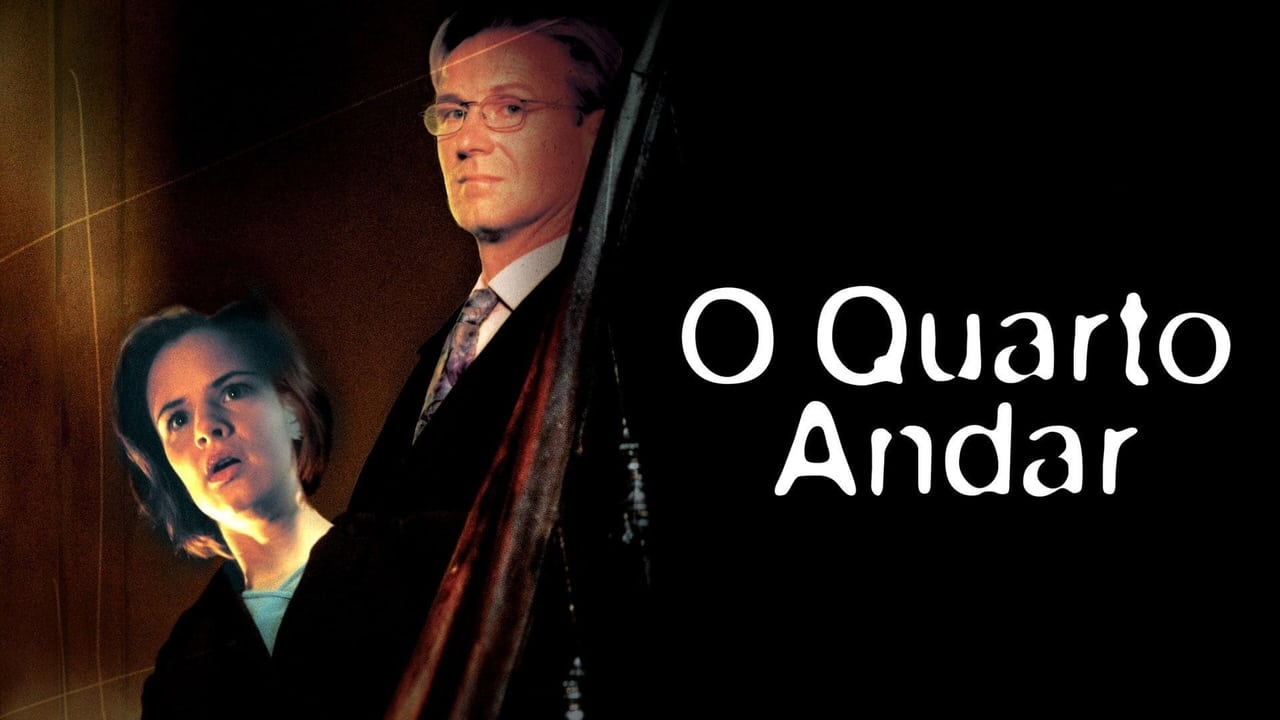
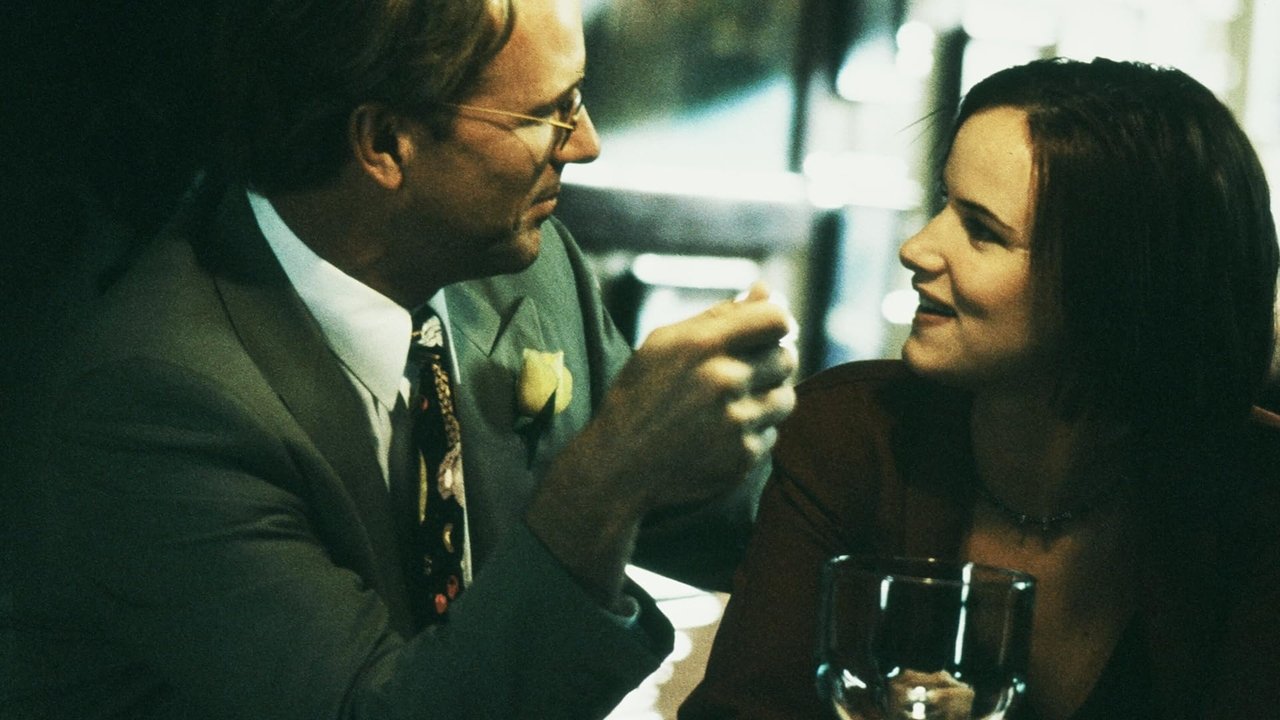
The film drops us into the life of Jane Emelin (Juliette Lewis), an interior decorator inheriting a sprawling, rent-controlled New York City apartment after her aunt's mysterious fatal fall from the balcony. It seems like a dream, a slice of affordable space in the urban jungle, complete with her devoted, slightly older boyfriend, Greg Harrison (William Hurt), helping her settle in. But the dream quickly sours. Jane receives cryptic, increasingly threatening notes demanding she keep quiet, supposedly from the tenant directly below on the 4th floor. Minor annoyances – loud banging, sudden infestations of rats and maggots – rapidly escalate into outright psychological warfare, orchestrated by an antagonist she never sees.
Lewis on Edge

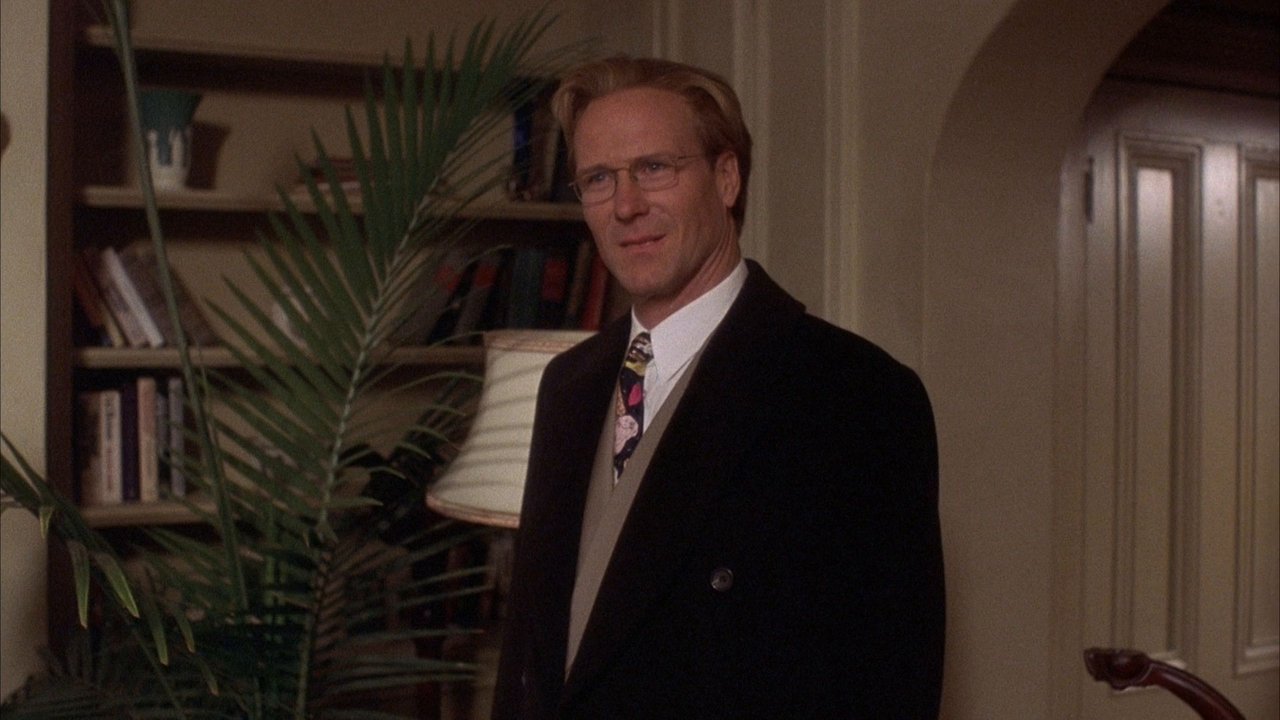
Juliette Lewis, already a powerhouse of raw nerve in films like Natural Born Killers (1994) and Cape Fear (1991), is perfectly cast as Jane. She embodies the character's fraying sanity with a conviction that anchors the film. We watch her initial disbelief curdle into frantic fear and then into a desperate, almost feral determination. Lewis makes Jane's mounting terror palpable; her wide eyes darting towards every creak and groan of the old building become our own. It’s a performance that carries the film through some of its more predictable turns, reminding us why she was such a distinctive presence in 90s cinema. Opposite her, William Hurt (Broadcast News, Body Heat) lends his characteristic thoughtful gravity to Greg, the seemingly supportive partner whose calm demeanor occasionally feels just a bit too controlled. Is he a rock, or is there something else simmering beneath that composed surface?
A Symphony of Creaks and Whispers
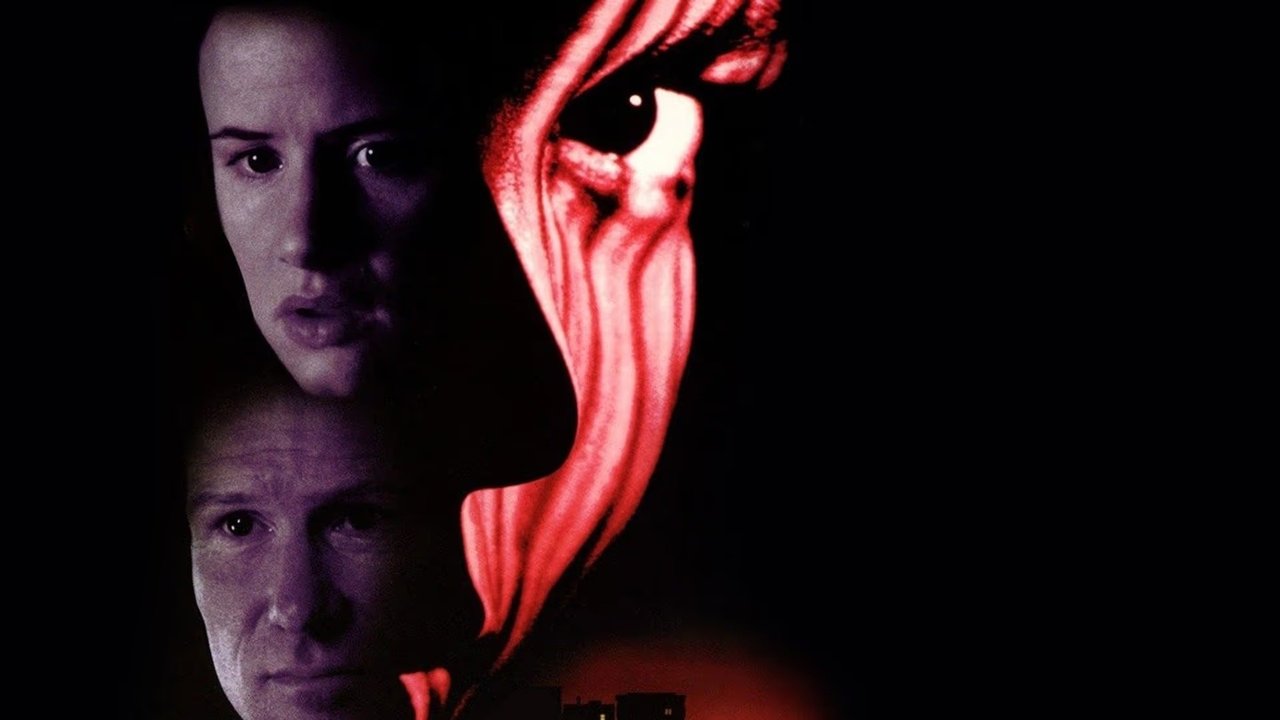
Writer-director Josh Klausner, making his directorial debut here before going on to script bigger comedies like Shrek the Third and Date Night, understands the power of the unseen. Much of the tension relies not on jump scares, but on sustained atmosphere and sound design. The apartment building itself becomes a character – all shadowy hallways, aging fixtures, and unsettling silence punctuated by sudden, jarring noises from below. The genius, and perhaps the budget-necessitated constraint, lies in keeping the antagonist almost entirely off-screen for most of the runtime. This forces Jane, and the audience, into a state of heightened paranoia where every neighbor becomes a potential suspect. The camera often lingers on vents, cracks in the floor, and the ominous space beneath the door, transforming mundane architecture into portals of potential threat.
That Unmistakable Duvall Presence
And then there’s Martha Stewart. No, not that one. Shelley Duvall, forever etched into our minds by her harrowing turn in The Shining (1980), appears here as the bizarre, lock-obsessed neighbor across the hall, also named Martha Stewart (a strange coincidence the film seems to wink at). It was one of Duvall's final feature film roles, and her presence adds a distinct layer of quirky unease. Is she just an eccentric busybody, a victim herself, or somehow complicit in the nightmare unfolding? Her performance is brief but memorable, a welcome flash of oddity in the claustrophobic tension. Rumor has it the script initially played up the name similarity even more, adding another layer of weirdness to this late-90s concoction.
Retro Fun Facts: Behind the Dread
- The 4th Floor largely bypassed theaters in the US, becoming a staple of the direct-to-video market – exactly the kind of thriller you’d gamble on during a Friday night trip to Blockbuster.
- The film leans heavily into practical effects for its gross-out moments, particularly the infestations. One can only imagine Juliette Lewis's reaction on set when confronted with hordes of rats (real or otherwise) – her visceral performance certainly sells the horror.
- Filmed primarily on location in New York City and Canada (Saint John, New Brunswick standing in for NYC exteriors), the movie captures that specific late-90s urban aesthetic – slightly gritty, pre-Giuliani cleanup in feel, even if filmed later.
- The central "mystery neighbor" conceit allows for maximum suspense on what was likely a modest budget, focusing psychological tension over elaborate set pieces.
Does the Foundation Hold?
The 4th Floor isn't without its flaws. Some plot developments feel convenient, and the eventual reveal might strike some viewers as slightly underwhelming or predictable after the sustained build-up. Doesn't that final confrontation feel a little rushed, perhaps? Yet, the journey there is remarkably effective. Klausner crafts a genuinely creepy atmosphere, leveraging the universal fear of unsafe living spaces and hostile neighbors. Lewis’s committed performance keeps you invested, even when the script occasionally wobbles. It taps into that specific brand of late-90s thriller – less overtly stylish than some, more focused on contained, psychological dread. It might not have the reputation of Single White Female (1992) or Pacific Heights (1990), but it shares their DNA, exploring the terror that can lurk just one floor away.
Rating & Final Thought:
6.5/10 – The score reflects a genuinely tense and atmospheric apartment thriller anchored by a strong central performance from Juliette Lewis. It effectively builds paranoia and uses its limited setting well, making great use of sound design. Points are deducted for a somewhat predictable third act and a few convenient plot mechanics, but it overcomes these enough to be a worthwhile watch. It successfully evokes that specific late-90s direct-to-video dread.
For fans of claustrophobic thrillers and Juliette Lewis completists, The 4th Floor is a solid slice of late-VHS-era paranoia. It’s a reminder that sometimes the most terrifying monsters are the ones you can hear but never see, lurking just beyond the floorboards. A perfect unsettling watch for a quiet, lonely night.