Okay, fellow travellers through the magnetic tape twilight, let's dim the lights and slide a well-worn cassette into the VCR. Tonight, we're revisiting a razor-sharp slice of Italian horror that positively gleams with modernist dread and arterial spray: Dario Argento's 1982 giallo masterpiece, Tenebrae. Forget the gothic cobwebs of some of his earlier work; this is horror bleached bone-white by the Roman sun, only to be violently splattered crimson.
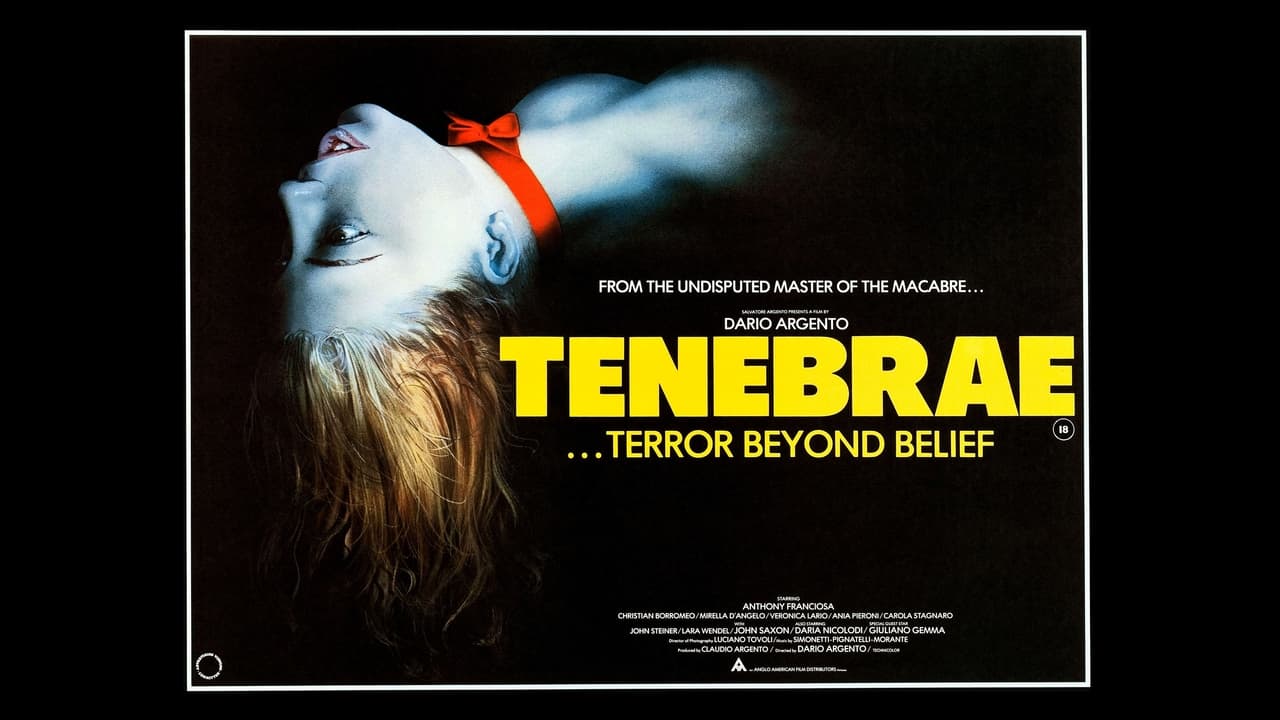
The opening images alone are a statement. Stark white architecture, blinding daylight, a sense of sterile alienation – it feels less like classic horror and more like a particularly aggressive design magazine layout. But then, the darkness implied by the title (Tenebrae meaning darkness or shadows in Latin) begins to bleed through. It’s a film built on jarring contrasts: the pristine surfaces defiled by sudden, savage violence; the bright, open spaces used for claustrophobic terror; the detached intellectualism of the protagonist shattered by primal brutality.
A Return to Bloody Basics
Tenebrae marked Argento's return to the giallo genre he helped define with films like The Bird with the Crystal Plumage (1970) and the phenomenal Deep Red (1975), after his detour into the supernatural with Suspiria (1977) and Inferno (1980). The story follows American horror novelist Peter Neal (Anthony Franciosa), who arrives in Rome on a publicity tour only to find himself entangled in a series of gruesome murders seemingly inspired by his latest bestseller, also titled "Tenebrae." The killer, taunting Neal with letters, believes the author's work corrupts readers, and sets out on a brutal campaign of 'cleansing'.
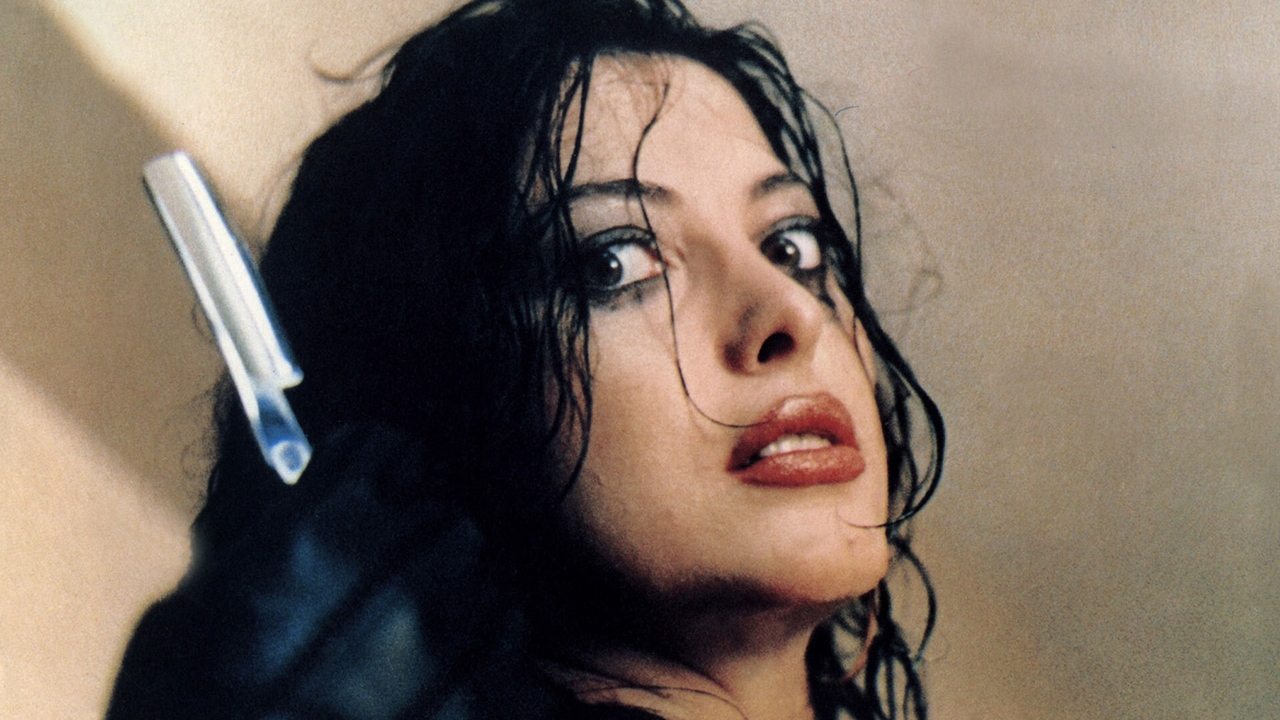
Franciosa, known more for gritty American dramas, brings a certain weary cynicism to Neal, a man increasingly unnerved as his fiction bleeds horrifically into reality. He's joined by the legendary John Saxon (a veteran of Enter the Dragon (1973) and A Nightmare on Elm Street (1984)) as Neal's agent Bullmer, and Argento regular Daria Nicolodi as Neal's estranged fiancée Anne. While the plot twists and turns in classic giallo fashion, sometimes bordering on the deliberately convoluted, it’s Argento's unflinching visual style and set pieces that truly sear themselves into memory.
Style Over Substance? Not Quite.
Argento’s detractors often level the "style over substance" charge, but in Tenebrae, the style is the substance. The sterile, modernist architecture of Rome's EUR district, captured brilliantly by cinematographer Luciano Tovoli, becomes a character itself – cold, impersonal, offering no hiding place. This aesthetic choice was deliberate; Argento wanted to film horror in broad daylight, stripping away the comforting shadows often associated with the genre. Doesn't that relentless brightness somehow make the violence feel even more shocking, more invasive?
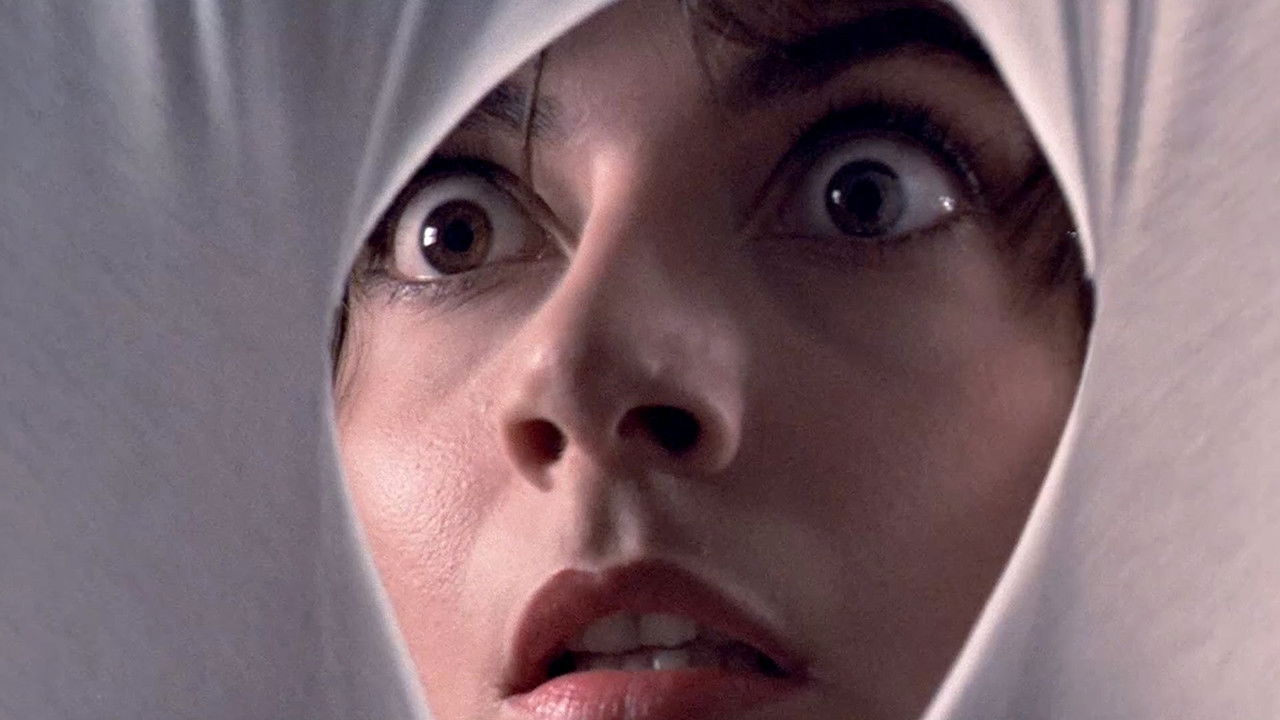
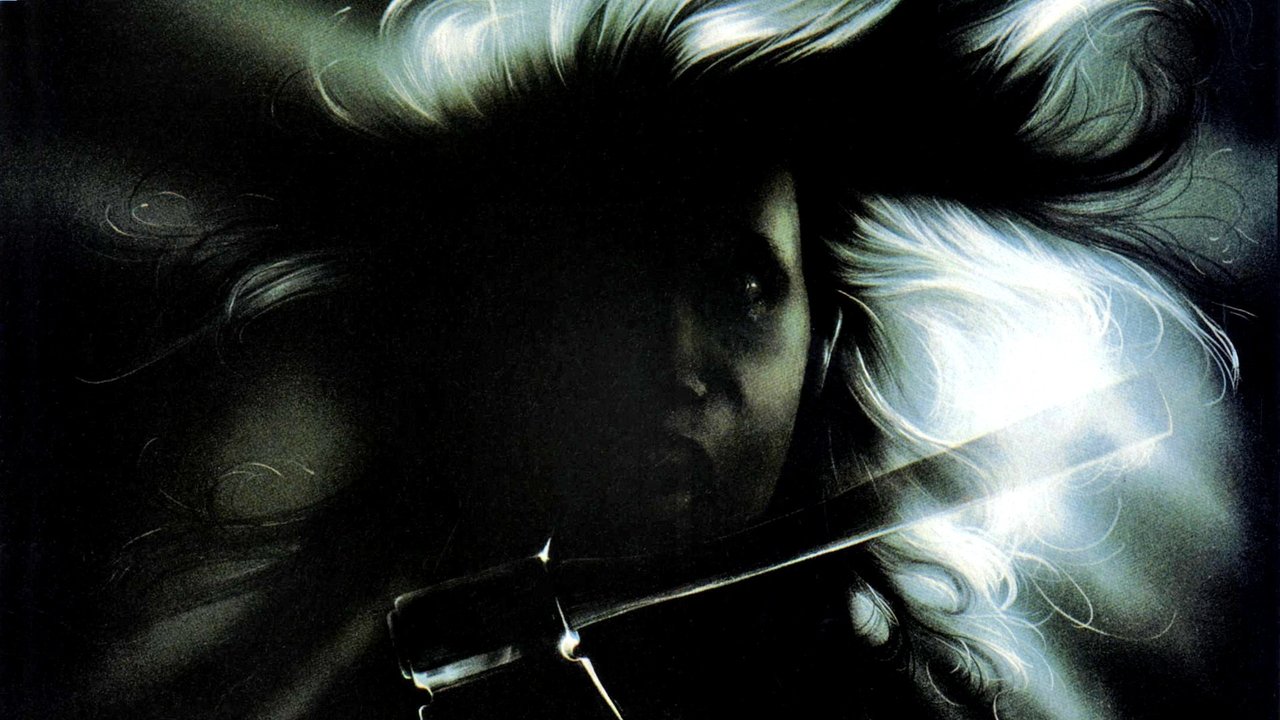
And the violence... oh, it's something else. This film earned its place on the UK's infamous "Video Nasty" list for a reason. The kills are elaborate, visceral, and lingered upon with an almost surgical precision. The infamous scene involving lesbian journalist Jane (Veronica Lario) and a straight razor remains incredibly potent, a sequence of shocking brutality that caused considerable censorship headaches worldwide. It’s pure Argento: aesthetically composed violence designed to provoke a visceral reaction. I remember the first time seeing that scene on a grainy VHS transfer – the sheer audacity of it was jaw-dropping, even through the tracking lines.
That Crane Shot and Other Dark Legends
You simply cannot discuss Tenebrae without mentioning that shot. Argento and Tovoli achieved one of the most breathtaking and technically audacious sequences in horror history: a seemingly impossible crane shot that scales the walls of an apartment building, peers through multiple windows tracking the movements of two future victims, before descending back down. Lasting nearly three minutes without a cut, it’s a virtuosic display of technical skill and suspense building. Apparently, constructing the specialized Louma crane rig capable of such acrobatics was a nightmare, pushing the boundaries of what was considered possible at the time. It’s pure cinematic bravura, a moment where technique elevates tension to an art form.
The film's genesis itself has a dark footnote. Argento claimed the story was partly inspired by his own unsettling experience with an obsessive fan who stalked him, making disturbing phone calls. This real-life echo adds another layer of unease to Neal’s predicament, blurring the line between the creator and the horrors he imagines.
The score, primarily by former Goblin members Claudio Simonetti, Fabio Pignatelli, and Massimo Morante, is another key element. Departing from the prog-rock stylings of Suspiria or Deep Red, Tenebrae's electronic pulse is relentless, cold, and driving – perfectly mirroring the film's sharp edges and modern aesthetic. The main theme is an absolute 80s synth earworm, both catchy and deeply unsettling.
Verdict
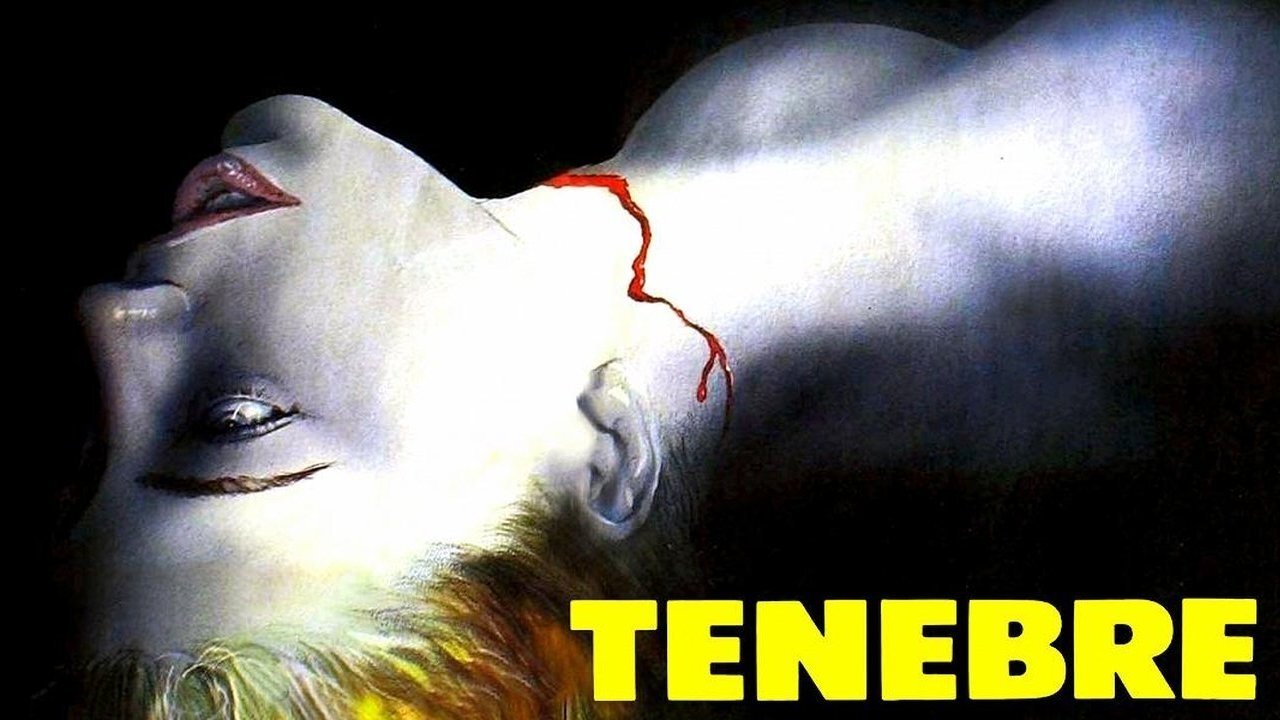
Tenebrae is Argento operating at peak stylishness and visceral intensity. It's a sophisticated, self-aware giallo that plays with genre conventions while delivering some of the most memorable and shocking set pieces of the director's career. The plot might be a labyrinth, and the acting occasionally leans into the heightened melodrama typical of the genre, but the sheer force of Argento's visual storytelling, the unforgettable score, and the technical brilliance (especially that crane shot) are undeniable. It's brutal, it's beautiful, and it still feels dangerously sharp decades later. For fans of giallo, stylish horror, or just audacious filmmaking, Tenebrae is essential viewing – a chilling reminder that sometimes the brightest lights cast the darkest shadows.
Rating: 9/10
Final Thought: More than just a slasher, Tenebrae feels like a cold, calculated dissection of violence, voyeurism, and the unsettling relationship between creator and creation, all wrapped in Argento's uniquely stunning, blood-drenched aesthetic. It remains one of the high watermarks of 80s Italian horror.