"Found... in a well." The words hang heavy, echoing the stark, bleached-out opening image of a small, mutilated body recovered from the depths. It’s a brutal, immediate gut-punch, setting a tone of profound despair that Jaume Balagueró’s debut feature, The Nameless (Original title: Los sin nombre), never relinquishes. Released in 1999, this Spanish chiller wasn't waiting politely in the shadows; it plunged viewers straight into a rain-lashed abyss of grief and encroaching, insidious evil. Forget cheap thrills; this film aimed for the soul, leaving a cold spot that lingered long after the tape stopped whirring.

An Unanswered Call from the Grave
The story centers on Claudia (Emma Vilarasau), a mother hollowed out by the brutal murder of her young daughter, Ángela, five years prior. She’s barely navigating life when the impossible happens: a phone call. A distorted voice, claiming to be Ángela, pleads for rescue before uttering a chilling phrase: "They're coming to get me." This single, terrifying event shatters Claudia's fragile peace and sends her spiraling down a rabbit hole, desperately seeking answers that logic dictates shouldn't exist. Could her daughter truly be alive? And if so, who – or what – are "they"?
Barcelona's Rotting Heart
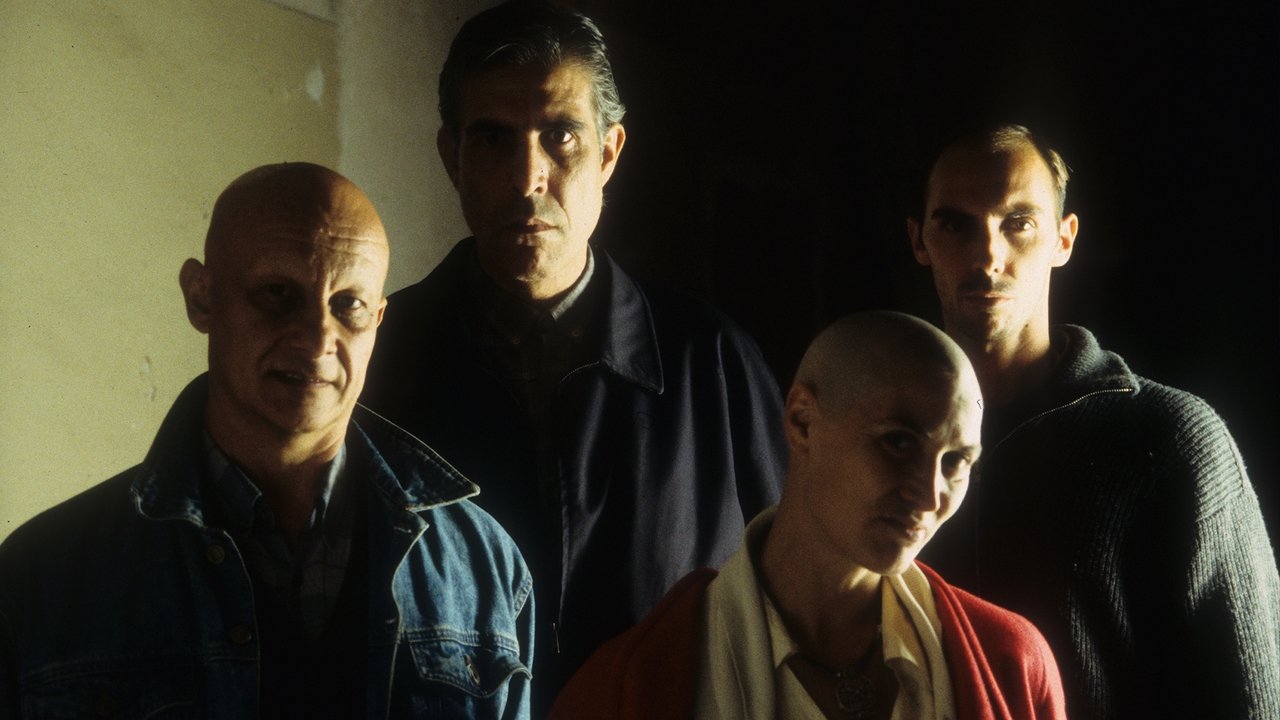
Balagueró, who would later co-direct the found-footage phenomenon [REC], demonstrates an astonishingly assured hand for a first-time feature director. He masterfully weaponizes the film's atmosphere. Forget sun-drenched Spanish vistas; this is Barcelona shown through a lens of decay and perpetual dampness. The cinematography favors sickly greens, grimy blues, and oppressive shadows, rendering the city itself a character – hostile, labyrinthine, and seemingly complicit in the darkness unfolding within its neglected corners. Much of the filming took place in Barcelona and the nearby industrial city of Terrassa, using real dilapidated locations that bleed authenticity onto the screen, making the supernatural feel chillingly grounded in urban squalor. The relentless rain and dripping water in the sound design become almost unbearable, mirroring Claudia's own dissolving sanity.
Adapting the Unseen Horror
The film is based on the novel by British horror maestro Ramsey Campbell, known for his psychologically dense and often ambiguous terrors. Adapting Campbell is notoriously tricky; so much of his horror is internal, residing in the subtle warping of reality and perception. While Balagueró and co-writer Jordi Galceran externalize some elements for the screen, they crucially retain Campbell's core thematic concerns: the contamination of innocence, the allure of nihilistic philosophies, and the terrifying suggestion that ultimate evil isn't monstrous, but chillingly logical in its own warped way. This isn't about a boogeyman; it's about an ideology that seeks to negate humanity itself, born from suffering and seeking only oblivion.
Into the Abyss
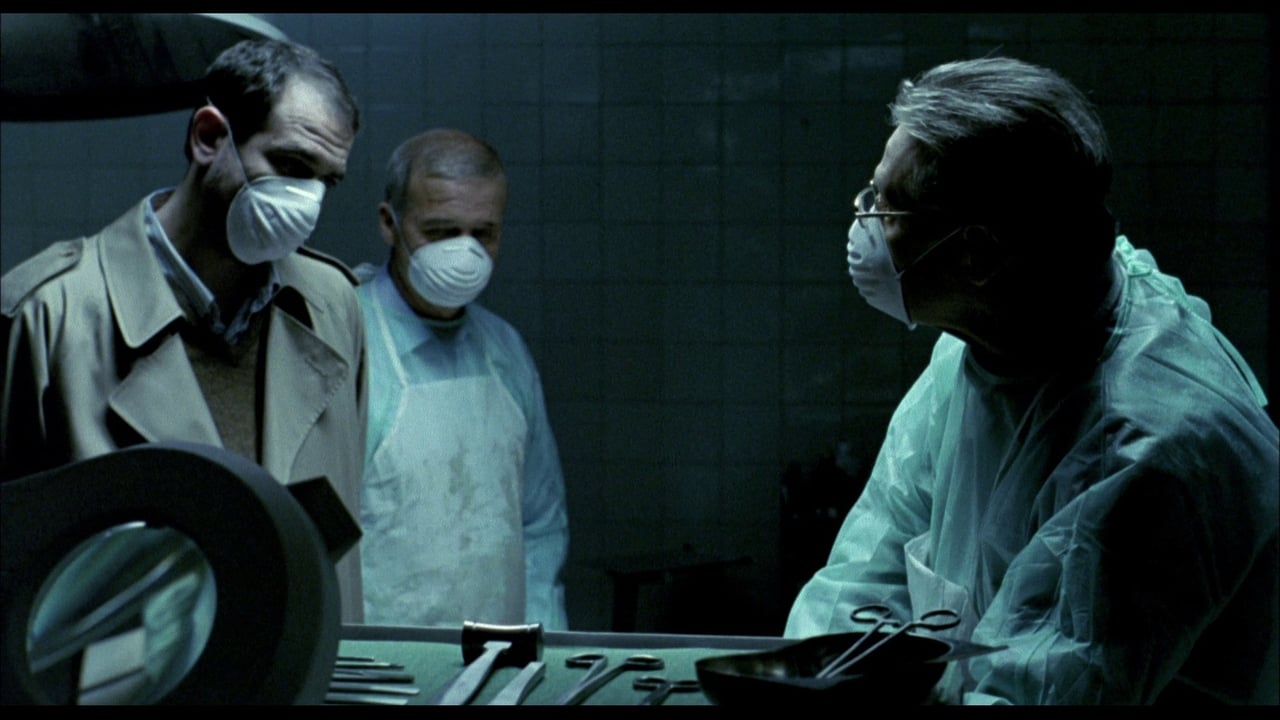
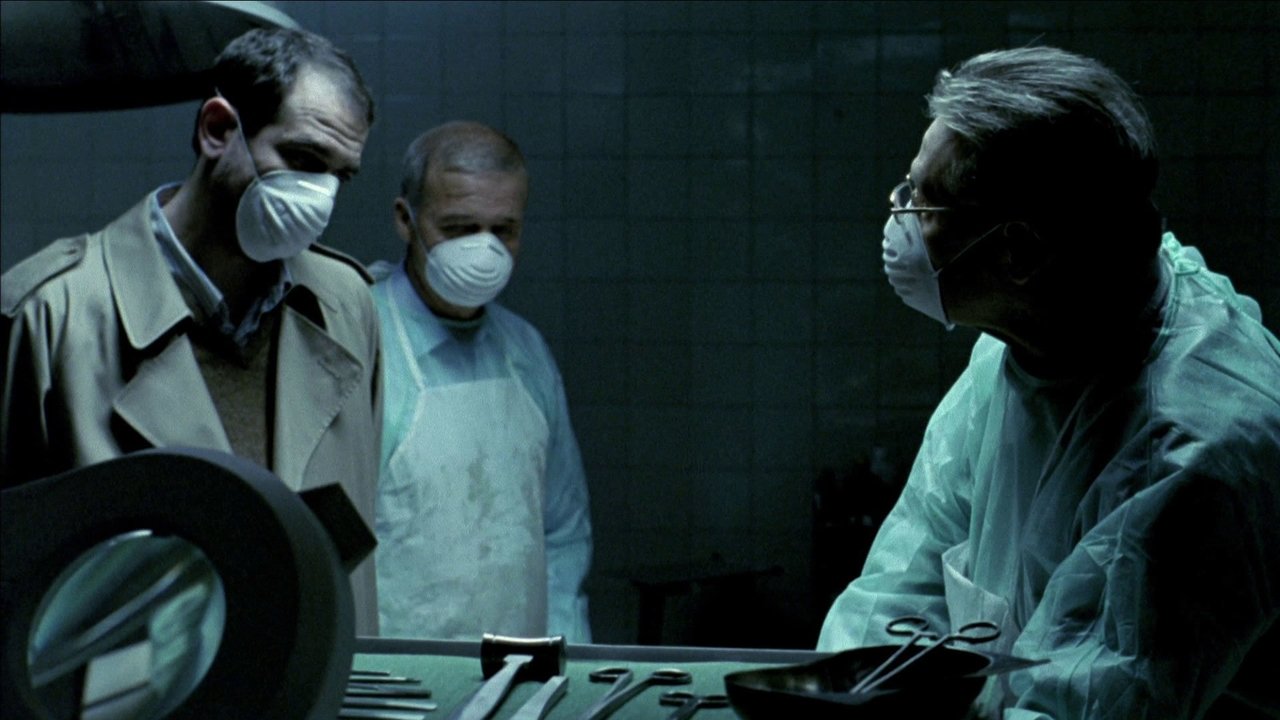
Claudia’s investigation leads her to disgraced ex-cop Massera (Karra Elejalde) and Quiroga (Tristán Ulloa), a journalist specializing in the occult. Together, they uncover whispers of a sinister cult known as "The Nameless" – individuals who reject identity and embrace absolute evil through acts of calculated depravity. The cult's philosophy, rooted in obscure texts and twisted interpretations of suffering, feels genuinely unnerving. There's a disturbing sequence involving recovered photographs and experimental films that hints at their methods, relying on suggestion and unsettling imagery rather than overt gore, which somehow makes it even more disturbing. This focus on psychological violation over spectacle marked The Nameless as something different, a precursor to the more thoughtful, atmospheric horror emerging globally around the turn of the millennium.
A Mother's Anguish, Embodied
Emma Vilarasau carries the film with a performance of raw, weary desperation. Her Claudia isn't a scream queen; she's a woman grappling with unimaginable grief suddenly thrust into a nightmare that preys on her deepest vulnerability – the hope, however faint, of reclaiming her lost child. Her exhaustion feels palpable, her moments of dawning horror utterly convincing. Karra Elejalde provides a grounding presence as the cynical but ultimately driven Massera, a familiar noir archetype given weight by the film's bleak context.
The Birth of a New Wave
The Nameless didn't just appear in a vacuum; it landed like a beautifully crafted nightmare at the Sitges Film Festival, where it won several awards, including Best European Fantasy Film. Its success helped galvanize what would become a significant new wave of Spanish horror filmmaking in the 2000s. It proved there was an audience hungry for dark, intelligent, and uncompromising genre fare from Spain, paving the way for films like The Others and The Orphanage. For many of us digging through the import sections or catching it on late-night cable, it felt like discovering a secret – a truly potent dose of European dread that stood apart from its American contemporaries. Its estimated budget was modest, reportedly around €1.8 million (roughly $2 million USD then, perhaps $3.5 million today), making its atmospheric achievements and festival impact even more impressive.
That Ending... (Vague Hints Ahead)
And then there's the ending. Without revealing specifics, let's just say it’s one of the most profoundly bleak and unsettling conclusions in modern horror. It offers no comfort, no catharsis, only the crushing weight of the abyss Claudia has uncovered. Does that final reveal still hit as hard today? For those seeking resolution, perhaps not. But for those who appreciate horror that dares to stare into the void and not blink, it remains devastatingly effective. It’s the kind of ending that sparks debate and sticks in your craw, forcing you to confront the film's nihilistic core.

Rating: 8.5/10
Justification: The Nameless earns its high score through its masterful control of atmosphere, its genuinely disturbing premise rooted in psychological dread rather than jump scares, and Emma Vilarasau's powerful central performance. Balagueró's direction is remarkably confident for a debut, crafting a visually distinct and thematically resonant nightmare. The adaptation successfully translates Ramsey Campbell's unsettling vibe, and the film's use of decaying urban landscapes is superb. It loses a fraction for pacing that might test some viewers accustomed to faster-burn horror and perhaps a slight reliance on familiar investigative tropes. However, the sheer impact of its tone and its devastatingly bleak conclusion solidify its status as a standout piece of late-90s European horror.
Final Thought: More than just a cult movie from the 90s, The Nameless feels like a transmission from a colder, darker frequency. It's a reminder that sometimes the most terrifying monsters aren't creatures, but corrosive ideas, and that the deepest horror can be found not in the dark, but in the hollow echo of a voice that shouldn't exist. This Spanish horror 1999 gem remains a chilling testament to the power of atmosphere and existential dread.