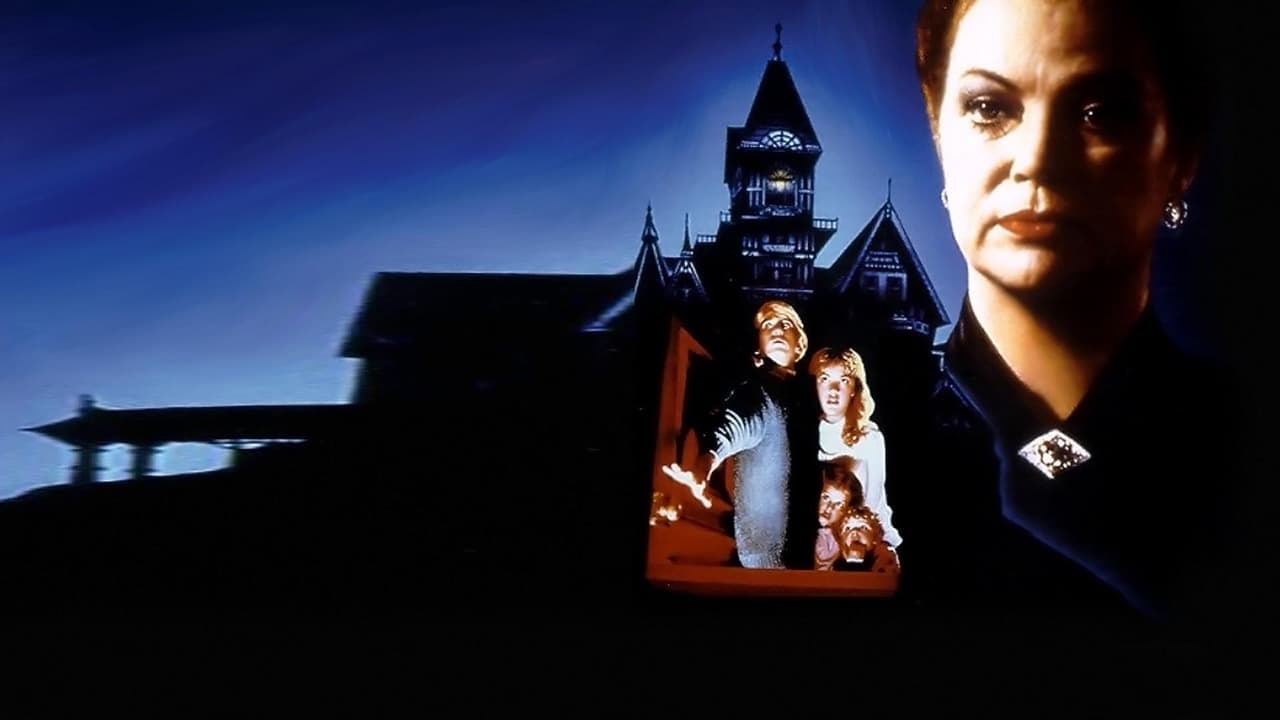
Some secrets fester best in the dark, don't they? Behind imposing facades, under layers of dust and stifling velvet curtains. Flowers in the Attic, released in 1987, feels like one of those secrets – a whispered, uncomfortable story glimpsed on a flickering CRT screen late at night, leaving a residue of unease that’s hard to shake. It wasn't gore or jump scares that chilled you; it was the creeping dread, the slow poisoning of innocence within the opulent cage of Foxworth Hall. This wasn't just a movie; for many of us browsing the aisles of the local video store, it felt like uncovering forbidden knowledge, something glossy and disturbing wrapped in a standard VHS clamshell.
A Fairytale Turned Nightmare
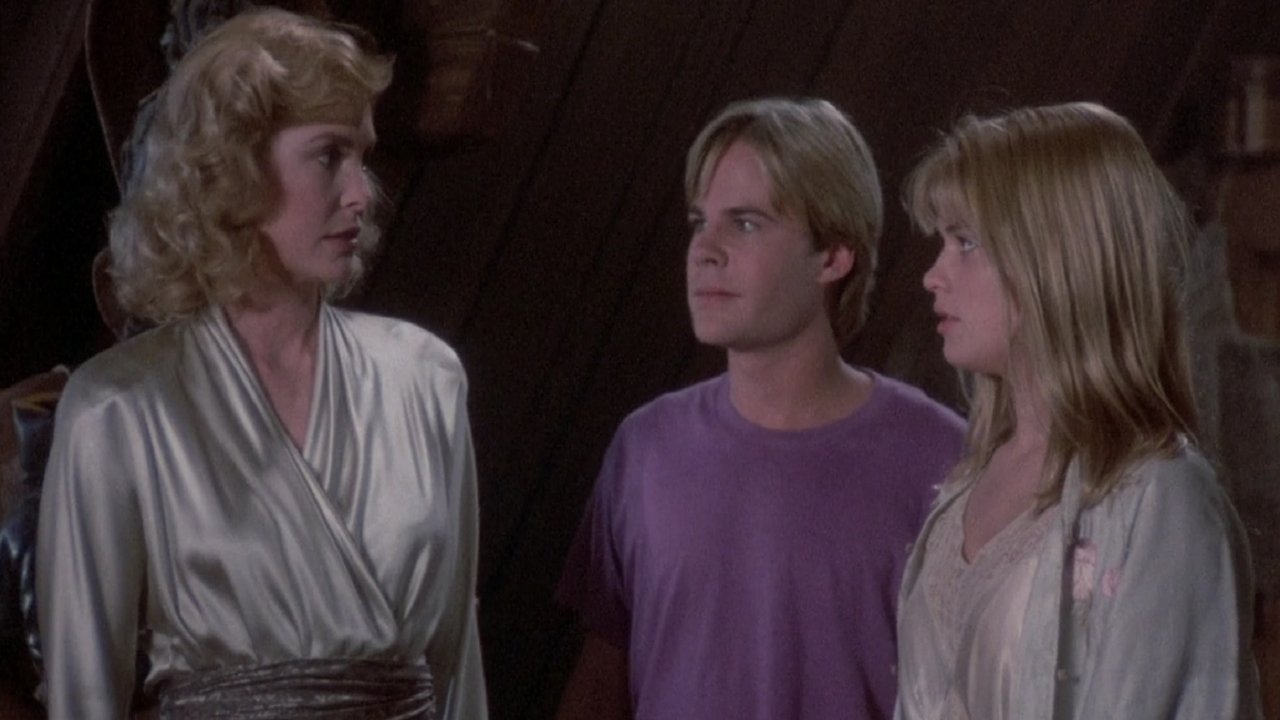
The premise itself is pure gothic melodrama, plucked straight from the pages of V.C. Andrews' notoriously controversial 1979 novel. After their father's sudden death leaves the family destitute, the beautiful Corrine Dollanganger (Victoria Tennant) takes her four blonde, porcelain-skinned children – Chris, Cathy, Cory, and Carrie – to her estranged parents' sprawling estate, Foxworth Hall. The catch? To win back her dying father's inheritance, the children must remain hidden away in a secluded bedroom and attic, unseen by their cruel, vindictive grandfather. Their existence becomes a secret, nurtured by a mother whose promises of a brief stay stretch into agonizing years. Director Jeffrey Bloom (who also penned the screenplay, wrestling Andrews' dense, dark narrative into cinematic form) captures the initial, almost dreamlike quality of the children's arrival, only to slowly peel back the veneer, revealing the rot beneath.
The Chill of Grandmother's Reign
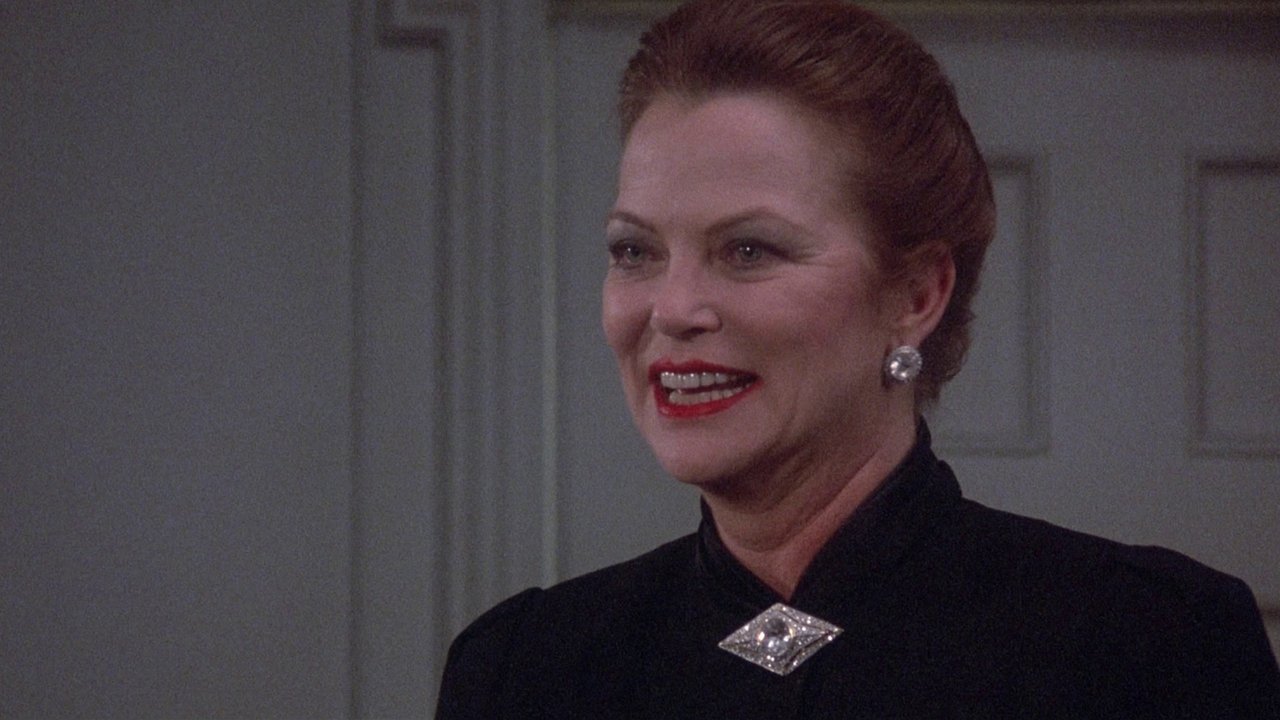
Much of the film's suffocating atmosphere hinges on one towering performance: Louise Fletcher as Olivia Foxworth, the grandmother. Already legendary for embodying institutional tyranny as Nurse Ratched in One Flew Over the Cuckoo's Nest (1975), Fletcher brings a terrifying, scripture-quoting rigidity to Olivia. She’s not a cackling caricature; she’s worse – a woman utterly convinced of her own righteousness, her cruelty delivered with icy conviction. Her pronouncements, her looming presence, the way she seems to suck the very air out of the room… it’s a masterclass in restrained menace. She embodies the suffocating piety and twisted family values that form the bedrock of the children's prison. Remember the palpable tension whenever her footsteps echoed down the hall? It’s a performance that still feels chillingly effective.
Life Among the Dust Motes
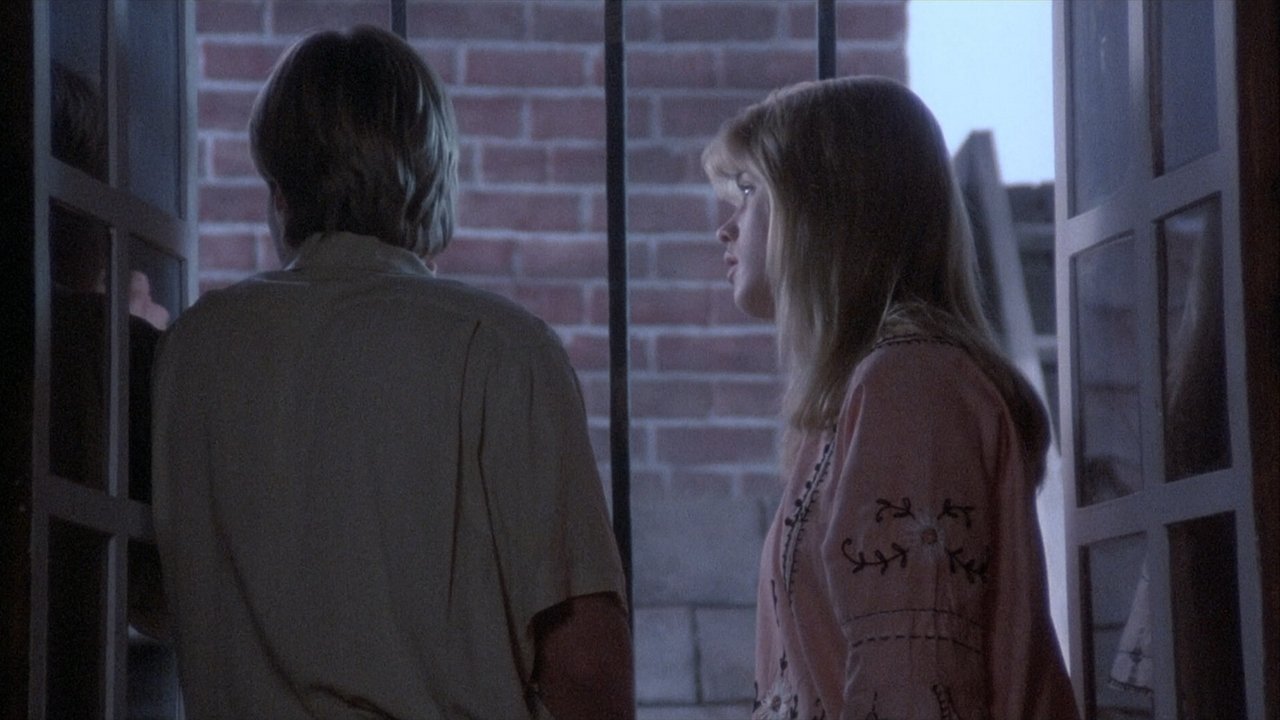
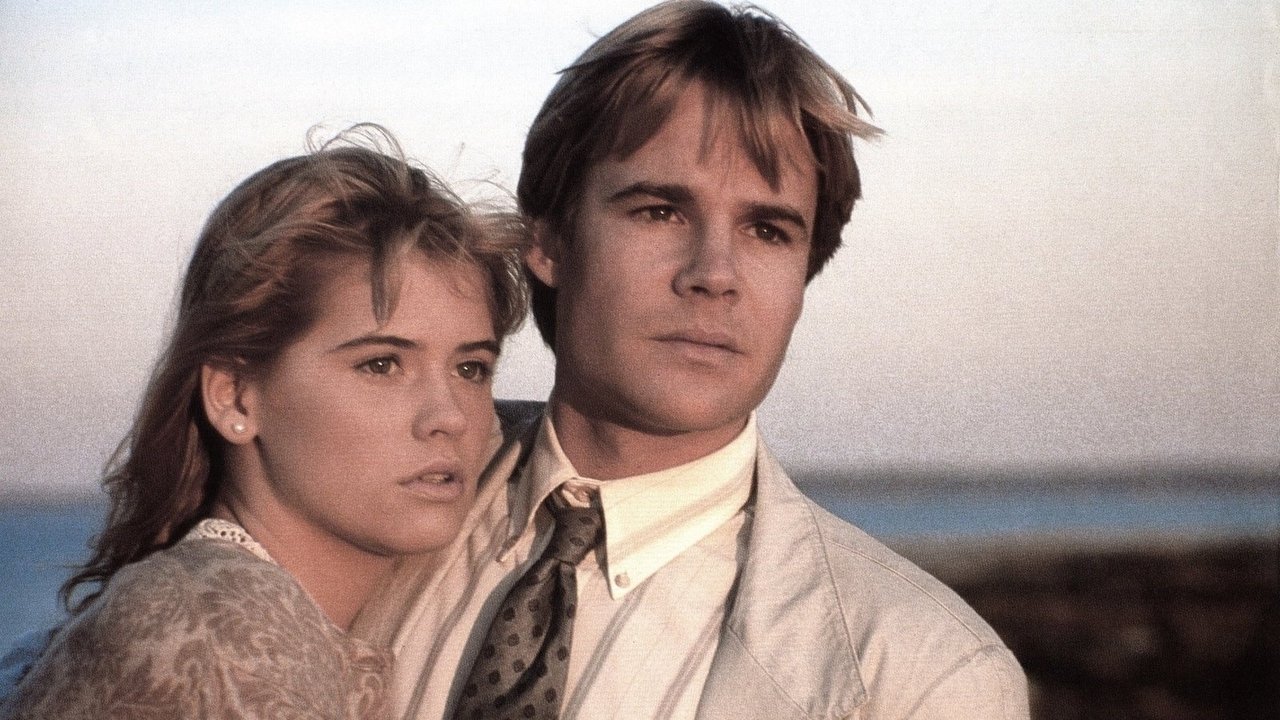
As days bleed into months, and months into years, the attic becomes the children's entire world. Bloom uses the claustrophobic setting effectively, emphasizing the peeling wallpaper, the dust motes dancing in the slivers of light, the feeling of lives wasting away in gilded isolation. We watch the children, particularly the eldest two, Chris (Jeb Stuart Adams) and Cathy (a young Kristy Swanson, in one of her earliest major roles), navigate the emotional and psychological complexities of their confinement. Swanson carries much of the film's emotional weight, portraying Cathy's journey from hopeful child to hardened survivor. The adaptation notably softened some of the novel's more infamous and taboo plot points, particularly the incestuous relationship between Chris and Cathy, reducing it to lingering glances and fraught embraces. This was a necessary concession for a mainstream 1980s film, perhaps, but one that arguably dilutes the source material's raw, transgressive power.
Secrets Behind the Screen
Adapting V.C. Andrews was never going to be easy. Her novels were phenomena – dark, sprawling, and steeped in themes many considered unfilmable. Wes Craven was initially attached to direct and reportedly envisioned a much darker, more faithful adaptation, closer to the book's bleak ending where the children enact a more direct, albeit accidental, revenge involving poisoned doughnuts. However, producers got cold feet, opting for Jeffrey Bloom's more conventional, less overtly disturbing conclusion. V.C. Andrews herself allegedly disliked the final film intensely, particularly the altered ending. Shot on a modest budget of around $6.6 million, the film relied more on atmosphere and performance than elaborate effects. While it wasn't a runaway hit (grossing about $15.2 million), Flowers in the Attic found its true home on VHS, becoming a cult favorite passed around between friends, its lurid story and gothic mood perfect for that late-night rental vibe.
A Flawed, Yet Unforgettable Bloom
Let's be honest, Flowers in the Attic isn't a perfect film. The pacing can feel uneven, some of the melodrama feels distinctly of its time, and the altered ending undeniably pulls its punches compared to the gut-wrenching finale of the novel. Victoria Tennant's portrayal of Corrine, while capturing the mother's gradual descent into selfishness, sometimes lacks the chilling depth required to fully sell her betrayal. Yet, despite these flaws, the movie possesses an undeniable pull. It captures a specific flavour of 80s gothic dread – less supernatural horror, more psychological imprisonment and the chilling decay of family bonds. It’s the kind of film that sticks with you, not because it’s technically brilliant, but because its central premise is so fundamentally unsettling, and Louise Fletcher’s performance is so damn iconic. I distinctly remember the hushed tones friends used when discussing it after renting the tape – it felt illicit.
***
VHS Heaven Rating: 6/10
Justification: The film earns its points primarily through its thick, oppressive atmosphere, Louise Fletcher's truly chilling central performance, and its status as a memorable, if flawed, piece of 80s gothic cinema that haunted many a VCR. It successfully translates the core dread of the Dollanganger situation, even if it sanitizes the source material's darkest corners. Points are deducted for the uneven pacing, some dated melodramatic elements, and the significantly weakened ending that lessens the story's overall impact compared to the novel.
Final Thought: While maybe not the definitive adaptation V.C. Andrews fans craved, Flowers in the Attic remains a potent dose of 80s melodrama and psychological unease, a dark fairytale whose shadows lingered long after the tape stopped rolling. It’s a fascinating time capsule of how mainstream cinema tackled deeply uncomfortable themes back then, even if it had to look away at the final moment.