The air hangs thick and heavy in Brixton, Georgia, clinging like the Spanish moss that drips from ancient oaks. It's a place where secrets fester beneath the surface of strained pleasantries, and where the murky waters of the swamp seem to hold more than just mud and decay. This isn't just the setting for Sam Raimi's 2000 supernatural thriller, The Gift; it is the film's oppressive, ever-present character, a weight you feel pressing down long after the credits roll. It arrived at the turn of the millennium, feeling like a holdover from the grittier, character-driven thrillers of the 90s, a welcome dose of Southern Gothic dread just as the cinematic landscape began to shift.
Whispers in the Dark
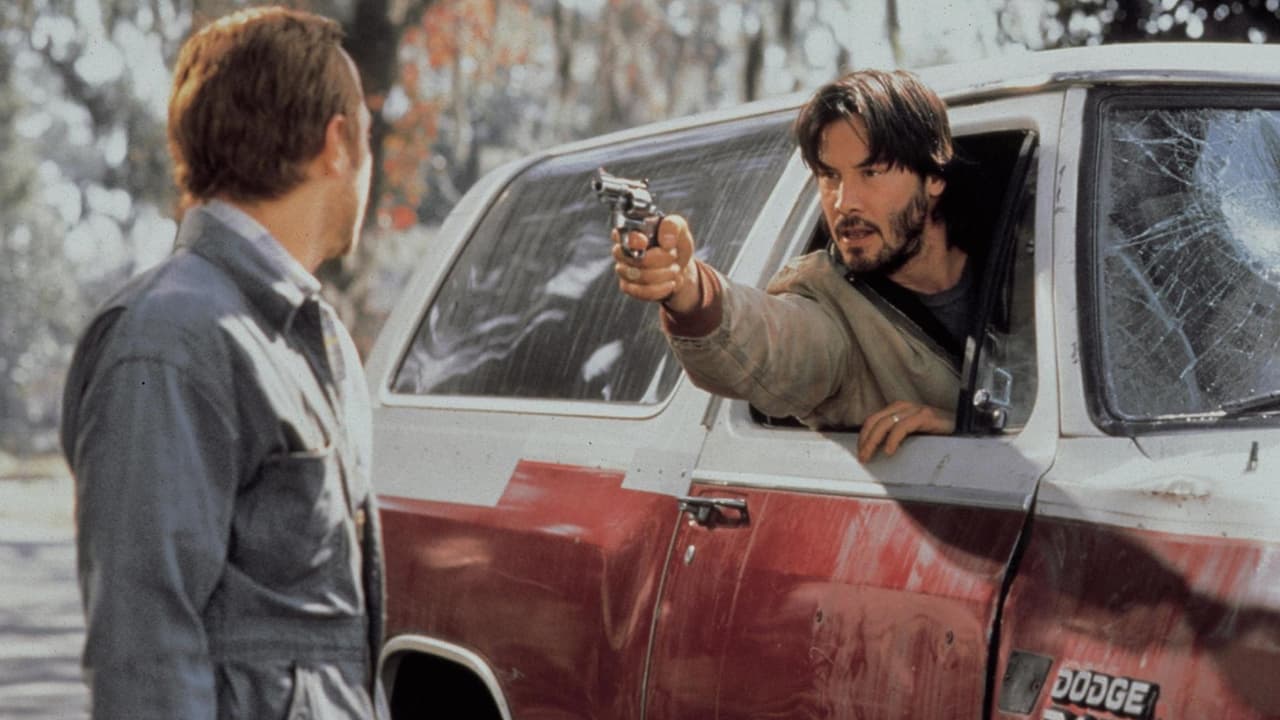
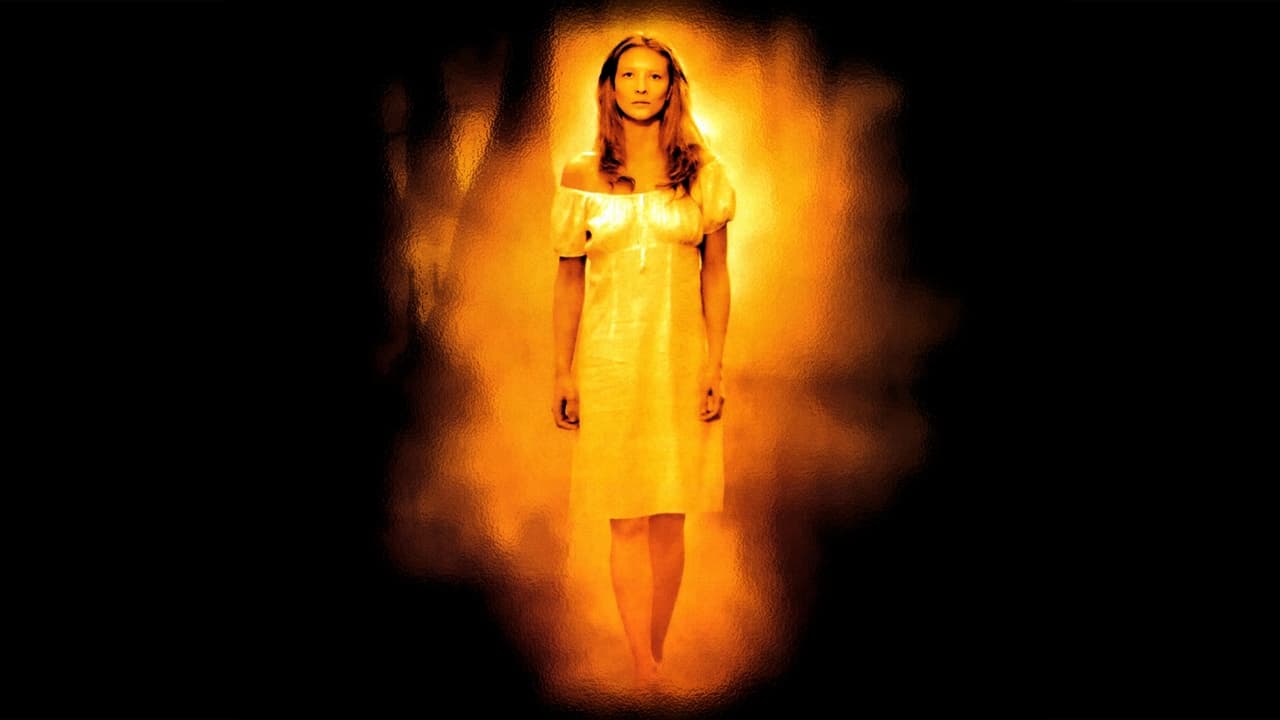
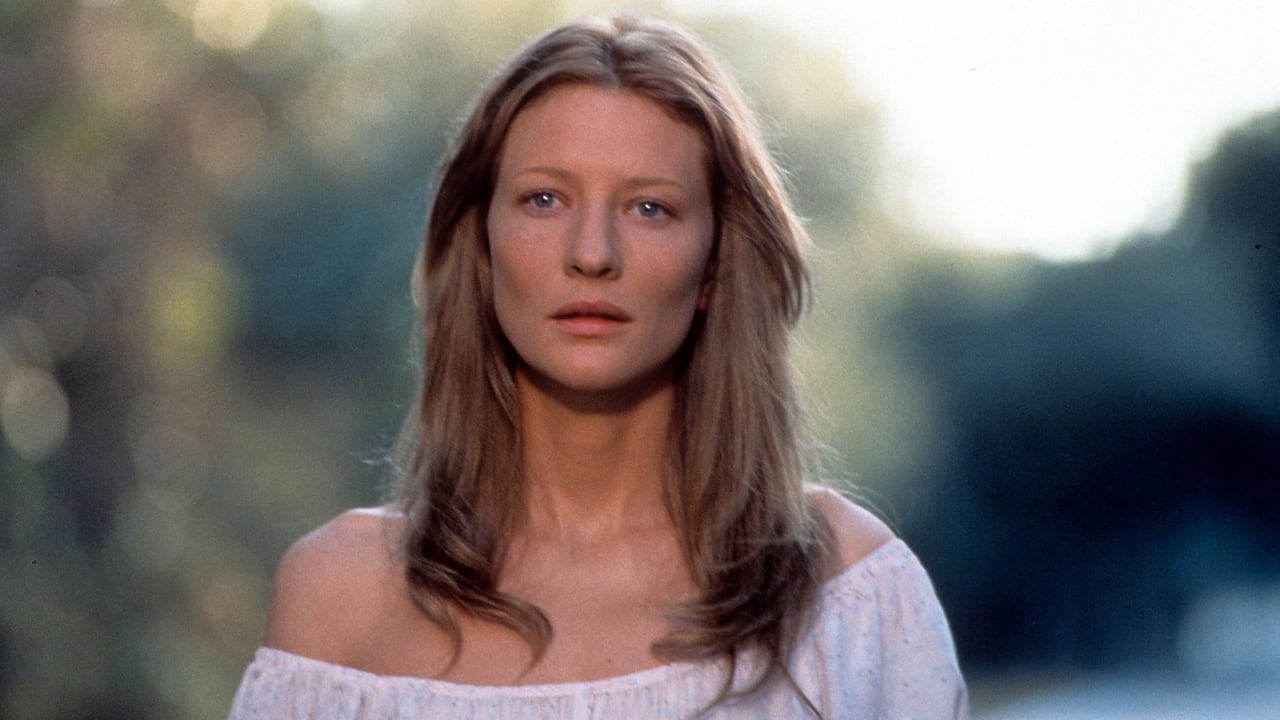
At the heart of Brixton's simmering tensions is Annie Wilson (Cate Blanchett, in a performance of quiet strength and aching vulnerability). A widow raising three boys on her own, Annie makes ends meet by offering psychic readings to the townsfolk. Her "gift" isn't theatrical; it's a burden, flashes of insight that often bring more pain than clarity. She sees the darkness lurking in seemingly ordinary lives – the fear in Valerie Barksdale's (Hilary Swank) eyes, the volatile anger of her husband Donnie (Keanu Reeves, playing chillingly against type), the quiet desperation of Buddy Cole (Giovanni Ribisi, delivering a performance of raw, nervous energy that's hard to forget). Blanchett embodies Annie's weariness, the toll of seeing too much, grounding the supernatural elements in raw human emotion. Remember renting this one, maybe on a rainy Tuesday night from Blockbuster? It had that distinct cover, hinting at something more unsettling than your average thriller.
The script itself carries a fascinating weight, penned by Billy Bob Thornton (who also co-wrote One False Move (1992)) and Tom Epperson. Thornton has openly discussed how parts of the story were inspired by his own mother's purported psychic abilities, lending an air of lived-in authenticity to Annie's experiences and the small-town dynamics. This personal connection permeates the film, making the everyday struggles and hidden cruelties feel disturbingly real, even before the central mystery kicks in.
Unearthing the Rot
When Jessica King (Katie Holmes), the wealthy fiancée of the school principal (Greg Kinnear), vanishes, Annie's visions become darker, more fragmented, and terrifyingly specific. Pulled into the investigation by hesitant authorities, she finds herself navigating a swamp of suspects, each harboring their own secrets and resentments. Raimi, often associated with the kinetic visual flair of Evil Dead II (1987) or the later Spider-Man (2002), here employs a more restrained, atmospheric approach. He lets the humidity, the shadows, and Christopher Young's haunting score do the heavy lifting, building suspense through suggestion and implication rather than overt shocks. The focus is on the psychological toll, the dread that seeps into Annie's life as she gets closer to the truth.
The film truly excels in its depiction of the town's poisonous undercurrents. Keanu Reeves is genuinely menacing as Donnie Barksdale, a figure of brute ignorance and misogyny. His confrontations with Annie crackle with palpable danger. Reeves reportedly felt uncomfortable with the character's intense racism and violence, channeling that discomfort into a performance that feels genuinely unhinged. It was a stark departure for him at the time, proving his range extended far beyond the heroic figures he was known for. Equally memorable is Giovanni Ribisi as Buddy Cole, a troubled mechanic plagued by childhood trauma, who forms a fragile, complex bond with Annie. His volatile shifts between vulnerability and rage are mesmerizing and heartbreaking.
A Vision That Lingers
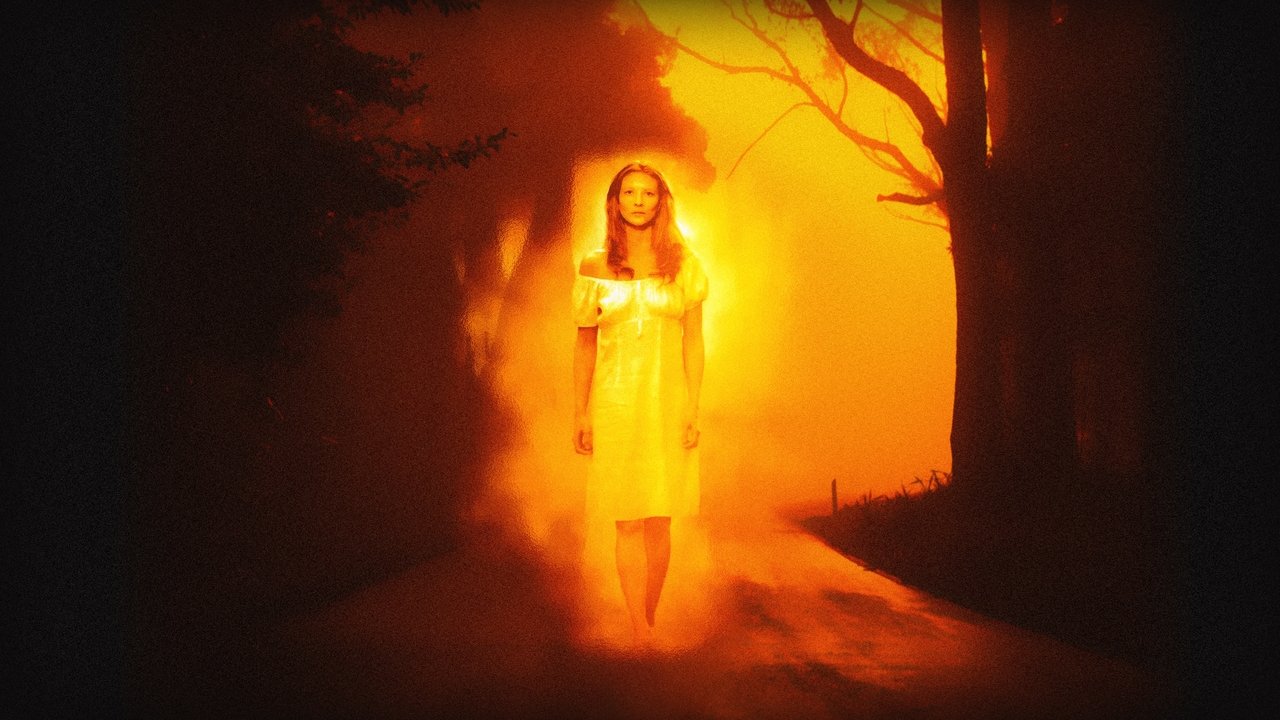
The Gift isn't about flashy special effects; its power lies in its grounded portrayal of psychic phenomena as an unwelcome intrusion, a source of fear and ostracization. Annie's visions aren't clear pathways; they're nightmarish fragments, disturbing images that offer pieces of a puzzle she desperately wishes she didn't have to solve. Raimi captures this beautifully, often using disorienting cuts and unsettling sound design to convey the intrusive nature of her abilities. The practical effects, particularly in depicting the eventual discovery tied to the swamp, retain a certain tactile creepiness that CGI often lacks. Shot primarily in Savannah, Georgia, the locations themselves contribute immensely, feeling authentically Southern Gothic and isolating.
While perhaps not as overtly stylized as some of Raimi's other work, the film’s strength lies in its potent blend of supernatural thriller and character drama. It tackles themes of domestic abuse, class prejudice, and the burden of truth with a seriousness that elevates it beyond simple genre fare. It might feel familiar in structure to some seasoned thriller watchers – the psychic aiding a police investigation is a well-trodden path – but the execution, performances, and pervasive atmosphere make it stand out. It earned back its modest $10 million budget several times over, proving audiences were receptive to its darker, more mature tone.
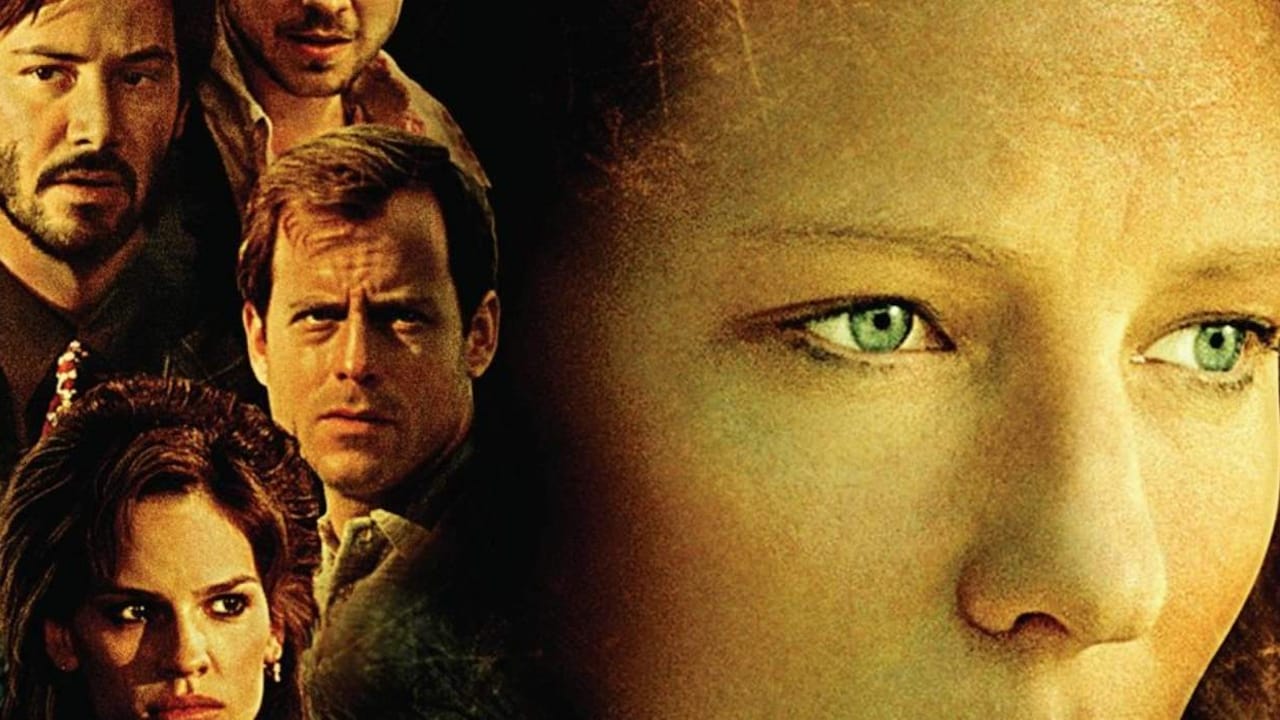
VHS Heaven Rating: 8/10
This score reflects the film's exceptional atmosphere, powerhouse performances (especially from Blanchett, Ribisi, and Reeves), and Sam Raimi's skillful, restrained direction. It successfully blends supernatural dread with compelling human drama, grounded by Thornton's semi-autobiographical script. While the central mystery might follow some familiar beats, the execution is potent and unsettling. It loses a point or two perhaps for a third act that, while effective, doesn't quite sustain the unique intensity of the first two, leaning slightly more into conventional thriller territory.
The Gift remains a potent, atmospheric chiller that burrows under your skin. It’s a reminder of that specific late-90s/early-2000s era of supernatural thrillers that prioritized mood and character over spectacle, leaving a lingering sense of unease that feels perfectly suited to a late-night viewing, the flickering glow of the screen illuminating the darkness. Doesn't that sense of inescapable small-town dread still feel chillingly effective?