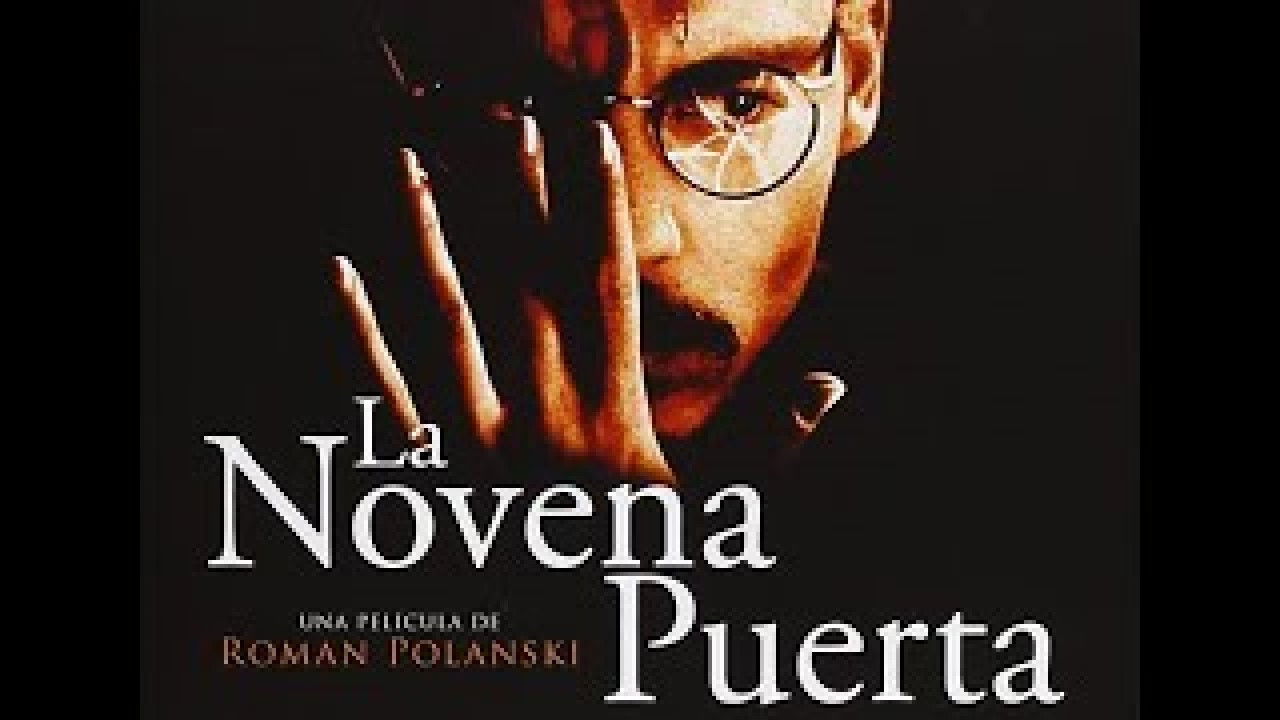
There's a particular scent to old books – a blend of dust, decay, and forgotten knowledge. Roman Polanski's 1999 film The Ninth Gate bottles that aroma, adds a whiff of sulfur, and uncorks it slowly, deliberately, over two often unsettling hours. Forget the frantic pace of many late-90s thrillers; this is a film steeped in the shadows of European libraries, the weight of forbidden texts, and the chilling suggestion that some doors are best left unopened. It arrived near the tail end of the VHS era, a brooding, literate puzzle box that felt strangely out of time even then, demanding patience and rewarding it with a pervasive sense of unease rather than jump scares.
A Mercenary in the World of Antiquarian Darkness
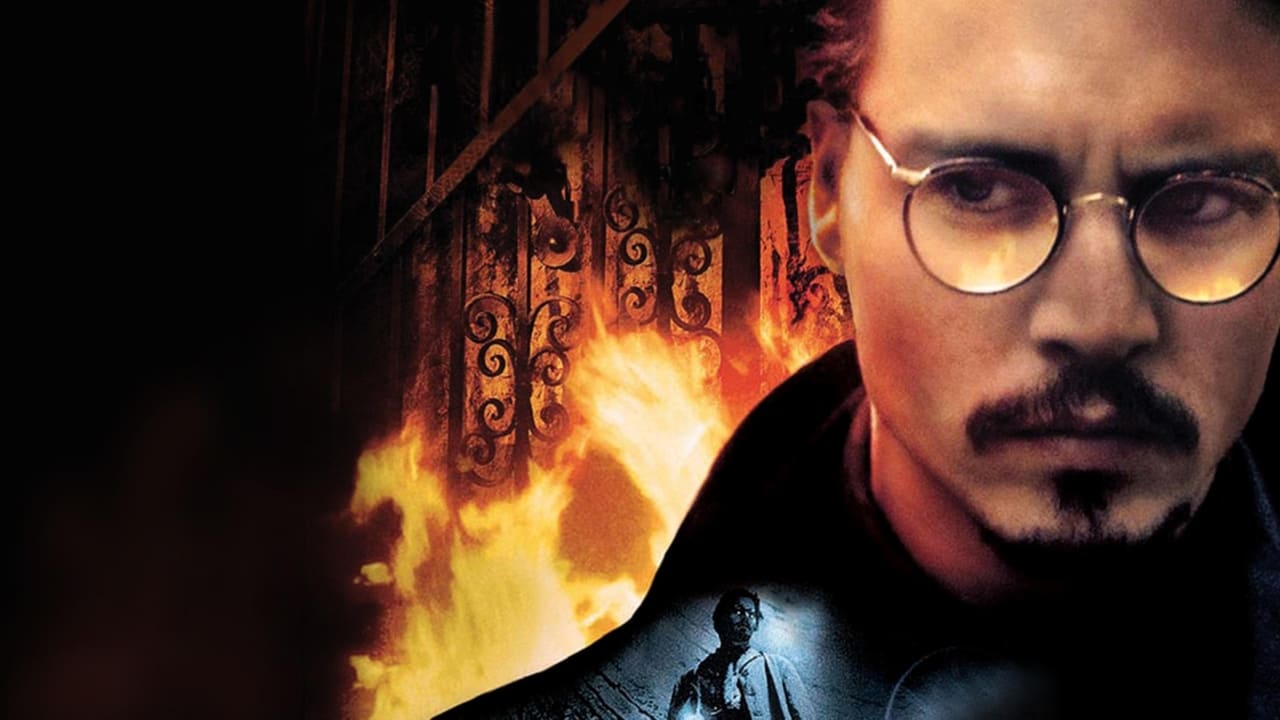
At the center of this web is Dean Corso, played by Johnny Depp with a calculated weariness. Corso isn't a hero; he's a rare book dealer, a mercenary navigating the obsessive, high-stakes world of wealthy collectors with cynical detachment. He's hired by the unsettlingly intense publishing tycoon Boris Balkan (Frank Langella, radiating menace even when discussing binding techniques) for a seemingly straightforward task: authenticate Balkan’s recently acquired copy of The Nine Gates of the Kingdom of Shadows, a legendary 17th-century text rumored to have been co-authored by Lucifer himself. Balkan owns one of only three surviving copies, and he suspects the other two hold the key to unlocking the book's true power – a ritual to summon the Devil. Corso's journey takes him from New York to Toledo, Portugal, and Paris, a descent into a conspiracy where book collectors are willing to kill for a marginal notation. Depp, known then for more eccentric roles and later for the swagger of Jack Sparrow, plays Corso as grounded, almost grubby. It’s a performance less about flash and more about gradual immersion into a world far darker than mere commerce. Reportedly, Depp himself indulged his character's bibliophilia during the shoot, acquiring a rare edition of Baudelaire while filming in Paris – a fitting echo of Corso's own complex relationship with the objects of his trade.
Atmosphere as Character
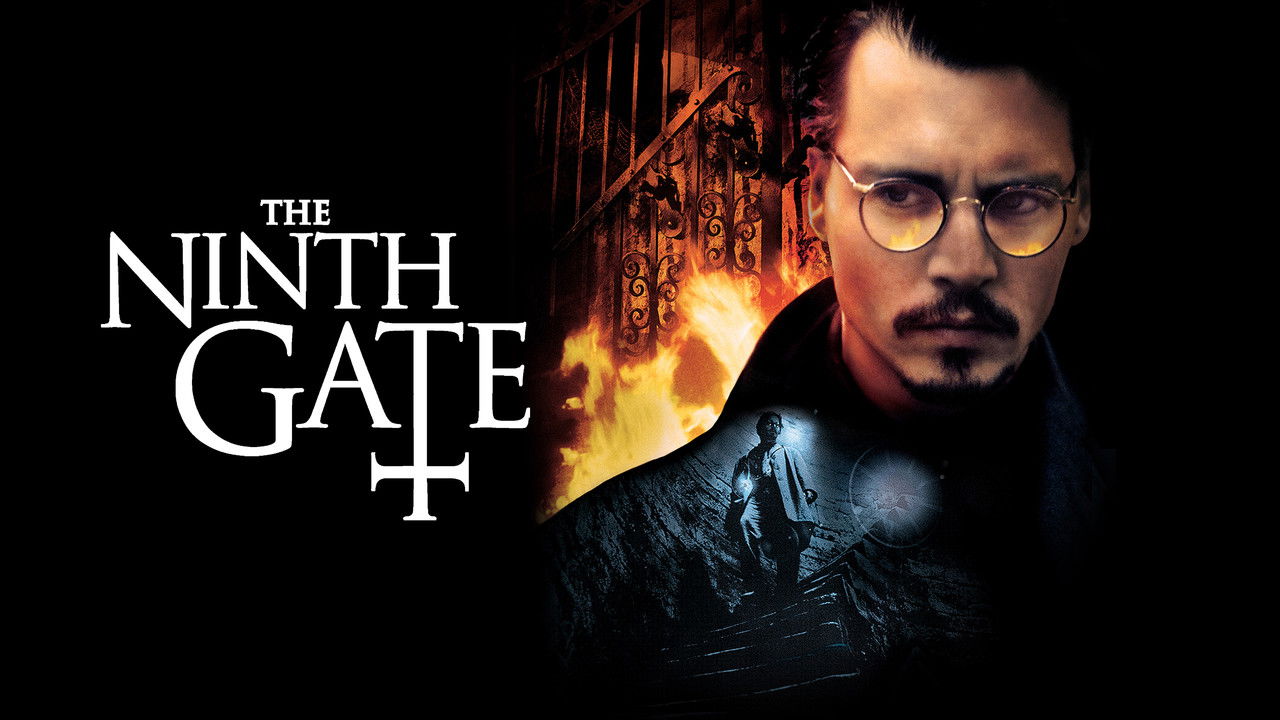
If Corso is the guide, the true star of The Ninth Gate is its suffocating atmosphere. Polanski, a master craftsman of paranoia and confinement (Rosemary's Baby (1968), The Tenant (1976)), uses the ancient architecture of Europe to stunning effect. Filming took place in genuine castles like the Château de Puivert in France, lending an unshakeable authenticity to the dusty archives and echoing corridors Corso explores. You can almost feel the chill emanating from the stone walls. This isn't a film that relies on gore; its horror is textural, built from flickering candlelight, the rustle of brittle pages, and the weight of centuries pressing down. Cinematographer Darius Khondji paints with shadows, often leaving the viewer straining to see what lurks just beyond the frame. Complementing this visual mood is the haunting, minimalist score by Wojciech Kilar (who also chilled audiences with his score for Bram Stoker's Dracula (1992)). Kilar’s main theme, deceptively simple and endlessly repeated, burrows under your skin, becoming synonymous with the encroaching dread.
Demonic Designs and Dark Legacies
The film's plot hinges on the subtle differences between the engravings in the three copies of The Nine Gates. These unsettling images, supposedly illustrating the path to Satanic communion, were meticulously designed for the film by Polish artist Wojtek Siudmak. They possess a genuinely disturbing quality, blending medieval woodcut aesthetics with a surreal, demonic energy. Finding the variations signed 'LCF' (Lucifer) becomes Corso's obsession, drawing him deeper into the orbit of dangerous figures like Liana Telfer (Lena Olin), the seductive widow of the book's previous owner, and the imposing Balkan himself. It’s worth noting that Polanski and his co-writers adapted the screenplay from Arturo Pérez-Reverte's novel The Club Dumas. Fans of the book often point out that the film jettisons a significant subplot involving Alexandre Dumas, streamlining the narrative to focus solely on the occult quest. This decision arguably tightens the film's focus but perhaps sacrifices some of the novel's literary richness.
The Enigmatic Companion
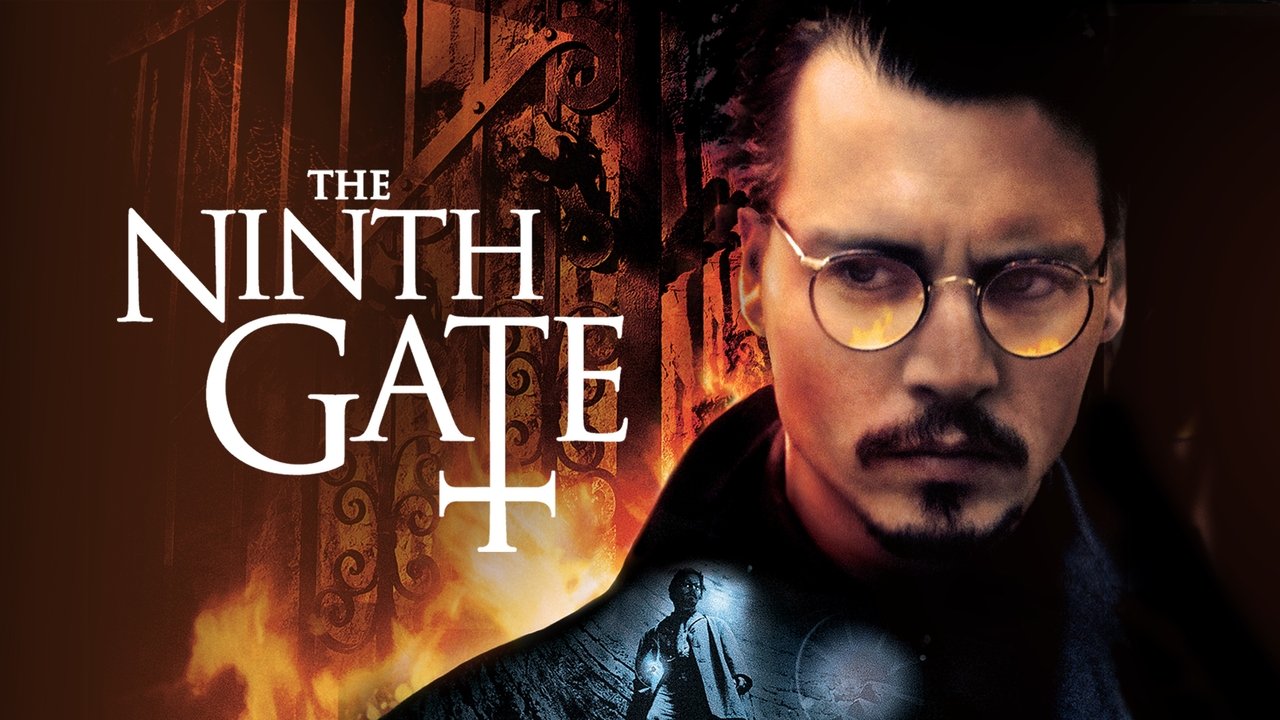
Throughout his perilous journey, Corso finds himself shadowed, and occasionally saved, by a mysterious young woman known only as 'The Girl' (Emmanuelle Seigner, Polanski's wife). With her piercing green eyes and uncanny ability to appear exactly when needed (often accompanied by superhuman feats presented with nonchalant realism), her nature remains ambiguous. Is she a guardian angel? A fellow traveler on the path? Or something else entirely? Seigner's performance is key here – detached, knowing, yet hinting at immense power held in reserve. Her presence adds another layer to the film's supernatural mystery, pushing it beyond a simple detective story into something more symbolic and strange. Doesn't her quiet intensity still feel unnerving, even decades later?
The Final Page
The Ninth Gate culminates in a sequence that polarized audiences upon its release and remains debated among fans. Without giving away specifics, the ending is abrupt, visually striking, and deeply ambiguous. It refuses easy answers, leaving Corso's ultimate fate – and the true nature of the power he sought – open to interpretation. This likely contributed to the film's initially mixed critical reception and modest box office performance (grossing $58.4 million worldwide against a $38 million budget – respectable, but not a blockbuster). Some found the slow-burn pace tedious and the conclusion unsatisfying after the meticulous build-up. Others, however, appreciated its commitment to atmosphere, its intellectual approach to occult themes, and its refusal to compromise its unsettling vision.
VHS Heaven Rating: 7/10
This score reflects The Ninth Gate's strengths and weaknesses. Its unwavering commitment to atmosphere, stunning location work, and Polanski's masterful control of tone make it a uniquely unsettling experience. Langella is perfectly cast, and Depp delivers a solid, understated performance. Kilar's score is unforgettable. However, the deliberate pacing can test impatient viewers, and the narrative, stripped down from its source material, occasionally feels thin beneath the gorgeous surface. The ambiguous ending, while thematically fitting, might leave some feeling cold. It earns its points for sheer mood and its status as a distinctive, literate occult thriller from an era often focused on louder scares.
The Ninth Gate remains a fascinating anomaly – a film more interested in the texture of dread than the shock of horror. It feels like discovering a rare, slightly damaged volume in a forgotten corner of the video store: perhaps not perfect, but possessing a dark allure that lingers long after the credits roll, whispering of forbidden knowledge and the intoxicating danger found within ancient pages.